You’ve just had an induction hob fitted — the old gas cooker finally gave up — and now half your pans don’t work. The lovely copper-bottomed set your mum gave you? Nothing. The aluminium milk pan? Dead. That expensive Le Creuset cast iron casserole? Actually, that one works. But why? And how do you figure out what else in your cupboard is safe without testing every pan individually?
Induction hobs work by generating a magnetic field that heats the pan directly — so the pan itself needs to be magnetic. No magnetism, no heat. It’s that simple in theory, but the reality of UK kitchens means a confusing mix of “works perfectly,” “works badly,” and “doesn’t work at all” depending on what you’ve accumulated over the years.
After switching to induction two years ago, I replaced about half my cookware — some immediately, some after months of frustration with uneven heating. Here’s everything you need to know to avoid the same expensive trial-and-error.
In This Article
- How Induction Cooking Works
- The Magnet Test: Checking What You Already Own
- Materials That Work on Induction
- Materials That Don’t Work
- Best Induction-Compatible Cookware Sets
- Individual Pan Recommendations
- Induction Adapter Discs: Do They Work?
- Common Problems and Fixes
- Caring for Induction Cookware
- Frequently Asked Questions
How Induction Cooking Works
The Magnetic Field Principle
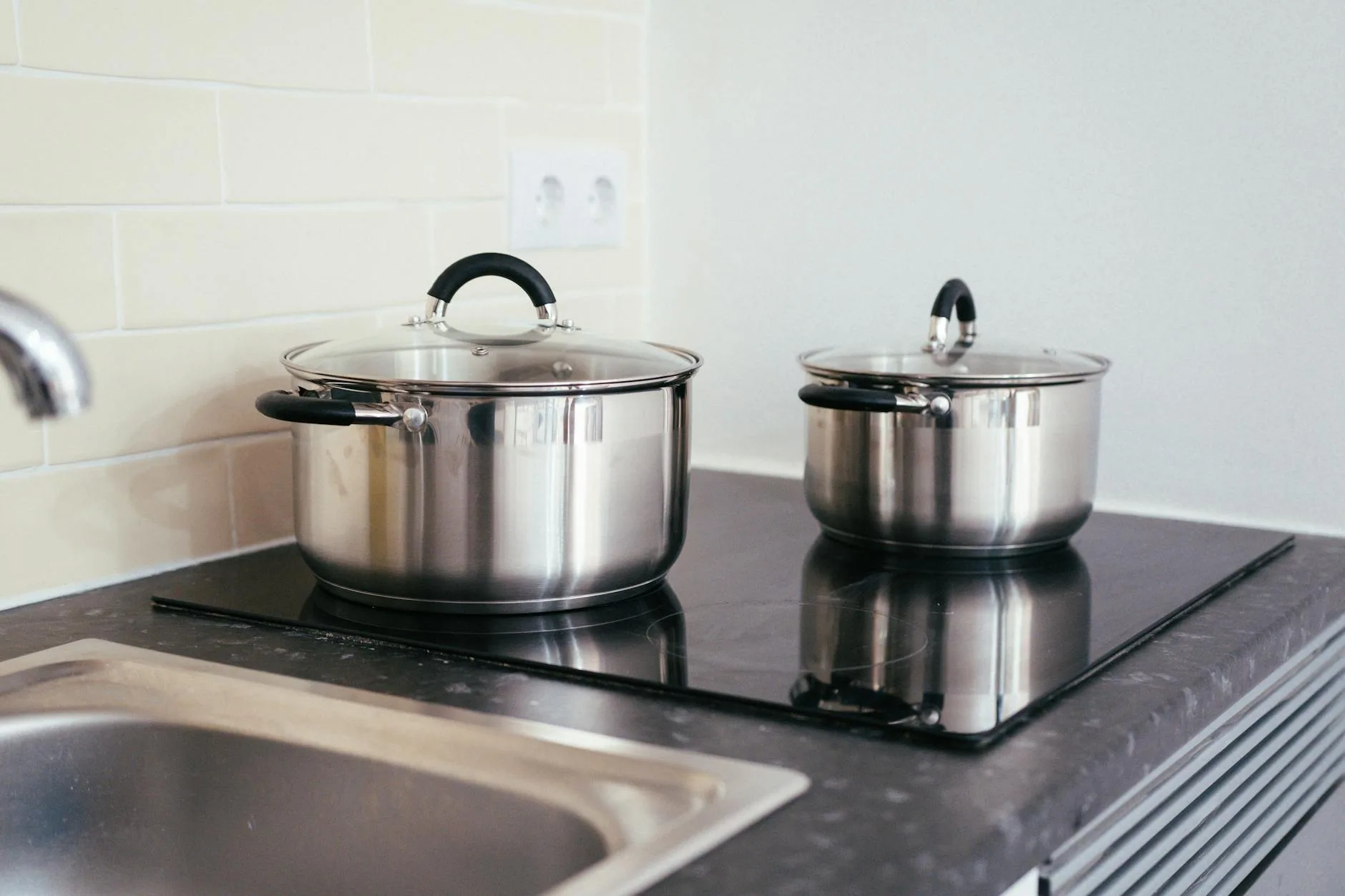
An induction hob contains a coil of copper wire beneath the ceramic glass surface. When you switch it on, alternating current flows through the coil, creating a rapidly oscillating magnetic field. This field passes through the glass surface and into the base of your pan — but only if the pan is made of ferromagnetic material (iron or steel).
The magnetic field generates electrical currents (eddy currents) inside the pan base, which produce heat through electrical resistance. The pan heats up directly — the hob surface itself stays relatively cool. This is why induction is faster than gas or electric: the energy goes directly into the pan rather than heating an element that then heats the pan.
Why Material Matters
For this process to work, the pan base must contain enough ferromagnetic material to respond to the magnetic field. Materials without ferromagnetic properties — aluminium, copper, glass, ceramics — are invisible to the magnetic field. It passes straight through them without generating heat.
This is the fundamental compatibility issue. Decades of UK kitchens accumulated cookware made from aluminium (lightweight, cheap, conducts heat well) and copper (even heat distribution, traditional) — neither of which works on induction without modification.
The Magnet Test: Checking What You Already Own
How to Test
Grab a fridge magnet and hold it to the base of each pan. Three possible results:
- Strong pull — the magnet snaps firmly to the pan base and holds its own weight. This pan will work well on induction
- Weak pull — the magnet sticks but slides easily or barely holds. This pan might work but may heat unevenly or trigger error codes on some hobs
- No pull — the magnet doesn’t stick at all. This pan will not work on induction. Full stop
What You’ll Likely Find
In a typical UK kitchen:
- Cast iron (Le Creuset, Lodge, Denby) — strong pull ✅
- Stainless steel (most but not all) — strong or weak pull depending on grade. Check the base specifically
- Carbon steel (woks, crêpe pans) — strong pull ✅
- Enamelled steel — strong pull ✅
- Aluminium (most budget saucepans) — no pull ❌
- Copper (traditional saucepans) — no pull ❌
- Non-stick with aluminium body — usually no pull ❌ (unless induction-compatible base added)
- Glass/ceramic (Pyrex, CorningWare) — no pull ❌
Materials That Work on Induction
Cast Iron
The gold standard for induction. Excellent magnetic response, retains heat brilliantly, indestructible. My Le Creuset casserole was the only pan that survived the switch without any compromise — it works better on induction than it ever did on gas, because the heat distribution is more even. The Energy Saving Trust notes that induction with cast iron is one of the most energy-efficient cooking methods available because the thermal mass of cast iron holds heat long after the hob cycles down.
- Bare cast iron (Lodge, Victoria) — works perfectly, needs seasoning maintenance
- Enamelled cast iron (Le Creuset, Staub, ProCook) — works perfectly, easier to maintain
Watch out for: Cast iron can scratch ceramic glass hob surfaces. Always lift rather than slide, or put a thin silicone mat between pan and hob.
Magnetic Stainless Steel
Most stainless steel marked “18/0” (18% chromium, 0% nickel) is fully magnetic. “18/10” steel (the most common grade in cookware) is NOT magnetic on its own — but many manufacturers add a magnetic stainless steel base plate to make their 18/10 pans induction-compatible.
How to tell: Look for the induction symbol on the box or pan base — a coil/zigzag symbol that looks like a spring. Or use the magnet test on the base specifically (the sides may be non-magnetic even if the base is).
Carbon Steel
Traditional Chinese woks, French crêpe pans, and professional-grade frying pans are often carbon steel — thin, lightweight, and highly magnetic. They work excellently on induction and heat almost instantly.
- Flat-bottomed woks work perfectly on induction (round-bottomed don’t sit properly on flat hob surfaces)
- Carbon steel frying pans (De Buyer, Matfer) are increasingly popular as a natural non-stick alternative
Multi-Layer / Clad Cookware
Premium cookware brands (All-Clad, Demeyere, ProCook Professional) use multi-layer construction: magnetic stainless steel exterior, aluminium or copper core for heat distribution, stainless steel interior for cooking. These combine induction compatibility with excellent, even heat distribution.
Materials That Don’t Work
Pure Aluminium
Standard budget saucepans, many non-stick frying pans, and most baking trays are aluminium. Lightweight, cheap, decent heat conductor — but completely invisible to induction hobs.
Pure Copper
Beautiful, traditional, and the best heat conductor of any cookware material. But non-magnetic and useless on induction without an adapter disc.
Glass and Ceramic
Pyrex casseroles, ceramic tagines, glass saucepans — none work on induction. They’re for oven use only if you’ve switched to induction.
“Induction-Ready” Non-Stick (Cheap Versions)
Some budget non-stick pans are labelled “induction compatible” but have only a thin magnetic disc bonded to an aluminium body. These often heat unevenly (hot centre, cold edges) and the disc can delaminate over time. The magnet test reveals weak pull — a sign of minimal magnetic material.
Best Induction-Compatible Cookware Sets
ProCook Professional Stainless Steel Set — Best Value
Price: About £150-200 for a 5-piece set | Material: Tri-ply stainless steel
ProCook is a UK brand with an excellent reputation for mid-range cookware. Their Professional Stainless Steel range is tri-ply (magnetic steel, aluminium core, cooking steel) which heats evenly and responds quickly to temperature changes. Oven-safe to 260°C, dishwasher-safe, and comes with a 25-year guarantee.
- Includes: 16cm, 18cm, 20cm saucepans with lids + 24cm frying pan + 24cm sauté pan
- Best for: Most UK households switching to induction for the first time
Circulon Infinite — Best Non-Stick Set
Price: About £200-280 for a 5-piece set | Material: Hard-anodised aluminium with induction base
Circulon uses their “Hi-Low groove” non-stick system that’s more durable than standard PTFE. The induction-compatible steel base is thick and well-bonded — no delamination issues. Works particularly well for everyday cooking where easy cleaning matters.
- Best for: Families who prioritise non-stick convenience
- Watch out for: Non-stick will eventually wear regardless of quality (3-5 years typical life)
Le Creuset Signature Cast Iron — Premium Choice
Price: About £500+ for a 3-piece set | Material: Enamelled cast iron
The Rolls-Royce of cookware. Le Creuset cast iron is perfect for induction — heavy, excellent heat retention, and lasts literally a lifetime. Expensive upfront but genuinely a buy-once purchase. Available from John Lewis, Le Creuset direct, or often discounted at TK Maxx.
- Best for: Serious home cooks who want heirloom-quality pans
- Downsides: Heavy (a 28cm casserole weighs 5kg+ empty); slow to heat up; scratches glass hobs if dragged
Tefal Ingenio — Best for Small Kitchens
Price: About £80-120 for a 13-piece set | Material: Aluminium with induction-compatible base + removable handles
The removable handle system means pans stack inside each other — saving enormous cupboard space. The induction-compatible range has a thick magnetised base disc. Not the most even heat distribution, but practical and affordable.
- Best for: Small kitchens, students, first homes
- Downsides: Base disc can create slightly uneven heating; handles feel less secure than fixed
Individual Pan Recommendations
Best Induction Frying Pan
De Buyer Mineral B Carbon Steel (about £40-50 from Amazon UK or Nisbets) — develops natural non-stick properties over time, heats almost instantly on induction, lasts decades. Needs seasoning but rewards the effort. Professional chefs overwhelmingly prefer carbon steel.
Best Induction Saucepan
ProCook Professional Stainless Steel 20cm (about £35) — the everyday workhorse. Tri-ply construction, measured pour spout, oven-safe lid. The 20cm size handles everything from sauces to boiling vegetables.
Best Induction Casserole
Le Creuset Signature Round 24cm (about £250) — the only casserole dish most people need. Goes from hob to oven seamlessly, retains heat for slow cooking, and doubles as a bread-baking vessel. Our cast iron cookware guide covers alternatives at every price point.
Best Induction Wok
Flat-bottomed carbon steel wok (about £25-35 from Amazon or a Chinese supermarket) — the only wok that works properly on induction. Round-bottomed woks wobble and lose contact with the hob surface. Season it like cast iron and it’ll last forever.
Induction Adapter Discs: Do They Work?
What They Are
A flat magnetic steel disc (about £15-25) that sits between the hob and a non-magnetic pan. The disc heats via induction, then conducts heat to the pan above it — essentially converting any pan into an “induction-compatible” one.
The Honest Assessment
They work, but poorly compared to native induction cookware. I used one for three months with a beloved copper sauté pan and eventually gave up — the uneven heating made proper sauce reduction impossible:
- Slower heating — you lose the speed advantage of induction (the disc adds a heat transfer step)
- Energy inefficiency — heat is lost between disc and pan base. You’re back to thermal conduction, which defeats the point
- Uneven heating — the disc heats from the centre outward, creating hotspots
- Pan stability — some pans slide on the smooth disc surface
When They’re Worth It
- Keeping one treasured copper pan that you refuse to replace
- Temporary solution while you gradually replace your cookware
- Occasional use of a specialty pan (tagine, glass double boiler)
For everyday cooking, replacing non-compatible pans is better than relying on adapter discs. A decent induction-compatible saucepan costs £25-35 — less than most adapter discs.
Common Problems and Fixes
Pan Not Detected (Hob Beeping/Flashing)
- Cause: Pan base isn’t magnetic enough or pan diameter is smaller than the hob zone minimum
- Fix: Check with magnet test. Most hobs need minimum 12cm pan diameter. Ensure pan is centred on the zone marking
Uneven Heating
- Cause: Warped pan base (doesn’t sit flat), or thin/poor-quality induction base
- Fix: Place a ruler across the pan base — if you can see daylight underneath, the pan is warped. Replace it. Induction requires perfectly flat contact
Buzzing or Humming Sound
- Cause: Normal — caused by the magnetic field vibrating the pan material. Louder with lightweight stainless steel or multi-layer pans
- Fix: Not a fault. Reduce power level slightly or use heavier-based pans. Cast iron rarely buzzes
Scratches on Hob Surface
- Cause: Rough pan bases (especially cast iron) dragged across glass ceramic
- Fix: Always lift pans, never slide. Use a thin silicone hob protector mat for cast iron. Clean pan bases regularly — embedded grit causes most scratches
Caring for Induction Cookware
Stainless Steel
- Wash with hot soapy water and a non-abrasive sponge
- Barkeeper’s Friend (about £3 from supermarkets) removes discolouration and staining
- Don’t overheat empty — stainless steel discolours permanently at extreme temperatures
- The base will eventually show heat marks — purely cosmetic, doesn’t affect function
Cast Iron (Bare)
- Rinse with hot water and a stiff brush immediately after cooking
- Avoid soap (it strips seasoning) — a small amount is fine occasionally
- Dry thoroughly and apply a thin coat of oil after each use
- Re-season in the oven if food starts sticking
Cast Iron (Enamelled)
- Wash with warm soapy water — enamel doesn’t need oiling or seasoning
- Avoid thermal shock (don’t put a hot pan under cold water)
- Use wooden or silicone utensils — metal can chip enamel over time
- Refer to our cookware care comparison for detailed maintenance
Non-Stick
- Hand wash only (dishwashers degrade non-stick coatings faster)
- Never overheat — empty non-stick pans above 260°C release harmful fumes
- Use plastic, silicone, or wooden utensils only
- Replace when food starts sticking despite proper use (typically 3-5 years)
Carbon Steel
- Treat identically to bare cast iron — season, avoid soaking, oil after use
- Hand wash with minimal soap
- A well-seasoned carbon steel pan becomes increasingly non-stick over time
Keep reading on KitchenGearUK: Induction vs Gas vs Electric Hobs: Which Is Best?, Best Woks 2026 UK: Carbon Steel, Cast Iron & Non-Stick, Cast Iron vs Non-Stick vs Stainless Steel: Cookware Guide, Le Creuset vs Staub vs ProCook: Cookware Brands Compared.
Frequently Asked Questions
How do I know if my existing pans work on induction? Hold a fridge magnet to the base of the pan. Strong pull = works well. Weak pull = might work with limitations. No pull = won’t work at all. Alternatively, look for the induction symbol on the pan base — a zigzag coil pattern. Most UK kitchens have a mix, so test everything before assuming you need to replace your entire collection.
Do I need to replace all my cookware for an induction hob? Not necessarily. Test everything first — cast iron, many stainless steel pans, and carbon steel typically work fine. You’ll likely need to replace aluminium saucepans and non-magnetic non-stick pans. Budget £100-200 for essential replacements (2-3 saucepans and a frying pan) rather than buying a full new set.
Are induction adapter discs worth buying? As a temporary solution for one or two favourite pans, yes. As a long-term everyday solution, no. They’re slower, less efficient, and heat unevenly compared to native induction cookware. A proper induction-compatible saucepan costs £25-35 — often less than an adapter disc — and works much better.
Why does my pan buzz on induction? The magnetic field vibrates the pan material slightly, creating a hum or buzz. It’s completely normal and not a fault. Lightweight stainless steel and multi-ply pans buzz more than heavy cast iron. Reducing the power level usually reduces the noise. The buzz doesn’t affect cooking performance.
Can induction damage my cookware? Induction itself doesn’t damage cookware, but the rapid, intense heating can warp thin-based pans over time. Cheap pans with thin bases are most vulnerable — they flex when heated and cooled repeatedly, eventually losing flat contact with the hob. Invest in pans with thick, solid bases (5mm+) and they’ll stay flat indefinitely.