Your mate got an air fryer for Christmas and won’t stop telling you it’s “basically the same as an oven but healthier.” Your mum saw something on Facebook about air fryers causing cancer. Your partner wants to buy one because “it uses less oil.” Everyone has an opinion, but nobody seems to have actually checked. So let’s look at what the evidence actually says.
In This Article
- How an Air Fryer Actually Works
- The Oil Reduction Claim
- Calories and Fat: The Real Numbers
- Acrylamide and Cancer Risk
- Nutrient Retention Compared to Other Cooking Methods
- What the NHS Says
- When Air Frying Is the Healthier Option
- When Air Frying Is Not Healthier
- Air Fryer vs Oven vs Deep Fryer: Health Comparison
- Tips for Healthier Air Frying
- Frequently Asked Questions
How an Air Fryer Actually Works
Before we can assess whether air frying is healthy, it helps to understand what it actually does. An air fryer is essentially a compact convection oven. A heating element at the top heats air, and a powerful fan circulates that hot air rapidly around the food.
The Science of Rapid Air Circulation
The circulating air creates a thin layer of superheated air around the food’s surface, which drives moisture out and triggers the Maillard reaction — the chemical process that turns food brown and crispy. This is the same reaction that happens in deep frying, but instead of submerging food in hot oil to transfer heat, the air fryer uses moving air.
Why It Produces “Fried” Results
The confusion around health claims starts here. Air fryers don’t actually fry anything — they bake with intense, targeted convection. The “frying” label is marketing. But the results are close enough to deep-fried food that most people can’t tell the difference with chips, chicken wings, and breaded items. The texture is similar because the same browning chemistry is happening — just with air as the heat transfer medium instead of oil. Having used an air fryer daily for the best part of a year, the results with chips and chicken wings are close enough that the family stopped noticing the difference after the first week.
What This Means for Health
Because the cooking mechanism is fundamentally different from deep frying, the health profile is also different. You’re not immersing food in fat, so the food absorbs far less fat. But it’s not a magic health device either — the food you put in still matters more than how you cook it.
The Oil Reduction Claim
The headline benefit of air frying is using less oil. Every air fryer manufacturer leads with this, and it’s the primary reason people believe air frying is healthier. The claim is broadly true — but the details matter.
How Much Oil Do You Actually Save?
- Deep frying chips: submerges potatoes in about 1-2 litres of oil (roughly 750-1500ml absorbed into a batch)
- Air frying chips: requires about 1 tablespoon of oil (roughly 15ml) sprayed or tossed over the potatoes
- That’s a reduction of 95-99% in oil used
For context, a tablespoon of olive oil contains about 120 calories and 14g of fat. A deep-fried portion absorbs roughly 200-400 calories worth of oil. The difference per serving is real and substantial.
But Oil Isn’t Always the Enemy
This is where the conversation gets more nuanced. Not all dietary fat is bad. Olive oil, rapeseed oil, and avocado oil contain monounsaturated fats that are actively good for cardiovascular health. The problem with deep frying isn’t just the amount of oil — it’s the repeated heating of oil that creates harmful compounds, and the sheer quantity of fat absorbed by the food.
Air frying sidesteps both issues: you use a tiny amount of fresh oil each time, and the food doesn’t sit in degraded fat.
Calories and Fat: The Real Numbers
Let’s put actual numbers on the difference. These are approximate values for common foods, comparing deep frying to air frying.
Chips (per 200g serving)
- Deep fried: approximately 490 calories, 24g fat
- Air fried (with 1 tbsp oil): approximately 280 calories, 8g fat
- Oven baked: approximately 290 calories, 9g fat
Chicken Wings (per 4 wings)
- Deep fried: approximately 440 calories, 28g fat
- Air fried: approximately 280 calories, 14g fat
Breaded Fish (per fillet)
- Deep fried: approximately 350 calories, 18g fat
- Air fried: approximately 220 calories, 8g fat
What These Numbers Tell Us
Air frying consistently cuts calories by 30-50% and fat by 50-75% compared to deep frying. The comparison with oven baking is much closer — air fried chips are roughly equivalent to oven-baked chips in calories and fat. The air fryer wins on texture and speed, not necessarily on nutrition, when compared to a conventional oven.
Acrylamide and Cancer Risk
This is the scary one — the claim that air fryers might cause cancer. It needs addressing properly because there’s genuine science behind it, but also a lot of misunderstanding.
What Is Acrylamide?
Acrylamide is a chemical compound that forms naturally when starchy foods (potatoes, bread, cereals) are cooked at high temperatures — typically above 120°C. It forms during the Maillard reaction, the same browning process that makes food taste good. Acrylamide has been classified as a “probable human carcinogen” by the International Agency for Research on Cancer.
Do Air Fryers Produce Acrylamide?
Yes. Any cooking method that browns starchy food produces acrylamide. This includes deep frying, oven baking, grilling, toasting, and air frying. The question isn’t whether air fryers produce it — they do — but whether they produce more or less than alternatives.
The Evidence
Research published in food science journals suggests air frying produces less acrylamide than deep frying for the same food, primarily because the cooking time is shorter and the food isn’t submerged in superheated oil. However, air frying can produce more acrylamide than oven baking at lower temperatures, because the intense heat and rapid browning can create higher surface concentrations.
The Food Standards Agency recommends aiming for a “golden yellow” colour rather than dark brown when cooking starchy foods — this applies equally to air fryers, ovens, and deep fryers. Going for a lighter finish reduces acrylamide formation regardless of cooking method.
The Bottom Line on Acrylamide
Air fryers aren’t uniquely dangerous. They produce acrylamide because they brown food — so does every other cooking method that makes food crispy. The risk is manageable: cook to golden rather than dark, don’t overcook chips, and eat a varied diet. This isn’t an air fryer problem — it’s a “cooking starchy food at high temperatures” reality that’s existed since humans started cooking.
Nutrient Retention Compared to Other Cooking Methods
Different cooking methods preserve different nutrients. Here’s how air frying compares.
Vitamins
Heat-sensitive vitamins like vitamin C and some B vitamins break down during cooking regardless of method. However, because air frying typically uses shorter cooking times than conventional oven baking, there’s some evidence that nutrient retention is slightly better. Boiling is the worst for water-soluble vitamins because they leach into the cooking water — air frying doesn’t have this problem.
Antioxidants
Studies on vegetables cooked by different methods show that air frying preserves antioxidant content reasonably well — better than deep frying and boiling, roughly comparable to steaming and roasting.
Protein
Cooking method has minimal impact on protein content. Whether you air fry, grill, or oven-bake chicken, the protein content remains essentially the same. The difference is in the added fat from the cooking method.
Fibre
Dietary fibre is heat-stable and unaffected by cooking method. Air frying preserves fibre as well as any other method.
What the NHS Says
The NHS Eatwell Guide doesn’t specifically mention air fryers, but its guidance on cooking methods is clear: reducing the amount of fat used in cooking is beneficial for heart health and weight management. The NHS recommends grilling, baking, steaming, and poaching over deep frying wherever possible.
Reading Between the Lines
Air frying fits squarely into the NHS recommendation to reduce fat in cooking. It’s not grilling or steaming — which use no added fat at all — but it uses far less fat than deep frying and achieves similar results. If air frying replaces deep frying in your diet, the NHS guidance supports that as a positive change.
What Dietitians Actually Say
Most UK-registered dietitians take a pragmatic view: air frying is healthier than deep frying, roughly equivalent to oven baking, and less healthy than steaming or grilling. The bigger factor is what you’re cooking, not how. Air-fried vegetables are healthier than air-fried chips, regardless of the cooking method.
When Air Frying Is the Healthier Option
Air frying is a clear health improvement in specific situations:
- Replacing deep frying — the single biggest health benefit. If you currently deep fry chips, chicken, or fish regularly, switching to an air fryer cuts fat and calories substantially
- Reducing oil consumption — for anyone trying to lower their overall fat intake, air frying helps by making low-oil cooking easier and the results more satisfying
- Cooking frozen convenience foods — oven chips, nuggets, and breaded items cook in an air fryer with comparable or less fat than conventional oven baking, and often with better texture that reduces the temptation to add oil
- Portion control — the basket size of most air fryers naturally limits portion sizes. You’re cooking enough for one or two people, not a tray-full. For more on sizes, our guide to the best large air fryers covers family options
When Air Frying Is Not Healthier
Air frying doesn’t magically make unhealthy food healthy:
- Processed foods stay processed — air-fried chicken nuggets are still ultra-processed food. The air fryer reduces added fat but doesn’t change the nutritional quality of what’s in the nugget
- Coating foods in oil and breadcrumbs — if you’re battering food before air frying, you’re adding fat and calories back in. Less than deep frying, but more than grilling or steaming
- Compared to steaming or grilling — air frying isn’t healthier than steaming vegetables or grilling lean protein. These methods use no added fat at all
- Overcooking and burning — air fryers run hot and fast. Burnt, blackened food contains more potentially harmful compounds than food cooked to a lighter finish
Air Fryer vs Oven vs Deep Fryer: Health Comparison
Here’s a direct comparison across the three most common methods for making crispy food:
Fat Content
- Deep fryer: highest — food absorbs large amounts of oil
- Air fryer: lowest in most cases — uses a tablespoon or less of oil
- Conventional oven: low — similar to air fryer, though some recipes use more oil for crispiness
Calorie Content
- Deep fryer: highest — directly linked to fat absorption
- Air fryer: lowest by a small margin over oven baking
- Conventional oven: close to air fryer, sometimes identical
Cooking Time (Affects Nutrient Retention)
- Deep fryer: fastest — but at the cost of maximum fat absorption
- Air fryer: moderate — 10-20 minutes for most items
- Conventional oven: slowest — 25-40 minutes for the same items. Longer heat exposure means slightly more nutrient degradation
Acrylamide Production
- Deep fryer: highest — prolonged contact with superheated oil
- Air fryer: moderate — shorter cooking time, no oil immersion
- Conventional oven: lowest at moderate temperatures — but can match or exceed air fryer at high temperatures
Overall Health Ranking
For making crispy food specifically, the ranking from healthiest to least healthy is: air fryer ≈ oven > deep fryer. The air fryer and oven are close, with the air fryer having a slight edge on speed (which preserves nutrients) and convenience (which means you’re more likely to cook at home instead of ordering takeaway). For our full guide on picking the right air fryer, see our best air fryers 2026 UK roundup.
Tips for Healthier Air Frying
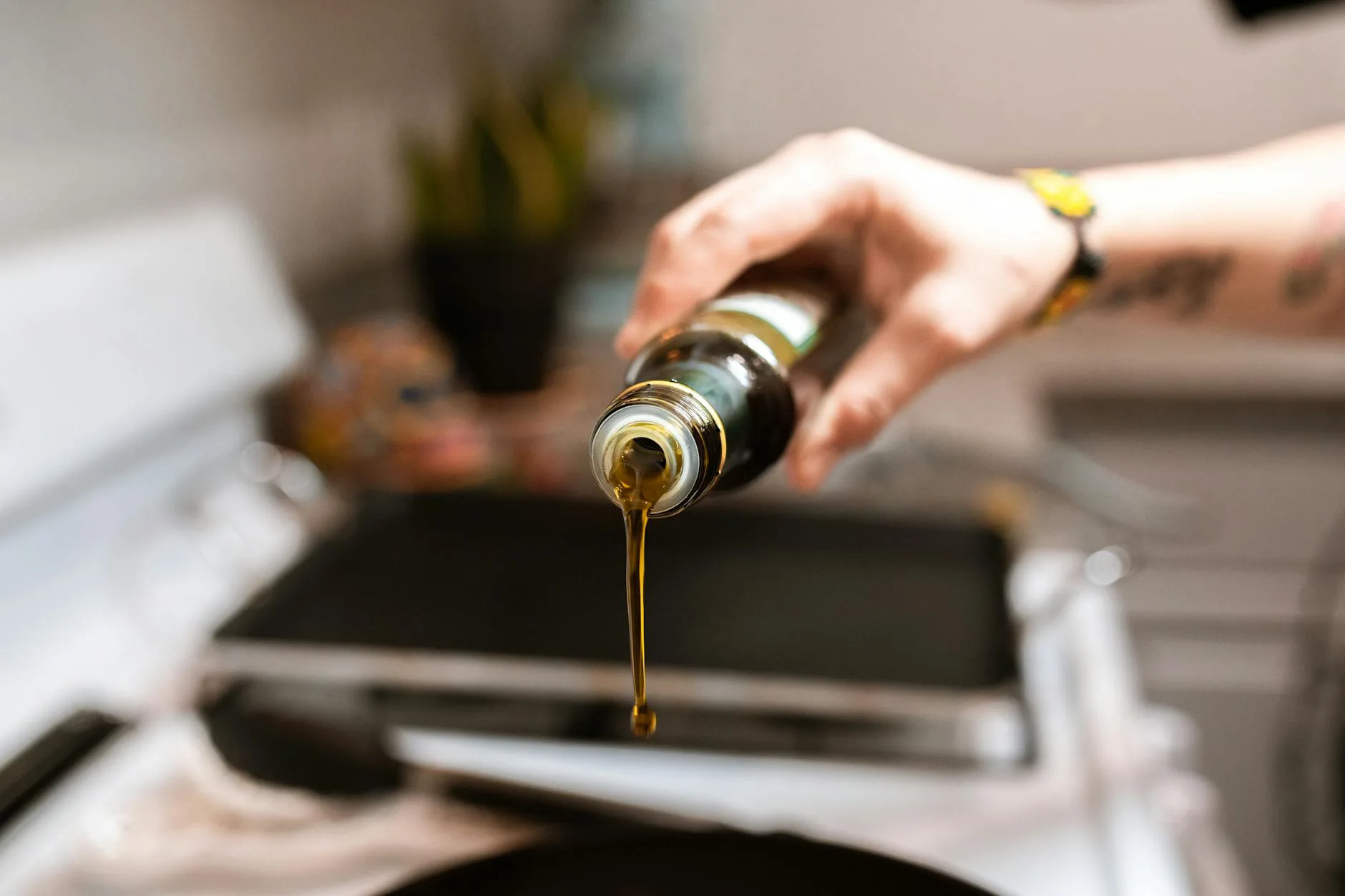
Choose Your Oil Wisely
When you do use oil, make it count:
- Extra virgin olive oil — high in antioxidants and monounsaturated fats, stable at air fryer temperatures for most foods
- Rapeseed oil — neutral flavour, good omega-3 content, high smoke point
- Avocado oil — highest smoke point, excellent for high-temperature air frying
- Avoid: butter (burns at air fryer temperatures), coconut oil (high in saturated fat), and sunflower oil in excess
Don’t Overcook
- Aim for golden, not dark brown. This applies to everything starchy — chips, toast, roast potatoes. The darker it goes, the more acrylamide forms
- Check food early. Air fryers cook faster than most people expect, especially with smaller portions. Better to check at the 10-minute mark than discover charcoal at 20 minutes
- Shake or flip halfway through. This ensures even cooking and prevents hotspots that lead to burning on one side
Cook More Vegetables
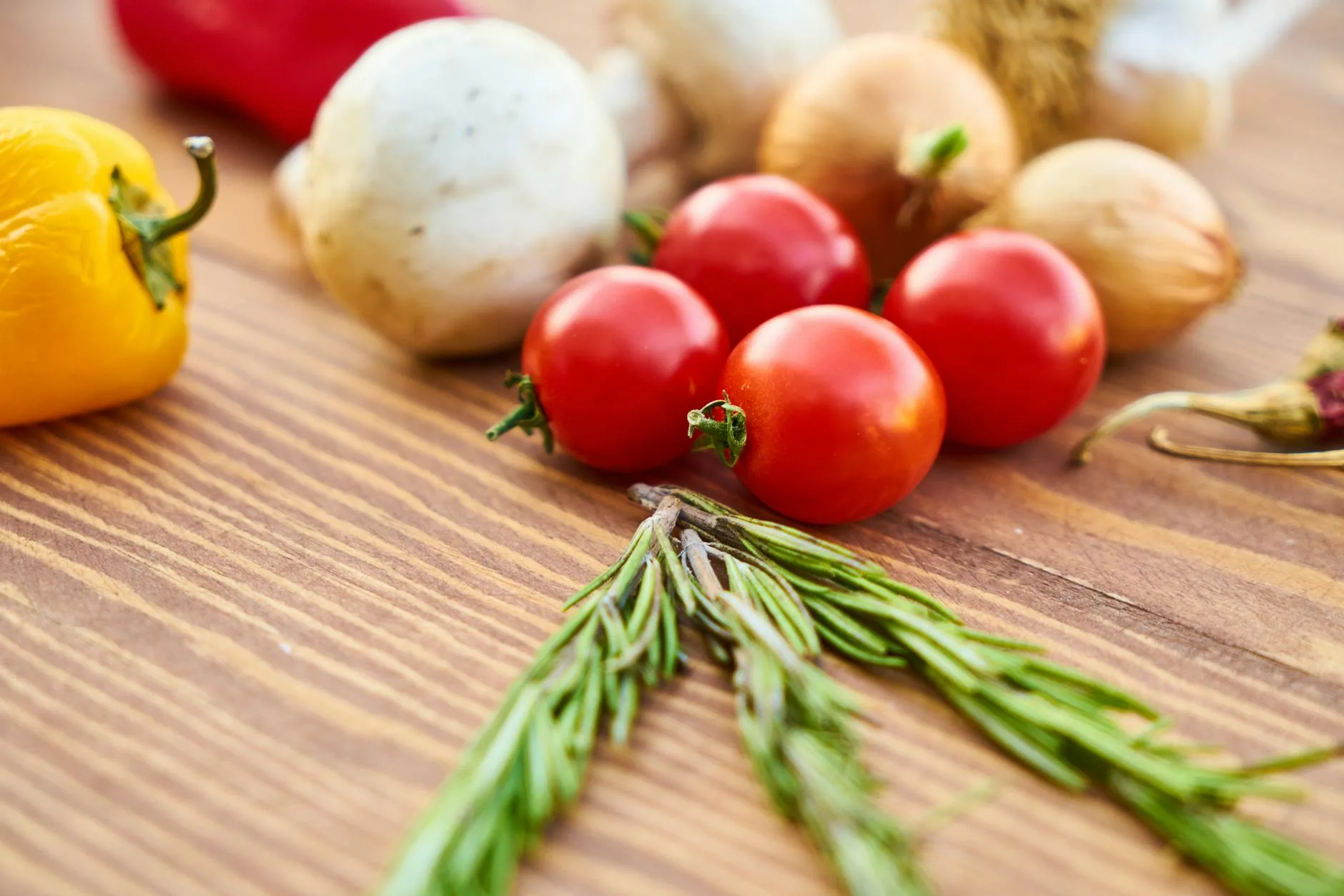
The healthiest thing an air fryer does isn’t making chips with less oil — it’s making vegetables taste amazing with minimal effort. Broccoli, cauliflower, courgettes, peppers, and aubergine all develop brilliant flavour and texture in an air fryer with just a light spray of oil, salt, and pepper. After months of air frying vegetables alongside the usual chips, the veg drawer in the fridge empties noticeably faster — which feels like the best health outcome an appliance has ever delivered.
Mind Your Portions
- The air fryer basket is a natural portion limiter. Don’t overfill it — overcrowding reduces air circulation, which means uneven cooking and the temptation to add more oil
- Cook what you’ll eat in one sitting. Air-fried food doesn’t reheat well (it goes soggy), which is actually a good thing for portion control
Use It as a Gateway
The real health benefit of owning an air fryer might be behavioural rather than nutritional. From personal experience — and consistent with what other air fryer owners report — cooking at home more and ordering less takeaway is the single biggest change. Home cooking — regardless of method — is almost always healthier than restaurant or takeaway food because you control the ingredients, portions, and cooking methods. If your air fryer means you make chips at home instead of ordering a kebab with chips from the local takeaway, that’s a net positive for your health. For recipe ideas to get you started, check our air fryer recipes for beginners.
Keep reading on KitchenGearUK: Air Fryer Accessories Worth Buying (And Ones to Skip), Ninja vs Philips vs Cosori Air Fryers: Which Is Best?, How to Clean an Air Fryer Properly, Best Air Fryer Ovens 2026 UK: Multi-Function Cooking.
Frequently Asked Questions
Are air fryers healthier than ovens? For most foods, air fryers and ovens produce very similar results in terms of fat and calorie content. Air fryers have a slight edge because shorter cooking times preserve marginally more nutrients, and the convenience means you’re more likely to cook at home. The difference between the two is small — both are much healthier than deep frying.
Do air fryers cause cancer? Air fryers produce acrylamide when cooking starchy foods at high temperatures — but so does every other method that browns food, including oven baking, toasting, and grilling. The Food Standards Agency recommends cooking to a golden colour rather than dark brown to minimise acrylamide. Air fryers are not uniquely risky.
Can you cook without any oil in an air fryer? Yes. Many foods — especially those with natural fat like chicken thighs, sausages, and salmon — cook perfectly in an air fryer with no added oil. Leaner items and vegetables benefit from a light spray of oil for texture and flavour, but it’s not essential for cooking.
Is air-fried food as crispy as deep-fried? Close, but not identical. Air-fried food achieves about 85-90% of the crispiness of deep-fried food. Items with a light coating (breadcrumbs, seasoned flour) come closest. For most people, the difference is negligible — especially once you factor in the massive reduction in fat and calories.
How much healthier are air-fried chips than deep-fried chips? Air-fried chips contain roughly 50-75% less fat and 30-40% fewer calories than deep-fried chips. A 200g serving of air-fried chips has approximately 280 calories and 8g fat, compared to about 490 calories and 24g fat for the same portion deep fried.