You’ve decided to buy a stand mixer. You’ve read the reviews, narrowed it down to three brands, and now you’re staring at a KitchenAid, a Kenwood, and a Smeg wondering which one deserves counter space in your kitchen. They all look beautiful. They all cost between £300 and £500. And the internet is full of people insisting that their brand is the only one worth buying while the other two are overpriced rubbish.
Here’s the truth: all three make excellent stand mixers. None of them is a bad purchase. But they’re designed with different priorities, and the right choice depends on what you actually do in your kitchen — not which one looks best on Instagram. We’ve used all three extensively, and this head-to-head covers the real differences that matter: mixing power, bowl capacity, attachments, build quality, and whether the price premium on any of them is justified.
In This Article
- The Quick Verdict
- KitchenAid Artisan: The Icon
- Kenwood Chef XL: The Workhorse
- Smeg SMF02: The Showpiece
- Mixing Power and Performance
- Bowl Capacity and Practical Use
- Attachments and Expandability
- Build Quality and Durability
- Design and Kitchen Aesthetics
- Price Comparison and Value
- Which Should You Buy?
- Frequently Asked Questions
The Quick Verdict
- Best for serious bakers: Kenwood Chef XL — more power, bigger bowl, better at heavy doughs
- Best all-rounder for most kitchens: KitchenAid Artisan — iconic design, solid performance, widest colour range
- Best for design-conscious kitchens: Smeg SMF02 — retro-gorgeous, competent mixer, but you’re paying a premium for the look
Now let’s get into why.
KitchenAid Artisan: The Icon
Price: About £400-450
Motor: 300W
Bowl: 4.8 litre tilt-head
Weight: 10.3 kg
Colours: 40+
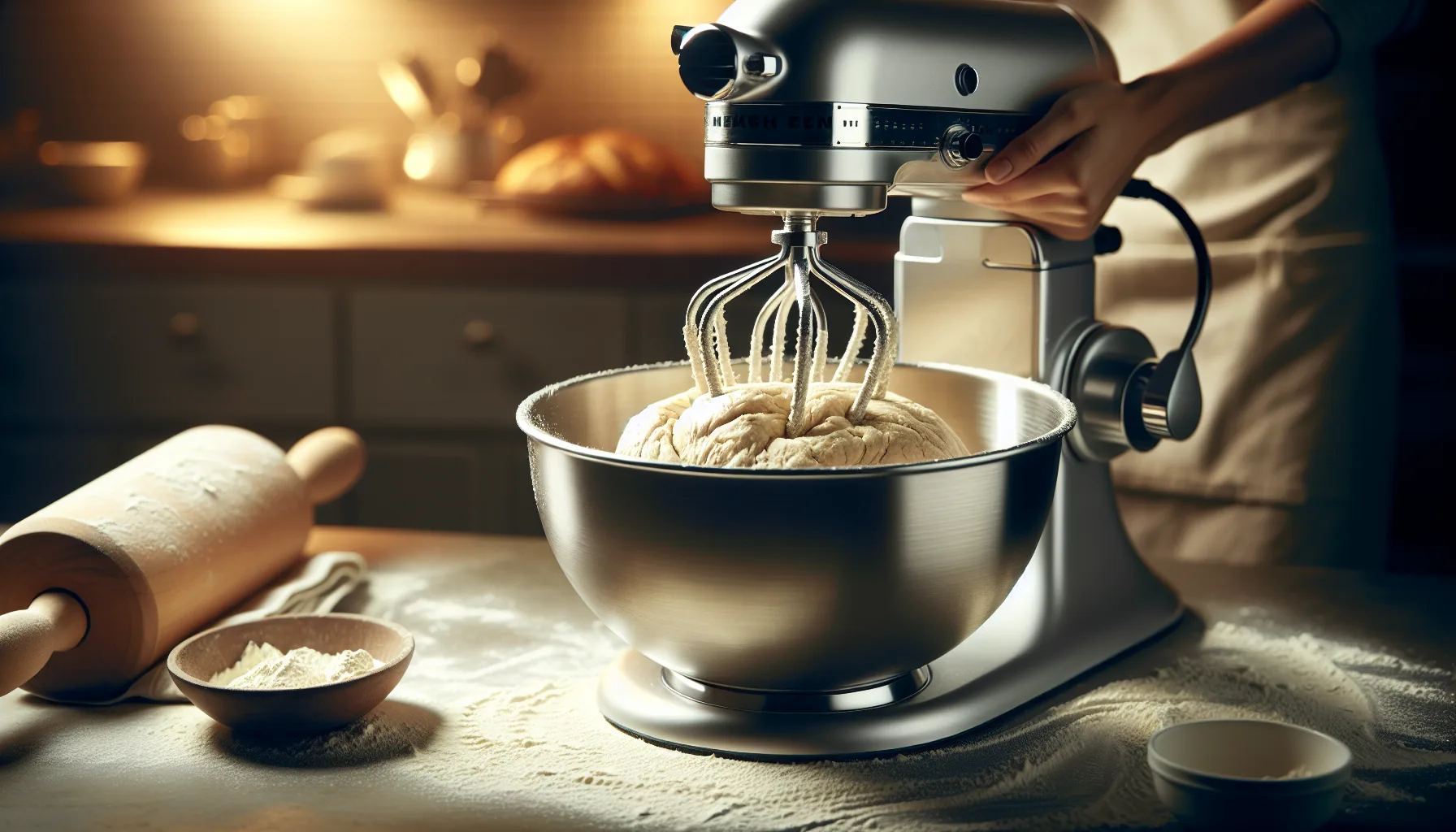
The KitchenAid Artisan is the stand mixer most people picture when they think of stand mixers. It’s been around since 1937, and the silhouette hasn’t changed much since — because it didn’t need to. The tilt-head design is intuitive (tip the head back to access the bowl), the die-cast metal body feels indestructible, and the 4.8-litre bowl handles most home baking tasks comfortably.
What It Does Well
The planetary mixing action — where the beater orbits around the bowl while spinning on its own axis — is KitchenAid’s signature. It reaches every part of the bowl without scraping, which means consistent mixing with fewer stops to scrape down the sides. For cake batters, buttercream, and meringues, the results are excellent. The whisk attachment creates stiff peaks in egg whites in about 3 minutes.
We’ve used the Artisan for weekly bread making over six months. It handles standard white and wholemeal doughs (up to about 750g of flour) without complaint. The motor works hard — you can hear it labouring — but it gets the job done. For enriched doughs like brioche or challah, it manages but needs rest breaks every few minutes to avoid overheating.
Where It Falls Short
The 300W motor is the weakest of the three. For heavy bread doughs, particularly those with high hydration or lots of inclusions (nuts, fruit, chocolate chips), the Artisan occasionally struggles. The tilt-head design also means the head can wobble slightly under heavy loads, though the locking mechanism prevents it from actually lifting.
The 4.8-litre bowl is adequate for most tasks but tight if you’re doubling recipes or making large batches of dough. KitchenAid offers a bowl-lift version (the Professional 600 series) with a bigger bowl and stronger motor, but it costs £100-150 more.
Kenwood Chef XL: The Workhorse
Price: About £350-400
Motor: 1200W
Bowl: 6.7 litre bowl-lift
Weight: 8.5 kg
Colours: 5-8
The Kenwood Chef has been the British kitchen standard since 1950 — invented in Woking, Surrey, and still designed in the UK. The Chef XL is the current flagship, and it’s a very different proposition from the KitchenAid: more power, bigger bowl, lighter body, and a focus on capability over aesthetics.
What It Does Well
That 1200W motor is in a different league. It powers through heavy bread doughs — sourdough, rye, high-hydration ciabatta — without flinching. Where the KitchenAid sounds like it’s working hard, the Kenwood barely changes tone. The 6.7-litre bowl is enormous, easily handling double batches of cake batter or a full kilogram of bread dough with room to spare.
The bowl-lift mechanism (the bowl raises up to the beaters rather than the head tilting back) is more stable under heavy loads than the KitchenAid’s tilt-head. For bread making, this stability matters — there’s no wobble at all, even at high speeds with stiff dough.
I made the Christmas cake last year in the Kenwood — a recipe that calls for 2 kg of fruit, 600g of flour, and a lot of butter. The KitchenAid would have needed two batches. The Kenwood did it in one, comfortably.
Where It Falls Short
The design is utilitarian. There’s no polite way to say this: the Kenwood Chef XL looks like a kitchen appliance, not a design object. The colour options are limited (silver, black, white, and a few seasonal specials) and the body is plastic-clad rather than the KitchenAid’s die-cast metal. It does the job brilliantly but it won’t make your kitchen Instagram-worthy.
The attachment fitting is a front-mounted screw drive. It works fine, but swapping attachments is slightly fiddlier than the KitchenAid’s simple hub connection. Not a dealbreaker, but noticeable if you change attachments frequently.
Smeg SMF02: The Showpiece
Price: About £400-470
Motor: 800W
Bowl: 4.8 litre tilt-head
Weight: 9.5 kg
Colours: 10-15
The Smeg is the mixer people buy because they want their kitchen to look like a 1950s Italian café. And fair play to them — mission accomplished. The retro curves, chrome trim, and pastel colours are stunning. Every colour Smeg offers — from the iconic pastel blue to rose gold to matte black — looks like it belongs in a design magazine.
What It Does Well
The 800W motor is a noticeable step up from the KitchenAid’s 300W, giving it genuine capability for bread doughs and heavy batters. The mixing action is smooth, the speed dial has 10 settings with a gentle start function (prevents flour explosions when you first turn it on), and the build quality is solid — all-metal body with enamelled finish.
For standard baking — cakes, biscuits, meringues, buttercream — the Smeg performs on par with the KitchenAid and only slightly behind the Kenwood. The gentle start function is a genuinely useful feature that both competitors lack (the KitchenAid’s lowest speed still sends flour flying if you’re not careful).
Where It Falls Short
The 4.8-litre bowl is the same size as the KitchenAid’s — adequate but not generous. The attachment range is smaller than both competitors. Smeg offers a pasta roller, food processor, and blender attachment, but the Kenwood and KitchenAid ecosystems are broader and more established.
The price is the main issue. At £400-470, the Smeg costs the same as or more than both competitors, and while the 800W motor is decent, it doesn’t match the Kenwood’s 1200W. You’re paying a Kenwood-beating price for KitchenAid-level performance, with the premium going entirely toward design. If that trade-off works for you, the Smeg is lovely. If you want maximum capability per pound, it’s not the rational choice.
Mixing Power and Performance
Motor Wattage in Context
- KitchenAid Artisan: 300W — sufficient for light-to-medium baking, labours with heavy doughs
- Smeg SMF02: 800W — handles most tasks comfortably, including bread
- Kenwood Chef XL: 1200W — powers through everything without effort
Wattage isn’t the whole story — gear ratio, planetary action efficiency, and bowl design all affect real-world performance. But the Kenwood’s power advantage is noticeable in practice, not just on paper. For bread making specifically, the Kenwood is the clear winner.
The Bread Test
We made the same 500g white bread dough (500g flour, 325ml water, 7g yeast, 10g salt) in all three mixers using the dough hook at medium speed:
- KitchenAid: 10 minutes to develop gluten fully. Motor warm to the touch afterwards. Slight wobble at the tilt-head
- Kenwood: 7 minutes to the same windowpane test. Motor barely warm. Zero movement
- Smeg: 8 minutes. Motor warm but not hot. Slight vibration on the counter at higher speeds
For cakes and whipping, the differences are smaller — all three produce excellent results with batters and meringues.
Bowl Capacity and Practical Use
- KitchenAid Artisan: 4.8 litres — handles up to about 900g of flour in a bread recipe, or a double batch of cupcake batter
- Smeg SMF02: 4.8 litres — identical practical capacity to the KitchenAid
- Kenwood Chef XL: 6.7 litres — handles up to 1.3 kg of flour, or triple batches of biscuit dough
If you regularly bake for large groups, make Christmas cakes, or batch-prepare dough for the freezer, the Kenwood’s extra capacity saves you from running multiple batches. For a household that bakes weekly in normal quantities, 4.8 litres is fine. Our guide to mixer bowl sizes goes deeper on this.
Attachments and Expandability
This is where KitchenAid and Kenwood pull ahead of Smeg.
KitchenAid Attachment Hub
The front-mounted power hub accepts over 15 official attachments — pasta roller, pasta cutter, meat grinder, spiraliser, ice cream maker, grain mill, and more. Third-party attachments expand this further. The hub connection is simple: slide in, lock, done. The KitchenAid ecosystem is the widest available for any stand mixer.
Kenwood Attachment Drives
The Kenwood has three attachment points: a high-speed outlet (for blenders and food processors), a low-speed drive (for pasta rollers and meat grinders), and the main bowl drive. This gives it slightly more versatility than the KitchenAid in theory, though in practice most people use 2-3 attachments regularly. The Kenwood pasta roller attachment is excellent — we’ve made bread and pasta with it extensively.
Smeg Attachments
A smaller but growing range: pasta roller, food processor, blender, citrus juicer, ice cream maker. Quality is good but availability is spottier than KitchenAid or Kenwood — some attachments go in and out of stock.
Build Quality and Durability
KitchenAid
Die-cast zinc alloy body. This thing is heavy (10.3 kg) and feels like it would survive being dropped off a counter. The enamel finish chips if you bang it hard, but the underlying metal is virtually indestructible. KitchenAid mixers routinely last 15-25 years. Parts are widely available. Your mum probably has one that still works.
Kenwood
Metal and high-quality plastic construction. Lighter than the KitchenAid (8.5 kg) but equally durable in practice. The motor is well-protected and the gearbox is built to handle sustained heavy use. Kenwood mixers also last 15-20 years with normal care. Service centres are throughout the UK.
Smeg
All-metal body with enamel finish. Build quality is on par with the KitchenAid — solid, heavy, well-made. The finish is beautiful but shows fingerprints on darker colours (matte black is the worst offender). Long-term durability data is more limited since the Smeg mixer line is newer than its competitors, but early indications are positive.
Design and Kitchen Aesthetics
If appearance matters to you — and for a £400+ appliance that lives permanently on your counter, it should — here’s the honest comparison.
KitchenAid
The most iconic design. The rounded, art-deco-inspired silhouette is recognised worldwide. Over 40 colours means you can match any kitchen scheme. The die-cast body looks expensive because it is. Limited editions and seasonal colours (Hibiscus, Pistachio, Dried Rose) add collectibility.
Kenwood
Functional. The Chef XL prioritises capability over beauty. The silver and black options look professional in a modern kitchen but won’t turn heads. If your kitchen is a workspace first and a showroom second, the Kenwood fits. If you want something guests comment on, look elsewhere.
Smeg
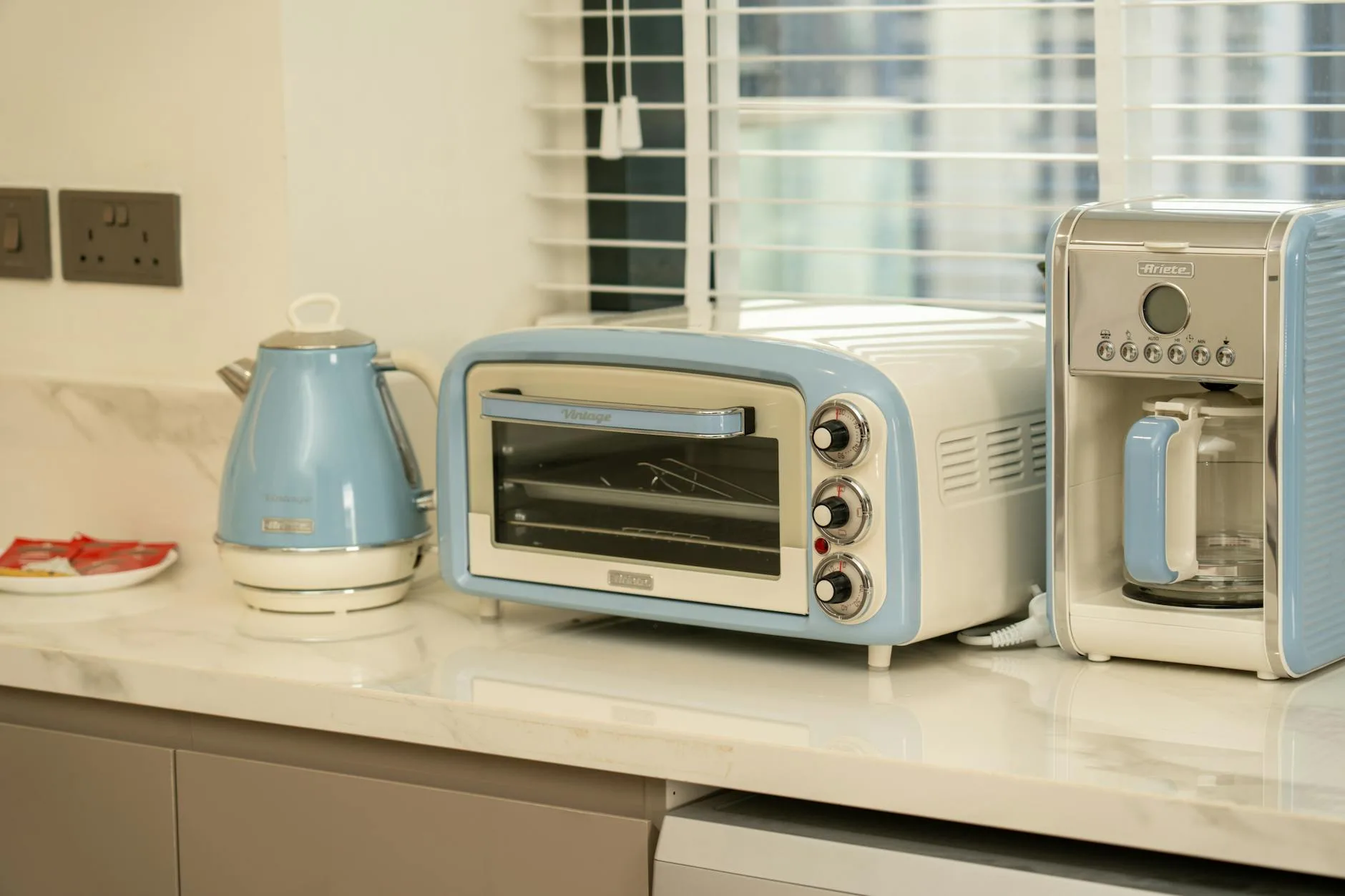
The winner here, if retro Italian design is your thing. The 50s aesthetic, chrome trim, and pastel colour palette make the Smeg the most photogenic mixer available. It coordinates beautifully with Smeg’s matching toaster, kettle, and espresso machine. If you’re building a design-led kitchen, the Smeg range is unmatched.
According to Which?’s stand mixer reviews, all three brands consistently score well in testing, with the main differentiators being power for heavy doughs and the range of available attachments.
Price Comparison and Value
- Kenwood Chef XL: £350-400 — best value. Most power, biggest bowl, lowest price
- KitchenAid Artisan: £400-450 — mid-range. Iconic design, solid performance, wide attachment range
- Smeg SMF02: £400-470 — highest price for mid-range performance. You’re paying for the design
Where to Buy in the UK
All three are available from John Lewis, Currys, Lakeland, Amazon UK, and direct from each brand. John Lewis offers the best warranty terms (2 years as standard, often with price-match). Lakeland frequently runs sales and bundle deals on KitchenAid. Amazon has the widest colour selection for KitchenAid but availability fluctuates.
Which Should You Buy?
Buy the Kenwood Chef XL If:
- Bread is a priority — the 1200W motor handles any dough
- You bake in large quantities — the 6.7-litre bowl is generous
- Value matters more than design — the best performance per pound
- You want a reliable workhorse — British-designed, built to last
Buy the KitchenAid Artisan If:
- You want the best all-rounder — solid at everything, exceptional at nothing
- Colour choice matters — 40+ colours to match any kitchen
- You’ll use lots of attachments — the widest ecosystem available
- You value iconic design — it’s been a kitchen icon for 90 years for good reason
Buy the Smeg SMF02 If:
- Kitchen aesthetics are a top priority — nothing else looks this good
- You already own Smeg appliances — the matching range is cohesive
- Your baking is light-to-medium — cakes, biscuits, meringues rather than heavy bread
- You’re happy paying a design premium — the performance doesn’t justify the price alone, but the total package might
Keep reading on KitchenGearUK: Stand Mixer Bread Recipes: From Sourdough to Brioche, Planetary vs Spiral Mixers: What’s the Difference?, How to Make Pasta with a Stand Mixer: Dough to Shapes, Stand Mixer Attachments Explained: What Each One Does.
Frequently Asked Questions
Is the KitchenAid Artisan powerful enough for bread? Yes, for standard white and wholemeal bread with up to about 750g of flour. It works hard and the motor gets warm, but it produces good results. For heavy doughs (sourdough, rye, enriched brioche), the Kenwood’s 1200W motor is noticeably more comfortable. If bread is your main reason for buying a mixer, go Kenwood.
Are KitchenAid and Kenwood attachments interchangeable? No. Each brand uses proprietary attachment connections. KitchenAid attachments only fit KitchenAid mixers, and Kenwood attachments only fit Kenwood models. Third-party brands make compatible attachments for both, but cross-brand swapping isn’t possible.
How long do stand mixers last? All three brands typically last 15-20+ years with normal home use. KitchenAid and Kenwood have the longest track records. Replacement parts (beaters, bowls, seals) are readily available for all three. The most common repair is replacing worn brushes or gears after 10-15 years — a £30-60 service rather than a full replacement.
Is the Smeg just a pretty face? No — it’s a genuinely capable mixer. The 800W motor handles most baking tasks well, and the build quality matches the KitchenAid. But you are paying a £50-100 premium primarily for the design. If that premium bothers you, the Kenwood offers more capability for less money. If the design brings you joy every time you walk into your kitchen, the Smeg delivers something the others don’t.
Can I buy a refurbished stand mixer? KitchenAid sells certified refurbished Artisans through their official outlet at about 20-30% off retail. eBay and Facebook Marketplace have second-hand options — check the serial number age and test all speeds before buying. Kenwood refurbished units appear less frequently but are good value when available.