Your parents had a filter coffee machine in the 1990s. It sat on the kitchen worktop next to the toaster, brewed a full jug of thin, slightly burnt coffee every morning, and nobody thought twice about it. Then Nespresso arrived, bean-to-cup machines got affordable, and suddenly filter coffee was the thing your nan drank at the garden centre. But something has shifted. Speciality coffee shops are serving pour-over and batch brew. Baristas are talking about Moccamasters and Ratio machines. Your colleague who used to be insufferable about his espresso setup just bought a filter brewer. Filter coffee is back — and this time it is actually good.
For the wider coffee-machine decision, read Coffee Machine Types Explained: Bean-to-Cup, Pod, Filter & Espresso and Best Pod Coffee Machines 2026 UK: Nespresso & Dolce Gusto.
For broader appliance planning, see Kitchen Gadgets That Are Actually Worth the Drawer Space.
In This Article
- Why Filter Coffee Is Having a Moment
- How Filter Coffee Machines Work
- Filter vs Espresso vs Pod: What Is the Difference
- What to Look For in a Filter Coffee Machine
- Best Filter Coffee Machines in the UK
- The Grinder Question
- Water Temperature and Brew Time
- Beans for Filter Coffee
- Common Filter Coffee Mistakes
- The Environmental Angle
- Frequently Asked Questions
Why Filter Coffee Is Having a Moment
The Speciality Coffee Wave
The third wave coffee movement — the one that brought flat whites, single-origin beans, and latte art to every UK high street — has been quietly championing filter coffee for years. Shops like Origin, Assembly, and Square Mile have always offered pour-over alongside espresso, and customers have started noticing that a well-brewed filter coffee tastes completely different from the watery stuff they remember.
Cost of Living Pressures
A Nespresso habit costs roughly £300-400 per year in capsules for a two-cup-a-day household. A bean-to-cup machine uses about £200 worth of beans annually. A filter machine uses the same beans but extracts more coffee per gram — a 250g bag stretches further because the brew ratio is more efficient. Over a year, filter saves most households £100-150 compared to pods.
Simplicity Appeal
After years of descaling espresso machines, troubleshooting bean-to-cup grinders, and recycling aluminium capsules, some people just want to put grounds in a basket, press a button, and come back to a jug of hot coffee. Filter machines have almost no moving parts, need minimal maintenance, and last for years. There is something appealing about that simplicity when every other kitchen appliance seems to need an app.
Better Beans, Better Results
The quality of coffee beans available to UK consumers has improved enormously. Supermarkets stock single-origin beans from Lavazza, Union, and Taylors. Online roasters like Pact, Hasbean, and Square Mile ship freshly roasted beans to your door. When the beans are good, a filter machine produces coffee that highlights their character rather than drowning it in milk and pressure — which is what espresso does by design.
How Filter Coffee Machines Work
The Basic Process
A filter coffee machine heats water to between 92°C and 96°C, drips it through a bed of ground coffee held in a paper or metal filter, and collects the brewed coffee in a carafe or jug below. The whole process takes 4-8 minutes depending on the volume.
Why Drip Brewing Works
Drip brewing extracts flavour from coffee grounds by sustained contact. Unlike espresso (which forces water through grounds under 9 bars of pressure in 25-30 seconds), filter brewing uses gravity and time. The slower extraction pulls out more of the subtle flavour compounds — fruit notes, floral aromatics, chocolate undertones — that get overwhelmed by the intensity of espresso.
Paper vs Metal Filters
- Paper filters — absorb coffee oils and fine particles, producing a cleaner, lighter cup. Most filter machines use paper filters. They are cheap (about £5 for 100) and disposable.
- Metal/gold-tone filters — allow oils to pass through, producing a fuller-bodied cup with more texture. Permanent metal filters are reusable but need rinsing after every brew. The taste difference is real — metal filters give a richer mouthfeel, paper filters give a crisper, brighter cup.
Filter vs Espresso vs Pod: What Is the Difference
Taste Profile
- Filter — clean, nuanced, less intense. You can taste individual flavour notes in the beans. Best drunk black or with a small splash of milk. A good filter coffee should not need sugar.
- Espresso — concentrated, intense, thick crema. The foundation for milk-based drinks (lattes, cappuccinos, flat whites). Bold and punchy but can mask subtlety.
- Pod — varies wildly by capsule. The best pods (Nespresso Vertuo, speciality brands) are decent. The worst are bitter, stale, and one-dimensional. Convenience is the selling point, not quality.
For a full breakdown of machine types, see our coffee machine types guide.
Cost per Cup
Working from a £10/kg ground coffee or equivalent whole bean cost:
- Filter coffee — about 8-10p per cup
- Espresso (home machine) — about 12-15p per cup (higher dose per shot)
- Pod coffee — 25-40p per cup depending on brand
Maintenance
- Filter machine — rinse the carafe, replace the paper filter. Monthly descale with citric acid. That is it.
- Espresso machine — daily cleaning cycle, weekly backflush, monthly descale, occasional gasket replacement. Grinder calibration.
- Pod machine — empty the capsule tray, monthly descale. Simple but you are locked into buying branded capsules.
What to Look For in a Filter Coffee Machine
Brew Temperature
This is the single most important specification, and it is the one that separates good filter machines from bad ones. The Speciality Coffee Association recommends water temperature between 92°C and 96°C for optimal extraction. Cheap machines often heat water to only 85-88°C, which under-extracts the grounds and produces weak, sour coffee.
SCA Certification
The SCA (Speciality Coffee Association) certifies machines that meet their brewing standards for temperature, contact time, and extraction percentage. An SCA-certified machine is not a marketing gimmick — it means the machine has been independently tested and proven to brew coffee correctly. There are not many SCA-certified home machines, but they include the Moccamaster, the Ratio Six, and the Sage Precision Brewer.
Thermal vs Hot Plate Carafe
- Thermal carafe — insulated stainless steel jug that keeps coffee hot for 1-2 hours without continued heating. Coffee quality stays good because it is not being cooked on a hot plate. Always choose thermal if available.
- Hot plate/glass carafe — glass jug that sits on a heated plate. Keeps coffee warm but continues to cook it, degrading flavour within 20-30 minutes. The burnt taste you associate with 1990s filter coffee was usually caused by the hot plate, not the brewing.
Capacity
Most home filter machines brew 10-12 cups (1.25-1.5 litres). If you drink one or two cups, you will brew more than you need — though a good thermal carafe keeps the rest fresh. Some machines offer half-jug or small-batch settings that adjust the brew time and water distribution for smaller quantities.
Showerhead Design
The showerhead is the component that distributes water over the coffee grounds. A single drip point wets the grounds unevenly, leading to inconsistent extraction. A proper showerhead sprays water in a wide, even pattern across the entire bed of grounds. This is another area where cheap machines cut corners.
Best Filter Coffee Machines in the UK
The Gold Standard: Moccamaster KBG Select
About £230 from John Lewis, Selfridges, or direct from Moccamaster. This Dutch-made machine is the benchmark against which everything else is measured. SCA-certified, copper heating element that reaches 92-96°C in under a minute, beautiful showerhead design, thermal carafe option, and a 5-year warranty. It comes in about 30 colours, which is either brilliant or ridiculous depending on your personality.
The Moccamaster brews a full jug in 5.5 minutes and produces coffee that is clean, bright, and lets the beans speak. It looks good on a worktop, sounds quiet, and will still be working perfectly when your children leave home. The only downside is the price — £230 is steep for a filter machine. But you are paying for engineering and longevity, not marketing.
Best Value: Melitta AromaFresh II
About £100 from Amazon UK or Currys. A filter machine with a built-in grinder — it grinds beans and brews automatically, which is rare at this price. The grinder is basic (3 grind settings) but functional. The brew temperature reaches 93°C, which is good enough. The thermal carafe keeps coffee hot for an hour. Not as refined as the Moccamaster, but at less than half the price with a built-in grinder, it is remarkable value.
Budget Pick: Russell Hobbs Buckingham
About £35 from Argos or Amazon UK. No, it is not SCA-certified. The brew temperature is lower than the premium machines (around 90°C). But it works, it is reliable, and it makes coffee that is better than any pod machine at a fraction of the cost. The glass carafe with hot plate will overcook your coffee if you leave it for more than 20 minutes, so pour what you need and switch it off. For someone testing whether they like filter coffee before investing in a Moccamaster, this is the sensible starting point.
Premium Pick: Sage Precision Brewer
About £280 from Sage, John Lewis, or Lakeland. This is for the person who wants control. Six pre-set brew modes (gold cup, fast, strong, iced, cold brew, and my brew), adjustable temperature, adjustable bloom time, and both flat-bottom and cone filter baskets. SCA-certified and capable of producing exceptional coffee. The learning curve is steeper than a Moccamaster — you have decisions to make rather than just pressing a button — but the flexibility rewards experimentation.
The Grinder Question
Pre-Ground vs Freshly Ground
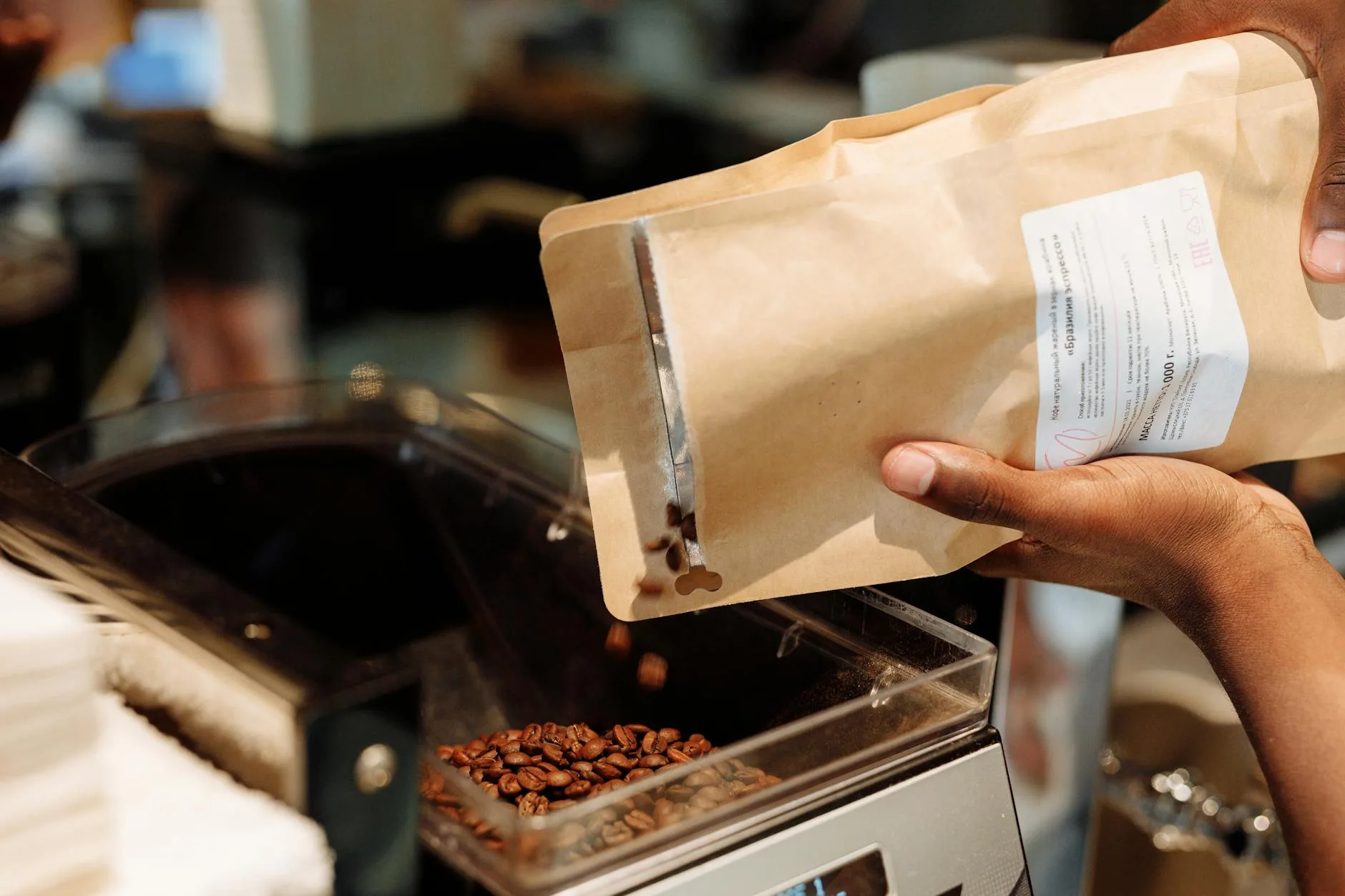
Coffee starts losing flavour within 15-30 minutes of being ground. Pre-ground coffee from a supermarket was ground days or weeks ago. The difference between pre-ground and freshly ground is the single biggest quality improvement you can make — bigger than upgrading your machine.
Do You Need a Separate Grinder?
If you buy the Melitta AromaFresh (which has a built-in grinder) or the Sage Precision Brewer (which can pair with the Sage Smart Grinder), you do not need a separate unit. For any other filter machine, yes — a decent burr grinder transforms the results.
Best Grinders for Filter Coffee
- Wilfa Svart — about £100. The go-to grinder for filter coffee in the UK. Flat burrs, consistent grind, minimal retention. Designed specifically for filter brewing with a clear grind-size dial.
- Timemore C2 (hand grinder) — about £55. Excellent for one or two cups. Takes 30-45 seconds of manual grinding per cup. The grind quality rivals electric grinders costing twice as much, but you are doing the work yourself.
- Baratza Encore ESP — about £140 from Bella Barista or Coffee Hit. Conical burrs, 40 grind settings, reliable motor. The ESP version is calibrated finer for espresso but works perfectly for filter at the coarser settings.
Filter Grind Size
For drip filter machines, you want a medium grind — roughly the texture of table salt. Too fine and the water passes through too slowly, over-extracting and producing bitter coffee. Too coarse and the water runs through too quickly, under-extracting and tasting sour and weak.
Water Temperature and Brew Time
The Extraction Window
Coffee extraction is a balance. Under-extract (water too cool, contact time too short, grind too coarse) and you get sour, thin, underwhelming coffee. Over-extract (water too hot, contact time too long, grind too fine) and you get bitter, harsh, astringent coffee.
Ideal Parameters
- Water temperature: 92-96°C. Below 90°C is too cool for proper extraction. Above 98°C starts extracting bitter compounds.
- Brew time: 4-6 minutes for a full jug. If your machine brews faster than 4 minutes, the water is flowing through too quickly (grind finer). If it takes longer than 8 minutes, the grind is too fine and is blocking flow.
- Brew ratio: 60-70g of coffee per litre of water. Start with 60g/L and adjust to taste — more coffee for stronger, less for lighter.
The Bloom
When hot water first hits fresh coffee grounds, CO2 trapped in the beans from roasting escapes as bubbles. This is the bloom, and it is a good sign — it means your beans are fresh. Some premium machines (Sage Precision Brewer, Moccamaster with manual pause) allow you to pre-wet the grounds and let them bloom for 30-45 seconds before continuing the brew. This improves extraction evenness and is worth doing if your machine supports it.
Beans for Filter Coffee
Roast Level Matters
Filter coffee works best with light to medium roasts. Dark roasts — the oily, almost black beans that dominate supermarket shelves — are designed for espresso, where the intense pressure extracts thick, syrupy shots. Put those same dark roasts through a filter machine and you get bitter, ashy, one-note coffee.
Light and medium roasts retain more of the bean’s origin character. A light-roast Ethiopian Yirgacheffe through a filter machine tastes like blueberries and jasmine. The same bean dark-roasted tastes like charcoal.
Where to Buy Good Filter Beans in the UK
- Square Mile — London-based, outstanding quality, roasted fresh to order. About £10-14 per 250g.
- Pact Coffee — subscription service that delivers freshly roasted beans fortnightly. Good variety, about £8-10 per 250g.
- Hasbean — huge range of single-origin and blend options. About £7-12 per 250g.
- Union Coffee — widely available in Waitrose and Ocado. Their Revelation espresso blend actually works well as a filter coffee despite the name.
- Taylors of Harrogate — available everywhere (Tesco, Sainsbury’s, Ocado). Their Rich Italian is technically an espresso roast, but the Lazy Sunday blend is specifically designed for filter and it is very good for a supermarket bean at about £5 per 227g.
Freshness
Buy whole beans and grind them yourself. If you must buy pre-ground, use it within two weeks of opening. Store in an airtight container away from light and heat — not in the fridge (moisture degrades coffee) and not next to the hob.
Common Filter Coffee Mistakes
Using the Wrong Grind
Pre-ground espresso coffee in a filter machine produces bitter, over-extracted sludge. Pre-ground filter coffee in an espresso machine produces thin, sour shots. Grind size matters — use medium for filter, fine for espresso. If you are buying pre-ground, check the label specifies “filter” or “cafetière” grind.
Leaving Coffee on the Hot Plate
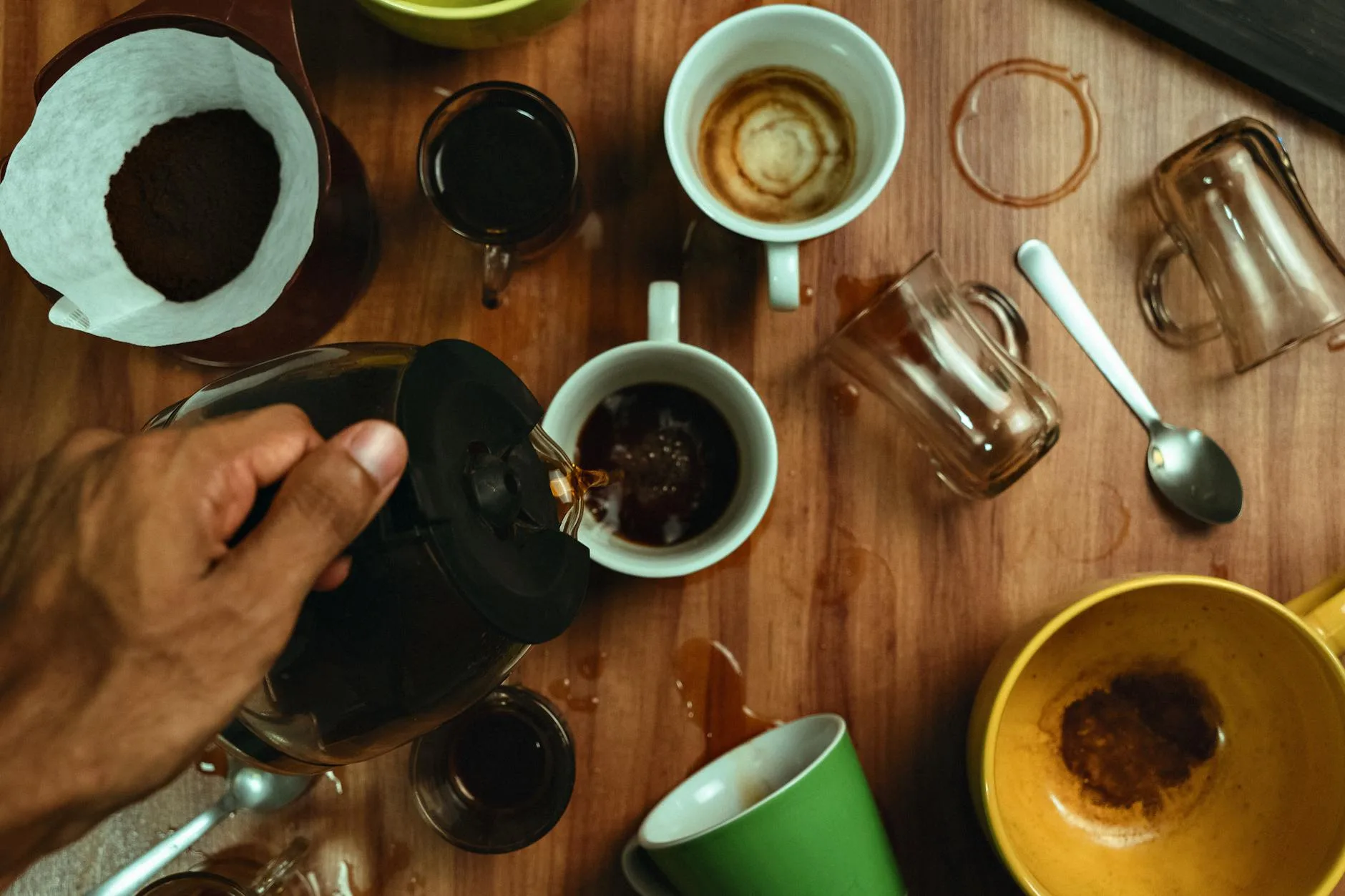
If your machine has a glass carafe and hot plate, pour your coffee within 15-20 minutes of brewing and switch the plate off. Coffee left cooking on a hot plate develops that burnt, acrid taste that gave filter coffee a bad reputation in the first place. Better yet, buy a machine with a thermal carafe and avoid the problem entirely.
Not Cleaning the Machine
Mineral deposits from hard water (common across much of southern England) build up inside the machine and reduce water temperature and flow rate. Descale monthly with citric acid or a commercial descaler. It takes 10 minutes and makes a noticeable difference to flavour.
Ignoring the Water
Coffee is 98% water. If your tap water tastes of chlorine (common in UK cities), your coffee will too. A simple Brita filter jug removes chlorine and improves the taste of your coffee more than any machine upgrade. The Drinking Water Inspectorate publishes water quality data by region if you want to check your local supply.
Using Too Little Coffee
The most common mistake. People use one teaspoon per cup because that is what their parents did, then wonder why the coffee tastes weak and watery. Use 60-70g per litre. For a standard 10-cup (1.25 litre) brew, that is about 75-85g of ground coffee. It sounds like a lot. It is not — it is the correct ratio.
The Environmental Angle
Filter vs Pods: The Waste Question
A single Nespresso capsule contains 5-6g of aluminium. Nespresso runs a recycling programme, but only about 30% of UK capsules are returned for recycling. The rest go to landfill, where aluminium takes 200-500 years to decompose.
Paper filter coffee generates almost zero waste. The used filter and grounds are fully compostable — throw them straight on the garden compost heap or in your council food waste bin. The beans come in recyclable packaging. A filter machine itself lasts 5-15 years (a Moccamaster carries a 5-year warranty and typically lasts much longer).
Energy Use
A filter machine uses about 900-1200W for 5-6 minutes per brew — roughly the same as boiling a kettle twice. A bean-to-cup machine uses a similar amount but takes longer because it heats, grinds, brews, and self-cleans. A pod machine heats faster but uses intensive pressure mechanisms. The differences are small — a few pence per day at most — but over years of daily use, filter is the most efficient.
Keep reading on KitchenGearUK: Coffee Machine Types Explained: Bean-to-Cup, Pod, Filter & Espresso, How to Choose the Right Coffee Machines, Best Pod Coffee Machines 2026 UK: Nespresso & Dolce Gusto, How to Froth Milk Without an Espresso Machine.
Frequently Asked Questions
Is filter coffee better than espresso? Neither is objectively better — they are different drinks. Filter coffee is lighter, more nuanced, and lets you taste the bean’s origin character. Espresso is concentrated and intense, designed for milk-based drinks. If you drink coffee black, filter often produces a more enjoyable cup. If you want lattes and cappuccinos, you need espresso.
How much does a good filter coffee machine cost? You can get a functional filter machine from about £35 (Russell Hobbs Buckingham). A good mid-range option with built-in grinder is about £100 (Melitta AromaFresh). The gold standard SCA-certified machines (Moccamaster, Sage Precision Brewer) cost £230-280. The machine matters less than the beans and grind quality.
Do I need a grinder for filter coffee? You do not need one, but freshly ground beans produce noticeably better coffee than pre-ground. If budget allows, a Timemore C2 hand grinder at about £55 paired with a budget filter machine will produce better coffee than an expensive machine with pre-ground beans.
How long does filter coffee stay fresh after brewing? In a thermal carafe, filter coffee stays good for about 1-2 hours. On a hot plate, quality degrades within 15-20 minutes as the continued heat cooks the coffee. Never reheat filter coffee in a microwave — brew a fresh batch instead.
Can I use any beans in a filter coffee machine? You can, but light to medium roasts work best. Dark roasts designed for espresso taste bitter and ashy when brewed through a filter. Look for beans labelled “filter”, “pour-over”, or “omni-roast” for the best results.