You are renovating the kitchen, the builder has asked what hob you want, and you have no idea. Your current house has gas because it has always had gas. Your mate just had an induction hob fitted and will not stop talking about it. Your mum still swears by her electric ceramic. The prices range from £150 to £1,500 and nobody seems to agree on which type is actually best. Here is what you need to know to make a decision you will not regret for the next 15 years.
In This Article
- The Three Types Explained
- Speed and Temperature Control
- Energy Efficiency and Running Costs
- Safety: Which Is Safest
- Installation Requirements
- Pan Compatibility
- Cleaning and Maintenance
- Best Hobs by Type
- The Gas Boiler Ban and Future-Proofing
- Which Hob Suits Your Cooking Style
- Frequently Asked Questions
The Three Types Explained
Gas Hobs
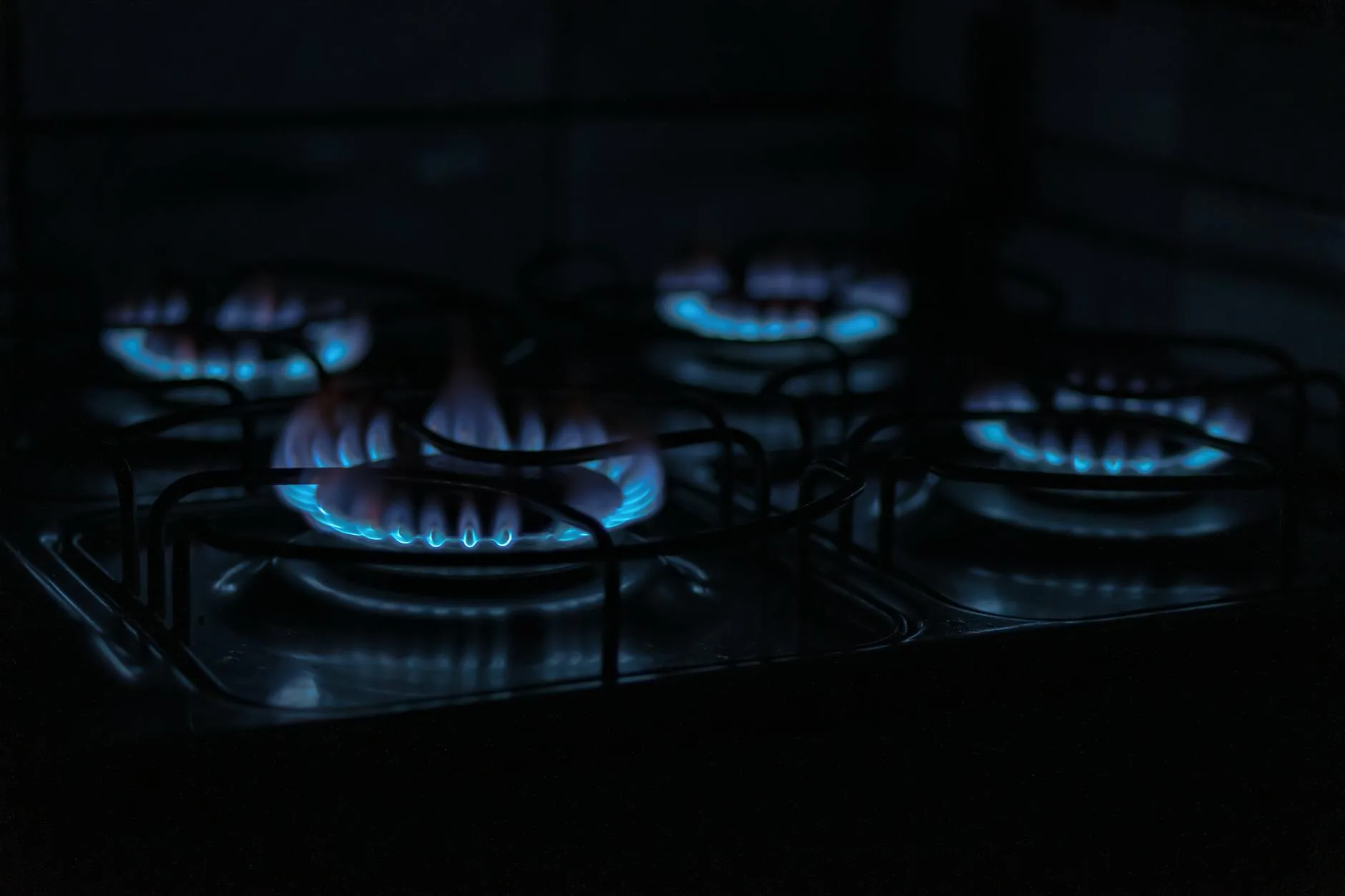
A gas hob burns natural gas (or LPG in rural properties without mains gas) to produce an open flame underneath your pan. The flame heats the pan directly, and you control the heat by adjusting the flame size with a dial. Gas hobs have been the default in UK kitchens for decades — most professional chefs prefer them, and they account for roughly 60% of UK hob installations.
Induction Hobs
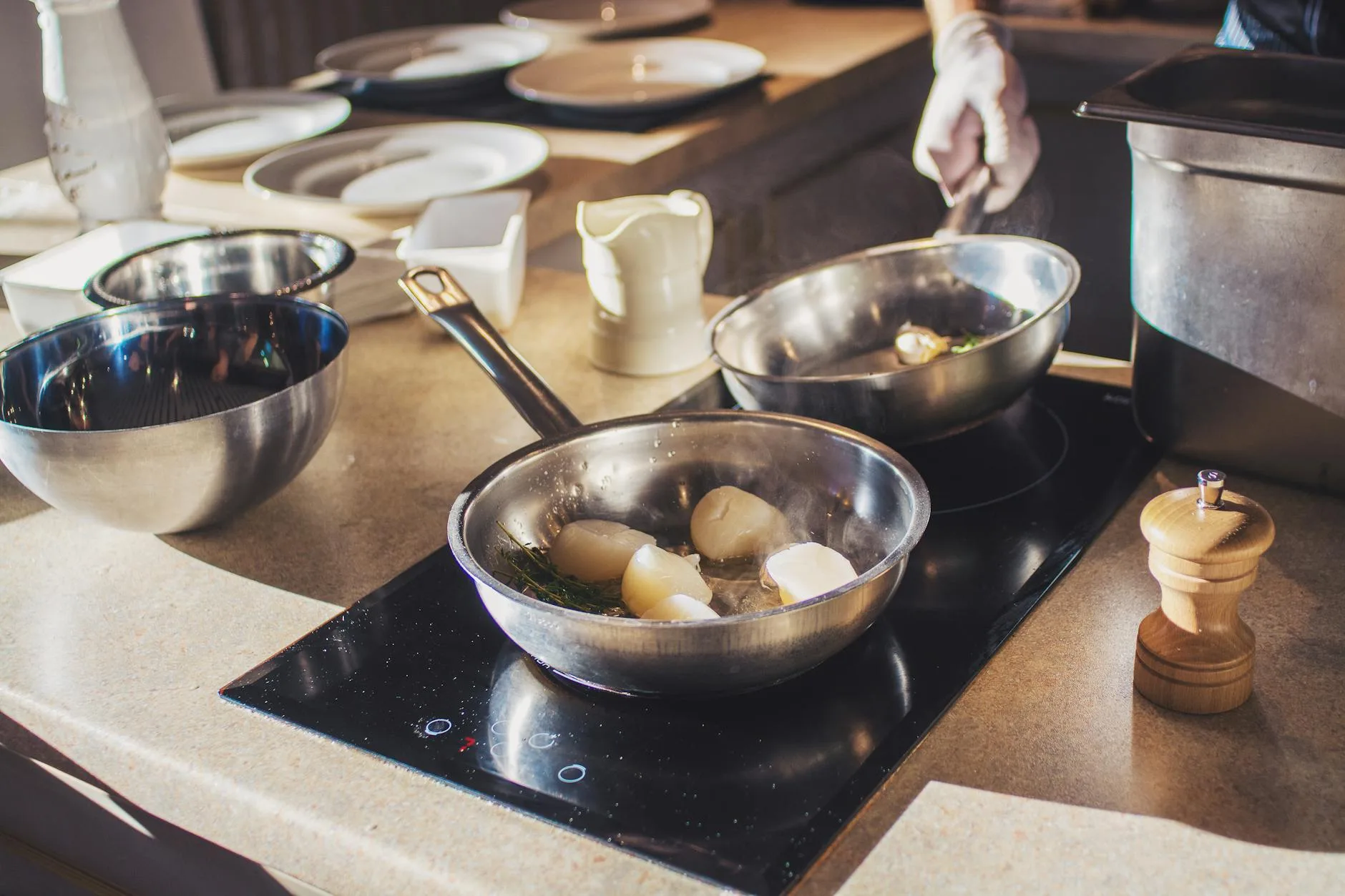
An induction hob uses electromagnetic coils beneath a glass-ceramic surface to generate heat directly inside the pan itself. The hob surface does not get hot — only the pan does. This is fundamentally different from gas and electric, where an external heat source warms the pan from below. Induction requires pans made from ferromagnetic materials (cast iron, magnetic stainless steel), which is why not all pans work on induction.
Electric Ceramic Hobs
An electric ceramic hob has heating elements (either radiant coils or halogen lamps) beneath a flat glass-ceramic surface. The elements heat the glass surface, which transfers heat to the pan above. They are the simplest and cheapest option, but they are also the slowest and least efficient.
Speed and Temperature Control
Boiling Water Test
The most practical comparison. Time to boil 1.5 litres of water from cold:
- Induction — 3-4 minutes. The fastest by a wide margin. Power goes directly into the pan with minimal waste.
- Gas — 5-7 minutes. Fast, but heat escapes around the sides of the pan. You can feel the warmth radiating into the kitchen.
- Electric ceramic — 7-10 minutes. The slowest. The element heats the glass, the glass heats the pan — two heat transfers instead of one.
Responsiveness
This is where gas and induction shine and electric fails:
- Gas — instant response. Turn the dial down and the flame shrinks immediately. Turn it off and the heat stops. This is why chefs love gas — the control is intuitive and immediate.
- Induction — equally instant. Adjust the power and the electromagnetic field changes immediately. Some cooks argue induction is even more precise than gas because you can set exact power levels rather than eyeballing a flame.
- Electric ceramic — slow to respond. The element retains heat after you turn it down, and the glass surface stays hot for minutes after you switch off. This makes delicate tasks like melting chocolate or making sauces harder because the residual heat keeps cooking even after you adjust.
Temperature Precision
Induction hobs offer the finest control. Most modern induction hobs have 9-12 power levels, and some (like the Neff FlexInduction range) offer precise temperature settings in degrees. Gas gives good intuitive control but is harder to maintain a specific low simmer — the flame can fluctuate. Electric ceramic is the least precise, with slower response making fine adjustments difficult.
Energy Efficiency and Running Costs
How Efficient Is Each Type?
Energy efficiency measures how much of the energy consumed actually reaches the food:
- Induction — approximately 85-90% efficient. Almost all the energy goes into heating the pan because the electromagnetic field generates heat inside the metal itself.
- Gas — approximately 40% efficient. A large proportion of the heat radiates outward around the pan, heating your kitchen rather than your food.
- Electric ceramic — approximately 70-75% efficient. Better than gas but worse than induction, because heat is lost through the glass surface.
Running Cost Comparison
Based on current UK energy prices (electricity at roughly 24p/kWh, gas at roughly 7p/kWh):
- Gas — despite low gas prices, the poor efficiency means actual cooking costs are moderate. Roughly £80-120 per year for a typical household.
- Induction — electricity costs more per unit, but high efficiency partially offsets this. Roughly £90-130 per year.
- Electric ceramic — the worst combination. Expensive electricity plus moderate efficiency. Roughly £110-150 per year.
The cost differences between the three are small — perhaps £30-50 per year. The choice should not come down to running costs alone. The Ofgem energy-use guidance has useful guidance on reducing kitchen energy use regardless of hob type.
The Hidden Cost: Kitchen Heating
Gas hobs pump waste heat into your kitchen. In winter, this is a minor benefit — free supplementary heating. In summer, it makes cooking uncomfortable and may force you to open windows or run an extractor fan harder. Induction keeps the kitchen noticeably cooler because the hob surface does not radiate heat.
Safety: Which Is Safest
Burn Risk
- Gas — open flame. Burns are possible from touching the flame, and loose clothing can catch fire. The flame is visible though, which serves as a warning.
- Electric ceramic — the glass surface stays hot for several minutes after the element is switched off. There is no visual indication of residual heat on most models (some have warning lights). Burns from touching a hot surface that looks cold are the most common kitchen burn in the UK.
- Induction — the safest by a clear margin. The glass surface only gets warm (from contact with the hot pan), not hot from the heating element itself. Within 30 seconds of removing the pan, the surface is cool enough to touch. Most induction hobs also have automatic shut-off if no pan is detected.
Gas Leak and Carbon Monoxide
Gas hobs carry a small but real risk of gas leaks and, in poorly ventilated kitchens, carbon monoxide production. Modern gas hobs have flame failure devices (FFDs) that cut the gas supply if the flame goes out, but the risk is never zero. The Gas Safe Register recommends annual checks for all gas appliances.
Child Safety
Induction wins again. Many induction hobs have child lock functions, and the surface does not get dangerously hot. Gas flames are an obvious hazard with young children. Electric ceramic surfaces can cause serious burns because children (and adults) cannot see that the surface is hot.
Installation Requirements
Gas
Requires a gas supply and must be installed by a Gas Safe registered engineer. If you are switching from electric to gas, running a new gas pipe to the hob location costs £200-500 depending on distance and complexity. A gas hob also needs adequate ventilation — building regulations require an openable window or mechanical extraction in a room with a gas appliance.
Induction
Requires a dedicated electrical circuit. Most induction hobs draw 3.7-7.4kW, which is more than a standard 13A plug socket can supply. You will need a hardwired connection on its own circuit, typically a 32A supply with appropriate cable. If your kitchen already has an electric cooker circuit, an electrician can usually adapt it. If not, running a new circuit from the consumer unit costs £150-300.
Electric Ceramic
Same electrical requirements as induction — a dedicated hardwired circuit. If you are replacing an existing electric ceramic hob, the existing wiring is usually suitable. Swapping like-for-like is the simplest installation of all three types.
Switching From Gas to Induction
This is the most common switch in the UK right now. You will need the gas pipe capped off by a Gas Safe engineer (£50-100) and a new electrical circuit installed by a qualified electrician (£150-300). The total switching cost, including the hob itself, is typically £600-1,200 depending on the hob model and the complexity of the electrical work.
Pan Compatibility
What Works on Induction
Induction only heats ferromagnetic metals. The simple test: if a magnet sticks to the bottom of your pan, it works on induction.
- Cast iron — works perfectly. Le Creuset, Staub, and Lodge all work on induction.
- Magnetic stainless steel — most quality stainless steel cookware (Stellar, ProCook, Le Creuset 3-Ply) has a magnetic base. Check the “suitable for induction” symbol.
- Carbon steel — works on induction. Woks and frying pans in carbon steel are excellent on induction.
- Pure aluminium — does NOT work on induction. Nor does pure copper.
- Non-stick with aluminium body — often does NOT work unless it has a magnetic base plate. Check before buying.
What About Existing Pans?
If you switch to induction and your current pans are not compatible, budget £100-200 for a new set. ProCook and IKEA 365+ offer good induction-compatible ranges at reasonable prices. You do not need to replace everything at once — start with a frying pan and two saucepans, which covers 90% of daily cooking. See our induction-compatible cookware guide for specific recommendations.
Gas and Electric: Everything Works
Gas and electric ceramic hobs work with any pan material. This is a genuine advantage of gas — you never have to think about compatibility.
Cleaning and Maintenance
Gas
The most effort. Gas hobs have removable pan supports, burner caps, and burner heads that need regular cleaning to prevent grease buildup and blocked ports. The surface around the burners collects spills that bake on from the heat. A thorough clean takes 15-20 minutes. The flame failure devices occasionally need replacing (roughly every 5-8 years).
Induction
The easiest. A flat glass surface that does not get hot enough to bake on spills. Most spills wipe off with a damp cloth immediately after cooking. For stubborn marks, a ceramic hob scraper and specialist cleaner (Hob Brite or similar) does the job in seconds. No moving parts, no components to remove.
Electric Ceramic
Similar to induction for the glass surface, but the higher surface temperature means spills bake on harder and faster. Sugar spills on a hot ceramic surface can permanently damage the glass — clean them immediately. The surface needs more aggressive cleaning than induction.
Best Hobs by Type
Best Gas: Neff T27DS59N0
About £500 from Currys, John Lewis, or AO.com. Five burners including a high-power wok burner, cast iron pan supports, and flame failure devices on all burners. The build quality is excellent and the FlameSelect feature gives 9 precisely defined flame levels rather than the usual analogue dial. Neff’s aftermarket support and spare parts availability in the UK is better than most brands.
Best Induction: Bosch Serie 6 PXX675DC1E
About £650 from Currys or John Lewis. A 60cm four-zone induction hob with FlexInduction (two zones combine into one large zone for oversized pans). Boost function hits 3.7kW per zone for rapid boiling. DirectSelect controls let you set power levels directly rather than clicking through them. 17 power levels give excellent precision.
Best Budget Induction: Samsung NZ64H37070K
About £300 from Currys or AO.com. Four zones, 9 power levels, boost function, and a bridge zone for large pans. The Virtual Flame technology adds LED lights under the glass that simulate a gas flame so you can see the heat level — surprisingly useful if you are transitioning from gas and miss the visual feedback.
Best Electric Ceramic: AEG HK634060XB
About £250 from Currys or John Lewis. Four zones with residual heat indicators, touch controls, and a timer function. If you are buying electric ceramic, the AEG is reliable, well-built, and reasonably fast to heat. At £250 you are close to budget induction territory — and induction is better in almost every measurable way.
The Gas Boiler Ban and Future-Proofing
What Is Happening?
The UK government has confirmed that new homes built from 2025 onwards will not be fitted with gas boilers. While this does not directly ban gas hobs, the direction of travel is clear — the UK is electrifying home heating, and gas infrastructure will gradually become less universal.
What This Means for Your Kitchen
If you are planning a kitchen that will last 15-20 years, induction is the future-proof choice. Gas supply to homes will not disappear overnight — existing gas connections are safe for decades — but the availability of gas engineers, the cost of gas appliance servicing, and the range of gas hobs on the market will all shrink over time.
Should You Rip Out Your Gas Hob Now?
No. If your gas hob works well and you enjoy cooking with it, there is no urgency to switch. But if you are buying a new hob today for a kitchen renovation, choosing induction avoids the risk of installing gas infrastructure that becomes obsolete within the life of the kitchen.
Which Hob Suits Your Cooking Style
Choose Gas If:
- You cook with a wok regularly — gas is the only hob type that properly heats a round-bottomed wok. Flat-bottomed woks work on induction but do not get the same tossing action.
- You want the visual and tactile feedback of a real flame
- Your kitchen already has gas and you do not want to deal with electrical installation
- You are a confident cook who values the responsive feel of flame control
Choose Induction If:
- You want the fastest boiling and most precise temperature control
- Safety matters — young children, elderly household members, or anyone concerned about burns and gas risks
- You value easy cleaning and minimal maintenance
- You are renovating and want a future-proof installation
- You care about keeping the kitchen cool while cooking
Choose Electric Ceramic If:
- You are on a very tight budget and need the cheapest option
- You are replacing an existing ceramic hob and want the simplest swap
- You rarely cook anything that needs precise temperature control
- Unless budget is the deciding factor, there is very little reason to choose ceramic over induction in 2026
Keep reading on KitchenGearUK: Induction-Compatible Cookware: What You Need to Know, Best Woks 2026 UK: Carbon Steel, Cast Iron & Non-Stick, Cast Iron vs Non-Stick vs Stainless Steel: Cookware Guide, Le Creuset vs Staub vs ProCook: Cookware Brands Compared.
Once you have chosen the hob, our guide to best non-stick frying pans helps match your everyday pans to the cooking surface.
Frequently Asked Questions
Is induction better than gas for cooking? Induction is faster, more energy-efficient, easier to clean, and safer than gas. Gas offers better visual feedback, works with any pan, and gives a traditional cooking feel that some chefs prefer. For most UK households, induction is the better practical choice in 2026.
Do I need new pans for an induction hob? Only if your current pans are not ferromagnetic. Test with a fridge magnet — if it sticks to the base, the pan works. Cast iron, magnetic stainless steel, and carbon steel all work. Pure aluminium, copper, and some non-stick pans do not.
How much does it cost to switch from gas to induction? Budget £600-1,200 total, covering the induction hob (£300-700), capping the gas pipe (£50-100), and installing a new electrical circuit (£150-300). The exact cost depends on your kitchen layout and how far the new circuit needs to run.
Will gas hobs be banned in the UK? There is no current ban on gas hobs in existing homes. New-build homes from 2025 will not have gas boilers, but gas hobs are not directly affected. However, the long-term direction is toward electrification, and induction is the future-proof choice for a new kitchen.
Are electric ceramic hobs worth buying? In most cases, no. For a small price premium, induction offers faster cooking, better control, easier cleaning, and improved safety. Electric ceramic only makes sense if you are on a very tight budget or replacing an identical existing hob.