You want that seared, slightly smoky flavour you get from a proper Chinese takeaway, but every stir-fry you make at home comes out steamed and soggy. The vegetables are limp, the sauce is watery, and the chicken has that boiled look that makes you consider just ordering from the local instead. Nine times out of ten, the problem isn’t your recipe or your technique — it’s your pan.
A proper wok runs at temperatures your non-stick frying pan can’t handle without releasing toxic fumes. That high heat is what creates wok hei — the breath of the wok — that charred, caramelised flavour that separates a restaurant stir-fry from a sad weeknight stir-about. But woks come in carbon steel, cast iron, non-stick, and stainless steel, and they’re not all created equal. Here’s which one to buy and why.
In This Article
- Why Wok Material Matters More Than Anything Else
- Carbon Steel Woks: The Standard
- Cast Iron Woks: Heavy but Effective
- Non-Stick Woks: Convenience vs Performance
- Stainless Steel Woks: The Outlier
- Flat Bottom vs Round Bottom for UK Kitchens
- Wok Sizes: What Diameter Do You Need
- How to Season a Carbon Steel or Cast Iron Wok
- Best Carbon Steel Woks 2026 UK
- Best Cast Iron Woks 2026 UK
- Best Non-Stick Woks 2026 UK
- Essential Wok Accessories
- Caring for Your Wok
- Frequently Asked Questions
Why Wok Material Matters More Than Anything Else
A stir-fry needs two things to work: very high heat and very fast cooking. You’re talking 250-300°C at the base of the wok, with food hitting the surface and searing in seconds rather than sitting there and steaming. The material your wok is made from determines how quickly it reaches that temperature, how evenly it distributes heat, and how well it holds that heat when cold ingredients hit it.
Heat Response
Carbon steel heats up fast and responds quickly to temperature changes. Turn the flame up, the wok gets hotter almost immediately. Turn it down, and it cools quickly too. This responsiveness gives you fine control — essential when you’re tossing ingredients and need to adjust on the fly.
Cast iron heats slowly but holds heat tenaciously. Once it’s up to temperature, throwing a handful of cold vegetables into a cast iron wok barely drops the surface temperature. This thermal mass is excellent for searing but makes the wok slower to respond to adjustments.
Non-stick and stainless steel both compromise on heat performance. Non-stick can’t handle the temperatures needed for real wok cooking (most degrade above 260°C), and stainless steel’s poor heat distribution creates hot spots that burn food in some places while leaving it raw in others.
The Patina Advantage
Carbon steel and cast iron develop a seasoned surface — a layer of polymerised oil that becomes naturally non-stick over time. A well-seasoned carbon steel wok slides food as freely as any non-stick coating but can handle temperatures that would destroy a PTFE surface. The seasoning improves with use, which is why old woks cook better than new ones. Your grandmother’s wok, black and battered, was probably the best cooking vessel in her kitchen.
Carbon Steel Woks: The Standard
Carbon steel is what professional Chinese chefs use, and it’s what you should probably buy. It’s light enough to toss with one hand (about 1-1.5kg for a 30cm wok), responds instantly to heat changes, and develops a non-stick patina that improves every time you cook. There’s a reason this material has been the standard for thousands of years.
What to Look For
- Gauge — 1.5-2mm thick is the sweet spot. Thinner than 1.5mm warps over gas flames; thicker than 2mm loses the lightweight responsiveness that makes carbon steel special
- Handle style — single long handle (Cantonese style) for tossing, or two short handles (Northern Chinese style) for heavier cooking. For most home use, the long handle is more practical
- Flat or round bottom — flat for electric and induction hobs, round for gas (with a wok ring). More on this below
- Pre-seasoned or bare — pre-seasoned woks save you the initial seasoning process. Bare woks require seasoning before first use but let you build the patina from scratch
The Learning Curve
New carbon steel woks are not non-stick. Food will stick for the first dozen or so uses while the seasoning builds up. This puts some people off, but push through it — cook fatty foods (bacon, sausages, chicken thighs) for the first few sessions and the surface transforms. After a month of regular use, you’ll be sliding omelettes around like a cooking show host.
Who Should Buy Carbon Steel
Everyone who cooks stir-fries regularly. It’s the best all-round wok material, period. Unless you have a specific reason to choose something else (induction without flat-bottom options, physical limitation with weight, or complete unwillingness to season), carbon steel should be your default choice.
Cast Iron Woks: Heavy but Effective
Cast iron woks bring the same heat-retention advantages as cast iron skillets — enormous thermal mass, even heat distribution, and exceptional searing ability. They develop seasoning just like carbon steel and last forever with basic care.
The Weight Problem
A 30cm cast iron wok weighs 3-5kg — two to three times heavier than carbon steel. You’re not tossing ingredients in a cast iron wok unless you’ve got arms like a blacksmith. This fundamentally changes how you cook with it: instead of the rapid tossing motion of traditional wok cooking, you’re stirring and turning with a spatula. The results are still good, but the technique is different.
When Cast Iron Makes Sense
Cast iron woks excel at deep frying, braising, and slow stir-fries where heat retention matters more than tossing ability. If you make a lot of deep-fried dishes (tempura, spring rolls, wontons), a cast iron wok holds oil temperature better than carbon steel when food goes in. Wok cooking in general aligns well with the NHS Eatwell Guide principles — fast cooking with minimal oil preserves nutrients better than many other methods. It’s also excellent for Korean-style dishes that benefit from sustained high heat — bibimbap with a crispy rice crust, for example.
Enamelled vs Bare
Enamelled cast iron woks (like Le Creuset’s offering) look lovely but miss the point. The enamel coating prevents seasoning from developing, food sticks more than bare cast iron, and the enamel can chip at the extreme temperatures wok cooking demands. Bare cast iron is better for wok cooking in every functional way. Save the Le Creuset for casseroles.
Non-Stick Woks: Convenience vs Performance
Non-stick woks are the most popular type in UK kitchens, which is a shame because they’re the worst choice for actual wok cooking. They’re convenient — nothing sticks, cleanup is effortless, no seasoning required — but they can’t do the one thing a wok needs to do: get scorching hot.
The Temperature Ceiling
Most PTFE (Teflon-type) non-stick coatings begin to degrade above 260°C and release harmful fumes above 300°C. A proper stir-fry needs at least 250°C, and ideally higher. This means a non-stick wok operates right at or above its safe limit during the cooking technique it’s designed for. The NHS recommends using cookware at appropriate temperatures, and most manufacturers advise keeping non-stick pans below 260°C to avoid coating degradation.
In practice, most people don’t heat their non-stick woks this high — which is why their stir-fries come out steamed rather than seared. The wok never gets hot enough to create wok hei, and the food sits in its own moisture instead of caramelising.
When Non-Stick Is Acceptable
If you’re making gentle stir-fries with pre-cut vegetables and a sauce, and you don’t care about achieving restaurant-quality sear, a non-stick wok works fine. It’s also the only practical option if you flat-out refuse to maintain a seasoned surface. For curry-based wok dishes, noodle soups, and anything saucy rather than seared, non-stick performs adequately.
Ceramic Non-Stick
Ceramic coatings handle higher temperatures than PTFE (up to about 450°C) but have their own issues — they wear out faster, losing their non-stick properties within 6-12 months of regular use. They’re also not as slippery as PTFE when new. An improvement over traditional non-stick for wok cooking, but still not as good as a seasoned carbon steel surface.
Stainless Steel Woks: The Outlier
Stainless steel woks exist and some are excellent quality, but they fight against the requirements of wok cooking. Stainless steel has poor thermal conductivity — it creates hot spots directly above the flame and cold spots everywhere else. This means food sears unevenly, burning in patches while staying raw elsewhere.
The Exception: Clad Stainless
High-end clad stainless (like All-Clad or Demeyerand) sandwiches aluminium between stainless layers for better heat distribution. These perform better than pure stainless but still don’t match carbon steel for responsiveness. They’re also expensive — £150-200+ for a wok — and don’t develop a non-stick patina, so food sticks more.
Stainless woks make sense if your entire cookware collection is stainless and you want consistency, or if you regularly cook highly acidic dishes (tomato-based stir-fries) that can strip seasoning from carbon steel. If you’re weighing up materials more broadly, our induction-compatible cookware guide covers what works on different hob types. For everyone else, stainless woks are an expensive compromise.
Flat Bottom vs Round Bottom for UK Kitchens
This is the single most important practical decision, and it depends entirely on your hob type.
Gas Hobs
Gas hob users have a choice. A round-bottom wok with a wok ring sits directly in the flame and gets hotter than a flat-bottom wok on the same burner. The flames wrap around the curved base, heating a larger surface area. This is how woks are designed to work and gives the best results.
However, a flat-bottom wok on gas works well too and doesn’t require a separate ring. The difference is noticeable but not dramatic for home cooking — you’d need a commercial-grade burner to fully exploit the round-bottom advantage.
Electric and Ceramic Hobs
Flat bottom only. A round-bottom wok sits on a ceramic or electric hob like a ball on a table — wobbling, making poor contact, and heating unevenly. Don’t even try it. Buy a flat-bottom wok with a base diameter that matches your largest hob element for maximum heat transfer.
Induction Hobs
Flat bottom AND magnetic material. Carbon steel and cast iron are both magnetic and work on induction. Stainless steel works if it’s magnetic-grade (check with a fridge magnet). Non-stick depends on the base material. The flat base must make solid contact with the induction surface for efficient heating — warped woks won’t heat properly on induction.
Wok Sizes: What Diameter Do You Need
30cm (12 inches) — The All-Rounder
This is the standard home wok size and the one to buy if you’re only getting one. It comfortably cooks two portions, manages three at a push, and sits on any standard hob without overhanging dangerously. Most UK kitchen extract fans can cope with the smoke from a 30cm wok at high heat.
35-36cm (14 inches) — Family Size
Better for cooking three to four portions or for deep-frying. The larger surface area means ingredients spread out more and steam less. The trade-off is that domestic hobs struggle to heat a 36cm wok evenly — the edges stay cooler than the centre. You need a powerful gas burner (ideally 3kW+) to use a wok this size properly.
28cm or Under — Too Small
Woks smaller than 30cm don’t give ingredients enough room to move. Everything piles up in the centre, creates steam, and you end up with the boiled stir-fry you were trying to avoid. Don’t bother.
How to Season a Carbon Steel or Cast Iron Wok
Seasoning creates the polymerised oil layer that makes your wok non-stick and protects it from rust. New carbon steel and bare cast iron woks come with a factory coating (usually lacquer or mineral oil) that must be removed before seasoning.
Step-by-Step Seasoning Process
- Scrub the wok with hot water and washing-up liquid to remove the factory coating. Use a scouring pad. Rinse thoroughly
- Place the wok on your hob over high heat. Watch as the metal changes colour — it’ll go from silver to straw yellow, then to blue-brown. Rotate the wok to heat the sides evenly. This burns off any remaining factory coating
- Let the wok cool slightly, then add a tablespoon of high-smoke-point oil — rapeseed, sunflower, or vegetable oil. Not olive oil (too low a smoke point)
- Use kitchen paper (held with tongs — it’s hot) to spread a thin, even layer of oil over the entire inside surface
- Heat over medium-high until the oil just starts smoking. Let it smoke for 2-3 minutes, then remove from heat
- Repeat steps 3-5 two more times. The surface should now look dark brown or bronze
- Cook something fatty for the first meal — bacon, pork belly, chicken thighs with skin. This kicks the patina into gear
The First Few Weeks
Your wok won’t be non-stick after one seasoning session. It takes 10-20 cooking sessions for the patina to build up to the point where food releases easily. During this period, use a bit more oil than you normally would, cook fatty foods when possible, and don’t be discouraged by a bit of sticking. It gets better rapidly.
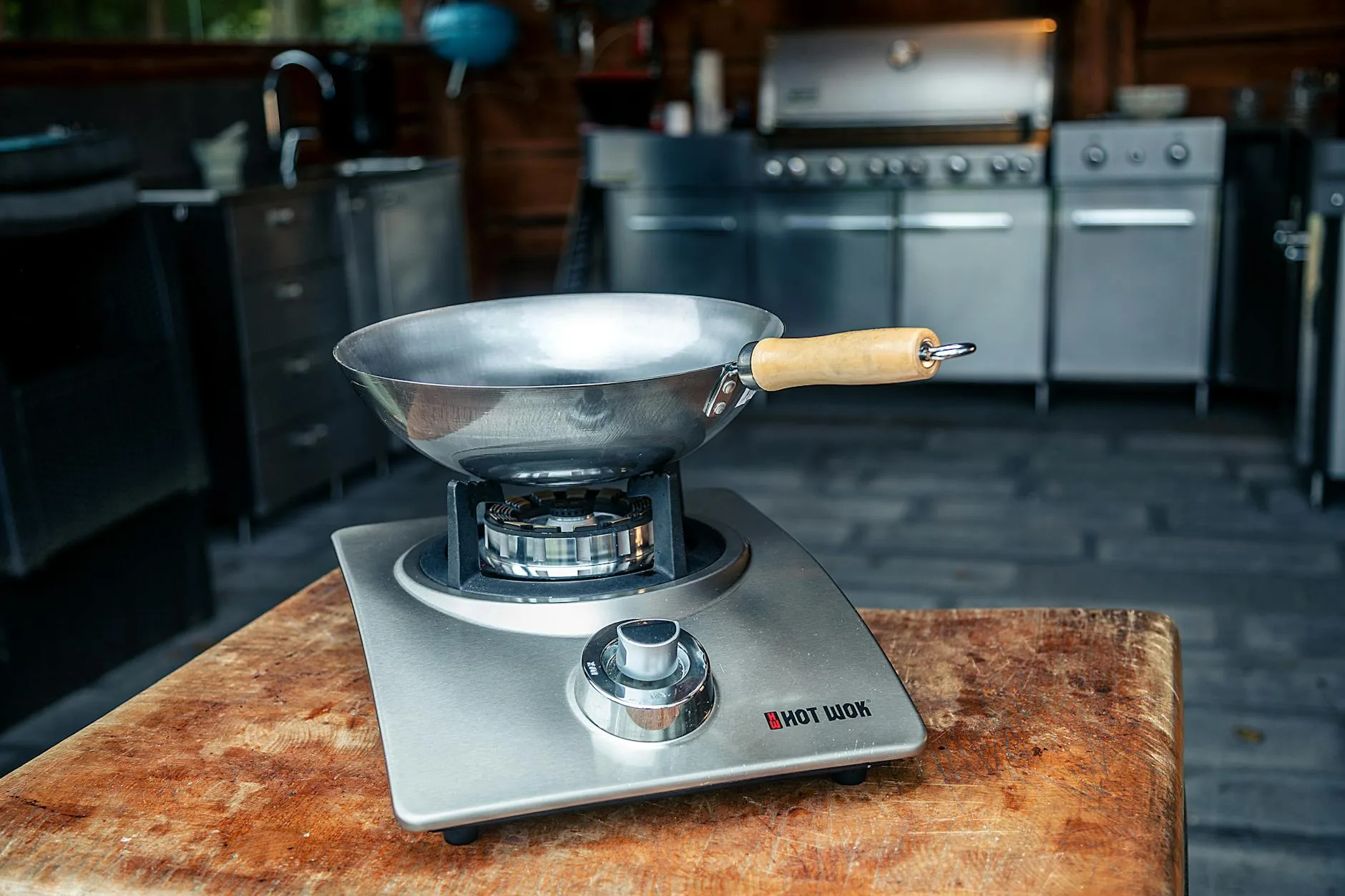
Best Carbon Steel Woks 2026 UK
Craft Wok Traditional Hand-Hammered (About £30-40)
The best carbon steel wok under £50 and the one I’d recommend to most people. Hand-hammered with a long wooden handle, 1.8mm thick, available in round-bottom (for gas) or flat-bottom. The hand-hammering creates a slightly textured surface that helps the seasoning grip. Available from Amazon UK. Comes unseasoned — you’ll need to do the initial seasoning yourself.
Best for: Most home cooks. Exceptional value.
Yosukata Carbon Steel Wok (About £35-45)
Pre-seasoned from the factory, which saves you the initial seasoning process. Flat-bottom design works on all hob types including induction. The pre-seasoning is decent but benefits from additional seasoning at home. Build quality is solid at this price point. Available from Amazon UK.
Best for: Induction hob users who want to skip the seasoning hassle.
De Buyer Mineral B Wok (About £55-70)
French-made with an organic beeswax finish that makes initial seasoning easier. Slightly heavier than the budget options (about 1.8kg) but excellent build quality with a riveted stainless handle. The flat bottom works on all hob types. A premium choice that’ll last decades. Available from specialist cookware retailers and Amazon UK.
Best for: Cooks who want a premium wok that’ll last a lifetime.
Best Cast Iron Woks 2026 UK
Lodge Pro-Logic (About £45-55)
Pre-seasoned, American-made, and built to outlast you. The loop handles make it easy to move from hob to oven (cast iron woks are great for finishing dishes under the grill). Flat bottom works on all hob types. Heavy at about 4kg but the heat retention is superb. Available from Amazon UK and specialist cookware shops.
Best for: Deep frying, braising, and cooks who prioritise heat retention over tossing ability.
ProCook Cast Iron Wok (About £30-40)
A budget-friendly cast iron option from a reliable UK brand. Comes with a wooden lid which is useful for steaming and braising. Pre-seasoned and ready to use. The quality is good for the price, though the seasoning isn’t as durable as Lodge’s. Available from ProCook directly.
Best for: Budget cast iron buyers who want a lid included.
Best Non-Stick Woks 2026 UK
Tefal Jamie Oliver Hard Anodised (About £45-55)
If you must buy non-stick, this is the best option. Hard-anodised aluminium heats evenly, and the Titanium Excellence coating is more durable than standard non-stick. Oven-safe to 210°C. The riveted handle is solid, and Tefal’s Thermo-Spot indicates when the pan is hot enough. Available from Argos, John Lewis, and Amazon UK.
Best for: Cooks who want zero-maintenance convenience and don’t need extreme heat.
Circulon SteelShield S-Series (About £60-75)
Stainless steel exterior with non-stick interior. More durable than traditional non-stick and handles higher temperatures. The raised circle pattern on the base reduces metal-to-food contact, which extends the coating’s life. Available from John Lewis and Amazon UK.
Best for: Cooks willing to spend more for longer non-stick life.
Essential Wok Accessories
- Wok spatula (chuan) — the thin, slightly curved metal spatula designed for wok cooking. About £5-8. Essential for tossing and scraping. Don’t use wooden or silicone — they can’t scrape the wok surface properly
- Spider strainer — a wire mesh scoop for lifting food from hot oil or blanching water. About £5-7. Far more practical than a slotted spoon for wok cooking
- Wok ring — stabilises round-bottom woks on gas hobs. About £5-10. Make sure the ring fits your burner — too wide and it lifts the wok too far from the flame
- Wok lid — useful for steaming, braising, and finishing dishes. Not essential for stir-frying. About £8-15 depending on size. Domed lids give more space for steaming
- Bamboo steamer — sits inside the wok for steaming dumplings, fish, and vegetables. A 25cm steamer fits a 30cm wok. About £10-15 from any Chinese supermarket or Amazon UK
Caring for Your Wok
After Every Cook
- While the wok is still warm, rinse under hot water and scrub with a bamboo brush or the soft side of a washing-up sponge
- No washing-up liquid — it strips the seasoning. Hot water and gentle abrasion is enough
- If food is stuck, add water and bring to a simmer. The stuck bits will loosen
- Dry the wok immediately and thoroughly — carbon steel and cast iron rust fast. Place it on a low flame for 30 seconds to evaporate any remaining moisture
- Rub a very thin layer of oil over the inside surface with kitchen paper. This maintains the seasoning between uses
Rust Recovery
If your wok develops rust spots (it happens, don’t panic), scrub the rust off with steel wool, wash with soapy water, dry thoroughly, and re-season using the process above. The patina will rebuild with use. A bit of rust isn’t the end of the world — it’s cosmetic damage to the seasoning, not structural damage to the wok.
What NOT to Do
- Don’t put it in the dishwasher — this strips all seasoning and causes immediate rust
- Don’t soak it in water — same problem. Clean it immediately after cooking
- Don’t cook acidic foods early on — tomatoes, vinegar-based sauces, and citrus can strip young seasoning. Wait until the patina is well-established (a month or so of regular use) before cooking acidic dishes
- Don’t store it with the lid on — trapped moisture causes rust. Store with the lid slightly ajar or separately
Keep reading on KitchenGearUK: Induction vs Gas vs Electric Hobs: Which Is Best?, Induction-Compatible Cookware: What You Need to Know, Cast Iron vs Non-Stick vs Stainless Steel: Cookware Guide, Best Non-Stick Frying Pans 2026 UK: Ceramic & PTFE Tested.
For heavier cookware comparisons beyond woks, Le Creuset vs Staub vs ProCook explains where cast iron brands differ in real kitchens.
Frequently Asked Questions
Is carbon steel better than cast iron for a wok? For most home cooks, yes. Carbon steel is lighter (easier to toss), heats faster, and responds more quickly to temperature changes. Cast iron holds heat better, which makes it superior for deep frying and braising, but the weight makes traditional tossing-style stir-fry cooking impractical. If you cook primarily stir-fries, go carbon steel.
Can I use a wok on an induction hob? Yes, but it must be flat-bottomed and made from a magnetic material. Carbon steel, cast iron, and some stainless steel woks work on induction. Non-stick woks work if their base layer is magnetic — check with a fridge magnet. Round-bottom woks won’t make enough contact with the induction surface to heat properly.
Why does food stick to my new wok? New carbon steel and cast iron woks need time to build a seasoned patina. The seasoning develops over 10-20 cooking sessions. Use more oil than usual for the first few weeks, cook fatty foods when possible, and avoid acidic ingredients until the patina is well-established. It gets better with every use.
What size wok should I buy for a family of four? A 35-36cm wok handles four portions comfortably, but make sure your hob can heat it evenly. If your largest burner is small, a 30cm wok might actually perform better because it heats more evenly — just cook in two batches for larger meals. Two quick batches in a hot 30cm wok beats one slow batch in a lukewarm 36cm wok.
How do I get rid of the metallic taste from a new wok? The metallic taste comes from the factory coating that hasn’t been fully removed. Re-scrub the wok with hot soapy water and a scouring pad, then heat it on high until the metal changes colour across the entire surface. Re-season with oil as described above. The taste disappears after the first proper seasoning and a couple of cooking sessions.