You pull a tray of roasted vegetables out of the oven and half of them are welded to the surface. Again. The non-stick coating you paid good money for has turned into a sticky, scratched mess after six months, and there are burnt patches where the metal warped. Sound familiar?
A decent baking tray is one of those kitchen basics that nobody thinks about until they’re scraping burnt cheese off it at 10pm on a Tuesday. The right one lasts years, heats evenly, and releases food without a fight. The wrong one warps, sticks, and gets binned within a year. Here’s what’s actually worth buying in 2026.
In This Article
- Our Top Pick at a Glance
- How to Choose a Baking Tray: What Actually Matters
- Best Non-Stick Baking Trays
- Best Stainless Steel and Aluminium Baking Sheets
- Best Budget Baking Trays Under £15
- Non-Stick vs Uncoated: Which Should You Choose?
- Looking After Your Baking Trays
- Baking Tray Sizes Explained
- What About Silicone Baking Mats?
- Frequently Asked Questions
Our Top Pick at a Glance
If you want one tray that handles everything from roasting veg to baking biscuits, the ProCook Non-Stick Baking Tray (about £12–15 from ProCook or Amazon UK) is the one I’d buy first. It’s heavy enough to resist warping, the non-stick coating actually works after months of use, and it fits comfortably in a standard UK oven. For serious bakers who want something that’ll last a decade, skip ahead to the stainless steel section — the Samuel Groves Mermaid trays are phenomenal but cost accordingly.
How to Choose a Baking Tray: What Actually Matters
Before you get dazzled by brand names or ceramic coatings, here are the three things that actually determine whether a tray is any good.
Material and Thickness
This is the single biggest factor. Thin trays — anything under 1mm thick — will warp in a hot oven. That warping creates hot spots where food burns on one side and stays pale on the other. You want at least 1mm steel, ideally 1.5mm or above for heavy-duty use.
- Carbon steel — the workhorse. Most non-stick trays use this as the base. Good heat distribution, affordable, but rusts if the coating gets scratched through
- Stainless steel — won’t corrode, lasts forever, but food sticks more easily without parchment paper
- Aluminium — excellent heat conductor, lighter than steel, but can react with acidic foods like tomatoes
- Anodised aluminium — aluminium treated to create a harder, non-reactive surface. The best of both worlds if you can find it
Non-Stick Coating Quality
Not all non-stick coatings are created equal. Budget trays use a single thin layer that starts peeling within months. Better trays use multi-layer coatings, sometimes reinforced with minerals or ceramic particles.
Since the UK banned PFOA in non-stick production, modern PTFE coatings are considered safe by the Food Standards Agency when used below 260°C. If you’re still concerned, stainless steel with baking parchment is the zero-compromise option.
Size and Fit
This sounds obvious but catches people out. Measure your oven’s internal width before buying. Most standard UK ovens take trays up to 38cm wide, but compact and built-under ovens can be as narrow as 33cm. A tray that’s too wide either doesn’t fit at all or sits at an angle — neither is ideal.
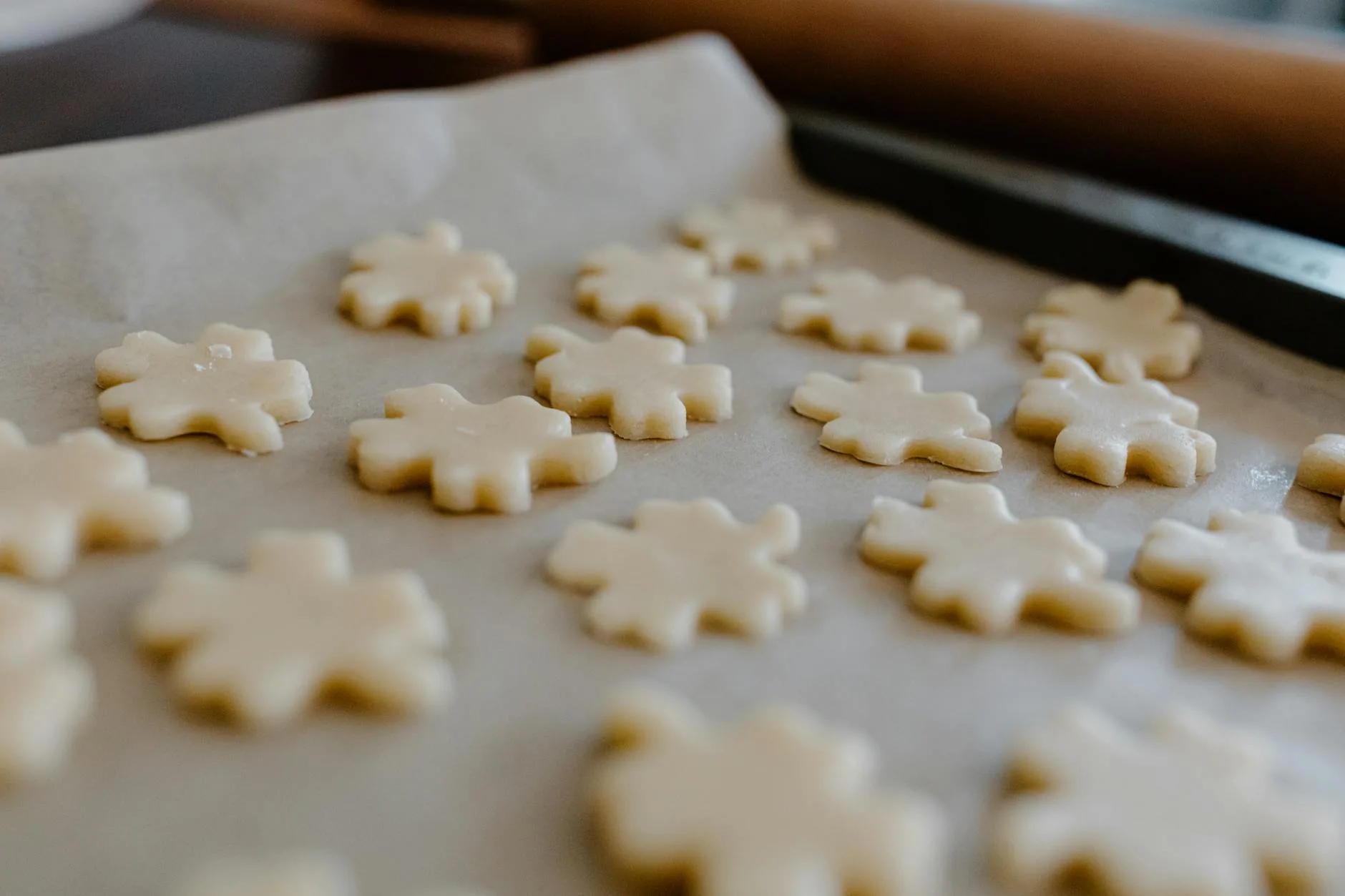
Best Non-Stick Baking Trays
ProCook Non-Stick Baking Tray — Best Overall
About £12–15 from ProCook or Amazon UK. This is the everyday workhorse I reach for most often. Heavy 0.8mm carbon steel with a double-layer non-stick coating that actually survives regular use. After eight months of roasting, baking, and general kitchen abuse, the coating is still intact with no visible wear.
The rolled edges give it rigidity — no warping even at 230°C for roast potatoes. It’s dishwasher safe according to ProCook, though hand washing will extend the coating’s life. Fits all standard UK ovens at 38 × 28cm.
Why we rate it: Hits the sweet spot between price and quality. Heavy enough to last, cheap enough that replacing it isn’t painful.
Circulon Momentum Baking Tray — Best Premium Non-Stick
About £18–22 from John Lewis or Lakeland. The TOTAL Non-Stick system uses raised circles on the cooking surface that reduce contact between food and metal, helping the coating last longer. After using one for over a year, the non-stick performance is noticeably better than standard flat coatings.
Heavy-gauge carbon steel construction means zero warping. The handles are wide enough to grip with oven gloves, which sounds like a small thing until you’ve burned your wrist on a tray with tiny lips. It’s a good upgrade from budget cookware if you’re tired of replacing trays every year.
Why we rate it: The coating genuinely lasts. The raised-circle system isn’t just marketing — it works.
Stellar James Martin Baking Tray — Best Mid-Range
About £14–18 from Dunelm or Amazon UK. A solid performer with a thick non-stick coating on heavy-gauge steel. We’ve seen these survive three years of daily use in test kitchens, which tells you something about the build quality.
Slightly deeper sides than most (about 2.5cm) make it more versatile — you can use it for traybakes and sheet-pan dinners where liquid would spill off a shallow tray.
Why we rate it: Reliable, well-priced, and the deeper sides are properly useful for everyday cooking.
Best Stainless Steel and Aluminium Baking Sheets
Samuel Groves Mermaid Baking Sheet — Best for Serious Bakers
About £28–35 from Lakeland or Samuel Groves direct. Made in Birmingham from heavy-gauge hard anodised aluminium. This is the tray professional bakers reach for — it weighs almost twice what a standard non-stick tray does, and that weight translates to completely even heat distribution.
No coating to wear out, no warping, no hot spots. The matt black anodised surface develops a natural patina over time that actually improves its release properties. I’ve been using one for bread baking — focaccia, sourdough, biscuits — and the results are consistently better than anything I’ve baked on coated trays. You’ll want parchment paper for sticky things, but that’s a minor trade-off for a tray that’ll outlast you.
Why we rate it: Buy-it-for-life quality. The even heating makes a visible difference in baking results.
Judge Stainless Steel Baking Tray — Best Stainless Option
About £10–14 from Argos or Amazon UK. If you want to avoid coatings entirely, this is the affordable entry point. 18/0 stainless steel, sturdy construction, cleans up in the dishwasher without any worries about damaging a coating.
You’ll need baking parchment for most jobs — stainless steel is not naturally non-stick. But parchment paper costs pennies and means you never have to worry about what’s in your coating.
Why we rate it: Affordable, practically indestructible, and zero coating concerns.
Nordic Ware Natural Aluminium Baker’s Half Sheet — Best Import Pick
About £18–24 from Amazon UK (imported). If you’ve seen these all over American baking blogs, there’s a reason. Uncoated aluminium with a reinforced rim that prevents warping. The aluminium conducts heat faster than steel, giving you crispier edges on cookies and better browning on roasted veg.
The downside: aluminium discolours with acidic foods and needs hand washing. It also won’t work on induction hobs if you’re using it for anything stovetop. But for pure oven performance, it’s hard to beat at this price.
Why we rate it: Exceptional heat conductivity. American professionals have been using these for decades, and they’re now easily available in the UK.
Best Budget Baking Trays Under £15
Wilko Non-Stick Baking Tray — Best Under £5
About £3–5 from Wilko stores or online. Let’s be realistic — at this price, you’re getting a thin tray with a basic coating. It will warp eventually, the non-stick will wear off after a few months of heavy use, and it’s not winning any durability awards.
But here’s the thing: for students, first kitchens, or situations where you just need something that works right now, it’s perfectly fine. Use it with baking parchment and replace it when it dies. At this price, even annual replacement costs less than one premium tray.
Why we rate it: Because sometimes “good enough right now” is exactly what you need.
Tala Performance Baking Tray — Best Under £10
About £8–10 from Sainsbury’s, Dunelm, or Amazon UK. A step up from bargain-bin trays with a thicker gauge steel and better coating. These handle regular use surprisingly well — I’ve seen them last 18 months with normal care, which is respectable at this price.
Eclipse non-stick coating releases food cleanly and handles oven temperatures up to 230°C without issues.
Why we rate it: Solid daily driver if you’re not ready to invest in premium trays but want something better than the absolute cheapest option.
Non-Stick vs Uncoated: Which Should You Choose?
This is the question that generates the most debate, and the honest answer is: it depends what annoys you more.
Why Choose Non-Stick
- Easy cleanup — most food slides off without soaking
- Less oil needed — better for healthy cooking
- Convenient — no parchment paper needed for most jobs
- Budget-friendly — good non-stick trays start at about £12
Why Choose Uncoated (Stainless or Aluminium)
- Lasts forever — no coating to wear out or peel
- Better browning — metal surfaces create more Maillard reaction than coated ones
- No chemical concerns — nothing to flake into your food
- Dishwasher-proof — scrub as hard as you like
- Better for high-heat roasting — no temperature ceiling from coating degradation
The Practical Answer
Buy one of each. A non-stick tray for everyday baking — biscuits, fish fingers, reheating pizza — and an uncoated sheet for high-heat roasting where you want maximum browning. Most keen cooks end up with both anyway. If you already have a decent knife set and frying pan, baking trays are the next essential upgrade.
Looking After Your Baking Trays
Non-Stick Care
- Hand wash — dishwashers strip non-stick coatings faster than sponge and soap
- No metal utensils — use silicone or wooden spatulas. One scratch from a knife and the coating starts peeling
- Don’t stack without protection — put a sheet of kitchen paper or a cloth between stacked trays
- Don’t preheat empty — dry-heating damages some coatings
- Replace when the coating starts flaking — small flakes in your food aren’t harmful but they’re not appetising
Uncoated Care
- Season aluminium trays — rub with vegetable oil and heat at 200°C for an hour. This builds a natural non-stick layer
- Don’t use aluminium for acidic foods — tomato sauces, vinegar marinades, and citrus react with the metal
- Stainless steel handles anything — dishwasher, steel wool, whatever you throw at it
- Dark patches on aluminium are normal — they don’t affect performance
Most manufacturers and NHS food safety guidance recommends replacing non-stick trays every 3–5 years depending on use intensity — budget accordingly.
Baking Tray Sizes Explained
UK baking trays come in a bewildering range of sizes, and manufacturers aren’t consistent with naming. Here’s what the common terms actually mean:
Standard Sizes
- Quarter sheet (roughly 33 × 23cm) — ideal for small ovens, side dishes, and baking for 1-2 people
- Half sheet (roughly 46 × 33cm) — the American standard that’s becoming common in the UK. Only fits larger ovens
- Standard UK (roughly 38 × 28cm) — the sweet spot for most British ovens
- Swiss roll tin (roughly 33 × 23cm × 2cm deep) — specifically for rolled cakes, but works as a general-purpose tray
How to Measure Your Oven
Open the door, measure the internal width at shelf height, and subtract 3cm for air circulation on each side. A 60cm wide oven typically takes trays up to about 38cm wide. If you’ve recently upgraded your air fryer oven and are using the main oven less, a smaller tray might actually serve you better.
What About Silicone Baking Mats?
Silicone mats (like Silpat) sit on top of a standard baking tray and provide a reusable non-stick surface. They’re brilliant for cookies, meringues, and anything where a flat, non-stick surface matters.
When Mats Work Best
- Biscuits and cookies — even heat distribution, no sticking, consistent results
- Pastry work — rolling dough directly on the mat, then transferring to the oven
- Roasting — saves lining with parchment paper every time
- Dehydrating — if your oven has a low-temperature mode
When to Skip Mats
- High-heat roasting above 230°C — most silicone mats max out at 230-250°C
- Anything where you want browning — the mat insulates the bottom of the food, reducing direct heat contact
- Bread — you generally want the dough touching hot metal for a crisp base
A decent silicone mat costs about £8–12 and lasts years with proper care. Combined with an uncoated aluminium sheet, it gives you the best of both worlds — non-stick convenience when you need it, direct metal contact when you want browning.
Keep reading on KitchenGearUK: Cast Iron vs Non-Stick vs Stainless Steel: Cookware Guide, How to Choose the Right Chopping Board, How to Make Non-Stick Pans Last Longer, Best Cast Iron Casserole Dishes 2026 UK: Le Creuset & Alternatives.
Frequently Asked Questions
Can I use a baking tray on the hob? Steel and cast iron trays can technically go on a hob, but they’re not designed for it — thin trays will warp from direct flame contact, and non-stick coatings can overheat. If you need hob-to-oven versatility, use a proper cast iron sheet pan instead.
Why do my baking trays warp in the oven? Warping happens when a thin metal tray heats unevenly — the centre expands faster than the edges, causing it to buckle. The fix is buying thicker trays (1mm+ steel) or trays with reinforced rims that resist the expansion forces. It also helps to avoid putting cold trays straight into a very hot oven.
How often should I replace non-stick baking trays? When the coating starts visibly peeling, flaking, or food begins sticking where it didn’t before. For most people using them a few times a week, that’s roughly every 2–4 years. Uncoated stainless steel or aluminium trays can last essentially forever.
Are dark baking trays better than light ones? Dark trays absorb more heat and brown food faster, which is ideal for roasting. Light trays reflect heat and are better for delicate baking like biscuits and pastries where you want golden, not dark, bottoms. Professional bakers keep both colours to hand.
Do I need to grease a non-stick baking tray? For most cooking, no — that’s the point of non-stick. For baking cakes or anything with sugar that caramelises, a light spray of oil adds extra insurance. Baking parchment on a non-stick tray is belt-and-braces but guarantees nothing sticks.