You bought an air fryer last year and it changed how you cook midweek meals. Chips in 20 minutes, chicken thighs with crispy skin, roasted vegetables that actually taste roasted. But now you’re standing in front of it wanting to cook a whole chicken and a tray of potatoes at the same time, and the basket is too small. An air fryer oven solves this problem by combining air fryer speed with conventional oven capacity — a proper multi-function unit that can replace your main oven for most meals.
In This Article
- What Is an Air Fryer Oven
- Air Fryer Oven vs Regular Air Fryer
- The Best Air Fryer Ovens in the UK
- What Can You Cook in an Air Fryer Oven
- Size and Capacity Guide
- Energy Efficiency vs a Conventional Oven
- Key Features to Look For
- Cleaning and Maintenance
- Who Should Buy an Air Fryer Oven
- Frequently Asked Questions
What Is an Air Fryer Oven
An air fryer oven is a countertop appliance that combines a convection oven with air frying technology. Unlike drawer-style air fryers that have a basket you pull out, air fryer ovens have a front-opening door with wire racks and trays inside — like a miniature oven. Most models offer multiple cooking functions: air frying, baking, roasting, grilling, dehydrating, toasting, and rotisserie.
The Key Difference
A regular air fryer circulates hot air around a basket — great for chips, wings, and small portions. An air fryer oven circulates hot air around a much larger cavity with multiple rack positions. You can air fry chips on the top rack while roasting a chicken on the bottom. You can bake a Victoria sponge. You can dehydrate fruit overnight. It’s a different category of appliance despite sharing the “air fryer” label.
Why They’re Popular in the UK
British kitchens are famously small. A full-size oven preheating for 15 minutes to cook four portions of salmon is wasteful — both in energy and time. An air fryer oven preheats in 3-5 minutes, uses roughly 50-70% less electricity than a conventional oven, and sits on the worktop. For households of 1-3 people, it can replace the main oven for 80% of meals.
Air Fryer Oven vs Regular Air Fryer
Capacity
The biggest difference. A standard air fryer typically holds 3-6 litres — enough for 2-3 portions of chips or a few chicken breasts. An air fryer oven typically holds 15-30 litres, with multiple shelves for cooking different foods simultaneously. A 25-litre air fryer oven fits a whole chicken comfortably.
Cooking Flexibility
A drawer air fryer does one thing well: circulate hot air around a basket. An air fryer oven offers baking, grilling, toasting, dehydrating, and often rotisserie. If you currently use your air fryer alongside your oven and toaster, an air fryer oven might replace all three.
Counter Space
Air fryer ovens are bigger than drawer air fryers — roughly the size of a large microwave. If your kitchen worktop is already cramped, this matters. Measure before you buy: most models need at least 45cm width, 35cm depth, and 35cm height, plus clearance above for ventilation.
Running Costs
Both use less energy than a conventional oven. Air fryer ovens use slightly more power than drawer models (typically 1500-1800W vs 1200-1500W) because of the larger heating cavity, but the difference per cooking session is pennies.
The Best Air Fryer Ovens in the UK
Ninja Foodi FlexDrawer 10.4L — Best Overall
About £230. Ninja dominates the UK air fryer market and the FlexDrawer earns that reputation. The 10.4-litre capacity splits into two independent zones (like the dual zone models) or opens into one large space. Six cooking functions: air fry, roast, bake, reheat, dehydrate, and Max Crisp.
What sets it apart is the build quality and the app. Ninja’s companion app has hundreds of UK-specific recipes with pre-programmed temperatures and times. The non-stick coating is genuinely durable — it still wipes clean after months of daily use. The downside: it’s loud. The fan noise is noticeable in an open-plan kitchen.
Sage Smart Oven Air Fryer — Best Premium
About £350. Sage (Breville in other markets) makes the most refined air fryer oven you can buy. 21.4 litres, brushed stainless steel, 13 cooking functions including slow cook, proof dough, and dehydrate. The Element IQ system adjusts heating element intensity automatically based on what you’re cooking.
The Sage produces results closest to a conventional oven — even browning, precise temperature control, and genuinely excellent baking. If you’re a serious home cook who wants air fryer convenience without compromising on baking quality, this is the one. It’s also the largest and most expensive option on this list, which limits its audience.
Cosori Air Fryer Oven 30L — Best Value Large Capacity
About £160. The Cosori offers 30 litres of cooking space — the largest on this list — with 12 cooking functions including rotisserie (spit and forks included). It fits a full roast dinner: chicken on the rotisserie, potatoes on the top rack, vegetables on the bottom.
For the price, it’s remarkable. The digital touchscreen is intuitive, preheating takes under 5 minutes, and the included accessories (drip tray, wire rack, rotisserie set, crumb tray) mean you don’t need to buy anything extra. The exterior does get hot during long cooks, so keep children away and leave clearance around the sides.
Tefal Easy Fry Oven & Grill — Best Compact
About £140. If worktop space is tight, the Tefal is the smallest air fryer oven worth considering at 20 litres. Seven cooking functions (air fry, grill, roast, bake, toast, dehydrate, reheat) in a unit that’s noticeably smaller than the Cosori or Sage.
It handles 2-3 portions well and can manage a small chicken (up to 1.5kg). The grill function is surprisingly effective — cheese on toast, grilled halloumi, and gratins come out with proper browning. The timer maxes out at 60 minutes, which is a limitation for slow roasts but fine for everyday cooking.
Tower Vortx 20L Combo Oven — Budget Pick
About £90. Tower has carved out a niche as the budget air fryer brand in the UK, and the Vortx Combo delivers decent performance at a fraction of the premium brands’ prices. 20 litres, 10 cooking functions, manual dials rather than a digital display.
The trade-offs are predictable: less precise temperature control (dials rather than digital), louder fan, and a non-stick coating that degrades faster. But for someone stepping up from a basic air fryer who doesn’t want to spend £200+, it’s a solid entry point.
What Can You Cook in an Air Fryer Oven
Where It Excels
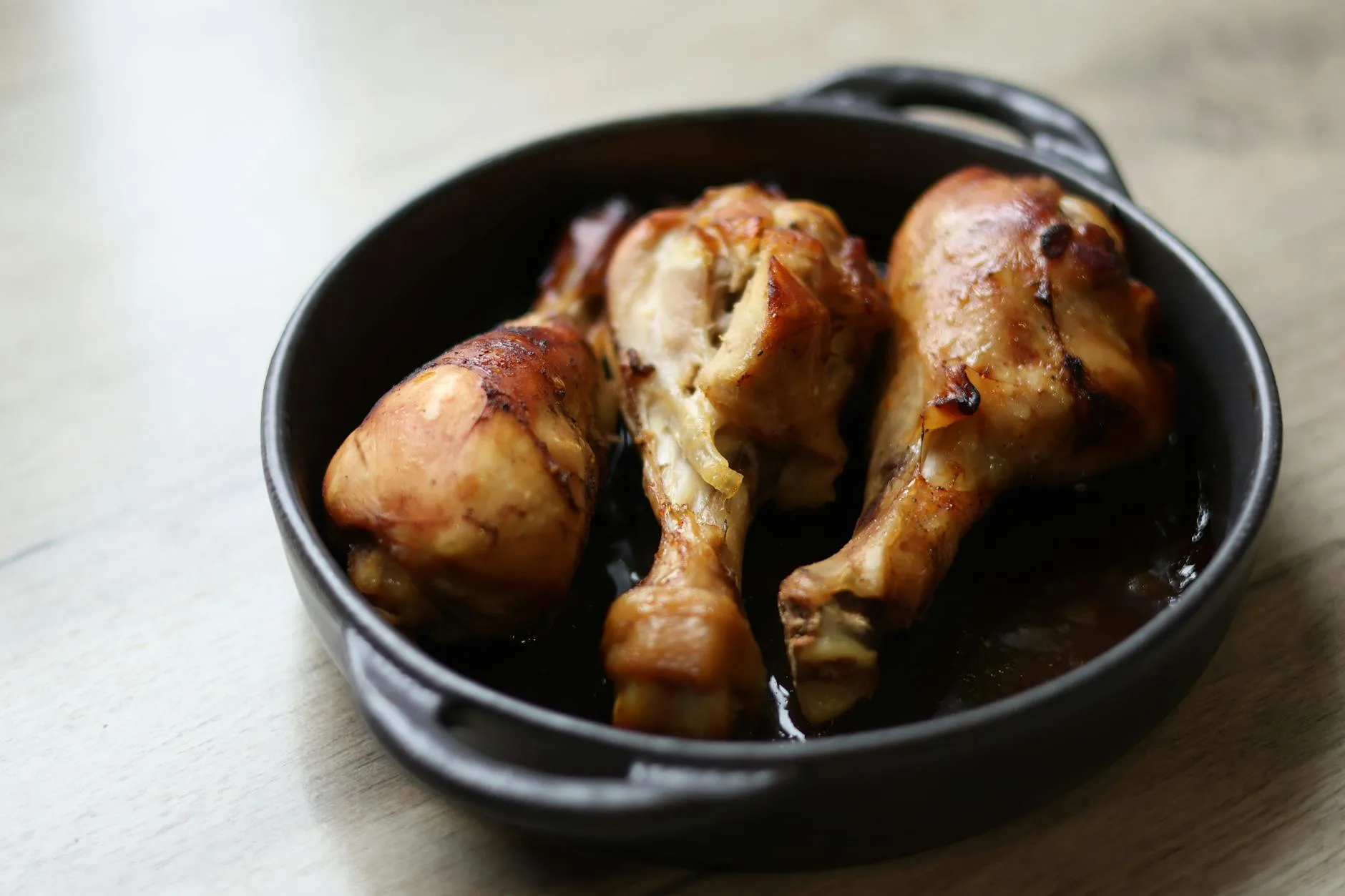
- Roast dinners — a whole chicken with roast potatoes and parsnips, all in one appliance
- Baking — cakes, muffins, bread. The even heat distribution rivals a conventional oven
- Pizza — fresh or frozen, with the base crisp and the cheese bubbling
- Dehydrating — beef jerky, fruit leather, dried herbs. Low temperature over many hours
- Toast and grilled cheese — faster and crispier than a standard toaster
- Batch cooking — multiple portions across different rack levels
Where It Struggles
- Very large items — a full-sized turkey won’t fit in any countertop model
- Liquid-heavy dishes — stews, soups, and braises are better in a slow cooker or on the hob
- Delicate baking — soufflés and choux pastry need the stable, gentle heat of a full-size oven
- High-volume batch cooking — if you’re feeding 6+ people regularly, you’ll still need your main oven
Size and Capacity Guide
What the Litres Actually Mean
Manufacturers measure total cavity volume, which includes space you can’t use (above the top rack, behind the heating elements). Usable cooking space is typically 60-70% of the advertised volume.
- 15-20 litres — suits 1-2 people. Fits a small chicken, two portions of most meals
- 20-25 litres — suits 2-3 people. Fits a medium chicken, a 30cm pizza, a standard cake tin
- 25-30+ litres — suits 3-4 people. Fits a large chicken, multiple trays, rotisserie capability
Measuring Your Kitchen Space
Before buying, measure your intended spot including:
- Width and depth of the available space
- Height clearance — most models need 10-15cm above for heat ventilation
- Plug socket proximity — air fryer ovens draw 1500-1800W, so they need a dedicated socket (not an extension lead shared with a kettle and toaster)
Energy Efficiency vs a Conventional Oven
This is one of the strongest arguments for an air fryer oven. According to energy efficiency research, cooking accounts for about 4% of household energy bills. With UK electricity prices regulated by Ofgem, reducing oven usage is one of the easiest ways to cut costs. Switching from a conventional oven to a countertop appliance for everyday meals can reduce that share noticeably.
The Numbers
A typical conventional electric oven uses 2000-2500W and takes 15-20 minutes to preheat. An air fryer oven uses 1500-1800W and preheats in 3-5 minutes. For a 30-minute cook:
- Conventional oven: ~45-50 minutes total (including preheat), roughly 1.5-2 kWh
- Air fryer oven: ~33-35 minutes total, roughly 0.8-1 kWh
At current UK electricity rates (about 24.5p per kWh as of 2026), that’s a saving of roughly 15-25p per use. Cook five meals a week in the air fryer oven instead of the main oven and you save £4-6 per month — about £50-70 per year.
When to Use the Main Oven
Keep the main oven for Christmas dinner, large batch cooking for the freezer, and anything that needs more space than your air fryer oven provides. For daily meals serving 1-4 people, the air fryer oven is cheaper and faster every time.
Key Features to Look For
Must-Have Features
- Multiple rack positions — at least two levels for cooking different foods simultaneously
- Digital temperature control — accuracy matters for baking. Dial controls are less precise.
- Interior light — checking food without opening the door preserves heat and cooking consistency
- Removable crumb tray — makes cleaning much easier
- Timer with auto-shutoff — prevents overcooking and is a safety essential
Nice-to-Have Features
- Rotisserie function — produces incredible roast chicken. Worth having if the model includes the spit
- Dehydrate mode — low-temperature cooking (50-70°C) for jerky, fruit, and herbs
- Preset cooking programs — useful for beginners, less important for experienced cooks
- App connectivity — Ninja and Sage offer companion apps with recipes and remote monitoring
- Convection fan speed control — adjusting fan speed helps with delicate baking
What to Avoid
- Models without a glass door — you need to see your food without opening the oven
- Capacities under 15 litres marketed as “ovens” — these are just large air fryers with a different door
- Units without proper ventilation guidance — overheating is a fire risk if placed too close to walls or cabinets
Cleaning and Maintenance
After Every Use
Remove the crumb tray and empty it. Wipe the interior walls and door glass with a damp cloth while the oven is still slightly warm (not hot) — food residue comes off much easier before it bakes on. Wash wire racks and trays in warm soapy water or place them in the dishwasher if the manufacturer confirms they’re dishwasher-safe.
Deep Clean Monthly
Remove all racks and trays. Mix bicarbonate of soda with water to make a paste and spread it over any stubborn grease spots inside the cavity. Leave for 15-20 minutes, then wipe clean with a damp cloth. For the glass door, white vinegar on a microfibre cloth removes grease film and restores clarity.
What NOT to Do
- Never submerge the unit — the heating elements and electrics are not waterproof
- Avoid abrasive scouring pads — they scratch non-stick coatings and stainless steel finishes
- Don’t use oven cleaner sprays — the chemicals are too harsh for countertop appliance coatings. They can damage the interior and leave residue that affects food flavour
- Don’t ignore the crumb tray — accumulated crumbs are a fire hazard
Who Should Buy an Air Fryer Oven
Buy One If…
- You already use an air fryer and want more capacity
- You live alone or as a couple and rarely use your full-size oven
- You want to reduce energy bills on everyday cooking
- You bake regularly and want a second oven that preheats in minutes
- You’re in rented accommodation and want a proper cooking appliance without modifying the kitchen
Stick With a Regular Air Fryer If…
- Your cooking is mostly reheating, chips, and simple one-tray meals
- Counter space is genuinely limited (under 40cm width available)
- You rarely cook for more than one person
- Budget is under £100 and you don’t need multiple functions
Consider a Full Oven Upgrade If…
- You regularly cook for 5+ people
- You do a lot of batch cooking and meal prep
- You need a grill, hob, and oven in one integrated unit
- Your kitchen renovation includes built-in appliances
According to Which? appliance testing, air fryer ovens have become one of the fastest-growing kitchen appliance categories in the UK since 2024, with sales doubling year-on-year as energy costs have made efficiency a priority for households.
Keep reading on KitchenGearUK: Best Air Fryers 2026: UK Kitchen Tested & Ranked, Air Fryer Cooking Times Guide: Quick Reference Chart, Air Fryer Recipes for Beginners: 10 Easy Meals, How to Choose the Right Air Fryers.
Frequently Asked Questions
Can an air fryer oven replace a conventional oven? For households of 1-3 people, yes — for about 80% of meals. It handles roasting, baking, grilling, and air frying. You’ll still need your main oven for very large items (turkey, multiple trays of baking) and liquid-heavy dishes like casseroles.
How much electricity does an air fryer oven use? Typically 1500-1800W, compared to 2000-2500W for a conventional oven. Because air fryer ovens preheat faster and cook quicker, the total energy per meal is roughly 40-50% less than using a full-size oven.
What size air fryer oven do I need? For 1-2 people, 15-20 litres is sufficient. For 2-3 people, aim for 20-25 litres. For families of 3-4, look at 25-30 litres. Remember that usable cooking space is about 60-70% of the advertised capacity.
Is an air fryer oven better than a dual zone air fryer? They serve different needs. A dual zone air fryer is better for everyday quick meals where you want two different foods at different temperatures. An air fryer oven is better if you want to bake, roast whole chickens, use a rotisserie, or cook larger volumes. If budget allows, having both is ideal.
Do air fryer ovens get hot on the outside? Yes, during extended cooking sessions the exterior can become warm to hot, particularly on the top and sides. Leave at least 10-15cm clearance around the unit and keep it away from walls and cabinets. Never place anything on top during use.