Saturday morning, you’ve got the stand mixer out, a bag of 00 flour, and no idea what ratio of eggs to flour makes pasta that doesn’t fall apart in the boiling water. The recipe your Italian colleague gave you says “just feel it” — helpful, cheers.
Making fresh pasta with a stand mixer is one of those things that sounds fussy but becomes second nature after two or three attempts. Once you’ve nailed the dough, you can have tagliatelle on the table in 20 minutes flat. And the difference between fresh pasta and the dried stuff from Tesco is big enough that you’ll struggle to go back. Here’s the full process from flour to finished shapes.
In This Article
- Why a Stand Mixer Makes Better Pasta Dough
- What You’ll Need
- The Basic Pasta Dough Recipe
- Mixing the Dough Step-by-Step
- Resting the Dough: Why It Matters
- Rolling and Cutting with the Pasta Attachment
- Pasta Shapes You Can Make at Home
- Cooking Fresh Pasta: Timing and Tips
- Troubleshooting Common Pasta Problems
- Storing Fresh Pasta
- Frequently Asked Questions
Why a Stand Mixer Makes Better Pasta Dough
You can make pasta dough by hand — generations of Italian grandmothers prove that. But a stand mixer with a dough hook does the hard work of kneading for you, and does it more consistently.
The Kneading Advantage
Pasta dough needs about 8–10 minutes of kneading to develop the gluten properly. By hand, that’s hard physical work — your arms ache, you get impatient, and the temptation to stop early is real. Under-kneaded dough tears when you roll it thin and falls apart when you cut it.
A stand mixer kneads at a consistent speed and pressure for as long as you set it. The result is smoother, more elastic dough that rolls out thinner without tearing. If you already own a KitchenAid, Kenwood, or Smeg, you’ve got the perfect pasta-making machine sitting on your worktop.
Speed vs Hand-Made
Hand-kneading takes 8–10 minutes of genuine effort. The mixer does the same job in 5–7 minutes while you clean up the flour explosion. Over a year of regular pasta-making, those saved minutes add up — and your wrists will thank you.
What You’ll Need
Equipment
- Stand mixer with dough hook — any planetary mixer works. Check our stand mixer guide if you’re still choosing
- Pasta roller attachment (optional but recommended) — KitchenAid, Kenwood, and Smeg all make compatible rollers. About £60–100
- Rolling pin — if you don’t have the roller attachment. A long, thin Italian-style mattarello works best, but any smooth pin will do
- Sharp knife or pizza cutter — for cutting shapes by hand
- Clean work surface — wood is ideal. Lightly flour it before rolling
- Cling film — for wrapping the dough during rest
Ingredients (for 4 servings)
- 300g 00 flour — the fine Italian flour designed for pasta. About £1.50 from most supermarkets. Plain flour works in a pinch but gives a slightly tougher texture
- 3 large eggs — free-range if possible, room temperature. The yolks give colour and richness
- 1 tablespoon olive oil — adds elasticity and prevents sticking
- Pinch of fine salt — for flavour
That’s it. Four ingredients, no special trips to the shops.
The Basic Pasta Dough Recipe
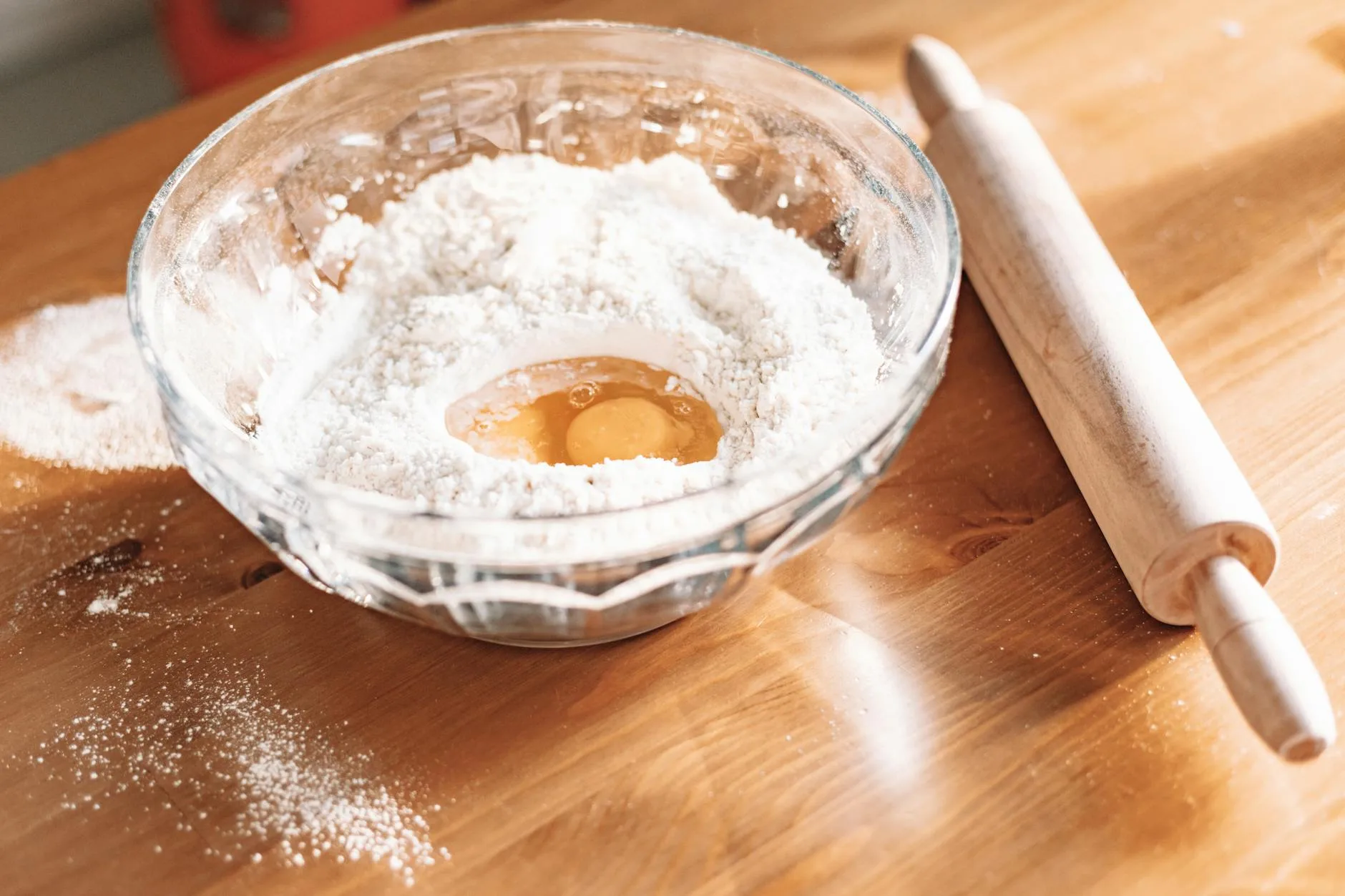
This ratio works every time: 100g flour per egg. For four people, that’s 300g flour and 3 eggs. For two people, use 200g flour and 2 eggs. Scale up or down as needed — the ratio is what matters.
Flour Choice: 00 vs Plain vs Semolina
- 00 flour — finely milled Italian flour. Produces the silkiest, smoothest pasta. Available in most UK supermarkets (Sainsbury’s, Waitrose, Tesco all stock it)
- Plain flour — works perfectly well. Slightly chewier texture. Don’t use self-raising — the raising agents make terrible pasta
- Semolina flour — coarser grind. Makes pasta with more bite and texture. Mix 50/50 with 00 flour for a rougher surface that holds sauce better
- 50/50 blend — half 00, half semolina is what many Italian home cooks use for shapes like orecchiette and penne
Egg Choices
Egg size matters more than you’d think. Large UK eggs (about 63–73g each) are what this recipe is calibrated for. If you use medium eggs, the dough will be too dry — add a splash of water. The yolk-to-white ratio also affects colour: for extra-rich golden pasta, use 6 yolks instead of 3 whole eggs (same amount of liquid, more fat and colour).
Mixing the Dough Step-by-Step
- Fit the dough hook to your stand mixer
- Add 300g of 00 flour to the mixer bowl
- Make a slight well in the centre and crack in 3 eggs
- Add 1 tablespoon of olive oil and a pinch of salt
- Start the mixer on its lowest speed (speed 1 on a KitchenAid, minimum on a Kenwood)
- Mix for 2 minutes until the ingredients come together into a rough, shaggy ball
- Increase to speed 2 and knead for 5 minutes until the dough is smooth and springs back when poked
- If the dough is too sticky, add flour one tablespoon at a time. If too dry and crumbly, add water one teaspoon at a time
- The finished dough should be smooth, slightly tacky but not sticky, and feel like playdough
What “Done” Looks Like
The dough is ready when it passes the poke test: press your finger into it, and it springs back slowly leaving a slight indent. The surface should be smooth — no visible cracks or dry patches. If you pull a small piece, it should stretch slightly before tearing rather than snapping immediately.
If your mixer struggles with the stiff dough, don’t worry — pasta dough is much stiffer than bread dough. Most mixers handle it fine on low speeds, but check your mixer’s maximum capacity to make sure you’re not overloading it.
Resting the Dough: Why It Matters
Wrap the dough ball tightly in cling film and rest it at room temperature for at least 30 minutes, up to 2 hours. This step is not optional.
What Happens During the Rest
The gluten strands you’ve just developed during kneading are tense and elastic — like a rubber band that’s been stretched. Resting allows those strands to relax, making the dough much easier to roll thin. Skip this step and the dough springs back every time you try to roll it, fighting you the entire way.
How Long Is Long Enough?
- 30 minutes — minimum. The dough will be workable
- 45-60 minutes — ideal. Rolls out smoothly with minimal spring-back
- 2 hours — maximum at room temperature. Beyond this, refrigerate it
- Overnight in the fridge — works brilliantly. Bring to room temperature for 20 minutes before rolling
The rested dough should feel noticeably softer and more pliable than it did straight from the mixer.
Rolling and Cutting with the Pasta Attachment
If you have a roller attachment for your stand mixer, this is where it earns its money. If not, a rolling pin and some patience will get you there — skip to the hand-rolling section below.
Using the Roller Attachment
- Cut the rested dough into 4 equal pieces. Work with one piece at a time and keep the rest wrapped
- Flatten one piece into a rough rectangle with your hands — about 1cm thick
- Set the roller to its widest setting (usually setting 1 or 0)
- Feed the dough through. It’ll come out rough and irregular — that’s normal
- Fold the sheet in thirds (like a letter), flatten slightly, and feed it through again on the same setting
- Repeat this folding step 3–4 times. This lamination builds structure and smooths the dough
- Now start narrowing the roller: setting 2, then 3, then 4, feeding the dough through once at each setting
- For tagliatelle: stop at setting 5 or 6 (about 1–2mm thick)
- For lasagne: setting 5 is fine
- For ravioli or filled pasta: go to setting 6 or 7 (paper-thin)
Hand Rolling (No Attachment)
Flour your work surface generously. Roll from the centre outward, rotating the dough 90° after every few rolls. Aim for about 1–2mm thick for long pasta, thinner for filled pasta. This takes about 5 minutes per quarter of dough and builds impressive forearm muscles.
Cutting Long Pasta
Once rolled, let the sheets dry for 5 minutes on a floured surface — just until the surface feels slightly leathery but not brittle. If you have the cutter attachment:
- Tagliatelle — the wider cutter
- Fettuccine — same width, slightly thicker roll setting
- Spaghetti — the narrower cutter
By hand: dust the sheet with semolina, roll it loosely into a flat scroll, and slice across with a sharp knife. Unroll the cut pieces and toss with semolina to prevent sticking.
Pasta Shapes You Can Make at Home
You don’t need fancy attachments for most shapes. Here are the ones that work brilliantly with stand-mixer dough:
Long Pasta (Roller Required)
- Tagliatelle — 8mm wide ribbons. The classic with ragu
- Pappardelle — 20mm wide ribbons. Cut by hand with a knife or pizza cutter
- Lasagne sheets — cut to fit your dish. No need for the thin setting
- Fettuccine — 6mm ribbons. Slightly thinner than tagliatelle
Hand-Shaped (No Roller Needed)
- Orecchiette — “little ears.” Roll a rope, cut small discs, press with your thumb
- Cavatelli — similar to orecchiette but rolled along a gnocchi board for ridges
- Malloreddus — Sardinian gnocchi. Pressed with a fork for ridges that hold sauce
- Trofie — twisted short pasta. Roll small pieces between your palms
Filled Pasta (Thin Roll Required)
- Ravioli — two thin sheets with filling between. Seal edges with a fork
- Tortellini — small squares folded around filling, then shaped into rings
- Agnolotti — half-moon shapes pinched closed
The pasta attachment guide covers which attachments work with which mixer brand, including the press-style extruders that make rigatoni and penne.
Cooking Fresh Pasta: Timing and Tips
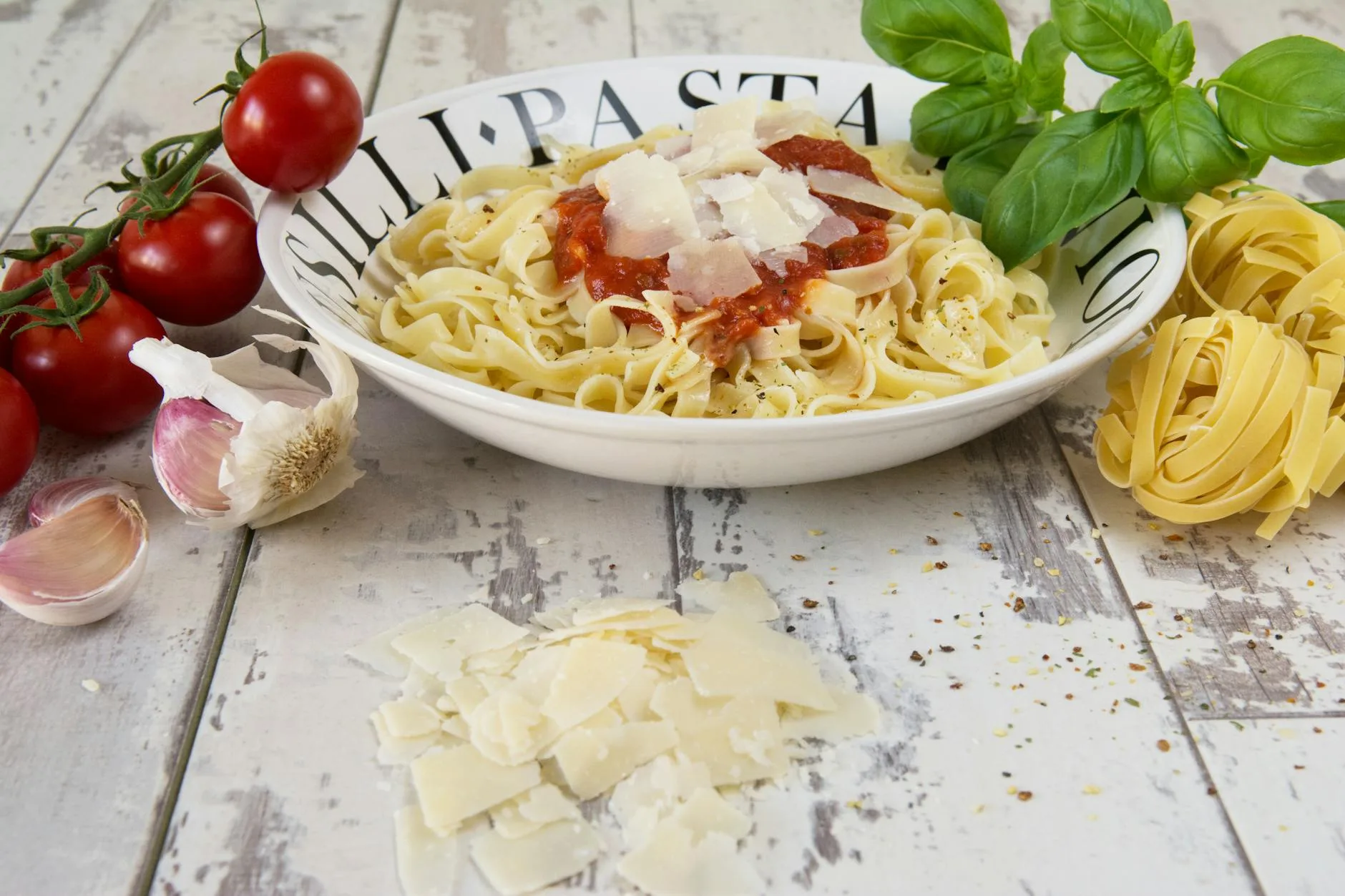
Fresh pasta cooks much faster than dried — we’re talking 2–4 minutes, not 10–12. This is the bit that catches people out on their first attempt.
The Method
- Bring a large pot of water to a rolling boil — at least 4 litres for 300g of fresh pasta
- Salt generously — about 1 tablespoon per litre. The water should taste noticeably salty
- Add the pasta and stir immediately to prevent sticking
- Cook for 2–3 minutes for thin pasta (tagliatelle, fettuccine), 3–4 minutes for thicker shapes
- Taste at 2 minutes — fresh pasta goes from perfect to overcooked in about 30 seconds
- Reserve a mug of pasta water before draining — the starchy water helps bind sauces
The Golden Rule
Fresh pasta should be slightly chewy — al dente. If it’s soft and floppy, it’s overcooked. Since it cooks so fast, have your sauce ready and waiting before the pasta goes in. The Food Standards Agency advises proper cooking of fresh egg pasta to eliminate any food safety concerns from raw eggs.
Which Sauces Work Best
Fresh pasta has a delicate texture that pairs better with lighter sauces:
- Butter and sage — simple, lets the pasta shine
- Cacio e pepe — cheese and pepper. The starchy pasta water creates the sauce
- Ragu bolognese — the classic pairing with tagliatelle
- Carbonara — egg-based sauce on egg pasta. Rich but perfect
- Pesto — toss with the hot pasta and a splash of cooking water
Avoid heavy, gloopy sauces that overwhelm fresh pasta’s delicate flavour.
Troubleshooting Common Pasta Problems
Dough Too Dry and Crumbly
The flour absorbed too much moisture, or your eggs were smaller than expected. Add water one teaspoon at a time with the mixer running on low. In winter, flour tends to be drier — you may need an extra tablespoon of water compared to summer batches.
Dough Too Sticky
Too much liquid relative to flour. Add flour one tablespoon at a time. Sticky dough also happens if you use warm eggs straight from a sunny windowsill — the heat makes the dough slacker.
Pasta Tears When Rolling
Either the dough hasn’t rested enough (the gluten is still tense) or you’re jumping roller settings too aggressively. Never skip more than one setting at a time — going from 1 straight to 4 tears the dough every time.
Pasta Sticks Together After Cutting
Dust generously with semolina flour (not plain flour, which goes gummy). Or hang the cut pasta on a drying rack, the back of a chair, or a clean coat hanger for 5 minutes before cooking.
Pasta Falls Apart in the Water
Under-kneaded dough hasn’t developed enough gluten to hold together. Next time, knead for a full 5–7 minutes in the mixer. Also check you’re not overcooking — mushy pasta disintegrates.
Storing Fresh Pasta
Same Day (Best)
Cook within 4 hours of making. If waiting more than 30 minutes, dust with semolina and either:
- Coil into nests on a floured tray
- Hang from a pasta rack or the back of a chair
Refrigerator (1–2 Days)
Dust nests with semolina, place on a parchment-lined tray, and cover with cling film. Use within 48 hours — the egg content means it won’t last longer.
Freezer (Up to 3 Months)
Freeze pasta nests on a parchment-lined tray until solid (about 2 hours), then transfer to a freezer bag. Cook directly from frozen — add 1 extra minute to the cooking time. Frozen fresh pasta is one of the best kitchen time-savers you can prep on a Sunday.
Keep reading on KitchenGearUK: Stand Mixer Attachments Explained: What Each One Does, Stand Mixer Bowl Sizes Explained: What Capacity Do You Need?, How to Make Bread with a Stand Mixer, Best Stand Mixers 2026 UK: KitchenAid, Kenwood & Smeg.
Frequently Asked Questions
Can I use a food processor instead of a stand mixer? Yes — pulse the flour and eggs until they form coarse crumbs (about 30 seconds), then tip onto a surface and knead by hand for 5 minutes. A food processor is faster than hand mixing but doesn’t knead the dough. A stand mixer with a dough hook does both jobs without you getting flour under your fingernails.
Do I need 00 flour or can I use plain flour? Plain flour works fine — the pasta will be slightly chewier and less silky, but perfectly good. Self-raising flour is the only one to avoid completely: the raising agents create an unpleasant spongy texture. If your supermarket stocks 00 flour (most now do), it’s worth the small premium.
How thin should I roll the pasta? For tagliatelle and fettuccine, about 1–2mm (setting 5–6 on most roller attachments). For filled pasta like ravioli, as thin as you can go without tearing — usually setting 6–7. For lasagne, setting 4–5 is fine since it’ll absorb liquid in the oven and soften.
Why does my pasta taste eggy? Fresh egg pasta should taste richer than dried, but if it’s overwhelmingly eggy, you may have used too many eggs relative to flour. Stick to the 100g:1 egg ratio. Resting the dough also mellows the raw egg flavour. Cooking for the full 2–3 minutes ensures the eggs are fully cooked through.
Can I make pasta dough ahead of time? Yes — wrapped tightly in cling film, dough keeps in the fridge for up to 24 hours. Bring it to room temperature for 20 minutes before rolling. You can also freeze dough balls for up to a month, though the texture is marginally less smooth after freezing.