You want to start juicing. You’ve done thirty seconds of research and immediately discovered that juicers come in two fundamentally different types — slow (masticating) and centrifugal (fast spinning) — and everyone on the internet has a strong opinion about which is better. The slow juicer crowd insists centrifugal juicers destroy nutrients. The centrifugal camp says slow juicers take too long for busy mornings. Both are wrong about different things. Here’s what actually matters.
In This Article
- How Each Type Works
- Juice Quality Compared
- Speed and Convenience
- What Each Type Juices Best
- Noise Levels
- Cleaning and Maintenance
- Price Comparison
- Which Should You Buy
- Our Top Picks for Each Type
- Frequently Asked Questions
How Each Type Works
Understanding the mechanism explains every difference in performance, juice quality, and noise.
Centrifugal Juicers
A centrifugal juicer works like a very fast food processor with a strainer attached. You feed produce into a chute where a flat spinning disc with tiny blades shreds it at 6,000-14,000 RPM. The centrifugal force throws the juice outward through a fine mesh filter into your glass, while the dry pulp collects in a separate container.
The whole process is fast. Violent, even. A whole apple goes in, juice comes out three seconds later. The trade-off is heat generation and air incorporation — that spinning disc generates friction and whips air into the juice.
Slow Juicers (Masticating)
A slow juicer uses a single auger — a heavy, spiral-shaped screw — that turns at 40-80 RPM. Produce is fed into a narrow chute and the auger crushes and squeezes it against a perforated screen, separating juice from fibre through pressure rather than speed.
It’s like wringing out a wet towel in slow motion. No heat, minimal air incorporation, and a notably drier pulp (meaning more juice extracted per kilogram of produce).
Juice Quality Compared
This is the section that generates the most debate online. Let’s separate fact from marketing.
Nutrient Retention
The slow juicer industry claims centrifugal juicers “destroy enzymes” and “kill nutrients” through heat and oxidation. The truth is more nuanced:
- Heat: Centrifugal juicers do generate some heat through friction, but laboratory tests show juice temperature typically rises by only 1-3°C during extraction — not enough to denature enzymes or destroy vitamins. The “destroys nutrients” claim is largely a marketing invention from slow juicer manufacturers.
- Oxidation: This one has merit. The high-speed blade whips air into centrifugal juice, causing faster oxidation. Centrifugal juice separates and browns within 15-30 minutes. Slow juicer output stays vibrant for 24-48 hours refrigerated.
- Practical difference: If you drink your juice immediately (which most people do), the nutritional difference is negligible. If you batch-prep juice for the week, slow juicers produce juice that lasts meaningfully longer.
Taste
There is a noticeable taste difference:
- Slow juicer output — smoother, richer mouthfeel, less foam, more concentrated flavour. Particularly noticeable with leafy greens and ginger.
- Centrifugal juicer output — lighter, frothier, slightly more dilute. Often produces a thick foam layer on top that some people dislike and others don’t mind.
Yield
Slow juicers extract more juice from the same quantity of produce. The pulp that comes out of a slow juicer is noticeably drier than centrifugal pulp. In practical terms, expect roughly 15-25% more juice per kilo from a slow juicer — which matters when your ingredients are expensive (think ginger at £15/kg or fresh turmeric).
Speed and Convenience
Morning Rush Reality
If you’re juicing before work and have 5 minutes:
- Centrifugal: Feed a whole apple, two carrots, and a chunk of ginger in quickly. Juice ready in 30-45 seconds. Total time including rinse: 3-4 minutes.
- Slow juicer: Cut apple into quarters (narrow feed chute), feed each piece individually, wait for the auger to process. Juice ready in 2-3 minutes. Total time: 5-7 minutes.
The Feed Chute Factor
Centrifugal juicers typically have wide feed chutes (75-84mm) that accept whole fruits. You don’t need to pre-cut anything except the largest items. Slow juicers have narrower chutes (45-55mm on most models) that require everything to be cut into pieces first.
Some newer slow juicers (notably the Hurom H-AA and Nama J2) now offer wide chutes, closing this gap — but they cost £300+.
Prep Time
Including the cutting time for a slow juicer, both types take roughly the same total time for a single juice. The centrifugal wins when you’re making multiple juices in sequence because you never need to stop and wait.
What Each Type Juices Best
Centrifugal Excels With
- Hard fruits and vegetables — apples, carrots, beetroot, cucumbers, celery
- High-water-content produce — watermelon, oranges, grapes
- Large-volume juicing — making a litre or more at once for a family
Slow Juicer Excels With
- Leafy greens — spinach, kale, wheatgrass, herbs (centrifugal juicers barely extract anything from leaves)
- Soft fruits — berries, stone fruits, mangoes
- Ginger and turmeric — extracts noticeably more juice from fibrous roots
- Nut milks — many slow juicers can make almond or oat milk using an alternative screen
The Leafy Green Test
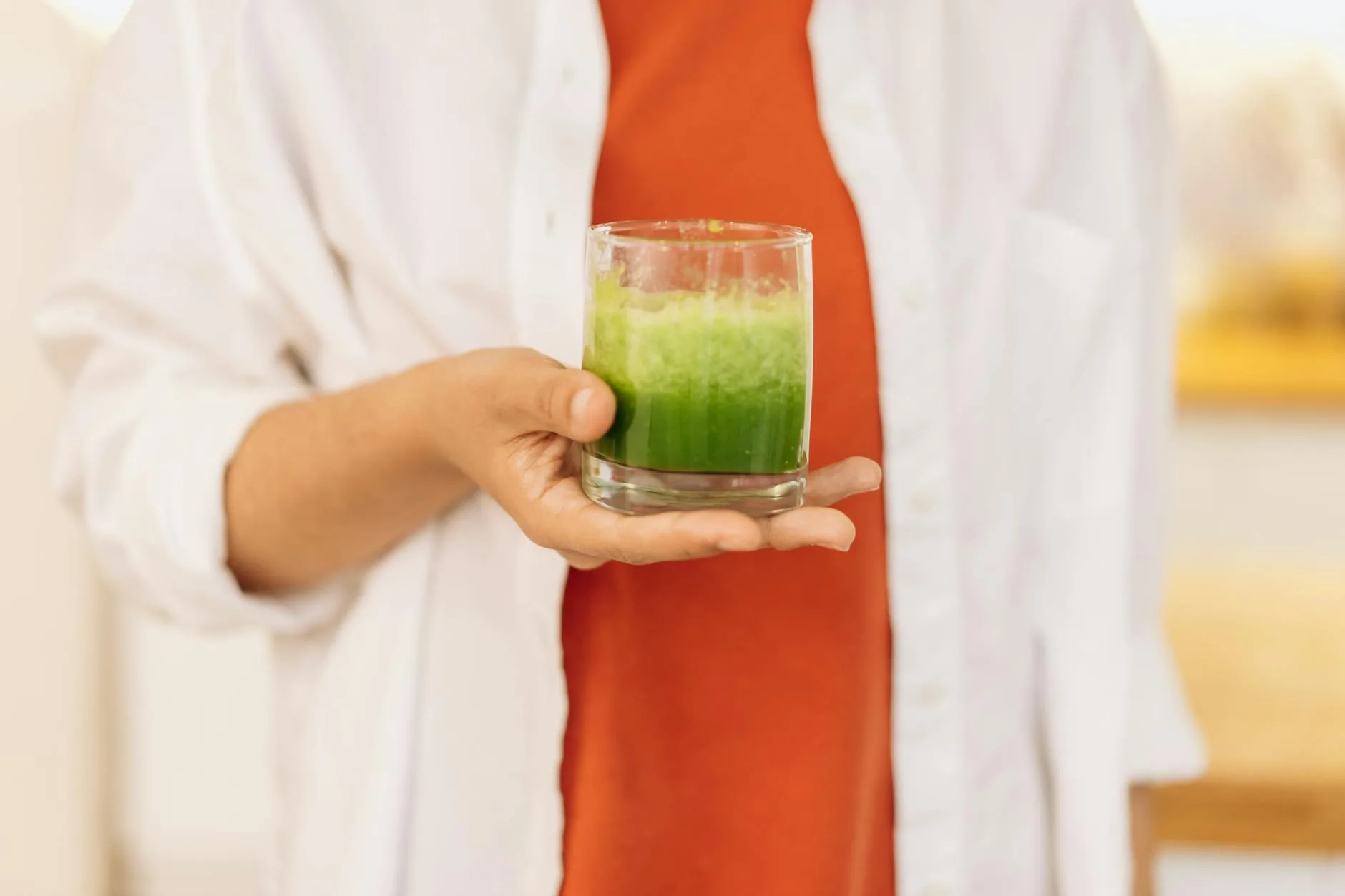
This is the clearest performance gap. Feed a handful of spinach or kale into a centrifugal juicer and you’ll get a few drops of green-tinted water plus a pile of wet pulp. Feed the same handful through a slow juicer and you’ll get a genuine shot of concentrated green juice with dry pulp.
If leafy greens are a significant part of your juicing plan, a slow juicer isn’t just better — it’s the only type that actually works.
Noise Levels
Centrifugal: Loud
Running at 6,000-14,000 RPM, centrifugal juicers produce 80-90 decibels — roughly equivalent to a vacuum cleaner or food processor at full speed. Not something you want to run at 6am while the household sleeps.
Slow: Quiet
At 40-80 RPM, slow juicers produce 40-60 decibels — about the level of a normal conversation. You could run one during a phone call without the other person noticing. A genuine advantage for early-morning juicers or anyone with noise-sensitive housemates.
Cleaning and Maintenance
Centrifugal Cleaning
- 4-6 parts to disassemble (lid, pusher, filter basket, pulp container, jug)
- The mesh filter basket is the worst part — fine pulp gets embedded in the micro-holes and requires a dedicated brush
- Total cleaning time: 3-5 minutes with practice
- Most parts dishwasher-safe on top rack
Slow Juicer Cleaning
- 5-7 parts to disassemble (lid, pusher, auger, filter screen, juice container, pulp container, end cap)
- More parts but each one is simpler — no fine mesh basket
- The auger and screen rinse clean under running water more easily
- Total cleaning time: 3-5 minutes (similar to centrifugal once you’re practiced)
- Fewer dishwasher-safe parts on average
The Honest Truth
Both types take 3-5 minutes to clean properly. Neither is meaningfully better or worse. The people who say “I stopped juicing because cleaning was too much hassle” would have stopped regardless of which type they bought. If you rinse parts immediately after juicing rather than letting pulp dry, both types are manageable.
Price Comparison
Centrifugal Juicers (UK Pricing 2026)
- Budget (£30-60): Breville Juice Fountain Compact, Philips HR1832 — fine for occasional use, limited durability
- Mid-range (£60-120): Sage Nutri Juicer, Philips HR1916 — solid daily drivers with larger pulp containers and wider chutes
- Premium (£120-200): Sage Nutri Juicer Cold Plus, Philips HR1921 — better motors, cold-spin technology, quieter operation
Slow Juicers (UK Pricing 2026)
- Budget (£80-150): Aicok/AMZCHEF slow juicers — functional but motor life is questionable beyond 2-3 years
- Mid-range (£150-300): Hurom HP, Omega NC900 — reliable, well-built, 10+ year warranties
- Premium (£300-600): Nama J2, Hurom H-AA, Kuvings REVO830 — wide chutes, commercial-grade motors, exceptional build quality
Cost Per Year of Use
When you factor in longevity:
- A £100 centrifugal juicer lasting 3-4 years = £25-33/year
- A £250 slow juicer lasting 10+ years = £25/year or less
The upfront premium of slow juicers is largely offset by their longer lifespan. Slow juicer motors operate under less stress (low RPM, high torque) and typically last 8-15 years. Centrifugal motors burn out faster due to the extreme speeds.
Which Should You Buy
Buy a Centrifugal Juicer If
- You juice primarily hard fruits and vegetables (apples, carrots, beet)
- Speed matters more than juice longevity (you drink immediately)
- Budget is tight (under £100)
- You rarely or never juice leafy greens
- You make juice for multiple people at once
- You value minimal prep time over everything else
Buy a Slow Juicer If
- Leafy greens are a regular part of your juice recipes
- You want to batch-prep juice for the day or week ahead
- You juice early in the morning and need quiet operation
- You’re willing to invest more upfront for longer equipment life
- Maximum yield matters (you’re juicing expensive ingredients)
- You want the option to make nut milks or sorbets
The Verdict for Most UK Households
If you’re starting out and unsure whether juicing will stick as a habit, buy a mid-range centrifugal juicer (£60-100). It’s fast, simple, and cheap enough that you won’t resent the purchase if juicing doesn’t become a daily habit.
If you already know you love juicing, or if leafy greens are central to your plan, invest in a slow juicer (£150-300). The yield difference, juice quality, and noise reduction justify the premium — particularly the Omega NC900 or Hurom HP at the mid-range price point.
For more on choosing kitchen appliances that match your actual habits, see our guide on how to choose a blender for smoothies — many of the same buying logic applies.
According to the British Nutrition Foundation, freshly made juice can count as one of your five-a-day portions, though whole fruits and vegetables provide more fibre. Juicing is a supplement to a balanced diet, not a replacement for eating produce whole.

Our Top Picks for Each Type
Best Centrifugal: Sage Nutri Juicer (about £90)
Wide chute accepts whole apples, powerful 1,000W motor, large 2L pulp container means less interruption during batch juicing. Available from John Lewis, Currys, and direct from Sage. The workhorse of UK kitchen juicing — reliable, fast, and well-priced.
Best Slow: Omega NC900 (about £250)
Horizontal auger design that handles everything from celery to wheatgrass to frozen fruit (sorbet function). 15-year motor warranty. Quieter than vertical masticating juicers. Available from UK Juicers and Amazon UK. The buy-it-for-life option.
Best Budget: Philips HR1832 Viva (about £45)
If you just want to try juicing without commitment, this centrifugal Philips does the basics well. Compact, easy to clean, and available everywhere from Argos to Amazon. Not the most powerful motor but adequate for occasional use.
For a broader look at kitchen tech including the latest juicing gear, see our kitchen gadgets worth buying roundup.
Keep reading on KitchenGearUK: Juicing for Beginners: What Fruits and Vegetables to Start With, Best NutriBullet and Personal Blenders 2026 UK, How to Choose a Blender for Smoothies, How to Make Smoothie Bowls with a Blender.
Frequently Asked Questions
Is cold-pressed juice the same as slow-juiced? Essentially yes. “Cold-pressed” is a marketing term used by juice bars and brands to describe juice made with slow/masticating juicers or hydraulic presses. The “cold” refers to the absence of heat generation during extraction. Any juice you make at home with a slow juicer is technically cold-pressed.
Do centrifugal juicers really destroy nutrients? Not in any meaningful way for immediate consumption. Studies show the temperature increase is minimal (1-3°C) and vitamin content differs by less than 5% between extraction methods when juice is consumed immediately. The difference becomes real only when storing juice — centrifugal juice oxidises faster, losing vitamin C and enzymes within hours rather than days.
Can I juice bananas or avocados? Neither works well in any juicer because they don’t contain free liquid — they’re too creamy and dense. You’ll get a thick paste rather than juice. Use these in a blender for smoothies instead. Juicers work best with produce that has high water content: apples, oranges, cucumbers, celery, watermelon, carrots, beetroot.
How much should I expect to spend on produce per week? A daily juice using common ingredients (2 apples, 3 carrots, a thumb of ginger, a handful of spinach) costs roughly £2-3 at supermarket prices. Weekly juicing budget: £15-20 from Tesco, Sainsbury’s, or Aldi. Market stalls and imperfect produce boxes reduce this further. Organic adds roughly 40-50% to the cost.
Which type is easier to clean? They’re roughly equal at 3-5 minutes per clean. Centrifugal juicers have fewer parts but the mesh filter basket is fiddly. Slow juicers have more parts but each one rinses more easily. The key with both: rinse immediately after use. Dried pulp on any juicer part is miserable to remove.