You’re standing in Currys, staring at a wall of coffee machines that all promise café-quality espresso at home, and the price range runs from £40 to £1,400. The one you can afford has a massive picture of George Clooney on the box. The one you actually want requires a second mortgage. Somewhere between Nespresso convenience and La Marzocca obsession, there’s a machine that’ll make your mornings better without turning you into one of those people who times their shots with a stopwatch. Probably.
The UK coffee machine market has exploded over the past few years, driven partly by working from home and partly by the fact that three flat whites a day from Pret costs about £4,000 a year. A decent home coffee machine pays for itself inside six months — faster if you’re a multiple-cups-a-day household. But “decent” means wildly different things depending on what you drink, how much effort you’re prepared to put in, and whether you care about the difference between a 9-bar and a 15-bar pump.
Before choosing a coffee machine, be honest about the routine you will keep up with every morning. Bean-to-cup machines suit people who want fresh grinding with minimal effort, pod machines suit convenience, and espresso machines suit anyone willing to learn grind size, tamping and cleaning. The best machine is the one that fits your weekday habits, not the one with the most impressive specification sheet.
The Five Types of Coffee Machine
Before comparing specific machines, you need to understand the fundamentally different approaches to making coffee at home. Each type suits different people, and buying the wrong type is the biggest source of regret.
Pod Machines
Pod machines (Nespresso, Dolce Gusto, Tassimo) use pre-sealed capsules. You insert a pod, press a button, coffee appears. The appeal is obvious: zero skill required, consistent results, minimal cleaning.
- Cost: £40-200 for the machine, then £0.25-0.45 per pod
- Quality: Decent espresso, limited by the pod format. Nespresso is the best of the pod systems — Vertuo for larger drinks, Original for espresso
- Downsides: Ongoing pod costs add up fast. Environmental concerns despite recycling schemes. Limited variety within each brand’s pod ecosystem. You’re locked into one system
- Best for: People who want quick, easy coffee without any learning curve
Bean-to-Cup Machines
These grind fresh beans, tamp, brew, and (on most models) froth milk automatically. You press a button and get a latte. The machine handles everything.
- Cost: £250-1,400. Entry level: Philips EP2220 (about £280 from Amazon UK). Premium: Jura E8 (about £1,200 from John Lewis)
- Quality: Very good — fresh grinding makes a noticeable difference over pods. Better machines produce genuine espresso with proper crema
- Downsides: Expensive. Bulky — most need 35-40cm of height clearance. Require regular cleaning cycles. Parts wear out over time (grinders, brew groups)
- Best for: Households that drink lots of coffee and want great quality without learning barista skills
Espresso Machines (Manual/Semi-Automatic)
These give you control over the process: you grind the beans (with a separate grinder), tamp them, and pull the shot yourself. The machine provides pressurised water at the right temperature.
- Cost: £150-600 for the machine, plus £80-250 for a separate grinder. Entry level: Sage Bambino Plus (about £350 from Currys). Premium: Sage Barista Express Impress (about £550)
- Quality: The highest ceiling — with practice, you can match or exceed coffee shop quality. But there’s a learning curve
- Downsides: Requires a separate grinder (or a machine with built-in grinder like the Barista Express). Takes practice. Messy. More cleaning than pod or bean-to-cup
- Best for: People who enjoy the process and want the best-tasting coffee possible
Filter/Drip Machines
The classic approach: water drips through ground coffee into a pot. Simple, reliable, makes multiple cups at once.
- Cost: £25-180. Melitta Look Therm (about £50). Moccamaster KBG (about £180 from Lakeland or John Lewis)
- Quality: Different from espresso — clean, smooth, less intense. Done well, filter coffee is excellent. The Moccamaster is considered one of the best filter machines ever made
- Downsides: Only makes filter coffee, not espresso. Not suitable for lattes, cappuccinos, or milk-based drinks without a separate frother
- Best for: People who drink black coffee or Americano-style drinks and want to make multiple cups at once
Cafetière and Stovetop
Not machines in the electrical sense, but worth mentioning because they’re the cheapest route to decent coffee.
- Cafetière/French press: £10-30. Bodum Brazil (about £12) or Bodum Chambord (about £25). Full-bodied coffee, slightly gritty. Zero electricity needed
- Moka pot (stovetop): £15-40. Bialetti Moka Express (about £25). Makes strong, espresso-style coffee on your hob. Iconic design, practically indestructible
Both are excellent if you’re on a tight budget or want minimal countertop clutter.
What Actually Matters in a Coffee Machine
Once you’ve chosen your type, here’s what separates good machines from mediocre ones:
Water Temperature and Pressure
Espresso requires water at 90-96°C pushed through finely ground coffee at about 9 bars of pressure. Cheap machines often fail at one or both:
- Temperature instability — cheaper boilers fluctuate wildly, giving you bitter (too hot) or sour (too cold) shots depending on when you pull them
- 15-bar pumps are misleading — many machines advertise “15-bar pressure” as a feature. This is just the pump’s maximum capacity, not the brewing pressure. What matters is the pressure at the group head during extraction, which should be about 9 bars. A machine with a 15-bar pump and no pressure regulation is worse than one with a 9-bar pump and proper regulation
The Grinder Matters More Than the Machine
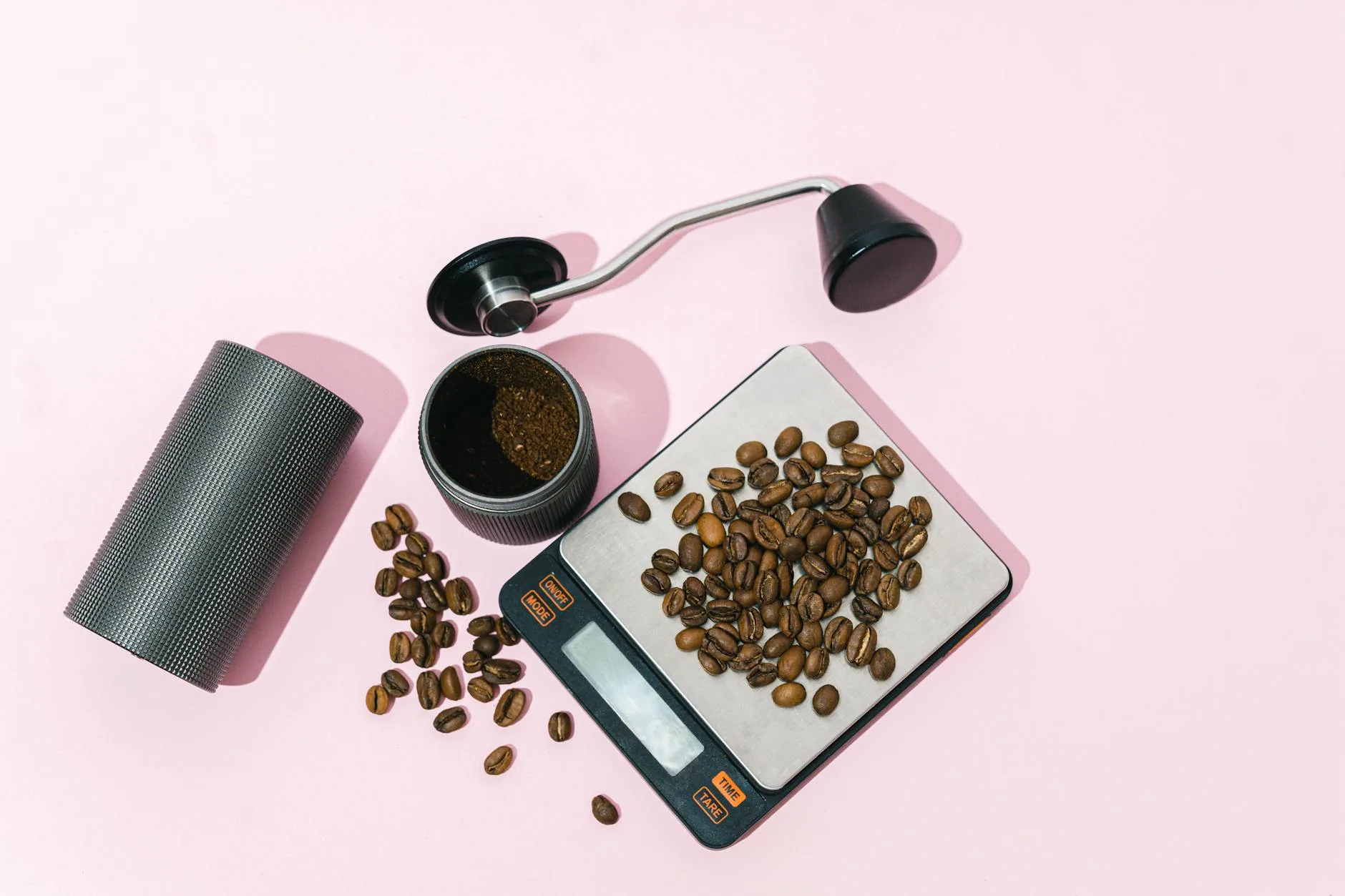
This is the single most important thing most people get wrong. If you’re buying a manual espresso machine, the grinder determines 70% of your coffee quality. A £500 machine with a £30 blade grinder will produce worse coffee than a £200 machine with a £150 burr grinder.
What to look for in a grinder:
- Burr, not blade — blade grinders chop randomly, producing uneven particle sizes. Burr grinders crush beans between two surfaces for consistent grounds
- Stepless or fine-step adjustment — espresso requires precise grind size control. Budget grinders with 10 settings don’t offer enough precision
- Conical vs flat burrs — both work. Conical burrs are quieter and more forgiving; flat burrs are more consistent but louder. For home use, conical is usually the better choice
If your total budget is £400, spend £200 on the machine and £200 on the grinder. That’ll outperform spending £350 on the machine and £50 on the grinder every single time.
Milk Frothing
If you drink lattes, cappuccinos, or flat whites, the milk system matters:
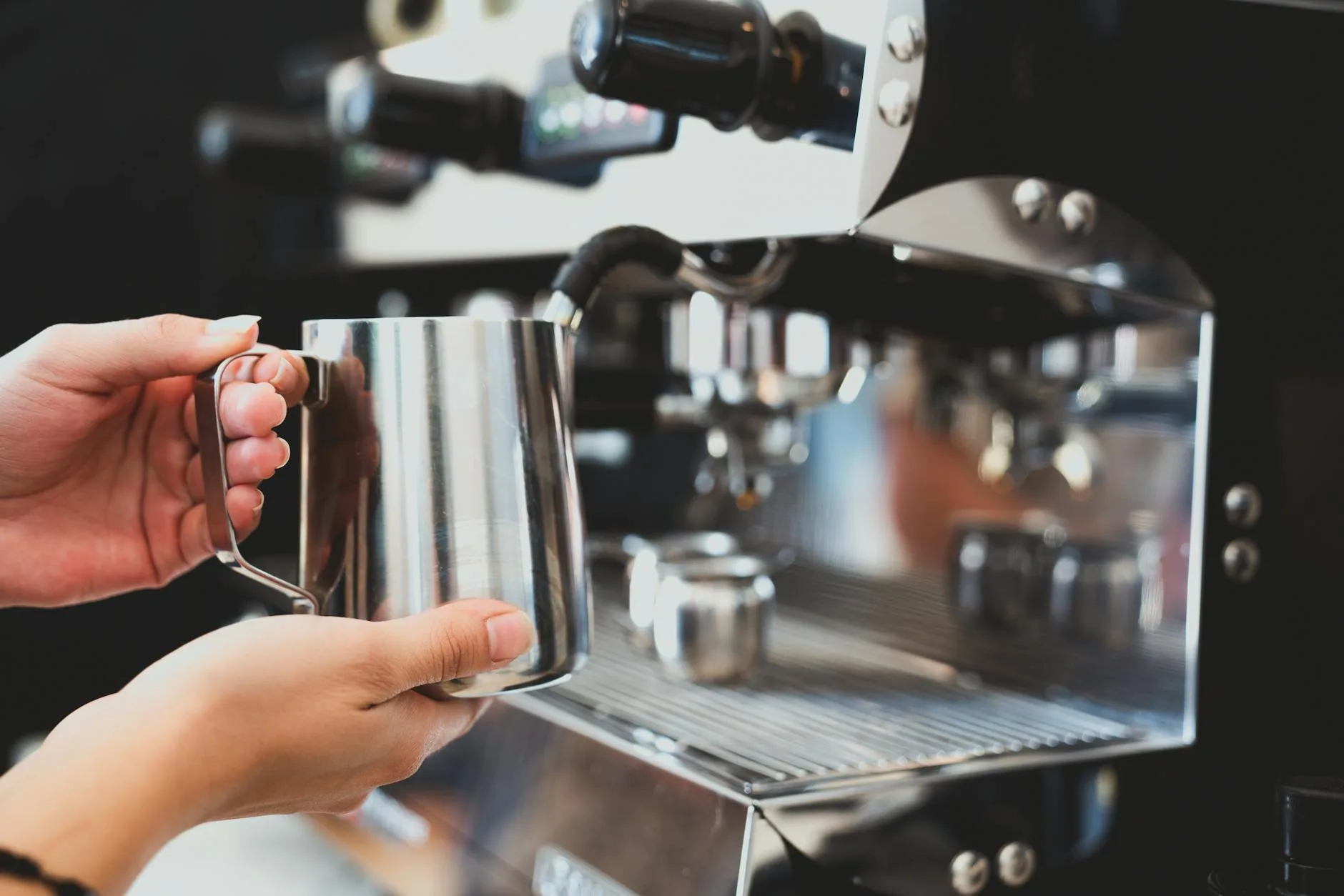
- Steam wands (manual espresso machines) — the gold standard. You control the texture by positioning the wand and timing the steam. Takes practice but produces the best microfoam
- Automatic milk systems (bean-to-cup) — push a button, get frothed milk. Convenient but the texture is usually functional rather than silky. Regular cleaning is essential — milk residue in tubes goes rancid quickly
- Pod machine frothers (Nespresso Aeroccino, Dolce Gusto built-in) — adequate for lattes but the foam is coarse and separates within minutes. Fine if you don’t care about latte art
Size and Counter Space
UK kitchens are small. Before buying, measure your counter space and check the machine dimensions — including height with the lid open:
- Pod machines — compact. Most fit comfortably on any counter. About 25-35cm deep
- Filter machines — moderate. The Moccamaster is taller than you’d expect at 36cm
- Bean-to-cup — large. Most need 30-40cm wide, 40-50cm deep, and 35-45cm tall. Check height clearance under wall cabinets
- Espresso machine + grinder — you need space for two separate appliances. Budget 50-70cm of counter width total
Running Costs
The initial price is only part of the equation:
- Pods: £0.25-0.45 per cup. At 3 cups a day, that’s about £275-490 per year
- Fresh beans (bean-to-cup or espresso): Good UK-roasted beans cost £8-15 per 250g bag. At roughly 18g per double shot, that’s about £0.50-1.00 per cup — but the beans are far better quality
- Filter: The cheapest per cup. Good filter coffee uses about 12g per cup, costing roughly £0.30-0.50
- Descaling: Every coffee machine needs descaling every 1-3 months depending on water hardness. Most of the UK has hard water. Budget about £15-20 a year for descaling tablets
- Replacement parts: Bean-to-cup machines need new brew groups every 2-3 years (£50-100). Pod machines need minimal replacement parts
Best Picks by Budget
Under £100 — Keep It Simple Nespresso Vertuo Pop (about £60 from Currys) for pods, or a Bodum Chambord cafetière (about £25) plus a Hario Mini Mill hand grinder (about £30) for manual brewing. Both routes make good coffee with zero fuss.
£200-400 — The Sweet Spot Sage Bambino Plus (about £350 from Currys or John Lewis) if you want espresso and are willing to learn. Pair with a Sage Smart Grinder Pro (about £180). Alternatively, the Philips EP2220 bean-to-cup (about £280) if you want push-button convenience with fresh beans.
£500-800 — Serious Home Coffee Sage Barista Express Impress (about £550) — machine and grinder combined, with assisted tamping that makes consistency easier. Or the De’Longhi Eletta Explore bean-to-cup (about £700 from John Lewis) for automated luxury.
£800+ — Enthusiast Territory Separate espresso machine and premium grinder. Lelit Anna PID (about £400 from Bella Barista) plus Eureka Mignon Specialita (about £340 from Coffee Hit). This combination produces coffee that rivals most independent coffee shops.
Common Mistakes When Buying a Coffee Machine
Overspending on the machine, underspending on the grinder. We covered this above, but it bears repeating. The grinder is where quality lives.
Buying a bean-to-cup when you only drink Americanos. If you don’t drink milk-based coffees, a bean-to-cup machine’s automatic milk system is wasted money. Get a simpler machine and save £300.
Ignoring maintenance requirements. Every coffee machine needs regular cleaning. Bean-to-cup machines need daily rinse cycles and weekly cleaning tablets. Espresso machines need regular backflushing. If you’re not prepared to maintain it, stick with pods — they’re forgiving.
Buying based on bar pressure claims. “15-bar Italian pump” sounds impressive and means almost nothing. Look at temperature stability, build quality, and whether the machine has a PID controller (digital temperature control) instead.
Not trying different beans. The machine is only as good as what you put through it. Buy from UK speciality roasters — Square Mile, Hasbean, Origin, Dark Arts, Assembly — and try different origins and roast levels. Supermarket beans are usually stale by the time you buy them.
If you enjoy experimenting in the kitchen, you might also want to read our guide to choosing the right cookware — getting the right tools makes everything more enjoyable.
For quicker cooking solutions, our air fryer guide covers another kitchen appliance that’s transformed UK kitchens.
For brew quality and machine terminology, the Specialty Coffee Association coffee standards are useful background alongside the practical buying advice here.
Keep reading on KitchenGearUK: Best Pod Coffee Machines 2026 UK: Nespresso & Dolce Gusto, How to Froth Milk Without an Espresso Machine, Filter Coffee Machines: Why They’re Making a Comeback, Coffee Machine Types Explained: Bean-to-Cup, Pod, Filter & Espresso.
Frequently Asked Questions
What’s the cheapest way to make good coffee at home? A cafetière (about £15) and a hand grinder (about £30) will make excellent coffee for under £50 total. Buy freshly roasted beans from a UK speciality roaster for £8-12 per bag. This setup outperforms most pod machines on taste.
Are pod coffee machines bad for the environment? They’re not great. Nespresso aluminium pods are recyclable through their own scheme, but most people don’t bother. Dolce Gusto and Tassimo pods are harder to recycle. Compostable pods exist but often don’t compost in home bins — they need industrial composting facilities.
How long do coffee machines last? Pod machines typically last 3-5 years. Bean-to-cup machines last 5-8 years with proper maintenance. Manual espresso machines can last 10-20 years — the Gaggia Classic from 2005 is still going strong in many UK homes. Quality and maintenance matter more than price.
Do I need a water filter for my coffee machine? In hard water areas (most of England), yes. Hard water causes limescale buildup that damages the machine and affects coffee taste. Use a Brita jug or the machine’s built-in filter if it has one. Descale regularly regardless — every 1-3 months depending on usage and water hardness.
Is a bean-to-cup machine worth the money? If you drink 3+ coffees a day and want consistent quality without effort, yes. The convenience of pressing a button for a fresh-ground latte is genuinely life-improving. If you drink one coffee a day or only black coffee, the premium over a simpler machine is harder to justify.