You open the cupboard to grab a frying pan and three things fall out. The spice rack is buried behind a tower of Tupperware. The blender hasn’t moved from the worktop since Christmas even though you’ve used it twice. And every time you cook, you spend half the time shuffling things around just to find space to chop an onion.
Small kitchens aren’t the problem. Disorganised small kitchens are the problem. Most UK homes — especially terraced houses, flats, and those galley kitchens that builders seem to love — don’t give you much square footage to work with. But with some smart organisation, you can make a compact kitchen feel twice as big and cut your cooking time in half.
I’m not talking about buying a load of fancy organisers from Instagram. Most of this is about rethinking what goes where and getting rid of stuff you don’t use. Let’s get into it.
Start by Clearing Everything Out
Before you reorganise anything, you need to know what you’re working with. Pull everything out of your cupboards, drawers, and worktops. Yes, all of it. Pile it on the dining table or the floor.
This does two things: it shows you exactly how much stuff you’ve accumulated (prepare to be surprised), and it lets you clean the insides of your cupboards — something that probably hasn’t happened since you moved in.
Now sort everything into three groups:
- Keep — things you use at least monthly
- Store elsewhere — seasonal items or rarely used gadgets (that ice cream maker can live in the garage)
- Donate or bin — duplicates, broken items, that spiralizer you bought in 2019 and used once
Most people find they can reduce their kitchen contents by 20-30% just by being honest about what they actually use. That chopping board you use every day stays. The fondue set from Aunty Carol? Probably time to let it go.
The Golden Rule: Zones
Professional kitchens are organised into stations — prep, cooking, cleaning, plating. Your small kitchen needs the same logic, just on a smaller scale.
The five kitchen zones:
- Prep zone — worktop space near your chopping boards and knives. This should be your largest clear area.
- Cooking zone — around the hob and oven. Pans, oils, spatulas, and spices should live within arm’s reach of here.
- Cleaning zone — around the sink. Washing-up liquid, cloths, bin bags, and your draining rack.
- Storage zone — fridge, freezer, and any food cupboards. Group similar items together.
- Appliance zone — wherever your kettle, toaster, and daily-use appliances sit.
The principle is simple: everything lives where you use it. Mugs go near the kettle. Pans go near the hob. Cling film and foil go near the prep area. Once you stop walking back and forth across the kitchen for every item, you’ll be amazed how much faster cooking becomes.
Worktop Space: Protect It Fiercely
In a small kitchen, clear worktop space is your most valuable asset. Every item sitting on the worktop that you don’t use daily is stealing cooking space from you.
What should stay on the worktop:
- Kettle (you use it multiple times a day)
- Toaster (if you use it daily)
- Knife block or magnetic knife strip
- One cooking oil and salt
- Draining rack (if you hand-wash)
What should NOT live on the worktop:
- Bread bin (mount one on the wall or use a cupboard shelf)
- Stand mixer (unless you bake weekly — store it in a cupboard)
- Air fryer (keep it accessible but not permanently plugged in unless it’s your daily cooking method)
- Fruit bowl (hang a fruit basket from the wall or underneath a cupboard instead)
- Anything decorative — sorry, but that novelty cookie jar is using prime real estate
A magnetic knife strip on the wall frees up an entire worktop knife block’s worth of space. They cost about £10-15 from Amazon UK or John Lewis and take 10 minutes to install. Single best upgrade for worktop space.
Cupboard Organisation That Actually Works
The inside of your cupboards is where most small-kitchen storage potential is wasted. Standard shelves are too far apart, leaving dead vertical space. Items get shoved to the back and forgotten.
Shelf risers: These are U-shaped metal or bamboo stands that create a second shelf layer inside a cupboard. They cost about £8-12 from Amazon UK and instantly double the visible storage in any cupboard. Use them for mugs, plates, tins, or spice jars.
Door-mounted organisers: The inside of cupboard doors is completely wasted space in most kitchens. Stick-on or screw-in racks (about £5-10) can hold spice jars, cling film, foil, or cleaning supplies. They’re particularly useful inside the under-sink cupboard door for sponges and cloths.
Lazy Susans: A rotating turntable in a deep cupboard means you never lose things at the back again. Brilliant for oils, vinegars, sauces, and spices. About £8-15 from Argos or Amazon UK. Put one on each deep shelf.
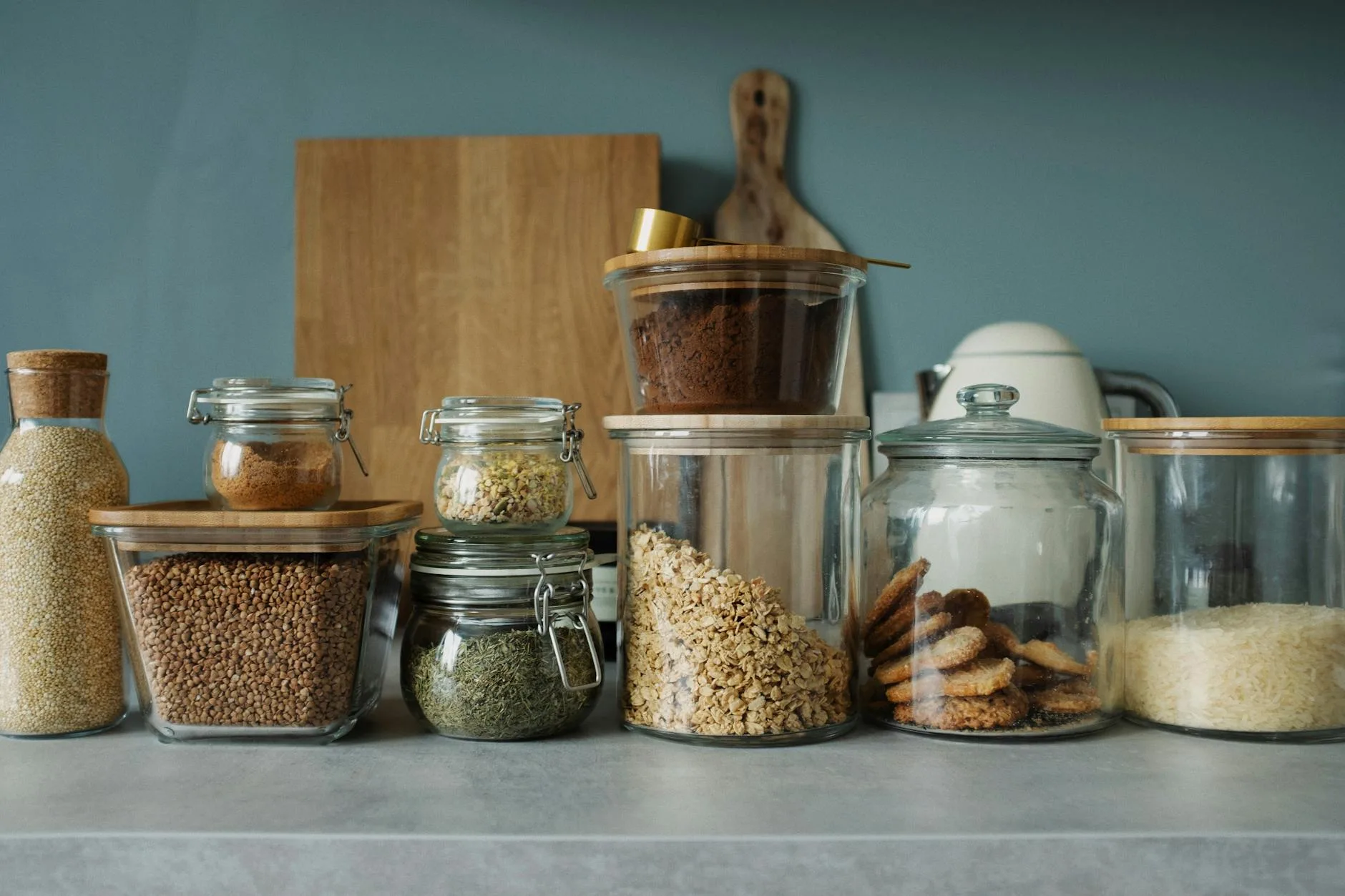
Stackable containers: Transfer dry goods (pasta, rice, flour, cereal) from their packaging into clear stackable containers. This does three things: you can see what you have at a glance, they pack more efficiently than oddly-shaped bags and boxes, and they keep food fresher. A set of airtight containers costs about £15-25 from IKEA, Lakeland, or Amazon UK.
Pull-out baskets: If you have deep, hard-to-reach cupboards, pull-out wire baskets (about £15-25 each) transform them. No more kneeling on the floor with a torch trying to find the coconut milk at the back of the corner cupboard.
Drawer Mastery
Kitchen drawers are either beautifully organised or complete chaos. There’s rarely a middle ground.
The utensil drawer: Use a proper drawer divider — not the flimsy plastic ones that slide around, but an expandable bamboo one that fits snugly (about £10-15). Group items logically: cooking utensils in one section, serving utensils in another, and be ruthless about what goes in here. You don’t need four wooden spoons.
The junk drawer: Every kitchen has one. The trick is giving it structure — small containers or dividers for batteries, pens, takeaway menus, scissors, and string. Without dividers, it just becomes a pit where things go to die.
Deep pan drawers: If you have them, stand pans upright rather than stacking them. File them like books. It protects the non-stick coating on your frying pans and lets you grab any pan without unstacking the others.
Vertical Space Is Your Best Friend
In a small kitchen, the walls and the space above your cupboards are often completely unused. That’s a lot of potential storage going to waste.
Wall-mounted options:
- Pegboard — an IKEA SKÅDIS or similar pegboard on a wall near the prep area can hold utensils, scissors, small pots, and even a shelf for spices. Modular, adjustable, and surprisingly good-looking. About £20-30 from IKEA.
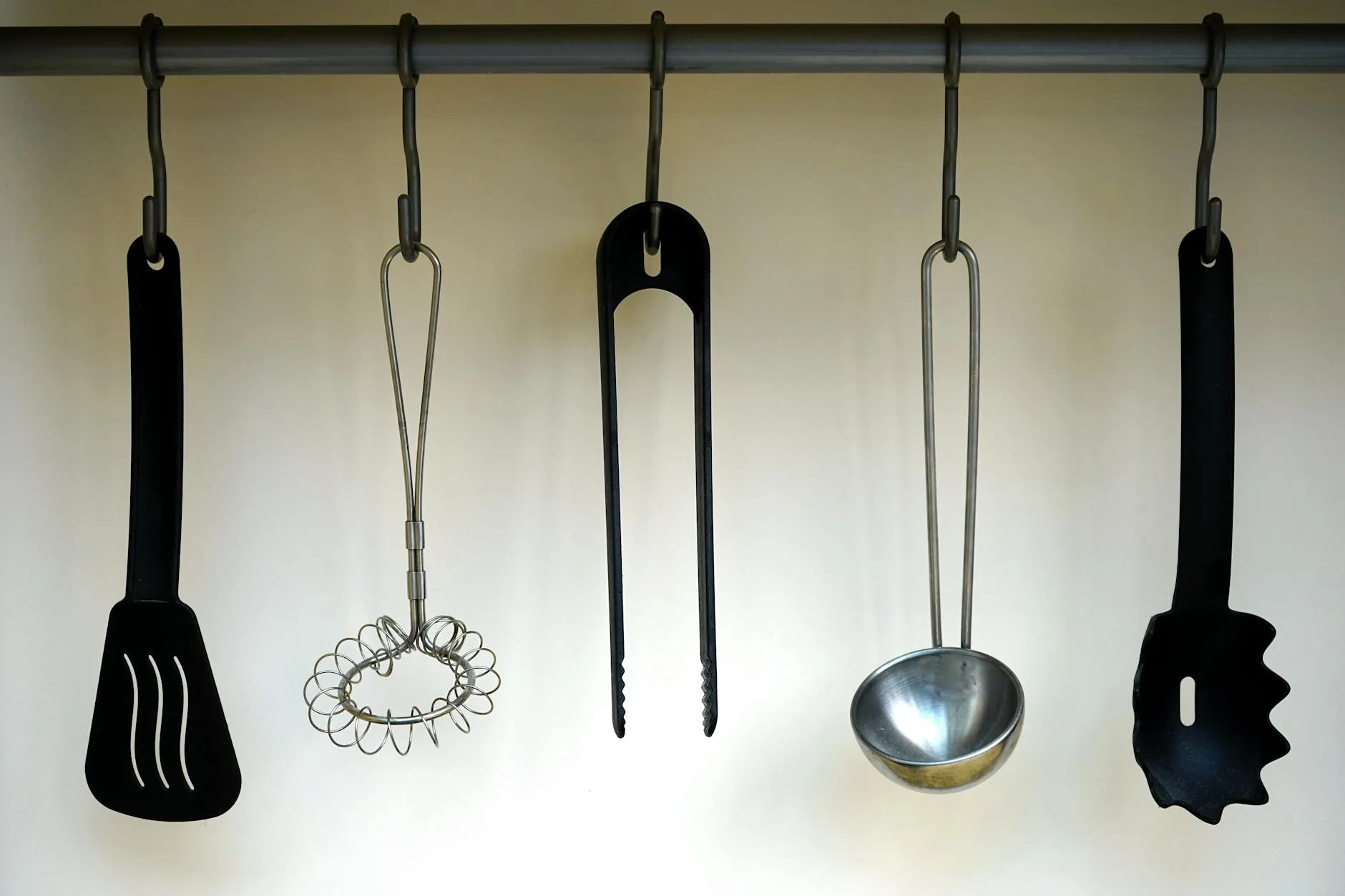
- Rails with hooks — a simple metal rail (like the IKEA KUNGSFORS range) with S-hooks can hang pans, colanders, oven gloves, and mugs. Costs about £10-15 and frees up an entire cupboard.
- Magnetic spice jars — stick them to a metal strip on the wall or even on the side of the fridge. Keeps spices visible and accessible without using any shelf space. About £15-25 for a set.
- Floating shelves — a couple of narrow floating shelves above the worktop for oils, spices, or frequently used ingredients. Keep them at eye level so things don’t become invisible and forgotten.
Above cupboards: That gap between the top of your wall cupboards and the ceiling is useful for things you rarely need — serving platters, seasonal bakeware, extra vases. Use attractive baskets or boxes to keep it looking neat rather than just piling stuff up there.
Under-shelf hooks: These clip onto existing cupboard shelves and let you hang mugs, small pans, or storage bags from the underside of the shelf above. They cost about £5-8 for a pack and add instant extra capacity.
The Fridge and Freezer
A disorganised fridge wastes food and money. In a small kitchen, your fridge is likely a standard under-counter model or a slim freestanding unit — you can’t afford to waste any of it.
Fridge zones:
- Top shelf — dairy, eggs, cooked meats, leftovers (coldest area in most fridges)
- Middle shelves — ready-to-eat foods, sauces, dips
- Bottom shelf — raw meat and fish (prevents drips contaminating other food)
- Drawers — fruit and veg (humidity-controlled)
- Door — condiments, juice, water (warmest area, so nothing that spoils fast)
Clear containers in the fridge make a bigger difference than you’d expect. Group ingredients by meal type or by “use first” priority. A “use this week” box at eye level means less food waste.
Freezer organisation: Label everything with contents and date. Use freezer bags laid flat (they stack much better than containers). Keep a list on the freezer door of what’s inside — or a simple notes list on your phone. You’ll buy less duplicate food and actually use what you freeze.
Smart Shopping for Small Kitchens
What you buy affects how easy your kitchen is to keep organised.
Buy less, more often. This is common in Europe but less natural in the UK where we tend to do one big weekly shop. Smaller, more frequent shops mean less stuff crammed into your cupboards and fridge, and less food waste. If you’re close to an Aldi, Lidl, or local shops, two or three smaller trips per week keeps your kitchen calmer.
Choose multi-use tools over single-use gadgets. A good blender replaces a smoothie maker, a soup maker, and a food mill. A quality chef’s knife replaces a garlic press, a mezzaluna, and half the gadgets in your drawer. Every tool that does only one job is using space that a versatile tool could save.
Watch the “as seen on TV” purchases. Every kitchen gadget promises to revolutionise your cooking. Most end up at the back of a cupboard within two months. Before buying anything new, ask: “Where will this live permanently?” If the answer is “I’ll find somewhere,” don’t buy it.
Maintenance: The 5-Minute Daily Reset
Organisation isn’t a one-time project. It’s a daily habit — but it only needs to take five minutes.
After cooking each evening:
- Clear and wipe worktops completely
- Put everything back in its zone
- Empty the draining rack or dishwasher
- Check the fridge for anything that needs using tomorrow
Weekly (10 minutes):
- Wipe cupboard shelves and drawer interiors
- Check dates on fridge items
- Restock basics (check before your shop, not during)
The difference between a kitchen that stays organised and one that slides back into chaos is this daily reset. Five minutes after dinner, every evening. Make it non-negotiable and it becomes automatic within a couple of weeks.
Small Kitchen Upgrades Worth the Money
If you want to invest a bit in your kitchen organisation, here are the purchases that make the biggest difference per pound spent:
- Magnetic knife strip — £10-15. Frees up worktop space immediately.
- Shelf risers (set of 3) — £12-18. Doubles visible cupboard capacity.
- Over-door rack for cleaning cupboard — £8-12. Organises under-sink chaos.
- Expandable drawer divider — £10-15. Transforms the utensil drawer.
- Clear food storage containers (set) — £15-25. Saves pantry space and reduces waste.
- Pegboard for wall — £20-30. Flexible, adjustable visible storage.
- Lazy Susan for deep cupboards — £8-15 each. Eliminates the black hole at the back.
Total investment: about £80-130 for all of these. That’s less than a single trip to IKEA for a Billy bookcase, and it’ll transform how your kitchen feels to use every single day.
For hygiene basics in a tighter cooking space, the Food Standards Agency cleaning guidance is a useful companion to the organisation steps above.
Keep reading on KitchenGearUK: How to Deep Clean Your Kitchen Appliances, How to Batch Cook and Freeze Meals Efficiently, Best Food Processors 2026 UK: Chopping, Slicing & Dough, Kitchen Gadgets That Are Actually Worth the Drawer Space.
Frequently Asked Questions
How do I organise a small kitchen with no pantry? Use the inside of cupboard doors for spice racks and small storage. Transfer dry goods into clear stackable containers to maximise shelf space. A tall, narrow trolley (about £20-30 from IKEA or Argos) can slot into a gap between appliances and act as a mini pantry. Consider a pegboard or wall shelves for items that would otherwise eat cupboard space.
What should I keep on the worktop in a small kitchen? Only items you use daily: kettle, toaster (if used daily), knife block or magnetic strip, one cooking oil, and your draining rack if you hand-wash. Everything else should live in a cupboard, on a shelf, or mounted on the wall. Clear worktop space is the single biggest factor in how usable a small kitchen feels.
How do I stop my kitchen cupboards getting messy again? The five-minute daily reset after cooking is the key. Clear worktops, put everything back in its zone, and empty the draining rack every evening. This small habit prevents the gradual slide back into chaos. Also, apply a one-in-one-out rule — for every new kitchen item that comes in, something old goes out.
Are kitchen organisers worth buying? Some are genuinely useful — shelf risers, drawer dividers, lazy Susans, and clear food containers all make a measurable difference for under £15 each. Avoid heavily marketed gadget organisers that solve problems you don’t have. The best organisers are simple, sturdy, and fit your specific cupboard dimensions.
How do I make the most of vertical space in a small kitchen? Install a pegboard, wall rail with hooks, or floating shelves on empty wall space. Use magnetic strips for knives and spice jars. Hang pans from ceiling hooks if you have the height. Use above-cupboard space for seasonal or rarely used items stored in baskets. The walls and ceiling are often completely unused in small kitchens.