It’s Wednesday evening, you’ve just got in from work, the kids are hungry, and the fridge is staring back at you with nothing but half a pepper and some questionable leftover rice. Sound familiar? Batch cooking is how you avoid that moment entirely — a few hours on a Sunday afternoon sets you up with ready-made meals for the whole week, all sitting in your freezer waiting to be reheated.
In This Article
- Why Batch Cooking Works
- Essential Equipment You Already Own
- The Best Meals to Batch Cook and Freeze
- Meals That Don’t Freeze Well
- How to Plan a Batch Cooking Session
- Step-by-Step: Your First Batch Cooking Day
- Cooling and Freezing Safely
- Labelling and Storage Systems
- How to Defrost and Reheat Properly
- Batch Cooking for Different Household Sizes
- Saving Money with Batch Cooking
- Common Batch Cooking Mistakes
- Frequently Asked Questions
Why Batch Cooking Works
The concept is simple: cook once, eat many times. Instead of making one portion of bolognese on a Tuesday night, you make six portions on a Sunday and freeze five. Each weeknight becomes a 10-minute reheat instead of a 45-minute cook.
Time Savings That Actually Add Up
I tracked my kitchen time for a month when I first started batch cooking. Before: roughly 5 hours per week on evening meals. After: about 3 hours on a Sunday plus 30 minutes total across weeknights for reheating and sides. That’s over 2 hours back every week — and the cooking itself felt less stressful because there was no time pressure.
Less Food Waste
When you buy ingredients with a plan, the odds of that bag of spinach wilting in the fridge drop massively. Batch cooking uses whole packets — the full tin of tomatoes, the entire bag of onions, the whole chicken. Nothing lingers.
Healthier Eating
When you’ve got a freezer full of homemade meals, the temptation to order a Deliveroo at 8pm drops off a cliff. You’re eating what you planned to eat, not whatever’s fastest. If you’re also trying to organise your kitchen more efficiently, batch cooking and smart storage go hand in hand.
Essential Equipment You Already Own
You don’t need specialist kit. Almost everything you need is already in your kitchen.
Pots and Pans
- One large stockpot or Dutch oven (5-7 litres) — this is your workhorse for soups, stews, chilli, and bolognese
- One large frying pan or sauté pan — for browning meat, softening onions, and one-pan dishes
- A couple of baking trays — for oven-based batch cooking like roasted vegetables or tray bakes
Storage
- Reusable plastic containers — Tupperware, Sistema, or any supermarket own-brand. Get a range of sizes: 500ml for single portions, 1 litre for family-size mains
- Freezer bags — cheaper than containers and take up less freezer space. Lay them flat to freeze, then stack upright like files
- Glass containers — more expensive but better for reheating (oven and microwave safe). Pyrex and IKEA do good ones from about £4-8 each
- Foil trays — cheap and disposable, good for lasagnes and pies you want to reheat in the oven
Useful But Not Essential
- Slow cooker — set it in the morning, come back to 6 portions of pulled pork. About £20-40 from Argos or Amazon UK
- Stand mixer — makes bread dough hands-free if you’re batch-baking alongside cooking
- Food processor — speeds up chopping for large batches. Not necessary but saves 20 minutes when you’re prepping 3kg of onions
- Labels and a permanent marker — sounds obvious but you will 100% forget what’s in that unlabelled container by February
The Best Meals to Batch Cook and Freeze
Not everything freezes well, but the meals that do tend to be the ones you’d want to eat midweek anyway.
Soups and Stews
The absolute kings of batch cooking. Lentil soup, minestrone, chicken and vegetable stew, beef casserole — all of them freeze beautifully and taste just as good reheated. Some genuinely taste better after a day or two because the flavours have time to develop.
Curries
Chicken tikka masala, dhal, Thai green curry, chickpea and spinach — they all freeze well. Cook the curry base in bulk, portion it out, and freeze. Rice freezes separately (portion into individual servings and microwave with a splash of water).
Bolognese and Chilli
The building blocks of midweek meals. One batch of bolognese becomes spaghetti on Monday, lasagne on Wednesday, and chilli (add kidney beans and cumin) on Friday. Making 2-3kg at once barely takes more effort than making 500g.
Pies and Pastry Dishes
Shepherd’s pie, cottage pie, and chicken pie all freeze assembled but unbaked. Defrost overnight and bake from chilled — the pastry or mash topping comes out better than if you’d frozen it after baking.
Sauces and Bases
Tomato sauce, white sauce, pesto (in ice cube trays), and curry paste all freeze in small portions. Having these ready means you can throw together a proper meal in minutes even when the freezer is running low on full portions.
Meals That Don’t Freeze Well
Avoid These
- Anything with a lot of cream or soft cheese — splits when frozen and reheated, goes grainy
- Salads and raw vegetables — obvious, but worth stating: lettuce doesn’t freeze
- Fried foods — go soggy. Chips, tempura, fried chicken all lose their crunch
- Pasta dishes where the pasta is already cooked — the pasta overcooks when reheated. Cook pasta fresh and freeze just the sauce
- Egg-based dishes — quiche goes rubbery, scrambled eggs are horrific from the freezer
- Dishes heavy with potato chunks — potatoes can go grainy. Mashed potato freezes better than chunks
The Grey Area
Some things freeze okay if you accept they won’t be perfect:
- Rice — freezes fine if you cool and freeze it within an hour of cooking. Reheat until piping hot all the way through
- Bread — freezes well for toast and sandwiches, less well if you want a fresh loaf texture
- Cooked chicken — fine in sauces and curries, less appealing on its own
How to Plan a Batch Cooking Session
Choose 3-4 Recipes Maximum
The biggest beginner mistake is trying to cook ten different meals in one session. Start with three or four recipes that share ingredients — a chilli, a bolognese, and a soup all use onions, tinned tomatoes, and garlic. Buy in bulk and split across the recipes.
Write a Master Shopping List
Go through your recipes, multiply the quantities, and combine. If recipe A needs 3 onions and recipe B needs 4, buy 7 (or 8 — you’ll use the spare). Shop at Aldi, Lidl, or your local market for the best value on bulk vegetables and meat.
Plan the Cooking Order
Think about timing. While the bolognese simmers for 90 minutes, you can be prepping vegetables for the soup. While the soup simmers, you can be browning meat for the curry. Stagger your recipes so one is always bubbling away while you prep the next.
Clear Your Kitchen
You need counter space, sink access, and every large pan you own. Put the kettle away, clear the draining board, and empty the dishwasher before you start. A cluttered kitchen turns a pleasant cooking session into a stressful one.
Step-by-Step: Your First Batch Cooking Day
- Check you have all ingredients and enough containers and freezer bags
- Clear the kitchen — empty surfaces, clean sink, empty dishwasher
- Start with the recipe that takes longest (usually a stew or slow-cooked dish) and get it on the hob first
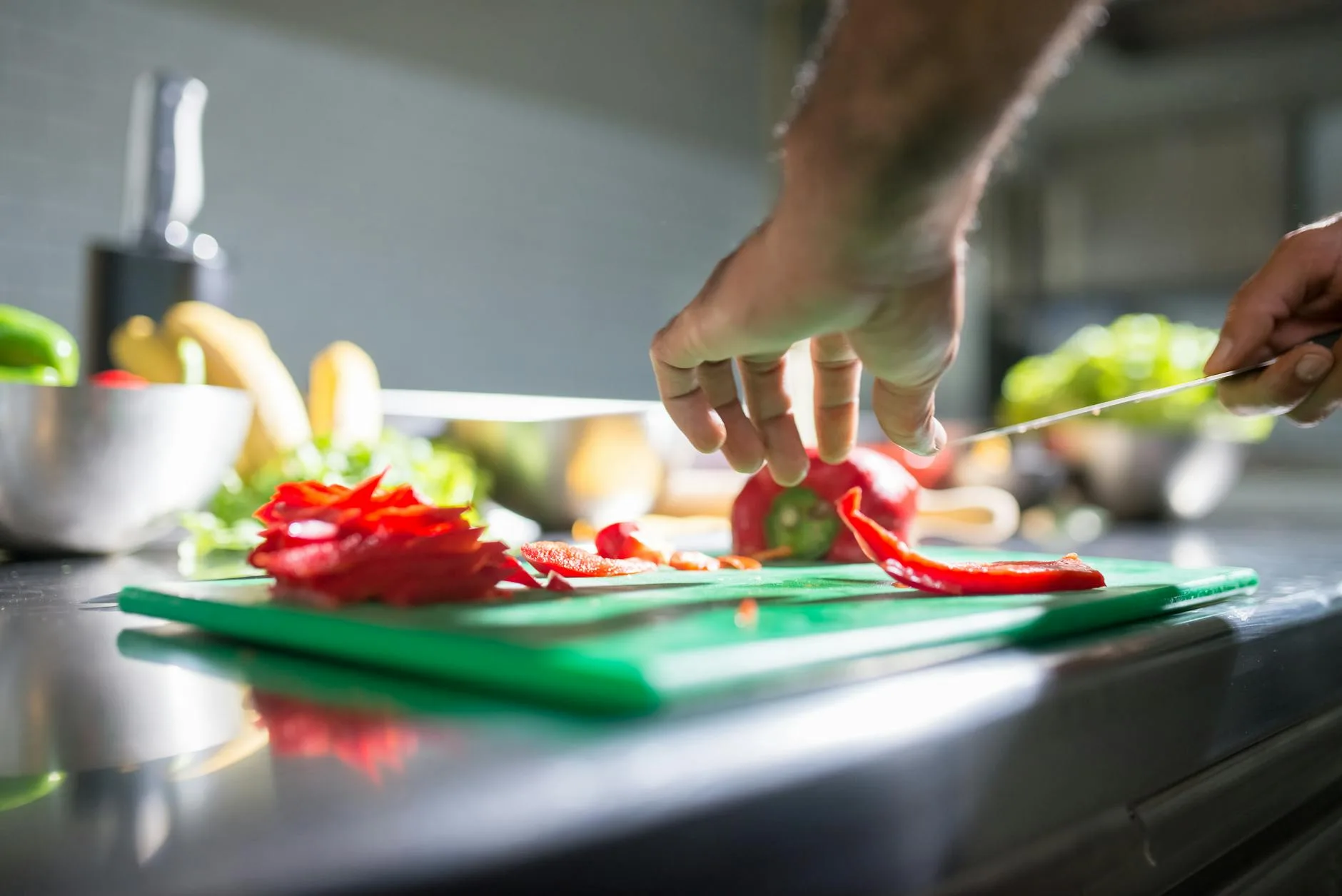
- While that simmers, prep all the vegetables for your remaining recipes — do all the chopping at once rather than recipe by recipe
- Start the second recipe using the prepped veg
- While both simmer, prepare any cold elements (label containers, portion out freezer bags, make notes of what you’re freezing)
- When a recipe finishes, let it cool for 30 minutes on the counter, then portion into containers
- Move cooled portions to the fridge immediately — don’t leave food at room temperature for more than 2 hours
- Once fully chilled (within 2 hours of cooking), transfer to the freezer
- Wipe down the kitchen as you go — washing up between recipes keeps the chaos manageable
Cooling and Freezing Safely
This is the one area where you need to be careful. The Food Standards Agency recommends cooling cooked food quickly and getting it into the fridge or freezer within 2 hours.
The Danger Zone
Bacteria multiply fastest between 8°C and 63°C — the so-called danger zone. The longer your food sits in this range, the higher the risk. Batch cooking means large volumes, which take longer to cool, so you need to actively manage the process.
Speed Up Cooling
- Divide into smaller portions immediately — a shallow container cools faster than a deep pot
- Don’t put hot food directly in the freezer — it raises the freezer temperature and can partially defrost surrounding items
- Use an ice bath — sit your container in a bowl of cold water with ice cubes to cool a large pot quickly
- Stir occasionally — this distributes heat and speeds up cooling
- Leave lids off until the food reaches room temperature, then lid and refrigerate
Freezer Temperature
Your freezer should be at -18°C or below. If you’re adding a lot of food at once (which you will be after a batch session), check the temperature the next morning to make sure it recovered. Most modern freezers handle this fine, but older models can struggle with a sudden load.
Labelling and Storage Systems
What to Write on Every Container
- Name of the dish — “chicken curry” is better than trying to identify frozen brown liquid in March
- Date frozen — use the date you cooked it, not the date you froze it
- Number of portions — saves guessing when you’re pulling dinner out at 6pm
- Reheating instructions — “microwave 4 mins, stir, 3 more mins” or “oven 180°C for 25 mins”
Organisation
- First in, first out — put newer containers behind older ones so you use the oldest first
- Group by type — all soups together, all curries together, all sauces together
- Keep an inventory — a whiteboard on the freezer or even a note on your phone saves rummaging through frozen containers trying to find the lasagne
How Long Can You Keep Frozen Meals?
Most batch-cooked meals are safe to eat for up to 3 months in the freezer. They’re technically safe indefinitely at -18°C, but quality drops after 3 months — flavours fade, textures change, and freezer burn becomes more likely. Label with the date and use within 3 months for best results.
How to Defrost and Reheat Properly
Overnight in the Fridge
The safest method. Move the container from freezer to fridge the night before. Most portions defrost fully in 12-18 hours. Plan your meals a day ahead and pull tomorrow’s dinner out each evening.
Microwave Defrost
Faster but less even. Use the defrost setting, stir regularly, and cook immediately after defrosting. Don’t leave defrosted food sitting around — once it’s thawed, treat it like fresh food and eat within 24 hours.
Reheating Rules
- Heat until piping hot throughout — 75°C in the centre kills any bacteria that may have developed
- Stir midway to distribute heat evenly, especially in the microwave
- Never reheat more than once — if you defrost and reheat a portion, eat it all or bin the leftovers
- Rice is the exception that needs extra care — always reheat until steaming hot, and never reheat rice more than once. Some beginner-friendly air fryer recipes also work well for reheating batch-cooked meals with a crispy finish
Batch Cooking for Different Household Sizes
Cooking for One or Two
Batch cooking is arguably even more valuable for smaller households because portion sizes from recipes designed for four mean half goes in the freezer automatically. Freeze in individual portions so you can grab exactly what you need.
Cooking for a Family (3-5)
Double or triple your recipes and freeze family-size portions alongside individual ones. The family portions cover busy weeknights. The singles cover lunches or nights when everyone’s eating at different times.
Cooking for Shift Workers
If your schedule means eating at odd hours, batch cooking removes the “I’ll just grab a takeaway” default. Stock the freezer with meals that reheat in 5 minutes and you’ll eat better regardless of when you get home.
Saving Money with Batch Cooking
Buying in Bulk
Supermarket bulk packs work out much cheaper per kilo. A 1kg pack of chicken thighs costs about £3-4 at Aldi versus £6-8 for two individual breasts at a premium supermarket. Mince, tinned tomatoes, onions, and frozen vegetables all follow the same pattern.
Reducing Takeaway Spend
The average UK household spends about £50-60 per month on takeaways. If batch cooking replaces even two of those orders, you’ve saved £25-30 per month — which easily covers the extra ingredient cost.
Supermarket Tips
- Shop the reduced section — batch cooking lets you use up short-dated ingredients immediately
- Use frozen vegetables — cheaper than fresh and already chopped. Perfect for stews, curries, and soups
- Buy whole chickens — roast on Sunday, eat half, and batch-cook the rest into curry, soup, or pie filling
- Lidl and Aldi for staples, Tesco or Sainsbury’s for specific ingredients they don’t stock
Common Batch Cooking Mistakes
- Cooking too many different recipes at once — start with 3, not 8. Quality drops when you’re rushed.
- Not cooling food quickly enough — the 2-hour rule exists for good reason. Use ice baths for large volumes.
- Forgetting to label — “mystery brown” is not an appetising dinner option.
- Filling the freezer completely — air needs to circulate for even freezing. Leave a few centimetres of space around containers.
- Freezing in portions that are too large — a 2-litre container takes ages to defrost. Individual or double portions are more practical.
- Not accounting for texture changes — pasta, potatoes, and cream-based sauces all change in the freezer. Freeze the sauce separately and cook the carbs fresh.
- Skipping the deep clean afterwards — batch cooking creates a lot of mess. Leave 30 minutes at the end for a proper kitchen deep clean so you’re not facing it on Monday morning.
Keep reading on KitchenGearUK: Best Food Processors 2026 UK: Chopping, Slicing & Dough, Kitchen Gadgets That Are Actually Worth the Drawer Space, How to Organise a Small Kitchen for Efficiency, How to Deep Clean Your Kitchen Appliances.
Frequently Asked Questions
How long does a batch cooking session take? Allow 3-4 hours for your first session (including prep, cooking, portioning, and cleaning). Once you’ve done it a few times, you’ll get faster — an experienced batch cooker can produce 15-20 portions across 3-4 recipes in about 2.5 hours.
Can I batch cook without a freezer? Partially. You can batch cook for the week ahead and store in the fridge (eat within 3-4 days). But the real value of batch cooking comes from freezing — it turns a single session into weeks of meals rather than just a few days.
Is it safe to refreeze food that’s been defrosted? Not if it’s been defrosted at room temperature. If you defrosted in the fridge and the food hasn’t been above 5°C for more than 24 hours, you can refreeze it — but the texture and taste will suffer. Better to cook it into something new and freeze the new dish.
What containers are best for freezing? Freezer bags are cheapest and most space-efficient — lay flat to freeze, then stack upright. Glass containers like Pyrex are best for reheating directly in the oven. Plastic containers work well for microwave reheating. Avoid thin takeaway containers — they crack in the freezer.
Do I need to cool food before freezing? Yes. Let it cool to room temperature first (no more than 2 hours at room temp), then chill in the fridge before transferring to the freezer. Putting hot food directly in the freezer raises the temperature and can partially defrost other items.