Quick answer: the Panasonic SD-YR2550 is the best bread maker for most UK buyers because it combines 31 programmes with separate yeast and raisin/nut dispensers. The Morphy Richards Fastbake 48281 is the better budget bread machine, while Panasonic’s SD-PN100 is the strongest small bread maker for households that want compact 400g loaves. For sourdough, choose a machine with a dedicated programme or custom knead-and-rise controls rather than relying on the product name alone.
In This Article
- Why a Bread Maker Is Worth It
- What to Look For in a Bread Maker
- Best Bread Makers 2026 UK
- Bread Maker Programmes Explained
- Sourdough in a Bread Maker
- Gluten-Free Bread Making
- Cost Per Loaf: Homemade vs Shop-Bought
- Tips for Better Bread Maker Results
- Cleaning and Maintenance
- Frequently Asked Questions
Why a Bread Maker Is Worth It
Bread making by hand is a lovely weekend project, but doing it every day requires time most people don’t have. A bread maker automates the kneading, proving, and baking — you measure ingredients, press a button, and come back to a finished loaf 3-4 hours later.
A bread maker gives you control over the flour, salt, fat and added ingredients, and produces a warm loaf on a predictable schedule. Results vary by recipe and programme: a machine is particularly useful for everyday sandwich loaves, while a conventional oven remains better suited to very open-crumb artisan breads.
The economics work too. A basic white loaf from a bread maker costs about 40-50p in ingredients. A supermarket loaf costs 90p-£1.30. An artisan bakery loaf costs £2.50-4.00. If you bake twice a week, a bread maker saves roughly £50-100 per year compared to supermarket bread — more if you were buying bakery loaves.
What to Look For in a Bread Maker
Loaf Size
Most bread makers offer 500g (small), 750g (medium), and 900g-1kg (large) loaf options. For a couple, the medium size is usually right. For a family of four who eat toast for breakfast, you’ll want the large option — and you’ll probably bake every other day. If you already use a stand mixer for bread, a bread maker simplifies the process further by handling the bake as well.
Programmes
Basic models have 10-12 programmes. Premium models have 15-25+. The ones that actually matter:
- Basic/white — the standard programme for everyday loaves. 3-4 hours
- Wholemeal — longer kneading and rising time to handle heavier flour
- Rapid/fast — a condensed 1-2 hour programme for when you forgot to set the timer. Results are denser but serviceable
- Dough only — mixes and proves the dough, then stops. You shape and bake in the oven. Essential for rolls, pizza dough, and focaccia
- Gluten-free — modified programme with different kneading and rising patterns for GF flour blends
- Jam — surprisingly useful. Makes small-batch jam in the bread pan
Delay Timer
The killer feature. Load ingredients before bed, set the timer, and wake up to a fresh loaf. Most timers allow a delay of up to 13-15 hours. Essential if you want morning bread without waking at 5am.
Crust Control
Light, medium, or dark crust settings. Sounds trivial but makes a real difference — some people love a thick, dark crust while others prefer a softer finish. Most machines offer three levels.
Viewing Window
A window in the lid lets you check progress without opening the machine and losing heat. Not essential but useful when you’re still learning and want to see whether the dough has risen properly.
Best Bread Makers 2026 UK
Best Overall: Panasonic SD-YR2550
Panasonic has dominated the UK bread maker market for years, and the SD-YR2550 is their current flagship. The automatic yeast and ingredient dispensers mean you can load everything at once without worrying about the yeast touching the liquid too early — a common cause of failed loaves in other machines.
- Loaf sizes: medium, large and extra-large, up to about 1.1kg
- Programmes: 31, including sourdough, rye, brioche and four gluten-free options
- Delay timer: up to 13 hours
- Typical direct price: £199.99 at the time of review
- Why it is the pick: Panasonic combines dual temperature sensors with separate yeast and raisin/nut dispensers. That makes it especially convenient for delayed starts, while the manual knead and rise settings give experienced bakers more control.
- Source: Panasonic SD-YR2550 specifications
Best Budget: Morphy Richards Fastbake 48281
This is the most convincing current budget option for buyers who want the essential programmes, two practical loaf sizes and a fast cycle without paying for automatic ingredient dispensers.
- Loaf sizes: 1.5lb and 2lb (approximately 680g and 907g)
- Programmes: 12, covering white, brown, French, wholewheat, gluten-free, dough, jam and cake
- Delay timer: up to 13 hours
- Direct price: £79.99 at the time of review
- Why it is good: the under-50-minute Fastbake cycle, gluten-free setting and 60-minute keep-warm function cover the features most first-time buyers will actually use.
- Source: Morphy Richards Fastbake specifications
Best for Custom Sourdough: Sage The Custom Loaf
Sage does not claim a one-touch sourdough preset. Its advantage is customisation: nine custom settings let you store your own kneading, rising and baking sequence, which is useful once you have established timings for a particular starter and recipe.
- Loaf range: recipes in Sage’s manual cover approximately 500g to 1.25kg
- Settings: 12 automatic settings plus nine custom memories
- Direct price: £249.95 at the time of review
- Why it suits experienced sourdough bakers: custom settings provide control over the cycle, while the collapsible kneading blade reduces the hole left in the base.
- Source: Sage Custom Loaf specifications
Also Worth Considering
- Best small bread maker: Panasonic SD-PN100 — makes compact 400g loaves and is the sensible choice for one- or two-person households where reducing waste matters.
- Panasonic SD-R2530 — offers 30 programmes and a raisin/nut dispenser but no separate yeast dispenser, making it a useful step down from the SD-YR2550.
Bread Maker Programmes Explained
Basic White (3-4 Hours)
The default programme. Mixes, kneads for 15-20 minutes, proves for 1-2 hours (two rises), then bakes for 50-60 minutes. Produces a standard white loaf with good crumb and crust. Use strong white bread flour (not plain flour — the protein content matters).
Wholemeal (4-5 Hours)
Longer kneading and proving to handle the heavier flour. Wholemeal flour absorbs more water than white, so you may need to add 10-20ml extra liquid compared to the white recipe. The resulting loaf is denser and nuttier.
Rapid/Fast (1-2 Hours)
Shortened kneading and a single, shorter prove. The bread is edible but denser and less flavourful than a full-programme loaf. Uses more yeast (typically 1.5x the normal amount) to compensate for the shorter rise. Useful when you need bread in a hurry but wouldn’t be your daily choice.
French (3.5-4 Hours)
Similar to basic but with a thinner, crispier crust and a lighter, more open crumb. Uses slightly less sugar and fat than the basic programme. Results in something closer to a French pain de mie than a British sandwich loaf.
Dough Only (1.5-2 Hours)
Mixes, kneads, and proves the dough, then stops. You remove the dough, shape it however you want (rolls, pizza bases, baguettes, focaccia), and bake it in your oven. This is arguably the most versatile programme — it turns your bread maker into a stand mixer alternative for dough preparation.
Sourdough in a Bread Maker
Can You Really Make Sourdough in a Bread Maker?
Yes, with caveats. True sourdough uses a natural starter culture instead of commercial yeast, which means slower fermentation and more complex flavour. Most bread makers weren’t designed for this — their programmes assume fast-acting dried yeast.
The Panasonic SD-YR2550 includes sourdough bread, dough and starter programmes. The Sage Custom Loaf instead provides reusable custom settings, so you need to establish and save a cycle that suits your starter. On a basic machine, use dough-only mode and complete the long fermentation and bake outside the machine.
How to Adapt
- Use an active, fed starter — feed it 8-12 hours before baking so it’s at peak activity
- Replace the yeast in the recipe with 100-150g of starter
- Reduce water and flour in the recipe to compensate for the water and flour already in the starter
- Select the sourdough or longest available programme — the dough needs at least 4-5 hours to rise properly
- Expect a denser loaf than oven-baked sourdough — the bread maker’s tin shape and baking cycle don’t produce the same crust as a Dutch oven
Managing Expectations
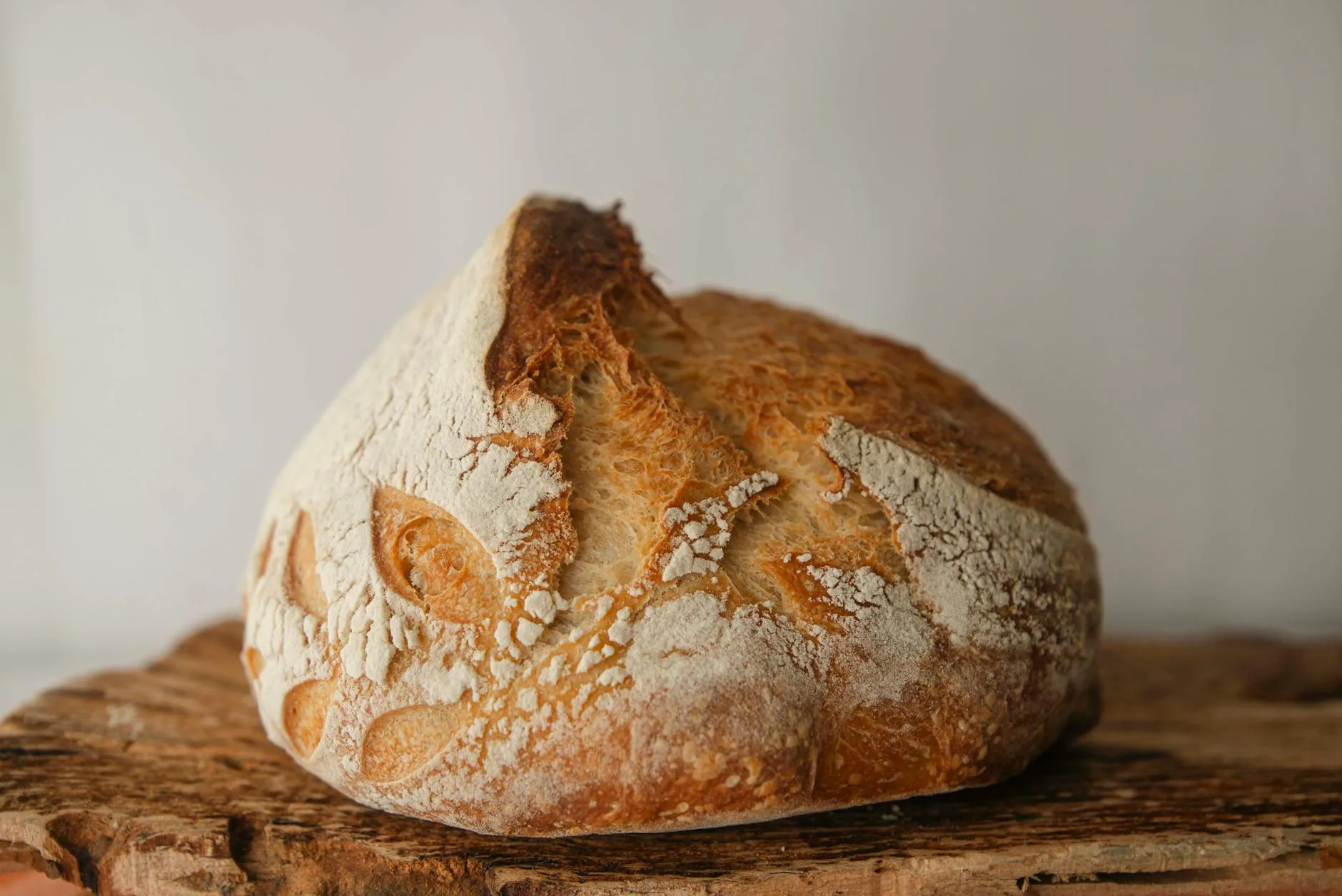
Bread maker sourdough is not the same as the open-crumb, crackling-crust loaves from artisan bakeries. It’s a sourdough-flavoured sandwich loaf — the tang and complexity are there, but the texture is different. For proper artisan sourdough, use the dough-only mode and bake in a Dutch oven. For everyday sourdough sandwich bread, the bread maker does a perfectly good job.
Gluten-Free Bread Making
The Challenge
Gluten-free bread is notoriously difficult — without gluten, the dough can’t trap gas and rise properly, resulting in dense, crumbly loaves. Bread makers with a dedicated GF programme adjust the kneading intensity and timing to work with GF flour blends.
Tips for GF Bread Maker Loaves
- Use a premixed GF flour blend (Doves Farm, Schar, or Free From Fairy are popular UK brands) rather than single flours. The blends are formulated with xanthan gum or psyllium husk to mimic gluten’s binding properties
- Add extra liquid — GF flours are thirstier than wheat flour. Start with the recipe amount and add 10-20ml more if the dough looks dry after 5 minutes of kneading
- Use the smaller loaf setting — GF dough rises less than wheat dough, so a large loaf pan produces a flat, squat result. The 500g or 750g setting gives better proportions
- Don’t open the lid during the rise or bake — GF dough is more fragile and collapses with temperature changes
- Expect a different texture — GF bread maker loaves are softer and more cake-like than wheat bread. They toast well and make good sandwiches but won’t have the same chew
According to Coeliac UK, about 1 in 100 people in the UK have coeliac disease, and many more follow a gluten-free diet by choice. A bread maker with a GF programme makes fresh GF bread accessible daily — far cheaper than the £3-4 supermarket GF loaves.
Cost Per Loaf: Homemade vs Shop-Bought
Basic White Loaf Ingredients
- 500g strong white bread flour — about 30p (from a 1.5kg bag at about 90p)
- 7g dried yeast — about 5p (from a 56g tin at about 40p)
- 1 tsp salt — about 1p
- 1 tbsp sugar — about 2p
- 1 tbsp oil or butter — about 3p
- Water — negligible
- Electricity — about 5-8p per loaf (based on a typical 500W machine running for 3-4 hours)
Total: approximately 46-49p per loaf
Comparison
- Supermarket basic white: 65p-£1.00
- Supermarket premium/seeded: £1.20-£1.80
- Bakery artisan loaf: £2.50-£4.00
- Supermarket gluten-free: £2.80-£3.50
- Homemade gluten-free: about 80p-£1.00 (GF flour costs more)
Over a year of baking twice weekly, you save approximately £50-80 vs supermarket bread or £200+ vs bakery bread. The bread maker pays for itself within 4-8 months depending on the model and what you were buying before.
Tips for Better Bread Maker Results
Measure Precisely
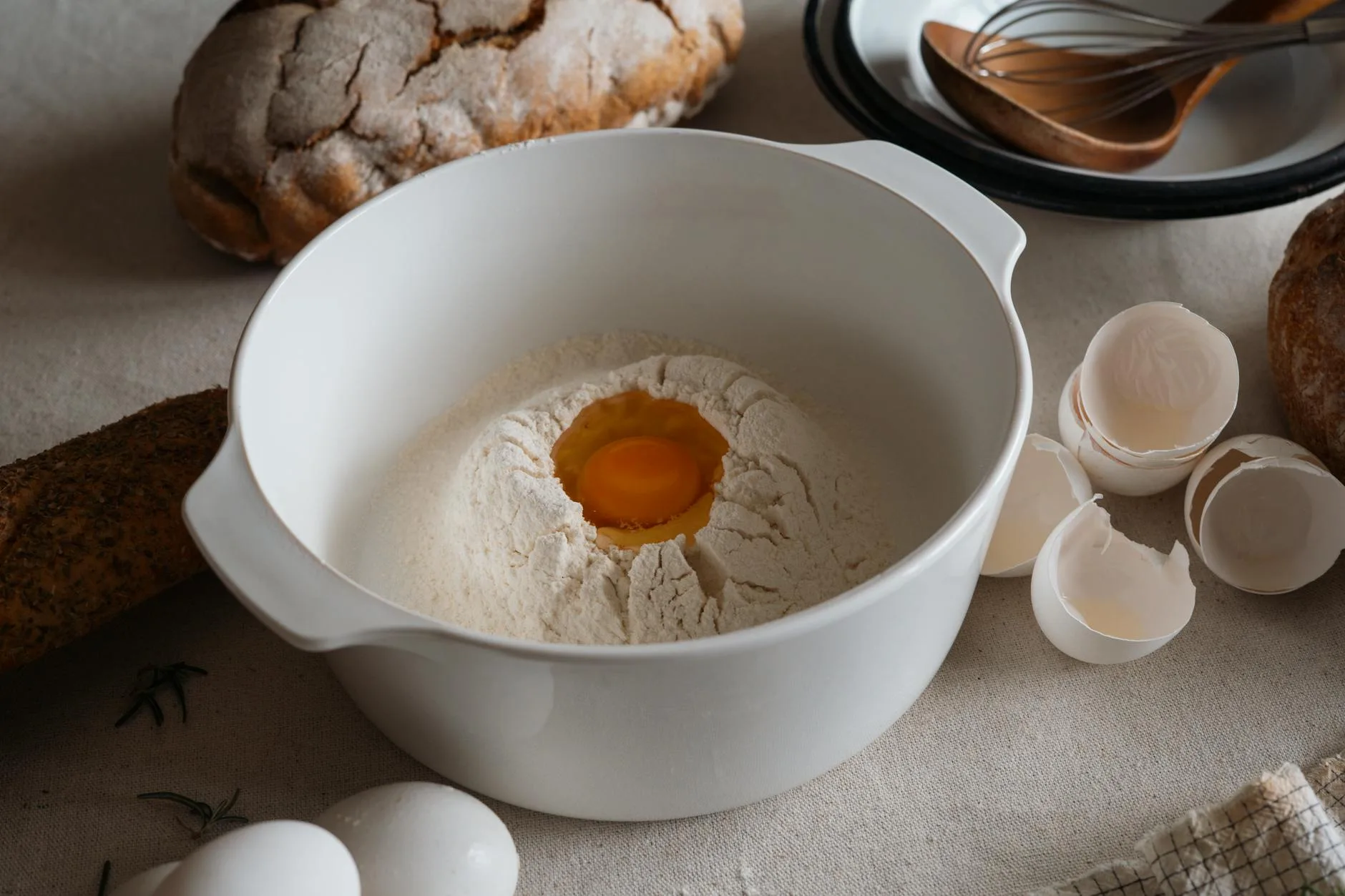
Bread recipes depend on accurate ratios. Too much water can make a loaf collapse; too little can produce a dense, dry crumb. Use digital kitchen scales rather than cup measures, follow the manufacturer’s recipe first, and adjust only in small increments.
Use the Right Flour
Strong bread flour generally has more protein than plain flour, helping form the gluten structure that traps gas during proving. Use the flour specified in the machine’s recipe book; supermarket own-brand strong flour is suitable for everyday loaves.
Order of Ingredients Matters
For delay-timer baking, keep wet ingredients at the bottom and dry at the top, with yeast on the very top — away from any liquid. If the yeast activates too early during the delay, it exhausts itself before the programme starts and the loaf doesn’t rise. Machines with a yeast dispenser avoid this problem entirely.
Don’t Open the Lid
Resist the urge to check during the rise and bake. Every time you open the lid, warm air escapes and the dough can collapse. Check through the viewing window if your machine has one. The only time to open is during the first few minutes of kneading to check the dough consistency — it should form a smooth, slightly tacky ball.
Adapt to the Seasons
Flour absorbs different amounts of water depending on humidity and temperature. In summer, you may need 5-10ml less water than in winter. If your loaves are consistently too wet or too dry, adjust the water by small amounts (5ml at a time) and note what works.
Remove the Bread Promptly
Take the loaf out of the machine as soon as it finishes. Leaving it in the pan causes the crust to steam and go soggy. Turn it out onto a wire rack and let it cool for at least 15-20 minutes before slicing — cutting hot bread squashes the crumb.
Cleaning and Maintenance
After Every Bake
- Let the bread pan cool completely before washing — sudden temperature changes can warp the pan or damage the non-stick coating
- Remove the kneading paddle — it usually pulls straight out. Soak it if dough has dried on
- Wash the pan with warm soapy water and a soft cloth. Never use abrasive scourers — they scratch the non-stick coating
- Wipe the inside of the machine with a damp cloth. Don’t submerge the machine body in water
The Paddle Hole Problem
Every bread maker loaf has a hole in the bottom where the kneading paddle sat. Some people remove the paddle before the final bake (the machine beeps to signal this point), but this requires opening the lid and handling hot dough. Most users accept the hole and view it as a badge of homemade authenticity. If you’re making bread for a dinner party and want a clean base, use the dough-only programme and bake in the oven instead.
When to Replace the Pan
Non-stick bread pans last 2-5 years with regular use. Signs it needs replacing: bread sticking despite greasing, visible scratches through the non-stick coating, or the pan warping and rocking in the machine. Replacement pans cost £20-40 depending on the brand — check the manufacturer’s website or Amazon UK.
Keep reading on KitchenGearUK: KitchenAid vs Kenwood vs Smeg: Stand Mixer Showdown, Stand Mixer Bread Recipes: From Sourdough to Brioche, Planetary vs Spiral Mixers: What’s the Difference?, How to Make Pasta with a Stand Mixer: Dough to Shapes.
Frequently Asked Questions
Is bread maker bread as good as bakery bread? For everyday sandwich bread, bread maker loaves are better than supermarket bread and comparable to a good bakery sandwich loaf. For artisan-style bread with an open crumb and thick crust, a bread maker can’t match a skilled baker with a professional oven. The bread maker’s strength is consistency and convenience — a reliably good loaf every time with 5 minutes of effort.
How long does bread maker bread last? Without preservatives, homemade bread lasts about 2-3 days at room temperature before going stale. Store in a bread bin or paper bag (not plastic — it traps moisture and promotes mould). For longer storage, slice and freeze the loaf on the day of baking — frozen slices toast directly from frozen and taste almost as fresh as the day they were baked.
Can I use normal flour in a bread maker? Use strong bread flour, not plain flour. Strong flour has higher protein content (12%+ vs 9-10% for plain) which creates the gluten structure needed for a proper rise. Plain flour produces a flat, dense loaf. Strong white bread flour is available in every UK supermarket for about 60-90p per 1.5kg bag.
Do bread makers use a lot of electricity? A typical bread maker uses about 0.5-0.7 kWh per loaf (500W motor running for 3-4 hours, though it’s not at full power the whole time). At current UK electricity rates (about 24.5p/kWh), that’s roughly 12-17p per loaf. Considerably less than heating a full-sized oven (1.5-2.5 kWh for a similar baking time).
Is it worth buying an expensive bread maker? If you bake weekly or more, yes. Premium machines (£150-250) produce better crust, have useful features like yeast dispensers and delay timers, and last longer. Budget machines (£45-70) make perfectly good bread but may lack the consistency and features that make daily baking effortless. Start budget if you’re unsure you’ll use it regularly, then upgrade when you know you will.