You are standing in the kitchen at 6pm, chopping onions by hand for the third time this week, eyes streaming, wondering why you have not bought a food processor yet. Or maybe you bought one three years ago, used it twice for soup, and now it lives in a cupboard because it was too noisy, too fiddly to clean, or too weak to actually chop anything properly. Food processors are brilliant when you get the right one and useless when you get the wrong one. After testing five different models over the past two years — from a £40 Argos special to a £350 Magimix — the gap between them is enormous.
In This Article
- What a Food Processor Actually Does Well
- Food Processor vs Blender: Which Do You Need?
- How to Choose a Food Processor
- Best Food Processors 2026 UK
- Food Processor Attachments Worth Using
- Cleaning and Maintenance
- Common Food Processor Mistakes
- Frequently Asked Questions
What a Food Processor Actually Does Well
Chopping and Dicing
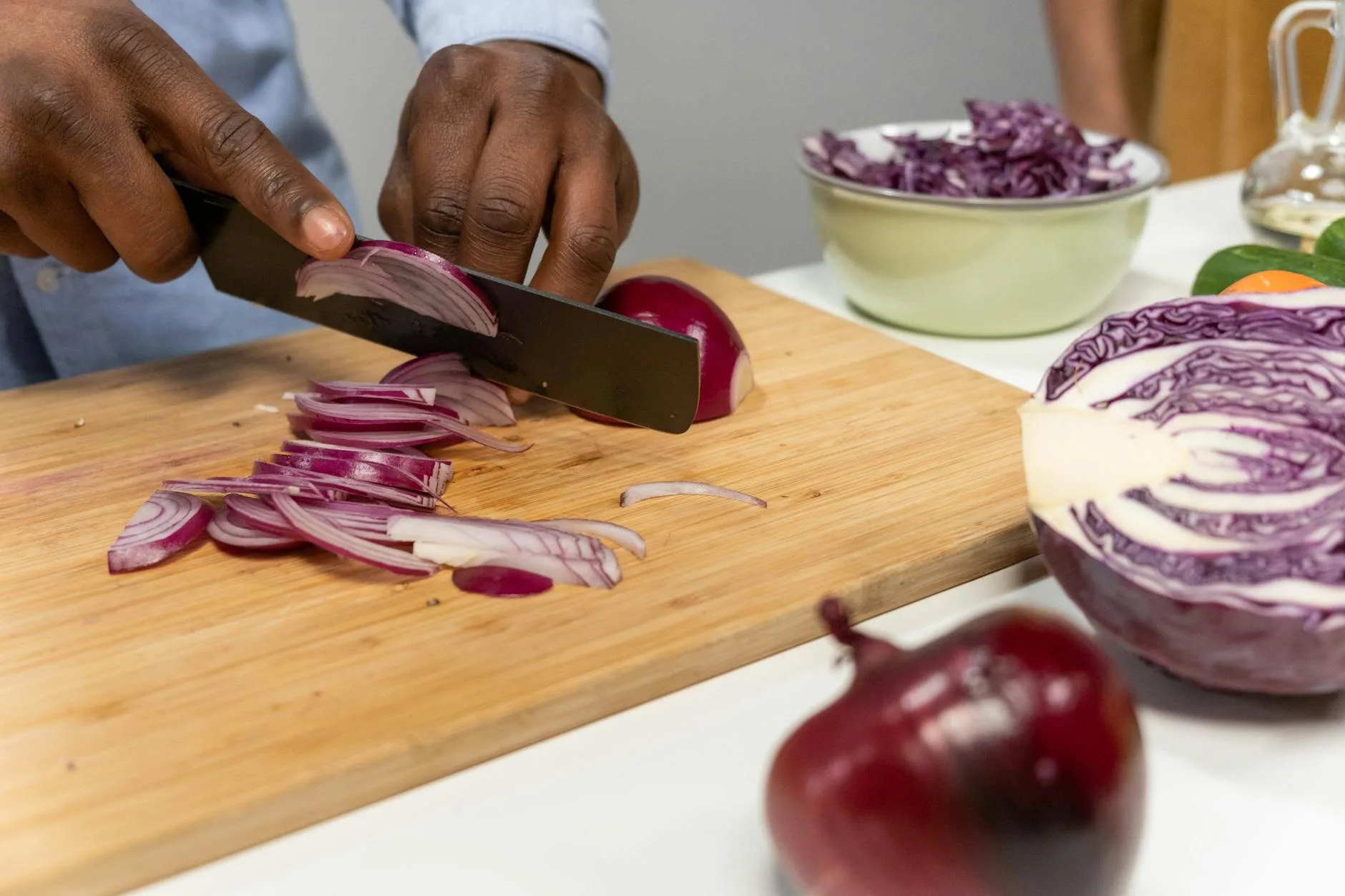
This is the core function and the reason most people buy one. Onions, carrots, celery, garlic — anything you would normally chop by hand. A decent food processor reduces 10 minutes of knife work to 15 seconds. The pulse function gives you control over the size — short pulses for rough chop, longer for fine dice.
Slicing and Shredding
The slicing disc produces uniform slices that are difficult to achieve by hand — gratins, salads, coleslaw, and stir-fry prep. The shredding disc grates cheese, carrots, and beetroot in seconds. If you make coleslaw, potato dauphinoise, or anything that requires a mountain of sliced vegetables, these discs pay for the processor on their own.
Dough and Pastry
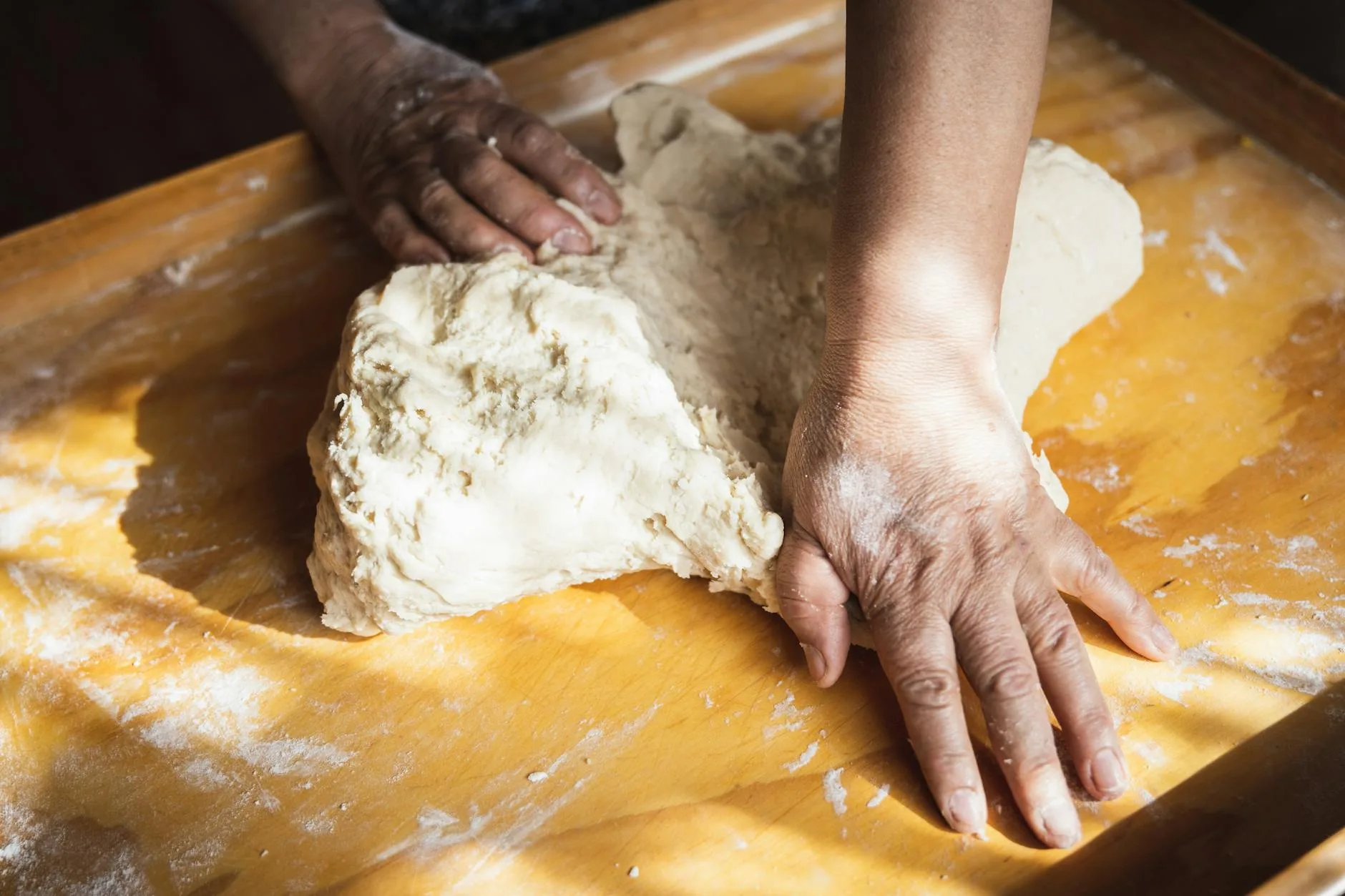
The dough blade (usually a shorter, blunter version of the chopping blade) kneads bread dough in about 60 seconds — faster and less effort than hand kneading. Pastry benefits even more: the quick processing means less handling, which keeps the butter cold and the pastry flaky. If you bake regularly, this alone justifies the purchase.
Purees and Sauces
Hummus, pesto, curry paste, nut butter — anything that needs grinding and blending to a thick paste. Food processors handle these better than blenders because the wider bowl gives ingredients room to move rather than creating an air pocket around the blade. If you make your own hummus, a food processor produces a smoother, creamier result than any other method short of a commercial grinder.
What It Does Not Do Well
Smoothies and liquid-heavy blending. Food processors are not sealed — liquid leaks from the central spindle if you overfill the bowl. For smoothies, soup blending, and anything with a high liquid content, you need a blender. Check our blender buying guide if that is what you are really after.
Food Processor vs Blender: Which Do You Need?
Food Processor
Best for: chopping, slicing, shredding, dough, pastry, thick pastes, dry ingredients. The wide bowl and S-blade handle solid and semi-solid foods. Choose this if you cook from scratch regularly and spend significant time on prep.
Blender
Best for: smoothies, soups, sauces, liquid-heavy mixtures. The tall, narrow jug and high-speed blade create a vortex that pulls ingredients down into the blade. Choose this if your main need is drinks and liquid-based recipes.
Both?
If you cook and blend regularly, you need both. They do different jobs. Some manufacturers offer combo units (Kenwood MultiPro, Ninja 3-in-1) but these compromise on both functions. A dedicated food processor and a dedicated blender, even budget ones, outperform any combo unit. For blender recommendations, see our guide to the best high-speed blenders.
How to Choose a Food Processor
Bowl Capacity
- Small (1-1.5 litres): suits 1-2 people. Fine for sauces, dips, and small batches. Struggles with large quantities
- Medium (2-2.5 litres): the sweet spot for most households. Handles family-sized meals without being oversized
- Large (3+ litres): for serious cooks, batch cooking, and large families. Takes up considerable counter space
The usable capacity is always less than the stated capacity — you cannot fill a food processor to the brim. Budget about 70% of the stated volume as your practical maximum.
Motor Power
- Under 500W: fine for soft foods but struggles with hard vegetables, nuts, and dough
- 500-800W: adequate for most home cooking tasks
- 800W+: handles everything including heavy bread dough and frozen ingredients
Power matters most for dough and hard ingredients. If you only chop vegetables and make sauces, 500W is plenty. If you want to knead bread dough or process frozen fruit, go 800W+.
Build Quality
The bowl, lid, and pusher tube are the parts that break. Cheap processors use thin plastic that cracks within a year. Good processors use thick, BPA-free plastic or glass bowls with metal drive shafts. The Magimix range uses die-cast metal bodies and commercial-grade motors — they cost more but last a decade or longer.
Noise
Food processors are loud. Budget models can hit 85-90 decibels — the same as a lawn mower. Premium models are quieter (70-80 dB) but none are silent. If you have a sleeping baby or thin-walled flat, this matters. Test before buying if possible, or check noise measurements in reviews.
Dishwasher Safety
Almost all modern food processor bowls, lids, and blades are dishwasher-safe (top rack). The motor base obviously is not. Check before buying — hand-washing a food processor with multiple blades and discs after every use is tedious enough to stop you using it.
Best Food Processors 2026 UK
Best Overall: Magimix 4200XL (About £280-320)
The benchmark food processor in UK kitchens, and Which? consistently rates it among the best. A 950W motor, 3-litre main bowl with additional mini and midi bowls nested inside, and a build quality that justifies the price. The BlenderMix attachment turns it into a capable blender too. It handles everything from delicate pastry to heavy bread dough without straining. Available from John Lewis, Currys, and Amazon UK. I have used a Magimix for two years and the motor has never hesitated on anything I have thrown at it — including frozen banana for ice cream, which stalls cheaper machines instantly.
Best Mid-Range: Kenwood MultiPro Express Weigh+ (About £150-180)
A 1,000W motor with built-in scales — weigh ingredients directly into the bowl while processing. The 3-litre bowl handles family batches and the variable speed dial gives better control than simple pulse buttons. The integrated scales are a genuine innovation that reduces washing up (no separate scales needed). Available from John Lewis, Argos, and Amazon UK.
Best Budget: Ninja Food Processor BN650UK (About £70-90)
Surprisingly capable for the price. A 850W motor with a 2.1-litre bowl that handles chopping, slicing, and light dough work. The Auto-iQ programmes take the guesswork out of processing times. Build quality is adequate rather than premium — expect 3-5 years of use rather than a decade. Available from Argos, Currys, and Amazon UK.
Best Compact: Magimix Le Mini Plus (About £130-160)
A smaller, lighter version of the 4200XL with a 1.7-litre bowl. Same motor quality and build standards in a footprint that fits on any worktop. Ideal for couples, small kitchens, or anyone who processes small batches (sauces, dips, baby food). Available from John Lewis and Amazon UK.
Best for Dough: Kenwood FDM312SS (About £120-150)
A 800W motor with a dedicated dough tool and a 2.1-litre bowl. The direct-drive motor (rather than belt-driven) handles heavy bread dough without overheating. Two speeds plus pulse. Not the most versatile processor on this list, but if bread and pastry are your priorities, it does the job well. Available from Currys and Amazon UK. If you are serious about bread making, our bread maker guide covers dedicated bread machines too.
Food Processor Attachments Worth Using
The S-Blade (Chopping Blade)
The default blade for 80% of tasks. Chops, purees, mixes, and makes dough. It lives in the bowl permanently. Use pulse mode for chopping control and continuous mode for purees and dough.
Slicing Disc
Adjustable slicing discs (2mm to 6mm) produce uniform slices of any firm vegetable or fruit. Essential for gratins, salads, and stir-fry prep. The feed tube size determines the maximum food diameter — a wide feed tube saves you halving potatoes before slicing.
Shredding/Grating Disc
Coarse and fine grating in seconds. A block of cheddar becomes a bowl of grated cheese in about three seconds. Carrots, beetroot, courgette, and Parmesan all shred beautifully. If you grate cheese regularly (and who does not), this disc saves real time.
Dough Blade
A shorter, blunter plastic blade designed for kneading. It folds and stretches dough rather than cutting it. Most processors include one, but some budget models skip it — check before buying if bread making matters to you.
Citrus Press
Some processors include a citrus juicer attachment. Useful if you juice lemons and oranges regularly, but not worth buying a processor for — a £5 hand juicer does the same job.
Attachments You Will Not Use
Whisk attachments (use a hand whisk or stand mixer instead), french fry discs (just cut chips by hand), and egg separators (faster with your hands). Do not let a long list of attachments justify a higher price — you will use three or four regularly and ignore the rest.
Cleaning and Maintenance
The 30-Second Rule
Clean the bowl and blade within 30 seconds of finishing. Food dries onto plastic surfaces quickly, and dried-on hummus or dough is ten times harder to remove. A quick rinse under hot water immediately after use prevents most scrubbing.
Safe Blade Handling
Food processor blades are sharp. Always handle them by the central hub, never the cutting edge. When washing by hand, place the blade in the sink first and wash it with a brush — not a sponge that your fingers could slip through. Better yet, put it in the dishwasher.
Motor Base Care
Wipe the motor base with a damp cloth. Never submerge it in water. Food and liquid can splash into the drive shaft opening — wipe this area after every use to prevent buildup that could jam the mechanism.
Blade Sharpness
Most food processor blades do not need sharpening — they rely on speed and weight rather than razor sharpness. If chopping performance declines after 2-3 years, replace the blade rather than trying to sharpen it. Replacement blades cost £15-30 from the manufacturer. For general advice on keeping all your kitchen tools in shape, see our guide to deep cleaning kitchen appliances.
Common Food Processor Mistakes
Overfilling the Bowl
The biggest mistake. Food above the blade line does not get processed — it just sits there while the bottom turns to mush. Fill to about 70% of the bowl capacity maximum. For large batches, process in two rounds rather than one overstuffed load.
Not Using Pulse
Holding the button down for continuous processing is correct for purees and dough. For chopping, it turns food to pulp in seconds. Use short pulses — 1-2 seconds each — and check between pulses. You want chopped onions, not onion baby food.
Processing Wet and Dry Together
Adding liquid to dry ingredients in the processor often creates a paste around the blade while leaving chunks elsewhere. Process dry ingredients first (pulse to chop), then add liquid gradually through the feed tube while the motor runs. This distributes liquid evenly.
Ignoring the Feed Tube
The feed tube and pusher exist for a reason. Dropping ingredients directly into the spinning blade is messy and dangerous. Use the feed tube for anything going into a running processor, and use the pusher to guide food down into the slicing or shredding disc.
Buying Based on Attachments
More attachments do not mean a better processor. The Magimix 4200XL comes with about a dozen attachments and discs — most people use four regularly. Judge a processor on motor power, bowl quality, and build standards. The attachments are a bonus, not the selling point.
Keep reading on KitchenGearUK: Kitchen Gadgets That Are Actually Worth the Drawer Space, How to Organise a Small Kitchen for Efficiency, How to Deep Clean Your Kitchen Appliances, How to Batch Cook and Freeze Meals Efficiently.
Frequently Asked Questions
Can a food processor replace a blender? Not for liquid-heavy tasks. Food processors are not sealed and will leak if you add too much liquid. For smoothies, soups, and drinks, you need a blender. A food processor handles thick pastes, chopping, slicing, and dough — tasks a blender cannot do well. Most serious cooks own both.
What size food processor do I need? A 2-2.5 litre bowl suits most UK households (2-4 people). Remember that usable capacity is about 70% of the stated volume. If you batch cook or regularly prepare food for more than four people, go for a 3-litre model. For couples or small kitchens, a 1.5-1.7 litre compact processor is enough for everyday use.
Is a Magimix worth the money? If you use a food processor regularly (weekly or more), yes. The motor quality, build standards, and longevity of a Magimix justify the premium over 10+ years of use. If you only process food occasionally, a mid-range Kenwood or Ninja at half the price will do the job adequately for 3-5 years.
Can I knead bread dough in a food processor? Yes, and it is faster than hand kneading. Use the dough blade, add the ingredients, and process for 45-60 seconds. The dough should form a ball and pull away from the sides of the bowl. You need at least 500W of motor power for bread dough — 800W+ is better for heavier wholemeal and rye doughs.
How long do food processors last? Budget models last 2-4 years with regular use. Mid-range models last 5-7 years. Premium models (Magimix, KitchenAid) last 10-15 years or more — Magimix offers a 30-year motor guarantee on some models. The motor rarely fails first; bowls, blades, and lids are the parts that wear out and usually cost £15-30 to replace.