Bread maker vs oven is a question of routine, not a universal winner. A bread maker is a good fit if you want a repeatable pan loaf with little hands-on work. An oven gives you more control over shape and crust, but you need to mix, knead and manage the dough separately. The useful question is which routine you will actually use, and what kind of loaf you want to eat. You can also use a bread maker’s dough setting and finish the bread in an oven.
A one-minute decision
- Choose a bread maker first for frequent, straightforward pan loaves and minimal active work.
- Choose the oven route when shape, surface and recipe flexibility matter enough that you will manage the dough.
- Combine them if you want machine kneading and timing but an oven-finished loaf or rolls.
In This Article
- Bread maker vs oven: choose by the bread you actually make
- What each method does for you
- Crust, shape and crumb: what you can control
- Time, attention and timing flexibility
- Worktop space, oven access and washing up
- Running cost without a false headline figure
- The hybrid route: machine dough, oven finish
- Which routine should you choose?
- Frequently Asked Questions
Bread maker vs oven: choose by the bread you actually make
Start with the loaf, not the appliance brochure. If your regular goal is a sliced white or wholemeal sandwich loaf, a bread maker can mix, knead, prove and bake in one pan. You add the ingredients, choose a programme that matches the recipe and remove the finished loaf. The convenience is real, but the loaf shape and some aspects of the crust are determined by the pan and cycle.
If you want a round boule, long batard, crusty rolls or a particular oven spring, you need to shape dough and bake it in an oven. That route gives you more say over the final form, but someone still has to mix and handle the dough. A stand mixer can take on the kneading if you own one; see our stand-mixer bread guide. Neither appliance rescues an unsuitable recipe or poor ingredient measurements.
The useful third option is a bread maker with a dough-only programme. It can do the early mixing and kneading, then you take the dough out to shape, finish proving as the recipe requires and bake in the oven. This suits people who want some automation without being limited to the machine’s pan loaf. It is also a reason to inspect the model’s actual programme table before buying: “dough” must end before baking, and the supported batch size must suit your recipe.
Our bread-maker buying guide compares machines for the first and third routes.
What each method does for you
A bread maker is a small automated bread-production sequence. Its programme controls the knead, rests, rises and bake, with a heating element and motor working at different times. Most standard recipes are written for the machine’s pan and supported loaf sizes. You still measure and load ingredients, fit the paddle and pan, choose settings and remove the loaf when the cycle ends. Cleaning the pan and paddle comes afterwards.
An oven applies baking heat to dough you have already prepared and proved. It does not automatically mix, knead or decide when dough is ready. You can mix by hand, use a stand mixer, or use a bread maker’s dough programme. The recipe then governs shaping, final proof, oven temperature and doneness. That is more work, but also more freedom to use tins, trays and different shapes.
Read the programme end point
The distinction matters because settings with similar names do different jobs. The Tefal Pain & Délices manual is one concrete example: it distinguishes full bread programmes from a leavened-dough programme that does not cook food, and from a cooking-only function. Check the programme table for your exact model, as names and timings vary. Our programme guide sets out what to check on the exact model.
The oven route can also involve different vessels. A loaf tin supports a sandwich-style loaf; a tray leaves the dough to hold its own shape; a covered pot changes the baking environment for some recipes. Those choices belong to the recipe and your oven equipment. A bread maker’s fixed pan simplifies the process but limits the form. If you mainly want toast and sandwiches, that limitation may scarcely matter.
Neither route is completely unattended
“Hands-off” describes the active workload, not the entire responsibility. A bread maker still needs correctly weighed ingredients, a suitable recipe and the right programme. Some add-ins require a beep or dispenser. An oven bake needs someone to preheat, check the dough, load it safely and remove it. Bread and hot pans can burn; use the appliance instructions and suitable oven gloves. The goal is a routine you can repeat safely, not the illusion that baking has no steps.
Crust, shape and crumb: what you can control
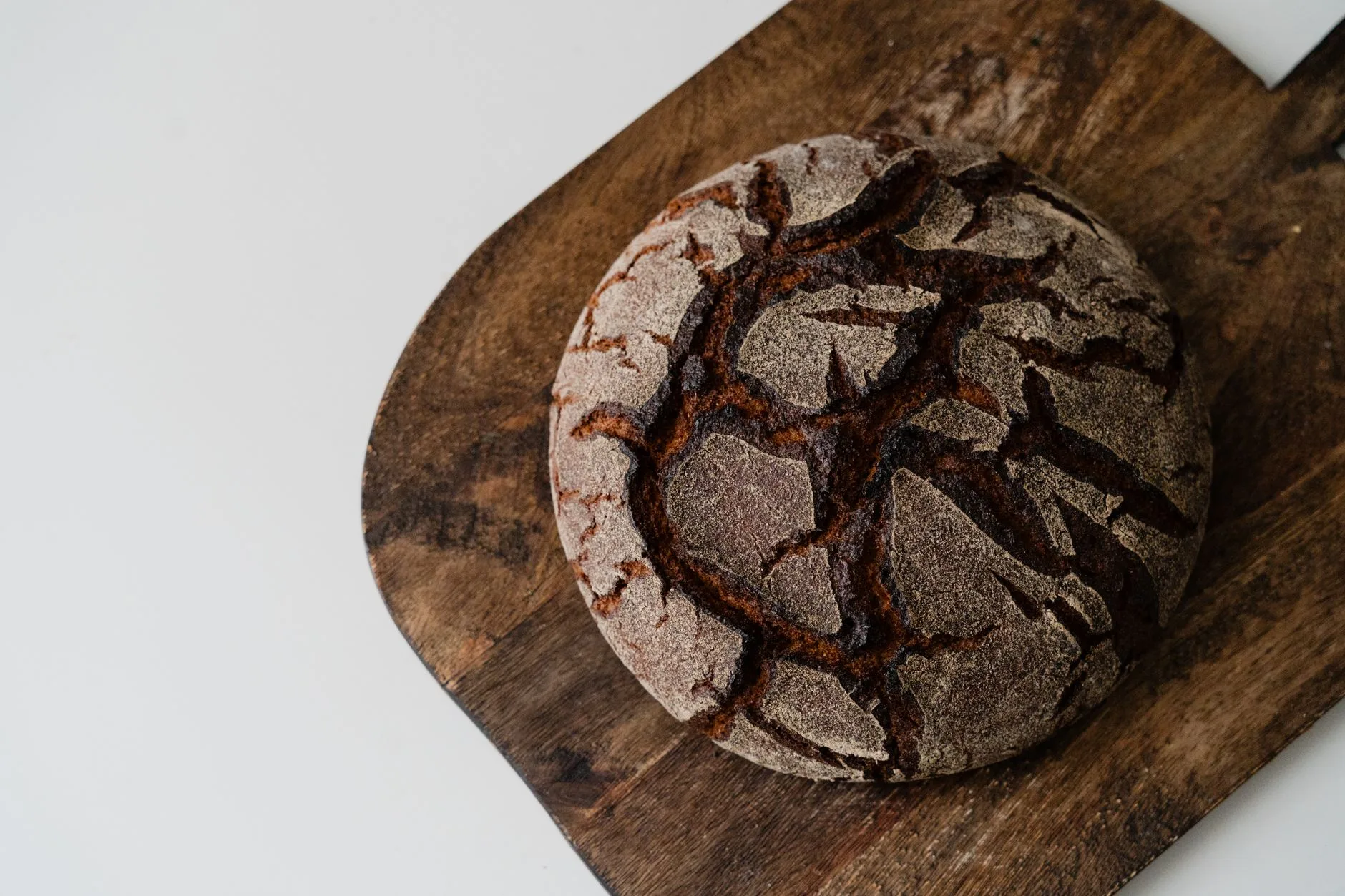
The machine’s pan gives a regular loaf shape and slices that suit many sandwich and toast jobs. The paddle may leave a hole in the base, and the pan shape can affect the loaf’s height. Many models offer light, medium and dark crust controls, but that is not the same as choosing every aspect of an oven-baked crust. A machine recipe may produce a softer crust than a free-form oven loaf; the actual result depends on the formula and programme.
An oven lets you use a tin or shape dough by hand. You can choose a recipe designed for a crisp exterior, a softer enriched loaf, rolls or a free-form loaf. That freedom does not guarantee a superior loaf. It asks for more judgement: proofing, handling, oven heat and bake time matter. A recipe may also need a covered vessel or steam technique; do not add water to an oven or use a pot unless the recipe and appliance instructions support it.
Do not compare two different recipes as if the appliance alone won
To claim that one method makes “better bread,” you would need to agree on what better means, choose a recipe workable by both methods, control flour, yeast, liquid, weight, cooling and tasting, then repeat the bakes. A supermarket-style pan loaf and a sourdough boule answer different desires. Without that controlled comparison, shape, crust, effort and timing are sounder grounds for choosing a routine than a taste score.
For a dense machine loaf, ingredients or programme choice may matter more than the appliance category. Switching to an oven without fixing a dry or poorly risen dough is unlikely to solve the underlying issue. Check the recipe, programme and ingredient measurements before changing appliances.
Match the finished loaf to its intended use
Think about the bread you actually finish in a week. A regular pan loaf can be the more useful result if it is destined for packed lunches. A round crusty loaf may suit a weekend meal but be less convenient for evenly sized sandwiches. Oven rolls allow portioning and freezing; machine pan loaves are simpler to slice. These are household preferences, not a ranking of baking skill or an objective quality score.
Time, attention and timing flexibility
Compare active time with elapsed time. A bread maker programme can take hours, but much of that time requires no action after the ingredients are loaded. An oven method may have similar or longer total elapsed time because dough must be mixed, rested, proved and baked, with short bursts of attention at each stage. A faster oven bake alone does not make the whole bread-making process faster.
The machine’s delay timer can be useful for some recipes, but it does not suit every ingredient or programme. The Tefal manual restricts delayed starts on some menus and warns against leaving perishable ingredients such as milk or eggs sitting for long periods. Check your own manual rather than assuming every recipe can be loaded before bed. An oven has no automatic overnight mixing and baking cycle; you can prepare dough in advance if the recipe supports it, but you still need to manage the final proof and bake.
Make the schedule realistic
If you can spare ten minutes to load a machine but cannot be around to shape and preheat, a complete bread-maker cycle is likely to fit better. If you enjoy shaping and can plan a final proof around dinner, the oven becomes more practical. A hybrid dough cycle saves mixing effort but still demands you return when the dough is ready. It is therefore neither fully automatic nor equivalent to putting a finished loaf on delay.
Our comparison uses tasks rather than a misleading single number of minutes. Exact timings vary by recipe, batch size, programme and oven. When choosing a machine, inspect the complete cycle for your usual loaf, including any rest period and what happens at the end. Do not buy on an advertised “rapid” time without checking the matching recipe and expected loaf.
Cooling is part of both routines
Whichever method you use, a fresh loaf should cool according to the recipe before slicing. Cutting it immediately can compress the crumb and make it seem gummy. A machine’s “keep warm” function, if present, is not an indefinite storage solution. Remove the loaf and pan as the manual instructs, then cool it safely. If you routinely bake at night, factor in when you will be awake to remove and cool the bread rather than only when the cycle starts.
Worktop space, oven access and washing up
A bread maker occupies worktop or cupboard space, and the lid needs clearance to open. Measure the usable spot, including under wall cabinets and near a socket. Check the weight if you plan to lift it out for each loaf. A machine you cannot comfortably set up may be used less often, which matters more than an attractive feature list. The loaf-size guide can help you avoid a pan much larger than your household needs.
An oven is usually already in the kitchen, but baking bread claims oven time and perhaps a tin, tray or lidded pot. If dinner regularly occupies the oven, a bread maker can produce a loaf independently. If worktop space is scarce and the oven is free most weekends, a dedicated machine may be harder to justify. Neither case is universal; map it to your kitchen.
Count all the washing up
The machine route means the pan and paddle, perhaps a measuring jug or scale bowl, and the cooling rack. Avoid metal utensils that damage a non-stick pan; follow the model’s cleaning instructions. The oven route may use a mixing bowl, scraper, work surface, tin or tray, and sometimes a stand-mixer bowl and hook. A hybrid method uses both machine pan and oven equipment. If easy clean-up is your main reason to buy a bread maker, be honest about which parts your preferred recipe will actually dirty.
Some people value the absence of flour on the worktop more than the number of utensils. Others enjoy handling dough and find a single mixing bowl simple. This is why an equipment comparison should start with routine rather than only a specification chart. The convenience advantage disappears if you mainly use a dough programme, shape complicated loaves and clean two appliances every time.
Consider who can use it safely
Moving a heavy hot pan from a machine and loading a hot oven are different physical tasks. Check handle access, counter height and the manual’s hot-surface warnings. If someone in the household has limited grip or reach, test whether they can safely perform the necessary steps before assuming one route is easier. The user’s kitchen and abilities matter more than a general label such as “simple to use.”
Running cost without a false headline figure
Running cost is a legitimate consideration, but “bread maker versus oven” cannot be reduced to a single electricity figure without specifying the recipe, batch, appliance and tariff. A machine’s rated wattage is its power specification, not the energy consumed continuously for every minute of a cycle. Its motor and heater work at different times. An oven’s heating behaviour also varies by model, temperature, preheat, duration and whether other food is cooked at the same time.
For one measured illustration, National Energy Action’s appliance-monitoring report recorded about 0.21 kWh for a Russell Hobbs 23620 on its 500g, medium-crust basic programme, lasting 3 hours 10 minutes. That is one bread-maker cycle, not a like-for-like oven measurement; consumption varies by machine and programme. To calculate a cost using your tariff, see our bread-maker cost-per-loaf guide.
Compare a complete loaf, not just the final bake
If you knead by hand, oven energy is mostly in the preheat and bake; if you use a stand mixer, that appliance adds energy. A hybrid bread-maker dough cycle plus oven finish uses both. Ingredient cost can exceed the electricity difference, especially for enriched or specialist loaves. The purchase price of a machine matters over its useful life: a cheap per-loaf energy estimate does not justify an appliance that sits unused.
To compare your own routines, record kWh for the bread-maker cycle with a suitable plug-in meter used according to its instructions. For the oven, consult reliable appliance consumption data or measure through a qualified setup; do not put a plug-in meter on a hard-wired cooker. Multiply measured energy by your actual tariff and add ingredients separately. If the oven is already on for another meal, apportioning its energy to a loaf is more nuanced than calling the whole preheat “bread cost.”
The practical verdict: choose the routine first, then estimate running cost for the loaf you will actually bake. A single bread-maker measurement cannot establish which method costs less in your kitchen.
The hybrid route: machine dough, oven finish
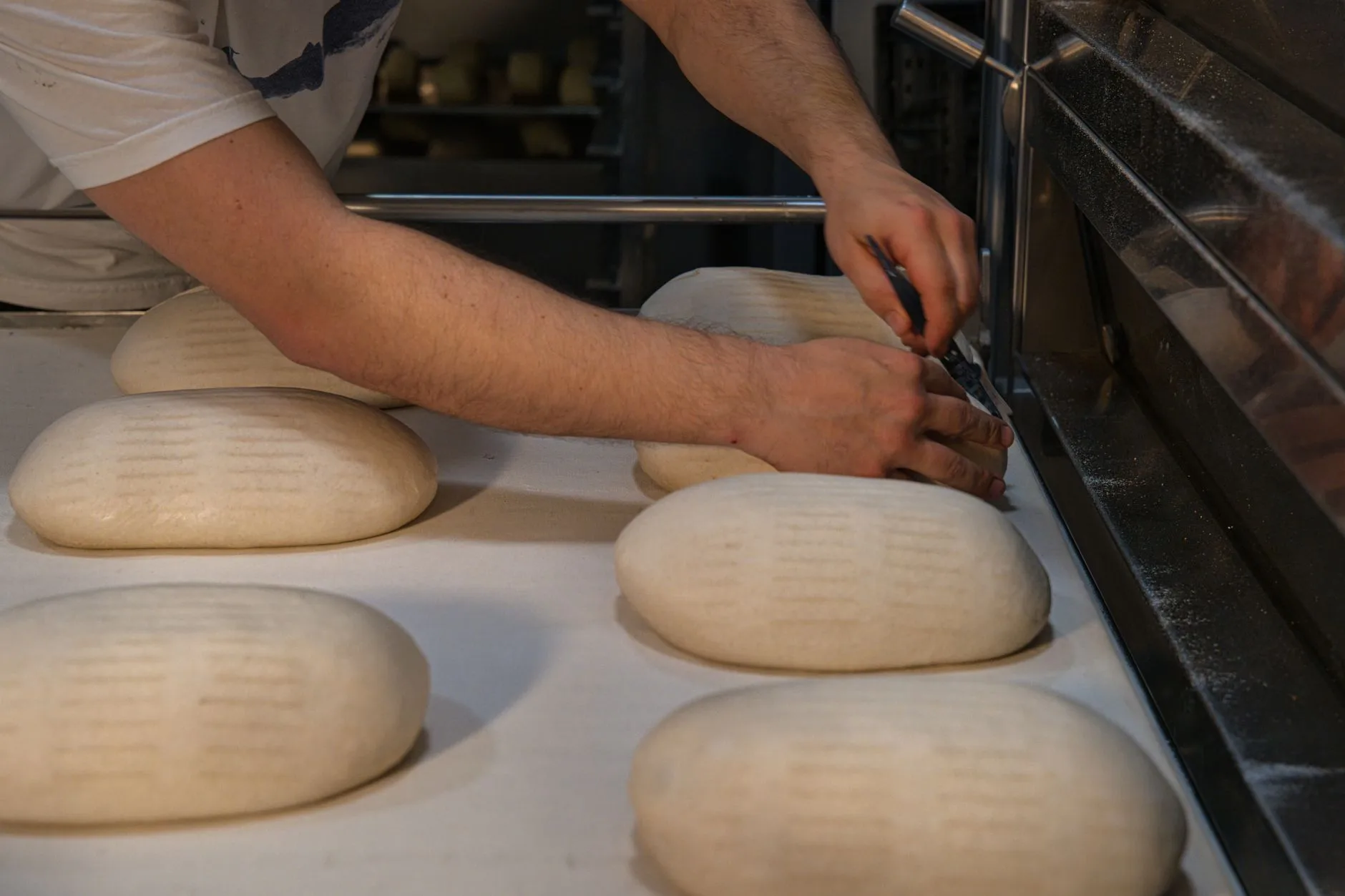
A dough-only setting is often the most useful bridge. It mixes and works the ingredients, and many programmes include part of the rise, then stop before baking. You remove the dough, shape it for a tin, tray, rolls or pizza base, allow any further proof the recipe needs, and bake it in the oven. The exact end point depends on the machine and recipe, so the manual still matters.
Check what the machine has already done
Do not automatically give every dough batch a second full rise. Some programmes end after a substantial first proof; others may expect different handling. Follow a recipe written for the dough cycle or a reliable adaptation. Remove the paddle if it comes away with the dough, shape gently, and use the recipe’s final-proof and oven guidance. If you are new to this route, start with a simple dough recipe rather than a wild-starter sourdough process.
Our programme explainer helps distinguish dough-only from bake-only and the complete loaf menus. A machine without a documented dough endpoint is a poor choice if shaped oven bread is the main reason you want it.
Where hybrid makes sense—and where it does not
Hybrid suits someone who dislikes hand kneading but wants oven shape and crust. It can free a stand mixer for other tasks and can handle a routine dough on a predictable schedule. It still requires worktop space, two appliances, an oven slot and time to shape and load the dough. If you already enjoy mixing by hand and rarely bake pan loaves, a bread maker may add equipment without saving enough work.
If your interest is specifically starter-led sourdough, see our sourdough bread-maker limits guide. A machine labelled “sourdough” may prepare starter, knead dough, bake a yeast-assisted loaf or support another variation; the label alone does not promise a completely automatic wild-starter boule. Keep that separate from a basic yeast-dough hybrid decision.
Which routine should you choose?
Choose a complete bread-maker cycle if you want regular sandwich or toast loaves, have a suitable counter spot and value low active effort. Check that the smallest supported loaf is useful for your household, the basic programme has a clear recipe and the pan is easy to remove and clean. Do not pay for many specialist menus you will not use. If this is your route, our current bread-maker comparison is the next buying step.
Choose an oven-led routine if your priority is shaping, a particular crust, rolls or adapting recipes. You need the time and inclination to prepare and manage dough, whether by hand or with a stand mixer. A loaf tin can still give you neat sandwich slices. The oven route is not inherently superior; it gives you more direct control in exchange for more decisions and work.
Choose hybrid if you expect to make both pan loaves and shaped bread, or if you want automated kneading but oven finishing. The purchase makes most sense when you will use more than one of its functions regularly. Write down a realistic month of bread-making: how many pan loaves, how many rolls or shaped loaves, and when you can attend the oven. That small exercise is more persuasive than an untested claim about “best” bread.
The common mistake
Do not buy a bread maker to solve an oven-baking problem that is really about recipe or time, and do not switch to an oven expecting it to correct a poor dough automatically. Match the bread you want, the work you will do and the equipment you can store. Once those fit, evaluate individual models or recipes on their own evidence.
Frequently Asked Questions
Is bread maker bread better than oven bread? There is no universal winner. A bread maker suits repeatable pan loaves with less active work; an oven offers more control over shape and crust. Recipe and technique strongly affect either result, and KitchenGearUK has not run a like-for-like taste test.
Can I use a bread maker just to make dough? Yes, if your model has a dough-only programme. Check its manual for the batch size and where the cycle ends, then shape, complete any recipe-required final proof and bake in the oven.
Is a bread maker cheaper to run than an oven? It depends on the exact appliances, recipe, batch, programme, oven preheat and electricity tariff. Use measured kWh where possible; a machine’s rated wattage alone does not give a per-loaf cost.
Can a bread maker make crusty artisan bread? A machine-baked loaf is constrained by its pan and programme. For a shaped oven crust, a dough-only cycle followed by an oven bake is often the more suitable route, provided the recipe and model support it.
Do I still need to knead dough if I use an oven? The oven only bakes prepared dough. You can knead by hand, with a stand mixer or with a bread maker’s dough programme, then follow the recipe’s shaping and proofing steps.
Which option is easier for a beginner? A manufacturer-supported basic bread-maker recipe usually has fewer hands-on stages. An oven method can be beginner-friendly too, but you must manage the dough, proof and bake. Choose the route you can repeat safely and enjoyably.