Choose a bread maker by the loaf size you will finish, the counter space you can spare and how much work you want it to do for you. The Panasonic SD-YR2540 is the best choice for most UK households; the Russell Hobbs Classics 27260 is the value pick, while the Panasonic SD-PN100 makes more sense when a full-size loaf would go stale.
Our top 5 picks

Panasonic SD-YR2540
Best all-round automation
32 programmes, yeast and raisin/nut dispensers, and a 13-hour timer.

Russell Hobbs Classics 27260
Best value basics
12 programmes and a 13-hour timer without automatic ingredient dispensing.

Tefal Pain & Délices PF240E40
Best for extra kitchen uses
20 programmes cover bread and dough, with yoghurt and jam options too.

Panasonic SD-PN100 Mini
Best compact loaf
A smaller 400g loaf format for one or two people.

Panasonic SD-R2530
Panasonic without yeast dispenser
30 programmes and a raisin/nut dispenser, but no separate yeast dispenser.
In this guide
- Comparison at a glance
- The five best bread makers
- Which bread maker should you buy?
- Choosing the right bread maker
- Programmes that matter
- Sourdough and gluten-free baking
- Costs, results and maintenance
- How we chose
- The bottom line
- Frequently asked questions
Comparison at a glance
| Model | Best for | Programmes | Main compromise |
|---|---|---|---|
| Panasonic SD-YR2540 | Delayed starts and broad programme choice | 32 | Large body and extra cost for dispensers |
| Russell Hobbs Classics 27260 | First-time buyers who want core settings | 12 | No automatic ingredient dispenser |
| Tefal Pain & Délices PF240E40 | Households that also want dough and dairy programmes | 20 | Extra programmes add complexity; no saved custom cycle |
| Panasonic SD-PN100 Mini | One or two people and smaller kitchens | 18 | Small 400g loaf format |
| Panasonic SD-R2530 | Panasonic programmes without a yeast dispenser | 30 | No separate yeast dispenser |
Compare current prices before choosing between the two full-size Panasonics. The practical distinction is between the Russell Hobbs core settings, Panasonic dispenser options and Tefal’s wider cooking programmes.
The five best bread makers
1. Panasonic SD-YR2540 — Best Overall
The SD-YR2540 is the all-round pick here for households that will use its automated dispensers and varied programmes. Its separate yeast and raisin/nut dispensers are useful with the 13-hour timer because ingredients stay apart until the programme needs them. Dual temperature sensors adjust the cycle to room conditions, while 32 programmes cover everyday white and wholemeal loaves, rye, brioche, dough, sourdough and four gluten-free modes.
- Buy it if: you want automated delayed starts, varied recipes and less manual ingredient timing.
- Skip it if: you mainly make occasional basic loaves and cannot justify the larger footprint.
- Main compromise: its extra dispensers add cost; compare current prices.
2. Russell Hobbs Classics 27260 — Best Value Basics
The Russell Hobbs Classics 27260 covers the everyday essentials: 12 programmes, 750g and 1kg loaf settings, three crust options and a 13-hour delay timer. Bread, dough and gluten-free settings make it a practical first machine. Its fast-bake modes offer a quicker loaf when needed; use the regular programme when texture matters most.
- Buy it if: you want bread, dough and gluten-free settings with two full-size loaf choices.
- Skip it if: you often use delayed starts with add-ins and want automatic dispensers.
- Main compromise: you need to add ingredients in the specified order and follow the machine’s add-in prompts.
3. Tefal Pain & Délices PF240E40 — Best for Extra Kitchen Uses
The Tefal Pain & Délices PF240E40 makes sense if the machine will do more than bake a standard loaf. Its 20 automatic programmes include bread and dough choices, dedicated gluten-free options, jam and dairy settings. Choose 500g, 750g or 1kg loaves and one of three crust settings. The yoghurt pot and cottage-cheese filter are included; those extras earn their space only if you expect to use them.
- Buy it if: you want bread and dough programmes alongside yoghurt and jam making.
- Skip it if: you chiefly bake basic loaves and would leave the dairy accessories unused.
- Main compromise: it has more modes and accessories to learn, but no saved custom knead-and-rise cycle.
4. Panasonic SD-PN100 Mini — Best Compact
The SD-PN100 is designed around compact 400g loaves, making it a better fit for one or two people than buying a full-size machine and wasting bread. Its 18 programmes include four gluten-free options plus bread, cake, pizza dough and jam settings. The narrow format saves worktop space, although the small loaf size is a real limit for families.
- Buy it if: you have limited space or want fresh bread in smaller quantities.
- Skip it if: you regularly feed three or more people or batch-bake large loaves.
- Main compromise: the compact machine commits you to a much smaller finished loaf.
5. Panasonic SD-R2530 — Best Without a Yeast Dispenser
The SD-R2530 offers many Panasonic programmes without a separate yeast dispenser. It retains dual temperature sensors, 30 programmes, four gluten-free modes, a 13-hour timer and an automatic raisin/nut dispenser, but omits the SD-YR2540’s separate yeast dispenser. For bakers happy to position yeast correctly in the pan, compare its current price with the SD-YR2540 before deciding.
- Buy it if: you want Panasonic’s programme range and ingredient dispenser below flagship pricing.
- Skip it if: you rely heavily on long delayed starts and want yeast handled separately.
- Main compromise: the price gap to the SD-YR2540 can be narrow, so compare both before ordering.
Head-to-head: which bread maker should you buy?
Choose the Panasonic SD-YR2540 if you expect to bake several times a week and will use its dispensers. Its yeast and raisin/nut dispensers make delayed starts less fussy, and its programme range leaves room to move beyond a basic white loaf. It is the most automated option among these five, rather than the cheapest.
The Russell Hobbs Classics 27260 suits a first machine when bread, dough, gluten-free settings and a delay timer matter more than automatic dispensers. Choose the Panasonic SD-R2530 when you want its programme range and nut dispenser without the separate yeast dispenser. Compare its current price with the SD-YR2540; the gap may be too small to justify losing that feature.
Household size settles the remaining decision. The SD-PN100 Mini avoids oversized loaves and wasted bread for one or two people. The Tefal Pain & Délices is the broader kitchen choice if you will use its gluten-free, dough, jam or yoghurt settings. Its programmes are preset rather than saved custom fermentation cycles.
- Choose the SD-YR2540: best overall automation and programme range.
- Choose the Russell Hobbs: core settings and two full-size loaf options.
- Choose the Tefal: bread, dough, gluten-free and dairy programmes.
- Choose the SD-PN100: compact machine and smaller loaves.
- Choose the SD-R2530: Panasonic features without a yeast dispenser.
Choosing the right bread maker
Start with loaf size and kitchen space
A couple who eat a few slices each morning may waste a 1kg loaf, while a family can make a compact 400g loaf disappear before lunch. Check the finished loaf sizes, not just the pan dimensions. Then measure the worktop with the lid open: bread makers are tall, and wall cupboards can make an apparently suitable space unusable.
If you already use a stand mixer for bread dough, decide whether you want an all-in-one bake or simply better unattended timing. A bread maker earns its space by mixing, proving and baking without moving the dough between appliances.
Decide how unattended you want baking to be
A 13-hour delay timer is useful only when ingredients can wait safely and the yeast remains separate from liquid. Panasonic’s yeast dispenser removes that small but common source of failed overnight loaves. Fruit and nut dispensers matter if you often make seeded or enriched bread; otherwise they are convenient rather than essential.
Treat viewing windows and crust settings as secondary
Light, medium and dark crust settings are useful, but recipe hydration and sugar content still affect browning. A viewing window satisfies curiosity without opening the lid, yet it should not outweigh temperature control, programme timing or access to replacement pans and paddles.
Bread maker programmes that matter
- Basic or white: the everyday cycle and the best place to learn the machine.
- Wholemeal: allows more time for heavier flour to hydrate and rise.
- Dough only: mixes and proves dough for rolls, pizza or focaccia before oven baking; see our bread recipes from sourdough to brioche for ideas.
- Gluten-free: changes mixing and proving because gluten-free batter does not behave like wheat dough.
- Rapid: useful in a hurry, though the shorter rise usually produces a denser loaf.
- Custom: valuable for experienced bakers who want to store their own timings.
Jam and cake settings can be enjoyable extras, but they should not decide the purchase. If dough preparation is your main aim, compare a bread maker with planetary and spiral mixers; the right tool depends on whether you want automated baking or stronger dough handling.
Sourdough and gluten-free baking
Sourdough needs realistic expectations
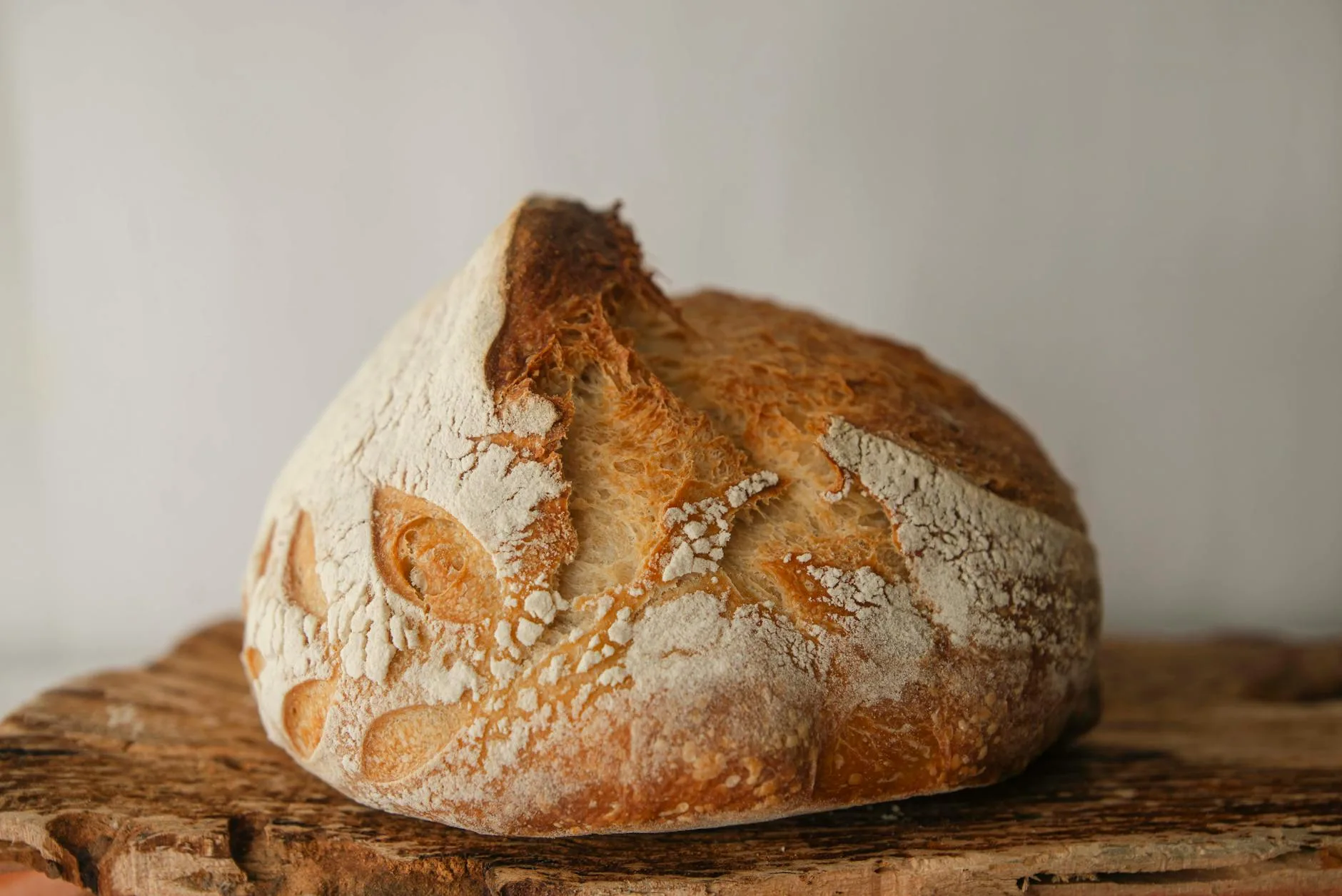
The Panasonic SD-YR2540 includes sourdough bread, dough and starter programmes. The Tefal offers dough programmes, but lacks a saved custom fermentation cycle. If sourdough is your priority, compare the dough-only, machine-baked and starter-plus-yeast routes before choosing a model: a sourdough-labelled programme does not mean every machine can bake a fully automatic starter-only loaf. For longer sourdough fermentation, mix and knead in the machine, then prove and bake outside it. Expect a machine-baked sourdough loaf to differ from the open crumb and blistered crust of a Dutch-oven loaf.
Use an active starter and follow the machine’s tested recipe before adapting hydration or timings. On a basic machine, dough-only mode is often the safer route: let the machine mix and knead, then complete the longer fermentation, shaping and baking outside it.
Gluten-free programmes are useful
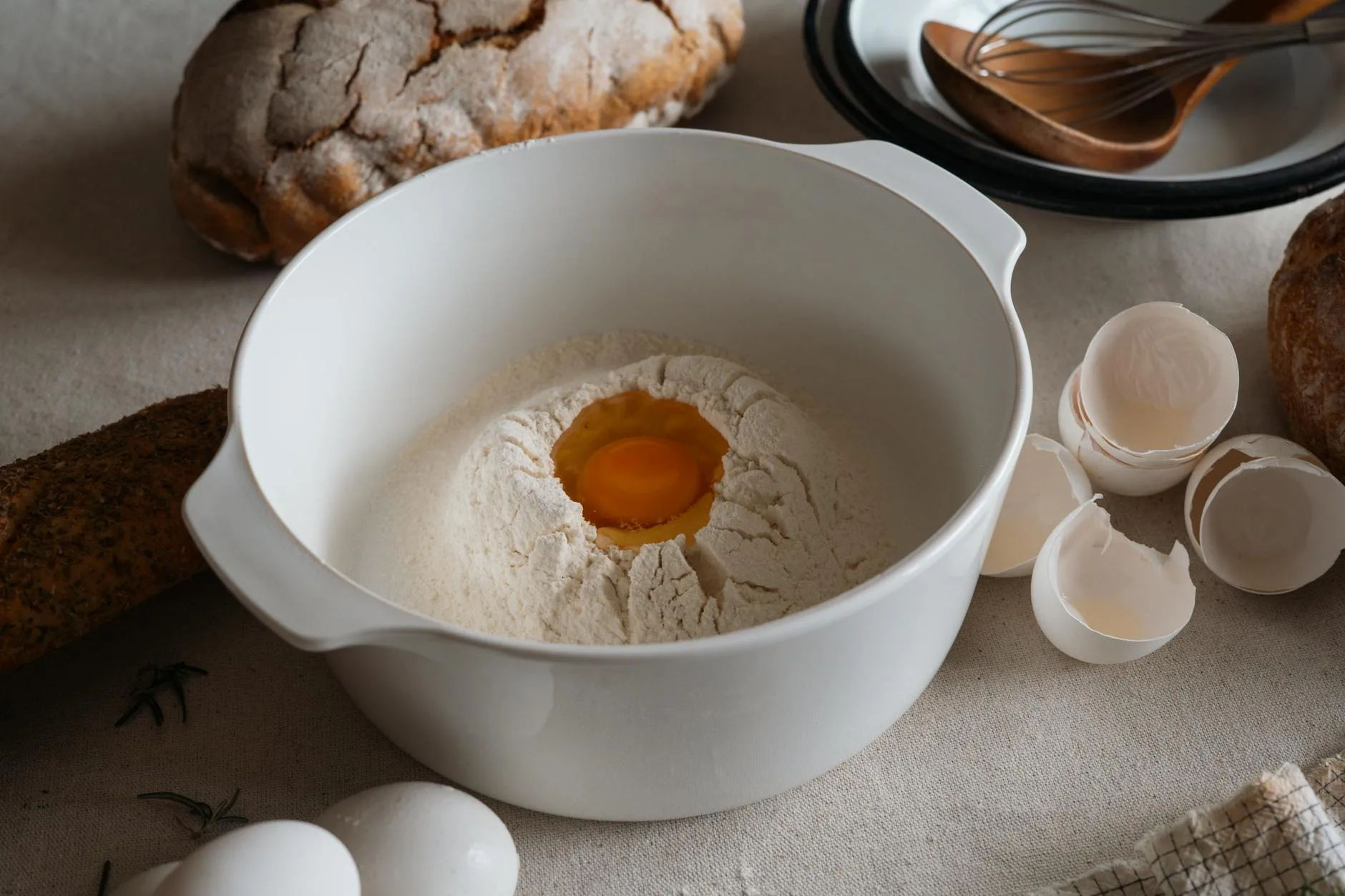
Gluten-free dough cannot build the same elastic structure as wheat dough, so it needs different mixing and usually a single rise. Use a formulated gluten-free bread blend and the manufacturer’s recipe before experimenting. Coeliac UK explains why strict avoidance of gluten matters for people with coeliac disease, including contamination from shared ingredients and equipment.
- Measure by weight: small hydration errors have a large effect.
- Scrape the pan early: dry flour can remain in the corners during the short mixing stage.
- Let the loaf cool: slicing too soon can make a gluten-free crumb appear gummy.
Costs, results and maintenance
Cost per loaf
The cost of a homemade loaf depends on the recipe, current ingredient prices and electricity use. Flour and yeast for a plain loaf differ markedly from seeds, butter or gluten-free blends. Compare your usual bought loaf with the recipe you will actually make; savings are not guaranteed against basic supermarket bread. A machine also has an upfront cost, so frequent use matters more than an optimistic payback calculation.
Three habits improve results
- Use digital scales: bread recipes depend on accurate flour and water ratios.
- Follow ingredient order: especially with a delayed start, keep yeast away from liquid unless the machine dispenses it separately.
- Remove the loaf promptly: cooling it on a wire rack prevents steam softening the crust.
Start with the manufacturer’s recipe, then adjust water in 5ml steps if seasonal humidity changes the dough. During the first knead, it should form a smooth, slightly tacky ball rather than smear around the pan or rattle as a dry lump.
Cleaning and replacement parts
Let the pan cool, remove the paddle and wash both with warm soapy water and a soft cloth. Abrasive scourers shorten the life of the non-stick coating. Every machine leaves some form of paddle hole; a collapsible blade reduces it but does not make it disappear. Before buying, check the manufacturer still sells a compatible pan and paddle.
For more baking equipment comparisons, see our KitchenAid vs Kenwood vs Smeg guide and advice on making pasta with a stand mixer.
How we chose
We compared documented loaf sizes, everyday programmes, delay timers, dispensers, dimensions and custom-cycle options for these five machines. Feature descriptions come from manufacturer specifications and manuals, not kitchen testing.
White, wholemeal, dough and gluten-free settings matter more for most households than a long menu of extras. For sourdough, check what the named programme actually does; a preset alone will not produce a bakery-style crust and crumb.
The bottom line
The Panasonic SD-YR2540 is the best bread maker for most UK buyers because it combines automated delayed starts with a useful range of programmes. Choose the Russell Hobbs for core settings, the SD-PN100 for smaller loaves, the Tefal for additional dough and dairy programmes, or the SD-R2530 when its price makes foregoing the yeast dispenser worthwhile.
Frequently asked questions
Which bread maker is best for sourdough?
The Panasonic SD-YR2540 is the more guided choice because it has dedicated sourdough programmes. For a longer sourdough rise, use a dough setting and finish proving and baking outside the machine.
Is bread-maker bread as good as bakery bread?
It can make very good sandwich bread consistently. It will not reproduce the open crumb and thick, blistered crust of artisan bread baked in a hot, steamy oven.
Can I use normal flour in a bread maker?
Use the flour specified by the recipe. Strong bread flour usually provides the protein needed for a well-risen wheat loaf; plain flour often produces a weaker structure.
How long does bread-maker bread last?
Without commercial preservatives, it is normally best within two or three days. Slice and freeze it once cool if you will not finish the loaf promptly.
Do bread makers use much electricity?
The heater cycles rather than drawing the rated wattage throughout the whole programme. Actual use depends on the model and cycle, so a plug-in energy monitor and your current tariff provide the most useful answer.
Is an expensive bread maker worth it?
Yes, when you bake often enough to benefit from better automation, temperature control and dispensers. For occasional basic loaves, the Russell Hobbs covers the core settings; compare current prices before paying more for automatic dispensers.