Start with three bread maker programmes: basic for an everyday white loaf, wholemeal for a recipe using wholemeal flour, and dough-only when you want to shape and bake pizza, rolls or a loaf elsewhere. Choose the cycle by the bread you actually make and where you want the machine’s work to end. Extra menu names matter only when they serve another regular bake.
In This Article
- Bread maker programmes explained by baking task
- Basic white and wholemeal are the everyday starting points
- Rapid programmes trade time for a different recipe
- Dough-only is for shaping and finishing elsewhere
- Gluten-free programmes need the right recipe
- Bake-only, starter and sourdough labels are different jobs
- Loaf size, crust, delay and dispensers are not programmes
- A task-based shortlist before you buy
- Frequently Asked Questions
Bread maker programmes explained by baking task
The programme is the automatic sequence: the machine decides when to mix, knead, rest, warm and bake. The loaf-weight, crust-colour and delay controls may adjust that sequence but are not additional bread recipes. A fruit-and-nut dispenser is a physical feature, while a beep asking you to add ingredients is another way of handling the same task. Model listings often mix these categories in one feature count.
Read the menu and the recipe together
The Tefal Pain & Délices PF240E40 product information and UK-market instruction manual give a concrete menu example. Its 20 programmes include yoghurt and porridge, alongside bread recipes with specific weights and controls. Compare the recipes for the bakes you want, rather than the total on the box.
- Machine-baked sandwiches: check basic/white and the loaf sizes its recipe supports.
- Wholegrain baking: check wholemeal or rye menus and the recipe’s flour limits.
- Shaped bread: insist on a genuine dough-only end point, then plan for hand shaping and an oven.
- Special diets: match a dedicated programme to an approved recipe rather than trusting the menu name alone.
Our bread maker buying guide compares actual machines; use this guide to decide which advertised functions deserve space on your shortlist.
Basic white and wholemeal are the everyday starting points
A basic or white programme typically carries a loaf from mixed ingredients through kneading, rising and baking in the pan. On the PF240E40, Tefal calls programme 4 “Basic white bread” and supplies separate 500g, 750g and 1000g recipe quantities in its manual. Its example medium-crust times are 2 hours 57 minutes, 3 hours 2 minutes and 3 hours 7 minutes respectively. Those timings belong to that exact menu and recipe; they are not a benchmark for another brand. A smaller model may have a different minimum size or pan shape.
Wholemeal flour behaves differently in a recipe, so the wholemeal menu is more than a marketing label. Tefal assigns wholemeal bread programme 8 and rapid wholemeal programme 9. The machine’s cycle may allow a different rest, preheat or rise sequence from basic white. National Energy Action’s measured Russell Hobbs 23620 example also shows a longer wholemeal cycle than its basic setting, but do not transfer that machine’s energy or timings to the Tefal. Read the recipe quantities and exact programme table for whichever model you own.
Choose the ordinary loaf first
We would make the manufacturer’s basic white recipe once before changing several ingredients at the same time. That gives you a baseline for the machine’s flour quantity, yeast type, crust setting and finished loaf. If you prefer wholemeal, use its dedicated recipe next. Swapping all the white flour for wholemeal in a white programme without checking the recipe can produce a dense loaf and tells you little about whether the machine is good.
The 400g-to-1kg loaf-size guide explains the distinction between a nominal loaf setting and the weight of flour in a recipe. Programme choice and size belong together: a 500g recipe cannot simply be doubled in a small pan. A useful machine is one whose smallest supported loaf you will finish before it stales, not merely one with the largest number on its box.
Rapid programmes trade time for a different recipe
A rapid or express programme compresses the schedule, but it is not a button that preserves every result while skipping two hours. Tefal’s PF240E40 has rapid basic white and rapid wholemeal as separate programmes. Its product page gives rapid white examples of 1 hour 27 minutes for 500g, 1 hour 32 minutes for 750g and 1 hour 38 minutes for 1000g. The manual identifies the menus, but the result still depends on using a recipe designed for them. Do not assume a long-cycle recipe will rise the same way if you simply select rapid.
Shorter rest and rise time can alter flavour, volume and crumb. We would use the ordinary programme for bread made mainly for eating and rapid when time really matters. This is a preference, not a measured taste-test claim for the Tefal. If the loaf comes out dense, first check ingredients, yeast, water temperature and the model’s rapid recipe before declaring the machine faulty. Fresh yeast, a different flour or overfilled pan can be bigger influences than the menu label.
Faster does not automatically mean lower energy cost
A shorter cycle is not proof of lower electricity use. Different programmes change heating and motor activity, and rated wattage multiplied by runtime is a poor substitute for measuring kWh. Our bread-maker cost-per-loaf guide explains the calculation with a documented measured machine. If energy cost matters, measure your own normal and rapid recipes rather than assuming the shorter clock wins.
Rapid is also not the same as a delay timer. Delay starts the chosen programme later; it does not turn a basic cycle into rapid bread. On the PF240E40, the manual excludes rapid basic white from the delayed-start options. Check the exact combination you expect to use before buying for “fresh fast bread at breakfast.”
Dough-only is for shaping and finishing elsewhere
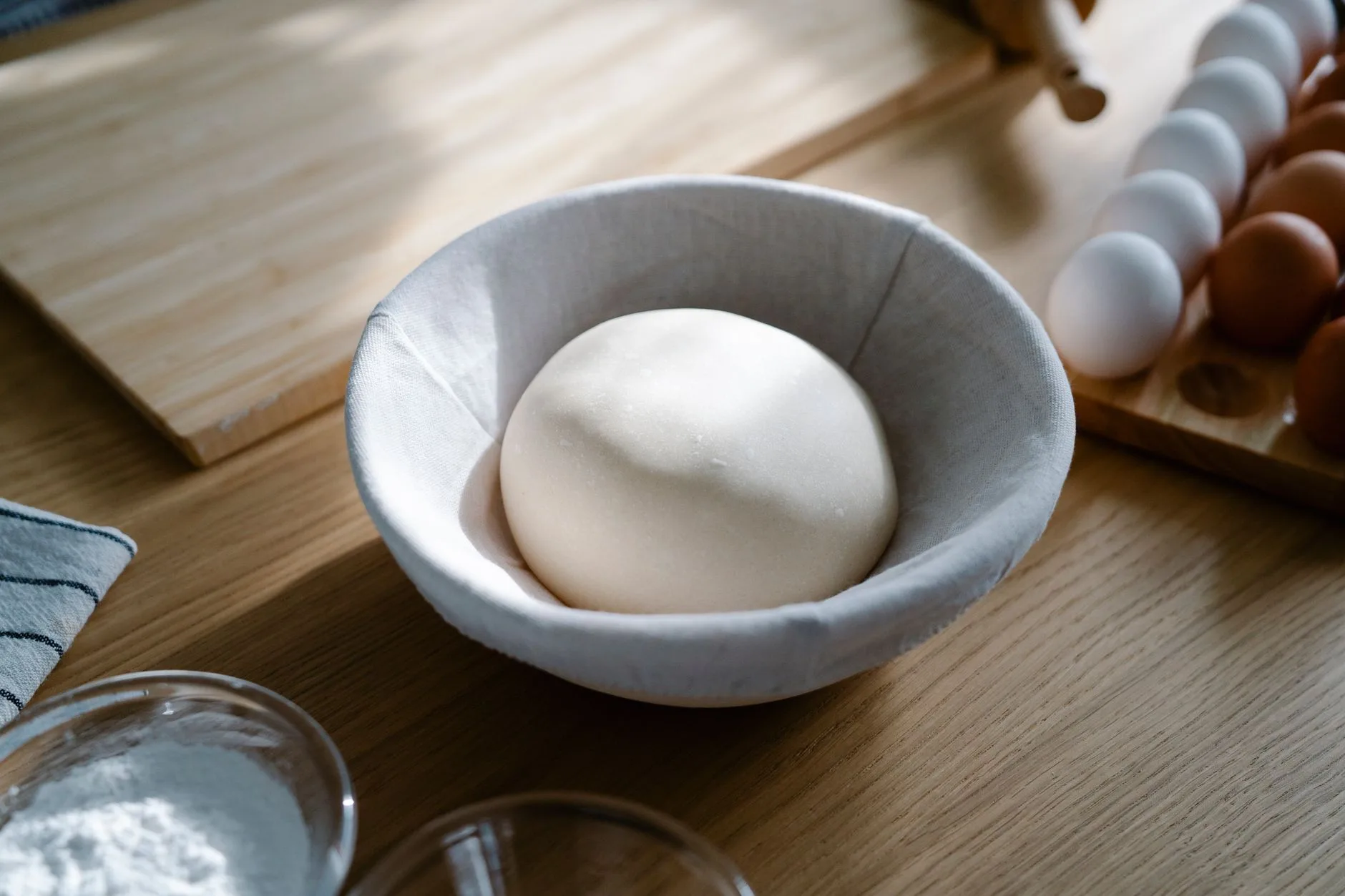
Choose dough-only after basic and wholemeal if you want pizza bases, buns, rolls or a differently shaped loaf. The PF240E40 calls programme 11 “Leavened doughs” and lists pizza, bread and waffle dough. Tefal is explicit: the programme does not cook food. It mixes and works the dough, handles its own rest and rise stages, then stops before baking. Use that model’s recipe to see whether shaping and a final proof still follow.
When the cycle ends, tip the dough out gently, remove the paddle if it stayed in, and follow the chosen recipe’s shaping instructions. A pizza base can be stretched and topped; rolls need dividing and shaping; a free-form loaf needs a baking tray or tin. Depending on the recipe and how far the machine has already proved the dough, it may need a further final proof after shaping. Judge that stage by the recipe and dough condition rather than automatically adding the same number of minutes to every batch. Then bake in a preheated oven using the recipe’s temperature and doneness guidance. The bread maker has saved the mixing and part of the timing, but it has not made a finished loaf without your oven.
Dough-only is not bake-only
Tefal’s programme 14 is “Cooking only”, selectable for 10–70 minutes; its manual says it can follow the leavened-dough programme or finish cooking after an interruption. That is baking heat in the bread pan, not the shaping and oven-crust route above. A dough-only cycle followed by bake-only may keep everything in the machine, while removing the dough lets you choose rolls, a pizza or a different loaf shape. Decide which outcome you actually want.
The limits matter. You need time and a clean surface for shaping, and an oven for an oven-finished result. Count both appliances’ energy if you calculate a complete loaf’s running cost. A dough setting may not have enough time for a wild-starter sourdough recipe; see the dedicated sourdough programmes and limits guide for the separate starter-led routes. We would not buy a machine solely because a feature list says “dough” until the manual confirms the batch size, programme end point and a recipe close to what we plan to bake.
Gluten-free programmes need the right recipe
Gluten-free dough is not simply white wheat dough with a different label. The PF240E40 manual lists savoury gluten-free bread, sweet gluten-free bread and gluten-free cake as programmes 1–3, and recommends suitable ready-to-use mixes or recipes devised for gluten-free flour. That is useful evidence of distinct menus, but it does not mean any flour blend works on any setting. Follow the exact model’s quantity and order instructions for the mix you buy; if a recipe requires a different method, the programme name will not rescue it.
A machine’s “gluten-free” menu is a process feature, not a medical certification or a guarantee that shared equipment is free of cross-contact. If avoiding gluten is essential for health, follow the dietary and cleaning advice relevant to your circumstances, including ingredient labels and any manufacturer instructions for cleaning the pan and paddle. This article is about programme choice, not diagnosis or treatment.
Check the complete bread path
Some models offer only one gluten-free bread menu; others separate savoury, sweet and cake. Cake may use baking powder rather than the yeast-and-rise cycle a loaf needs. Ask whether the machine can bake the loaf you plan to eat, at a useful size, using a recipe you can source in the UK. The pan and paddle also need to be practical to clean. We would give those details more weight than a large overall programme count.
The main bread-maker comparison helps you compare current models once you know which recipes and loaf sizes matter to you.
Bake-only, starter and sourdough labels are different jobs
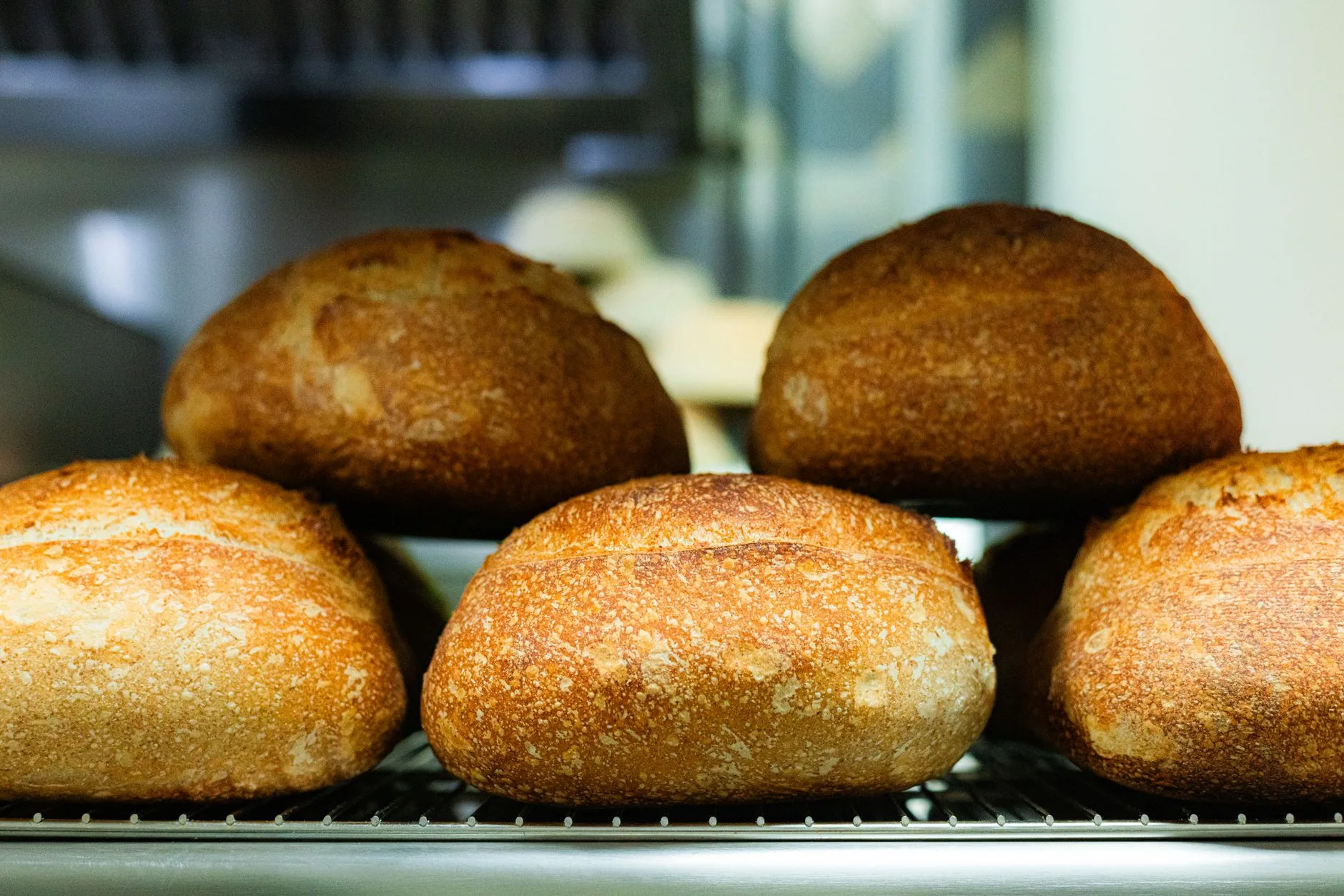
Bake-only applies heat without automatically repeating all the mixing and proving of a standard bread programme. On the PF240E40, cooking-only can be used independently, after the dough programme or to finish a cycle interrupted by a long power cut. That tells you what its menu does; it does not make it a universal substitute for an oven. A machine-baked loaf stays in the bread pan and generally has a different shape and crust from an oven-baked free-form loaf.
“Sourdough” needs more scrutiny. A menu may help prepare a starter, mix a dough, support a lengthy process or bake a loaf that also uses commercial yeast. Those are not interchangeable. A starter-led recipe can require fermentation outside a standard fixed programme, and the mere word “sourdough” on a control panel does not prove a fully automatic wild-starter loaf. Rather than duplicate the full method here, our sourdough bread-maker guide separates dough-and-oven, machine-baked and starter-plus-yeast workflows.
Ask where the loaf will be baked
We would inspect the manufacturer’s actual recipe before paying extra for a sourdough badge. Does it call for an active starter? Does it also list dried yeast? Does the programme end with dough or a baked loaf? How large a batch fits the pan? These questions expose whether the feature fits your baking habits. They also prevent double-counting “starter”, “dough” and “bake” as three effortless complete sourdough loaves.
If your goal is just to knead bread dough and finish it in a conventional tin, a stand mixer bread workflow is another route—especially if you already own one. The bread maker earns its place when its temperature control, timing and unattended pan bake suit what you actually make.
Loaf size, crust, delay and dispensers are not programmes
The PF240E40 manual identifies the menu selector separately from weight, crust and delayed-start controls. It lists 500g, 750g and 1000g weight selections and light, medium and dark crust choices, while warning that some programmes do not allow every adjustment. It also states that delayed start can be set up to 15 hours ahead, but excludes a list of menus including rapid basic, dough and cooking-only for this model. Treat “15-hour timer” as a conditional feature, not proof that every recipe can sit in the pan overnight.
Tefal warns against delayed start for recipes with perishable ingredients such as raw milk, eggs, yoghurt, cheese and fresh fruit. That is a model-manual caution worth retaining in a buying decision. A timer is convenient for a suitable basic loaf, but it cannot override food safety or the restrictions in a particular menu. Keep a written note of the recipe and programme combination you actually plan to run.
Dispenser versus reminder beep
An automatic dispenser releases ingredients at a chosen point without you present. A reminder beep asks you to add them manually. Both can support fruit or nuts, but only one suits an unattended overnight recipe. The PF240E40 manual describes an “Extra Ingredients” beep during kneading; do not infer an automatic dispenser from a retailer’s broad “add ingredients” claim. If seeded loaves are your priority, check how the model handles additions and whether the recipe asks for them at the start or after the beep.
- Loaf weight: a selectable size may be restricted to certain menus and recipes.
- Crust colour: a control on many bread menus, not a separate loaf type.
- Delay start: a scheduling control with programme and ingredient restrictions.
- Dispenser: hardware for automatic additions; a beep is not the same thing.
This distinction is useful when comparing product listings: count outcomes you will use, not buttons and accessories as if they were extra baking programmes.
A task-based shortlist before you buy
Write down two or three bakes you will make regularly, including the loaf size and whether you want a pan-baked or oven-finished result. For sandwich bread, prioritise basic and wholemeal recipes at a useful minimum size. For pizza and rolls, choose dough-only. If gluten-free or starter-led bread is central to your plan, compare the exact recipe path and the work it leaves for you.
- Name the result: pan-baked loaf, shaped oven loaf, rolls or pizza base.
- Trace the cycle: read where the selected programme ends and whether it bakes.
- Match the recipe: check flour, yeast, quantities and supported loaf weights.
- Check the controls: confirm the crust and delay options work on that particular programme.
- Check the kitchen fit: account for pan size, storage, cleaning and whether you will also need an oven.
We would take a machine with fewer well-documented programmes over one with a long, vague menu that misses our normal loaf. The bread-maker model guide is the next step once you know which functions are worth paying for. Programme choice should simplify your baking, not give you twenty labels to memorise.
Frequently Asked Questions
What is the most useful bread maker programme? For many households it is a basic white loaf programme matched to a useful loaf size. Wholemeal and dough-only are often the next functions worth checking, depending on what you bake.
Does a dough-only programme bake bread? No. Tefal’s PF240E40 leavened-dough programme explicitly does not cook food. After the cycle, follow your recipe for shaping, any final proof and oven baking, or use a compatible bake-only route if appropriate.
Is rapid bread the same as basic bread made faster? It is a separate programme on models such as the PF240E40. Use a recipe intended for the rapid cycle and expect that the shorter rise may change the result.
Is a delay timer a bread programme? No. It schedules an eligible programme. The available delay and its ingredient restrictions depend on the exact model and menu.
Does a sourdough setting guarantee a fully automatic starter loaf? No. Check whether the manufacturer’s recipe uses active starter, commercial yeast, a dough-only finish or a complete machine bake.
Can I use any gluten-free flour on a gluten-free programme? Do not assume so. Use a mix or recipe designed for the exact model’s gluten-free menu and follow its quantity and ingredient-order instructions.