You’re in Currys, staring at a wall of coffee machines that all look vaguely the same but cost anywhere from £30 to £1,500. The sales assistant mentions “15-bar pressure” and “integrated grinder” like those phrases should mean something to you. Meanwhile, you just want a decent coffee at home without remortgaging the kitchen. Sound familiar?
The coffee machine market in the UK has exploded over the past few years, and working out which type actually suits your life — not just your Instagram aspirations — takes a bit of unpicking. Each type of machine makes coffee differently, costs differently to run, and suits a completely different kind of morning routine. Get it wrong and you’ll end up with an expensive ornament gathering dust next to the toaster.
This guide breaks down the four main coffee machine types explained in plain terms: bean-to-cup, pod, filter, and espresso. By the end, you’ll know exactly which one belongs in your kitchen.
Bean-to-Cup Machines: The Hands-Off Option
Bean-to-cup machines do everything. You pour whole beans into a hopper at the top, press a button, and get a finished drink in your cup. The machine grinds the beans, tamps them, brews the coffee, and — on most models — froths the milk too. It’s the closest thing to having a barista living in your kitchen cupboard.
The appeal is obvious: fresh coffee with almost zero effort. Because the beans are ground immediately before brewing, you get noticeably better flavour than pre-ground alternatives. Most machines let you adjust the strength, volume, and grind size, so you can tinker until your flat white tastes exactly how you like it.
Who should buy one?
Bean-to-cup suits anyone who drinks multiple coffees a day and values convenience over ritual. If you’re making drinks for the whole household — one person wants an americano, another wants a latte — these machines handle that without fuss. They’re particularly popular in home offices where you need reliable caffeine on tap without faffing about.
What to expect on price
Budget models start around £250-350 (the De’Longhi Magnifica range is the usual entry point and widely available at Argos, Currys, and Amazon UK). Mid-range sits around £400-700, where you get better grinders and automatic milk systems. Premium machines from Jura and Sage push past £1,000 and deliver genuinely café-quality results.
Running costs are low — whole beans from a decent roaster cost roughly £8-15 per 250g bag, and each drink uses about 7-9g. That works out at roughly 25-35p per coffee, which is considerably cheaper than pods.
The downsides
These machines are big. Properly big. Most need at least 25-30cm of worktop depth and about 40cm of headspace for the bean hopper. If you’ve got a small galley kitchen in a terraced house, measure first — ask me how I know.
Maintenance is the other sticking point. Bean-to-cup machines need regular cleaning cycles, descaling every few months, and the brew group usually wants a rinse weekly. Skip this and the coffee starts tasting stale. Some models have automatic cleaning, which helps, but it’s still more upkeep than a pod machine.
Pod Machines: Maximum Convenience, Minimum Fuss
Pod machines — also called capsule machines — are the simplest way to make coffee at home. Pop in a sealed pod, press the button, wait 30 seconds. That’s it. Nespresso dominates this market in the UK, but Dolce Gusto and Tassimo have solid followings too, and each uses a different pod system (they’re not interchangeable, which is worth knowing before you commit).
The real appeal
Consistency. Every single cup tastes the same as the last one. There’s no skill involved, no learning curve, and cleanup means ejecting the used pod and occasionally wiping the drip tray. For anyone who just wants a quick, reliable coffee without thinking about grind size or tamping pressure, pods are hard to beat.
The machines themselves are small and cheap. A Nespresso Pixie costs about £80-100, and even the fancier Vertuo models sit around £150-200. They tuck into tight kitchen corners easily, which makes them ideal for smaller homes or if you’re renting and don’t want to invest heavily. You’ll find them everywhere — John Lewis, Argos, Amazon UK, even supermarkets.
The costs that add up
Here’s the catch: the ongoing cost is higher than any other method. Official Nespresso pods run about 30-45p each, and if you’re drinking three coffees a day, that’s over £400 a year just on pods. Compatible third-party pods from brands like CRU Kafe or Pact bring the cost down to around 20-25p, but the quality varies.
There’s also the environmental question. Aluminium Nespresso pods are recyclable through their own scheme (you send them back in a prepaid bag), but most people don’t bother. Dolce Gusto pods are plastic and harder to recycle. If sustainability matters to you, this is worth factoring in — the UK Coffee Association has some useful resources on the environmental impact of different brewing methods.
Milk drinks on pod machines
Basic pod machines make espresso-style shots and long blacks. For lattes and cappuccinos, you’ll either need a model with an integrated milk frother (like the Nespresso Lattissima) or a separate milk frother — the Nespresso Aeroccino is the standard choice at about £70-80. Without one, you’re limited to black coffee and americanos.
Espresso Machines: For People Who Enjoy the Process
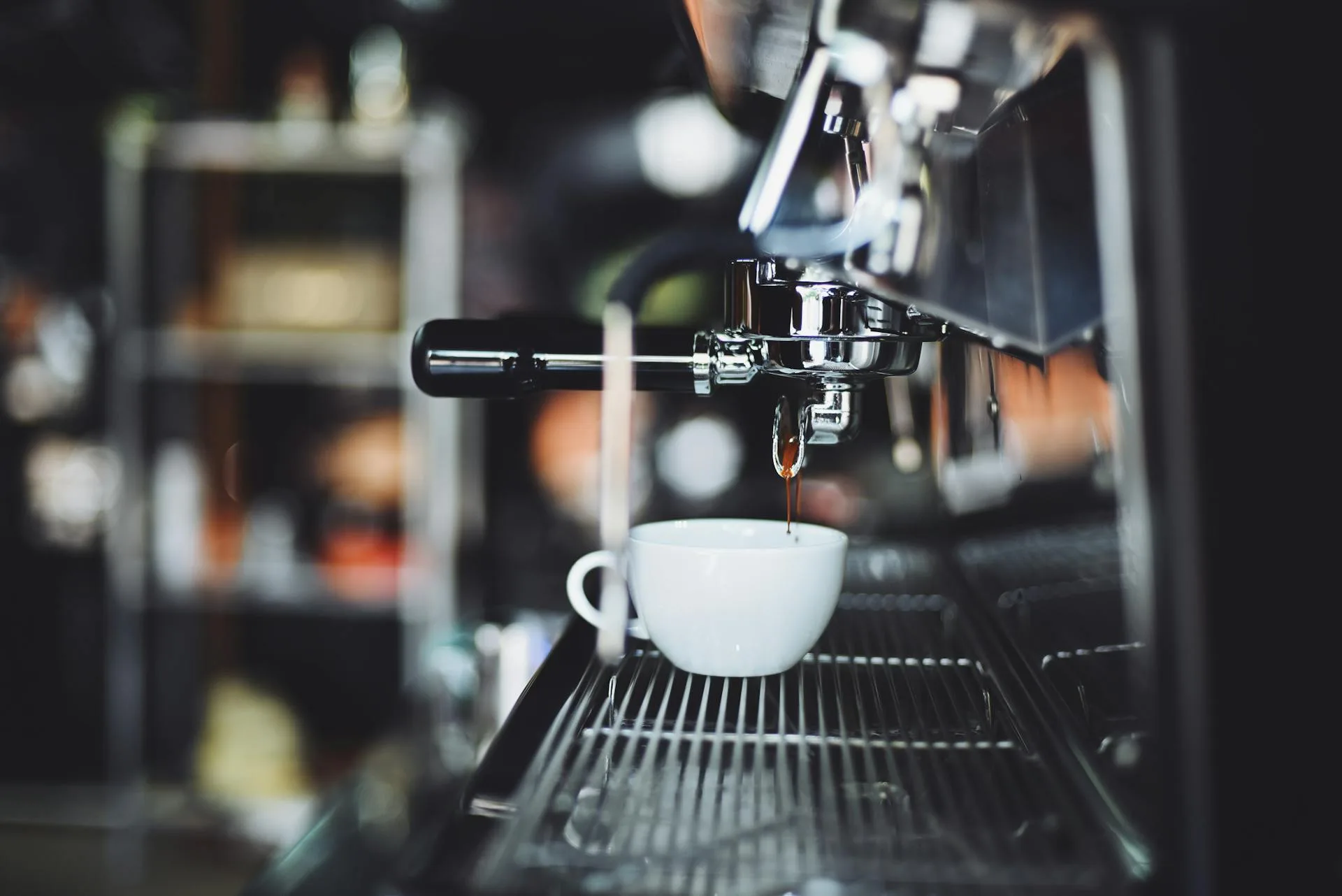
Traditional espresso machines — sometimes called manual or semi-automatic machines — are where coffee becomes a hobby. You grind the beans separately, dose them into a portafilter, tamp them down, lock the portafilter into the machine, and pull a shot. Then you steam your own milk with a wand. It’s involved, and that’s the entire point.
Why bother with all that effort?
Because when you get it right, the coffee is extraordinary. A well-pulled espresso from a good machine has a richness and complexity that no pod or bean-to-cup can match. The crema, the body, the way the flavour changes as it cools — there’s a reason proper coffee shops use this method.
The learning curve is real though. Expect your first few weeks to produce some truly awful shots while you dial in the grind size, dose weight, and extraction time. This isn’t a criticism — it’s part of the fun for the right person. If you’re someone who enjoys sourdough bread, craft beer, or any other process-heavy hobby, you’ll love this.
What you’ll need
The machine itself is only half the equation. You need a decent grinder too, and — controversial opinion incoming — the grinder matters more than the machine. A £200 espresso machine paired with a £300 grinder will produce better coffee than a £500 machine with a £50 grinder. Every time.
For the machine, the Sage Bambino (about £300-350 from Currys or John Lewis) is the standard entry point in the UK. It’s compact, heats up quickly, and the steam wand is surprisingly capable. Step up to the Sage Barista Express (around £550-650) and you get an integrated grinder, which saves worktop space but compromises slightly on grind quality.
For standalone grinders, the Sage Smart Grinder Pro (about £200) or the Eureka Mignon series (£250-400, available from specialist retailers like Bella Barista or Coffee Hit) are both excellent starting points.
Running costs and space
Once you’re past the initial investment, running costs are the lowest of any method. The same £8-15 bag of beans goes further when you’re making single or double espressos, and a 250g bag might last a week for a couple. Milk is your only ongoing expense, and you’re buying that anyway.
Space-wise, you need room for both the machine and the grinder, plus a knock box for used coffee pucks and a tamping mat. Realistically, you’re looking at about 60-70cm of dedicated worktop space. It becomes a little coffee station — which is either lovely or annoying depending on your kitchen situation.
Filter Coffee Machines: The Quiet Workhorse
Filter coffee gets overlooked in the UK, which is a shame because it’s probably the most practical option for a lot of households. A filter machine brews a full jug — typically 8-12 cups — in one go, keeps it warm on a hotplate or in a thermal carafe, and the whole household can help themselves throughout the morning.
The case for filter
If multiple people in your home drink coffee, filter is unbeatable on convenience and cost per cup. A standard filter machine from Melitta or Russell Hobbs costs £30-60 from Argos or Amazon UK and uses cheap paper filters (a few quid for 100). Ground coffee for filter brewing runs about £4-8 per 250g bag, and each pot uses roughly 30-60g depending on strength. That’s pennies per cup.
The flavour profile is different from espresso-based drinks — lighter, cleaner, and more nuanced. If you’ve ever had a really good filter coffee from a specialty café, you know it can be exceptional. The key is using freshly ground beans (a basic burr grinder like the Wilfa Svart, about £100-130, transforms filter coffee) and decent water.
Types of filter brewing
Drip machines are the classic: water heats up, drips through a basket of ground coffee, and collects in a carafe below. The Moccamaster (about £200-250 from John Lewis or direct) is the gold standard — built in the Netherlands, lasts decades, and brews at the correct temperature, which cheaper machines often don’t. If budget is tight, the Melitta Look V (around £50-70) does a respectable job.
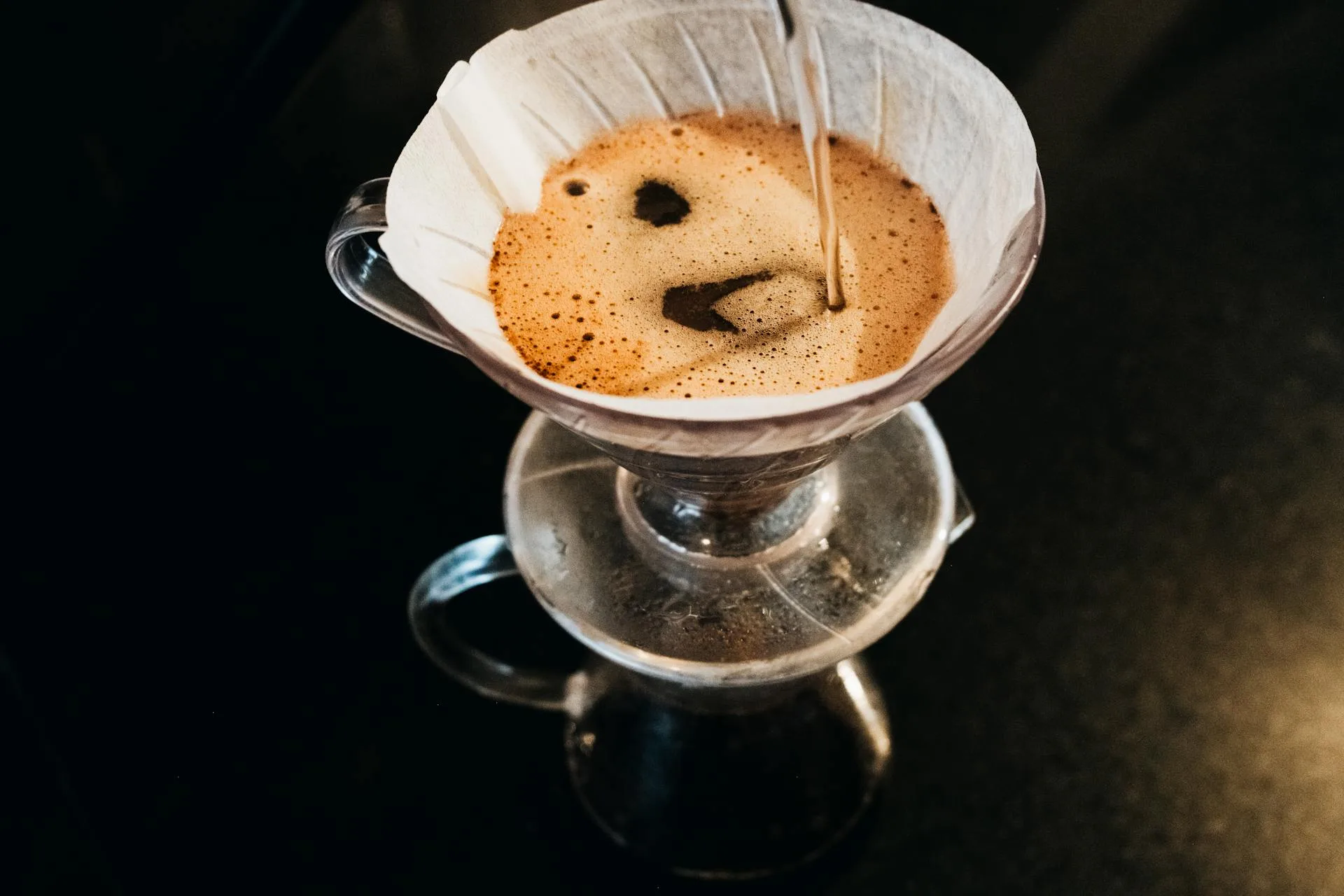
Pour-over is the manual version — a cone-shaped dripper (like a Hario V60, about £8-12) sits on top of your mug or a carafe, and you pour hot water over the grounds by hand. It takes about 3-4 minutes and gives you total control over the brew. It’s meditative, cheap to set up, and makes fantastic coffee. The downside: it’s one cup at a time and requires your full attention.
French press (or cafetière — we’re in the UK, after all) is another manual option. Coarsely ground coffee steeps in hot water for 4 minutes, then you push the plunger down. It produces a heavier, more full-bodied cup than drip methods. A good cafetière costs £15-30, and you’ll find them in every kitchen shop from Lakeland to TK Maxx. The only real complaint is the fine silt that sometimes sneaks through the filter — if that bothers you, pour-over is cleaner.
Which Coffee Machine Type Is Right for You?
Choosing between these four types comes down to three things: how much effort you want to put in, how many people you’re making coffee for, and what kind of coffee you actually enjoy drinking.
Choose bean-to-cup if you want fresh, good-quality coffee with minimal effort and don’t mind spending £300+ upfront. Ideal for busy households and home offices. If you’re interested in kitting out a home workspace, our guide on choosing the right chopping board covers another kitchen essential that’s worth getting right.
Choose pod if convenience is everything, you mainly drink coffee alone, and you’re happy paying a premium per cup for zero hassle. Great for small kitchens and renters.
Choose espresso if coffee is a hobby, not just a habit. You enjoy the process, you’re willing to learn, and you want the absolute best-tasting results. Not for the impatient.
Choose filter if you’re making coffee for multiple people, you want the lowest running costs, or you prefer a lighter, cleaner cup. The most practical choice for families.
Keep reading on KitchenGearUK: How to Choose the Right Coffee Machines, Best Pod Coffee Machines 2026 UK: Nespresso & Dolce Gusto, How to Froth Milk Without an Espresso Machine, Filter Coffee Machines: Why They’re Making a Comeback.
Frequently Asked Questions
What is the cheapest type of coffee machine to run? Filter coffee machines are the cheapest to run. Paper filters cost pennies, ground coffee is affordable, and each cup works out at roughly 5-10p. Bean-to-cup is next at around 25-35p per cup, followed by pod machines at 30-45p per official capsule.
Are pod coffee machines bad for the environment? It depends on the system. Nespresso aluminium pods can be recycled through their dedicated return scheme, but many users don't participate. Dolce Gusto and Tassimo pods are harder to recycle. Compostable third-party pods are available but vary in quality. Filter and bean-to-cup methods produce less packaging waste overall.
Do I need a separate grinder for an espresso machine? For the best results, yes. A dedicated burr grinder gives you far more control over grind size and consistency than integrated grinders. Most coffee enthusiasts recommend spending at least as much on your grinder as on your espresso machine. Budget options like the Sage Smart Grinder Pro (around £200) are a good starting point.
Can bean-to-cup machines make lattes and cappuccinos? Yes, most mid-range and premium bean-to-cup machines include automatic milk frothing systems. Budget models may have a manual steam wand instead. Machines like the De'Longhi Magnifica Evo and Sage Barista Touch can produce lattes, cappuccinos, and flat whites at the touch of a button.
How long do coffee machines typically last? With proper maintenance, bean-to-cup machines last 5-8 years, espresso machines 8-15 years (premium models even longer), pod machines 3-5 years, and filter machines 5-10 years. Regular descaling and cleaning are essential for longevity regardless of type.