You spent £40 on a decent non-stick frying pan, cooked with it maybe three times a week, and within eight months the eggs are welding themselves to the surface like it’s a cast iron from the 1970s. Sound familiar? You’re not alone — and the frustrating part is that most non-stick pans don’t die of old age. They get murdered by metal utensils, overheating, and the dishwasher — exactly the findings from Which? frying pan durability testing.
The good news: a few simple habit changes can genuinely double (sometimes triple) the useful life of your non-stick cookware. Whether you’re nursing a budget pan from Argos or protecting a premium Tefal set, the principles are the same. Here’s everything you need to know to make non-stick pans last longer — and a few mistakes you’re probably making right now without realising it.
Understanding What You’re Actually Protecting
Before we get into the dos and don’ts, it helps to know what you’re working with. The non-stick coating on your pan — whether it’s PTFE-based (the traditional type, often branded as Teflon) or ceramic — is a thin, engineered layer bonded to the metal beneath. It’s tough in the right conditions, but it’s not armour. Scratches, overheating, and thermal shock all break down that bond over time.
PTFE coatings are still the most common and tend to last longer than ceramic ones, which is worth knowing if you’re buying your next pan. Ceramic non-stick surfaces (like those from GreenPan or the Prestige Eco range) are marketed as more eco-friendly, and they are — but they also tend to lose their non-stick properties faster, sometimes within 6-12 months even with careful use. PTFE pans, treated well, can last 3-5 years.
The coating is microscopically smooth, which is what makes food slide off. Every scratch, every bit of burnt-on residue, every overheat — these create tiny imperfections where food starts to grip. Once that process starts, it accelerates. So the goal is simple: keep that surface as smooth and intact as possible for as long as you can.
Ditch the Metal Utensils — No Exceptions
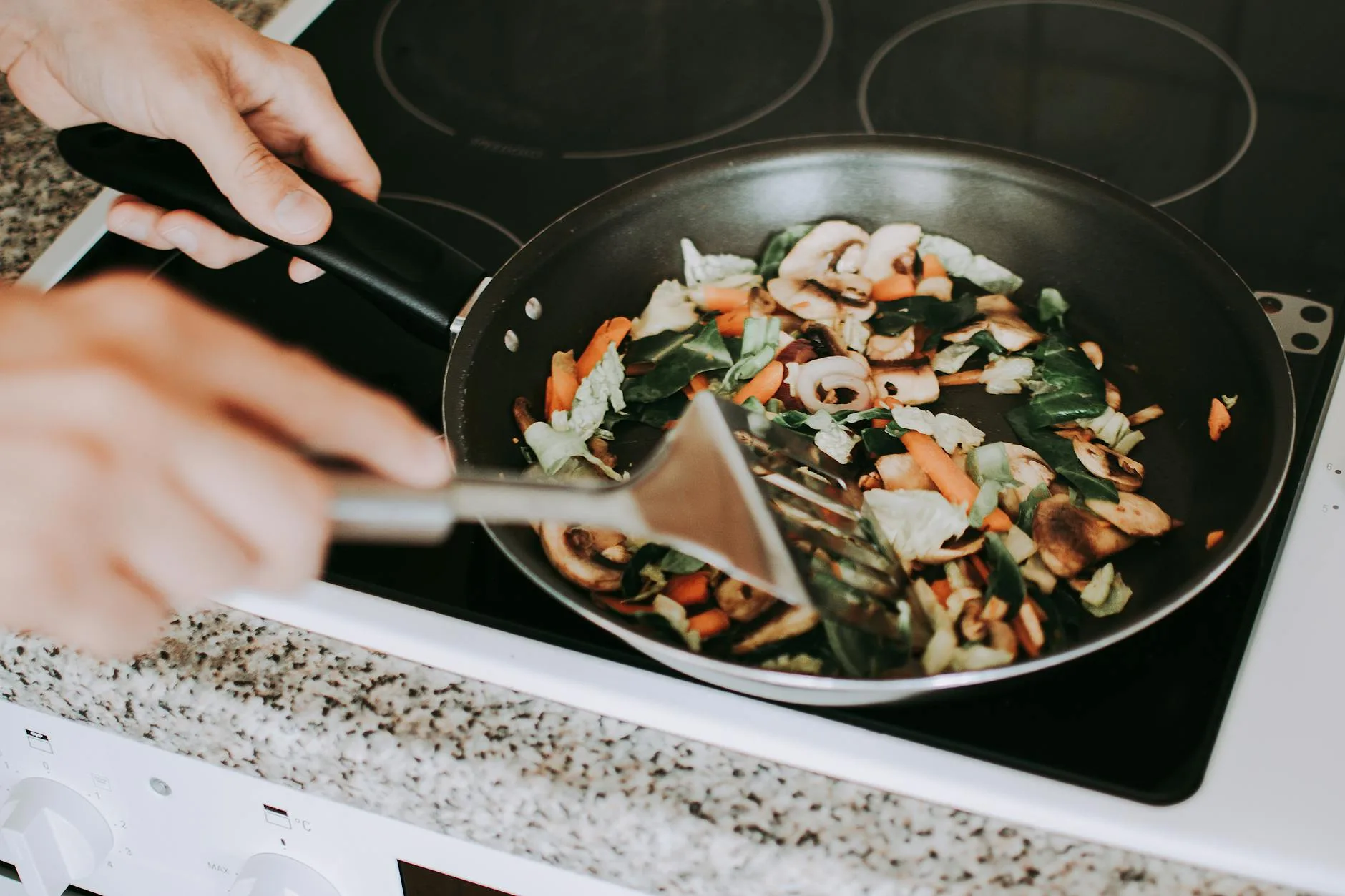
This is the single biggest killer of non-stick coatings, and it’s the easiest to fix. Metal spatulas, forks, tongs, knives — none of them should ever touch the cooking surface of your non-stick pan. Not even gently. Not even “just to flip this one thing quickly.”
Every metal contact leaves micro-scratches you can’t see at first. Over weeks and months, those scratches accumulate until the coating is compromised and food starts sticking. It’s death by a thousand cuts, quite literally.
What to use instead:
- Silicone spatulas and turners — heat-resistant up to about 230°C, flexible enough to get under delicate food like fish fillets
- Wooden spoons and spatulas — the classic choice, cheap and effective, though they can harbour bacteria if not dried properly
- Nylon utensils — lightweight and affordable, but check the heat rating; some cheaper ones soften above 200°C and can leave marks of their own
A decent set of silicone cooking utensils costs about £12-18 from Amazon UK or Lakeland. Given that you’re protecting pans worth ten times that over their lifetime, it’s not exactly a hard sell.
One thing people overlook: serving spoons. You’ve been careful all through cooking, used your silicone spatula, everything’s perfect — then you grab a stainless steel serving spoon to dish up. Same damage, different moment.
Control Your Heat — Medium Is Your Friend
Here’s where most people go wrong without knowing it. Non-stick pans are designed for low to medium heat. That’s not a suggestion — it’s how the coating works best and lasts longest.
PTFE coatings start to degrade above about 260°C. At around 350°C, they begin to break down and release fumes (this is where the old concerns about Teflon safety came from, though at normal cooking temperatures they’re perfectly safe). Ceramic coatings are more heat-resistant but lose their non-stick properties faster when repeatedly overheated.
The practical upshot:
- Never preheat a non-stick pan on high with nothing in it. An empty pan on a gas hob reaches 260°C in about two minutes. Add oil or food before heating, or keep the heat at medium.
- Medium heat is almost always enough. Non-stick pans conduct heat efficiently because of their aluminium cores. Medium on your hob gives you plenty of heat for eggs, pancakes, chicken, fish, and most stir-fry. If you want a hard sear on a steak, use a stainless steel or cast iron pan instead — that’s what they’re for.
- Electric and induction hobs are particularly risky because they deliver heat more aggressively than gas. What feels like “medium” on an induction hob can be hotter than “high” on a gas ring. Start lower than you think you need.
If you’re finding that food isn’t cooking fast enough on medium, the issue is usually pan quality rather than heat. Thicker-based pans (3mm+) distribute heat more evenly, so you don’t need to crank the temperature. The Tefal Unlimited range (about £30-45 per pan) has a particularly good thick forged base, and Circulon’s Total Hard Anodised line (around £40-55) is another solid choice.
Wash by Hand — Yes, Every Time
Your non-stick pan says “dishwasher safe” on the box. Ignore it. That label means “it won’t melt in the dishwasher,” not “the dishwasher won’t damage it.”
Dishwashers attack non-stick coatings in three ways:
- Harsh detergents — dishwasher tablets and powders are far more abrasive and alkaline than washing-up liquid. They’re designed to strip baked-on food from ceramic plates and glass. That same stripping action eats away at non-stick coatings over time.
- High water temperature — most dishwashers run at 55-65°C, with some eco cycles hitting 70°C+. Combined with the alkaline detergent, this accelerates coating breakdown.
- Jostling and contact — pans knock against other items during the wash cycle. Metal cutlery resting against the cooking surface is basically the metal utensil problem, automated.
The right way to clean a non-stick pan:
- Let it cool first. Never run cold water on a hot non-stick pan. The thermal shock — sudden temperature change — can warp the base and crack the coating. Wait 10-15 minutes.
- Warm water, a soft sponge, and a squirt of washing-up liquid. That’s it. Most food slides right off a healthy non-stick surface.
- For stubborn residue, soak the pan in warm soapy water for 15-20 minutes. Then use the soft side of a sponge. Never the green scouring pad — that’s basically sandpaper for your coating.
- Dry immediately. Don’t leave it in the drying rack with water pooling on the surface. A quick wipe with a tea towel prevents water spots and keeps the surface in better condition.
Store Them Properly — Stacking Is the Enemy
You’ve been careful with your cooking, hand-washed every time, used the right utensils — and then you stack three pans on top of each other in the cupboard and undo half your good work.
When pans are stacked, the base of the pan above sits directly on the cooking surface of the pan below. Every time you pull one out or put one back, the base scrapes across the non-stick coating. It’s slow, steady damage that you don’t notice until the coating starts failing in a ring pattern that matches the base of the pan above.
Better storage options:
- Pan protectors — felt or fabric discs that sit between stacked pans. You can buy a pack of 6-8 for about £5-8 from Amazon UK or Dunelm. They’re cheap and effective.
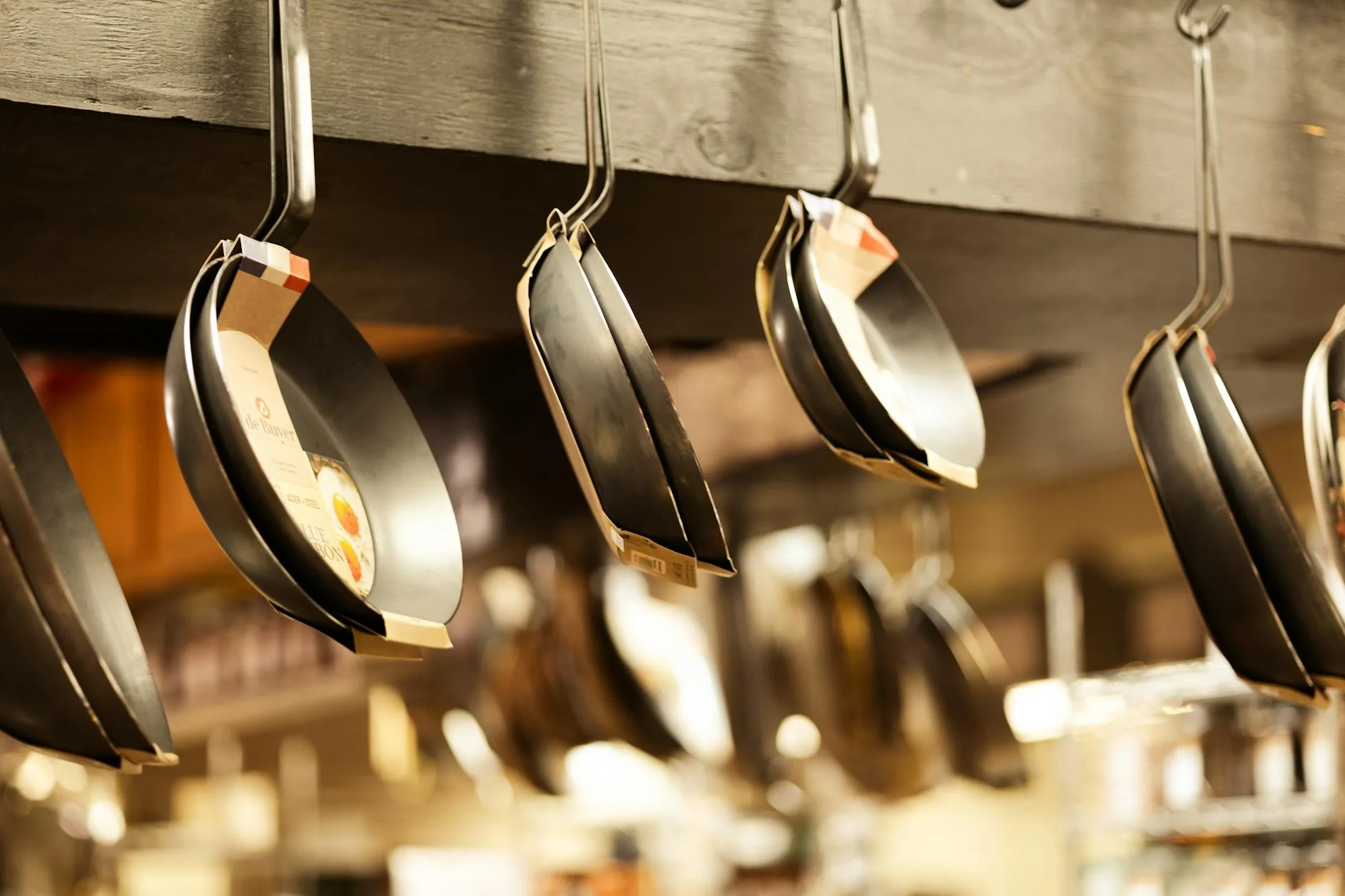
- Hang them up — if you have a pot rack or wall hooks, hanging is the ideal storage method. The cooking surface never touches anything.
- Stand them on their sides — a vertical pan organiser (about £12-20 from Amazon UK or Ikea) lets you slot pans in like vinyl records. No surface contact.
- Use old tea towels — if you don’t want to buy protectors, simply fold a tea towel between each pan. Works just as well.
This might sound like a small thing, but I’ve seen pans where the coating was pristine everywhere except a perfect circle of wear in the centre — exactly where the next pan’s base was sitting. Storage damage is silent and cumulative.
Use the Right Amount of Oil or Butter
“But it’s non-stick — I shouldn’t need oil.” You hear this a lot, and it’s half right. You need much less fat than you would with stainless steel, but using none at all actually shortens the life of your coating.
A thin film of oil or butter does two things: it prevents food from making direct contact with the coating (reducing micro-abrasion from food particles), and it helps distribute heat more evenly across the surface. Both of these reduce wear on the coating.
You don’t need to drench the pan. Half a teaspoon of oil, spread with a piece of kitchen roll, is plenty. Or a thin pat of butter. The key is coverage, not quantity.
One important note: avoid non-stick cooking sprays (the aerosol kind like Frylight). These contain lecithin and other additives that build up as a sticky, invisible residue on non-stick surfaces. Over time, this residue becomes a gummy layer that food sticks to — and it’s almost impossible to remove without damaging the coating. Use regular oil from a bottle instead.
Know When Your Pan Is Done
Even with perfect care, non-stick coatings don’t last forever. PTFE pans typically give you 3-5 years of good performance with regular use. Ceramic pans are more like 1-3 years. Budget pans from the £10-15 range might only manage 12-18 months.
Signs your pan needs replacing:
- Food sticks where it didn’t before — the most obvious one. If your scrambled eggs are suddenly welding themselves to the surface despite oil and medium heat, the coating is failing.
- Visible scratches, chips, or peeling — if you can see bare metal through the coating, or the surface is flaking, it’s done. Using a pan with peeling PTFE coating isn’t dangerous (the flakes pass through your body harmlessly if ingested), but the pan simply won’t work properly anymore.
- Persistent discolouration — dark patches or staining that won’t wash off usually indicate overheating damage to the coating. The surface may look intact but the non-stick properties are compromised.
- Warped base — if the pan wobbles on a flat hob, heat distribution is uneven and the coating is likely damaged underneath. Induction hobs are particularly unforgiving with warped pans — they simply won’t heat properly.
Don’t throw good money after bad. Once a non-stick pan starts failing, no amount of “re-seasoning” hack from YouTube will fix it. PTFE and ceramic coatings cannot be re-seasoned the way cast iron can. Replace the pan and apply everything you’ve learned to the new one.
Picking a Pan That’s Built to Last
Not all non-stick pans are created equal, and the one you buy makes a big difference to how long it lasts with proper care. Here’s what to look for when you’re shopping for your next one.
Base thickness matters most. A thick, heavy base (3mm or more) distributes heat evenly and resists warping. Thin pans heat unevenly, develop hot spots that burn the coating, and warp easily — especially on induction. Pick up the pan in the shop; if it feels flimsy, it is.
Multi-layer coatings last longer. Budget pans typically have a single layer of non-stick coating. Mid-range and premium pans use 3-5 layers bonded to the base. More layers = more resistance to wear. Tefal’s Titanium ranges use reinforced multi-layer coatings that noticeably hold up better than single-coat alternatives.
Hard-anodised aluminium is the sweet spot for the pan body. It’s lighter than cast iron, distributes heat better than stainless steel, and the anodising process makes the aluminium surface harder and more durable — which means the coating bonds better and lasts longer.
A few UK-specific recommendations:
- Budget (£15-25): The ProCook Gourmet Non-Stick range punches well above its price point. Decent base thickness, comfortable handle, and it comes with a 10-year guarantee — though the coating won’t realistically last that long with daily use.
- Mid-range (£30-50): Tefal Unlimited or Circulon Total are both excellent. The Tefal has a Thermo-Spot heat indicator (useful for avoiding overheating), while the Circulon uses a raised circular pattern that protects the non-stick surface between the rings.
- Premium (£55-85): Le Creuset’s Toughened Non-Stick line is serious kit. Forged aluminium body, triple-reinforced coating, feels weighty in the hand. Available at John Lewis and direct from Le Creuset. It’s pricey, but with proper care you’ll get 5+ years from one.
Quick Reference — Daily Habits That Add Years
If you take nothing else from this guide, these are the habits that make the biggest difference:
- Always use silicone, wood, or nylon utensils — never metal, not even for serving
- Cook on low to medium heat — non-stick pans don’t need high heat to perform
- Hand wash with a soft sponge and warm water — skip the dishwasher every time
- Let the pan cool before washing — thermal shock warps bases and cracks coatings
- Use a small amount of oil — protects the surface and improves heat distribution
- Store with protectors between pans — or hang them if you have the space
- Skip the cooking sprays — use regular oil from a bottle instead
- Replace when the coating fails — no hack will bring back a dead non-stick surface
What About “Non-Stick Restoration” Products?
You might have seen products online that claim to restore or re-coat worn non-stick pans. Sprays, pastes, even services that strip and re-coat the pan for you. Save your money.
Over-the-counter “non-stick restoration” sprays are essentially silicone-based lubricants. They create a temporary slippery surface that wears off after a few uses. They don’t repair damaged PTFE or ceramic coatings — nothing you can apply at home does.
Professional re-coating services do exist, and they can work, but they typically cost £20-40 per pan. When you can buy a good new pan for £30-50, the maths doesn’t stack up unless you’re re-coating something with sentimental value or a premium pan body that’s worth preserving.
The better investment is preventing the damage in the first place — which brings us right back to everything above.
Making the Investment Count
A decent non-stick pan isn’t disposable cookware, even if that’s how most of us end up treating them. A £40 Tefal Unlimited that lasts four years costs you about 83p a month. The same pan, mistreated, that dies after 10 months costs £4 a month. Multiply that across a set of three or four pans and the difference adds up.
The care routine isn’t complicated or time-consuming. Hand washing takes an extra 30 seconds compared to throwing it in the dishwasher. Grabbing a silicone spatula instead of a metal one takes no extra time at all. Sliding a felt protector between your pans when you put them away is a two-second job.
If you’re looking to upgrade your cookware setup beyond non-stick, it’s worth understanding how cast iron, non-stick, and stainless steel compare — each material has its ideal uses, and using the right pan for the right job means your non-stick pans only get used for the tasks they’re designed for, which extends their life further.
For those getting into air fryer cooking and using pans less often as a result, our air fryer cooking times guide is a handy reference — and less time on the hob means less wear on your pans.
Small changes, big payoff. Your non-stick pans will thank you — and so will your wallet.
For hygiene basics around cookware and surfaces, the Food Standards Agency cleaning guidance is worth using alongside the pan-care advice above.
Keep reading on KitchenGearUK: Best Cast Iron Casserole Dishes 2026 UK: Le Creuset & Alternatives, Best Non-Stick Frying Pans 2026 UK: Ceramic & PTFE Tested, How to Choose a Knife Set: Materials, Types & Budget, Induction-Compatible Cookware: What You Need to Know.
Frequently Asked Questions
Why do non-stick pans lose their coating? Overheating, metal utensils, abrasive cleaning and dishwasher cycles are the main reasons non-stick coatings deteriorate early.
Can you use metal utensils on non-stick pans? It is safer to use silicone, nylon or wooden utensils unless the manufacturer specifically says metal utensils are safe.
Should non-stick pans go in the dishwasher? Hand washing is better. Dishwasher heat and detergents can shorten the life of the coating even when the pan is labelled dishwasher-safe.
What should I check first with How to Make Non-Stick Pans Last Longer? Start with the real use case, then check size, compatibility, running costs and maintenance. A product that looks good on paper can still be the wrong fit if it does not suit the room, routine or budget.
How do I avoid wasting money on How to Make Non-Stick Pans Last Longer? Avoid buying on one headline feature alone. Compare the practical details, read the warranty or returns terms, and choose the option that solves your main problem rather than the one with the longest specification list.