A good cast iron casserole is the pot you reach for when dinner needs proper browning, slow heat and one-pan convenience: stews, curries, braises, bread, chilli and Sunday lunch sides. Le Creuset is still the benchmark, but it is not the only sensible buy. Staub, ProCook, Denby and Lodge all make casseroles that suit different budgets and cooking styles. This guide explains where the premium price is justified, where cheaper alternatives hold up well, and which size makes most sense for a UK kitchen.
In This Article
- Why Cast Iron Casserole Dishes Are Worth the Investment
- Our Top Pick: Le Creuset Signature Round Casserole (about £200-280)
- Best Cast Iron Casserole Dishes 2026 UK
- Le Creuset vs the Alternatives: Honest Comparison
- Size Guide: Which Capacity Do You Need?
- What to Cook in a Cast Iron Casserole
- Care and Maintenance
- Frequently Asked Questions
Why Cast Iron Casserole Dishes Are Worth the Investment
You are making a beef stew. The recipe says “brown the meat in batches, then slow cook for three hours.” In a thin stainless steel pan, the meat steams instead of browning because the temperature drops every time you add a new batch. The bottom scorches in spots while other areas barely cook. The stew is fine but never has that deep, caramelised flavour you get in restaurants.
In a cast iron casserole (also called a Dutch oven), the thick walls hold heat so consistently that meat browns evenly without temperature fluctuations. You sear on the hob, add your liquid and vegetables, put the lid on, and transfer to the oven. One pot, one process, and three hours later you have a stew with depth that a thin pan cannot produce.
I have owned a Le Creuset 24cm round casserole for eight years. It has made hundreds of stews, curries, bread loaves, and roasts. It looks almost identical to the day I bought it. That is the argument for cast iron — buy once, cook for decades.
The Three Reasons to Buy
- Heat retention — cast iron holds temperature like nothing else. Once hot, it stays hot. Perfect for browning, searing, and slow cooking
- Even distribution — thick walls and base spread heat uniformly. No hot spots, no scorching
- Longevity — with basic care, a cast iron casserole lasts 50+ years. Your grandchildren will use it
Our Top Pick: Le Creuset Signature Round Casserole (about £200-280)
Le Creuset is the benchmark. French-made since 1925, lifetime guarantee, and a reputation that no competitor has matched in a century. The Signature range is their current flagship — improved handles, tighter lid fit, and optimised interior enamel.
- Material: enamelled cast iron
- Weight: 4.1kg (24cm size)
- Capacity range: 18cm (1.8L) to 34cm (13.1L)
- Oven safe: up to 260 degrees Celsius (with lid)
- Hob compatibility: all hobs including induction
- Colours: 20+ (Volcanic Orange, Marseille Blue, Cerise, Satin Black, etc.)
- Guarantee: lifetime
- Where to buy: Le Creuset direct, John Lewis, Fenwick, Lakeland
Why it wins: the enamel quality is exceptional — smooth, non-reactive, stain-resistant, and will not chip under normal use. The lid fits precisely, retaining moisture during slow cooking. The wide handles accommodate oven gloves easily. And the colour range means it looks good enough to serve from at the table.
The honest truth about price: £200-280 is a lot for a pot. But divide that by 30+ years of use and it works out at about £7-9 per year. The cheapest options in this guide last 5-10 years before enamel issues appear — making the cost-per-year similar.
Best Cast Iron Casserole Dishes 2026 UK
Best Alternative: Staub Round Cocotte (about £170-240)
Staub is Le Creuset’s main rival — also French, also premium, with a slightly different design philosophy.
- Key difference: Staub’s lid has spikes on the underside that create “self-basting” — moisture condenses and drips back onto the food continuously
- Interior: matte black enamel (more non-stick character than Le Creuset’s cream enamel, but shows stains less)
- Lid fit: heavier, tighter than Le Creuset
- Where to buy: John Lewis, Amazon UK, Lakeland
Choose Staub over Le Creuset if: you want the self-basting lid, prefer darker interior enamel (hides staining), or find a colour you prefer. Performance is essentially identical.
Best Mid-Range: ProCook Cast Iron Casserole (about £50-80)
ProCook is a British brand that offers surprisingly good cast iron at a fraction of Le Creuset prices.
- Material: enamelled cast iron
- Weight: similar to Le Creuset (heavy — it is still cast iron)
- Oven safe: up to 230 degrees Celsius
- Colours: 6-8 options
- Guarantee: 25 years
- Where to buy: ProCook direct (procook.co.uk), Amazon UK
Honest comparison: the enamel is slightly less refined than Le Creuset — thinner coating, marginally less smooth. After 3-5 years of heavy use, ProCook casseroles can show interior staining that Le Creuset resists. But at £50-80 versus £200-280, the value proposition is compelling. Our cookware comparison guide breaks down the material differences in more detail.
Best Budget: Denby Cast Iron 24cm Casserole (about £40-60)
Denby (the pottery brand) makes surprisingly good cast iron cookware at budget prices.
- Material: enamelled cast iron
- Oven safe: up to 220 degrees Celsius
- Guarantee: 10 years
- Where to buy: Denby direct, Amazon UK, TK Maxx (often discounted)
What you get: a functional cast iron casserole that browns, sears, and slow-cooks perfectly well. What you sacrifice: longevity (the enamel shows wear sooner), colour range (limited), and the premium lid fit that Le Creuset and Staub achieve.
Best Uncoated: Lodge 6-Quart Dutch Oven (about £45-65)
Lodge is the American cast iron brand — no enamel coating, just seasoned raw cast iron. Different approach, different care requirements, different cooking characteristics.
- Material: pre-seasoned bare cast iron
- Oven safe: up to 260+ degrees Celsius (no enamel to damage)
- Weight: slightly heavier than enamelled at equivalent size
- Where to buy: Amazon UK, specialist cookware shops
Choose Lodge if: you prefer the patina-building process of bare cast iron, want the highest possible searing temperatures (no enamel means no temperature limit), or like the aesthetic of dark seasoned iron. You need to maintain the seasoning (oil after each wash, no soaking) — more effort than enamelled but some cooks prefer it.
Best Oval: Le Creuset Signature Oval (about £220-300)
For whole chickens, large joints of meat, and longer cuts (lamb shoulder, pork belly) that do not fit in a round casserole.
- Why oval: fits elongated foods that round pots waste space around
- Best sizes: 27cm (for a chicken), 29cm (for a large lamb shoulder), 31cm (for a turkey crown)
- Same quality as the round Signature range
Le Creuset vs the Alternatives: Honest Comparison
Where Le Creuset Genuinely Wins
- Enamel quality — smoother, thicker, more chip-resistant than any competitor at any price
- Colour consistency — the colours look identical to display models after years of use
- Lid fit — engineered to millimetre precision. Less steam escapes
- Resale value — used Le Creuset holds 40-60% of its value. No other brand does this
- Lifetime guarantee — genuinely honoured. Chipped enamel from manufacturing defects gets replaced
Where Alternatives Win
- Price — ProCook and Denby at 25-30% of Le Creuset’s price cook the same stew
- Availability — ProCook ships next-day from UK warehouses. Le Creuset popular colours sell out
- Acceptable quality — for the first 3-5 years, a £60 ProCook performs identically to a £240 Le Creuset in blind testing
The Real Question
Can you feel the difference cooking in a Le Creuset versus a ProCook? Truthfully: no. The food tastes the same. The difference is longevity, aesthetics, and pride of ownership. If you cook daily and want something that lasts your lifetime, Le Creuset justifies the price. If you cook a few times a week and budget matters, ProCook is more than good enough.
Size Guide: Which Capacity Do You Need?
By Household Size
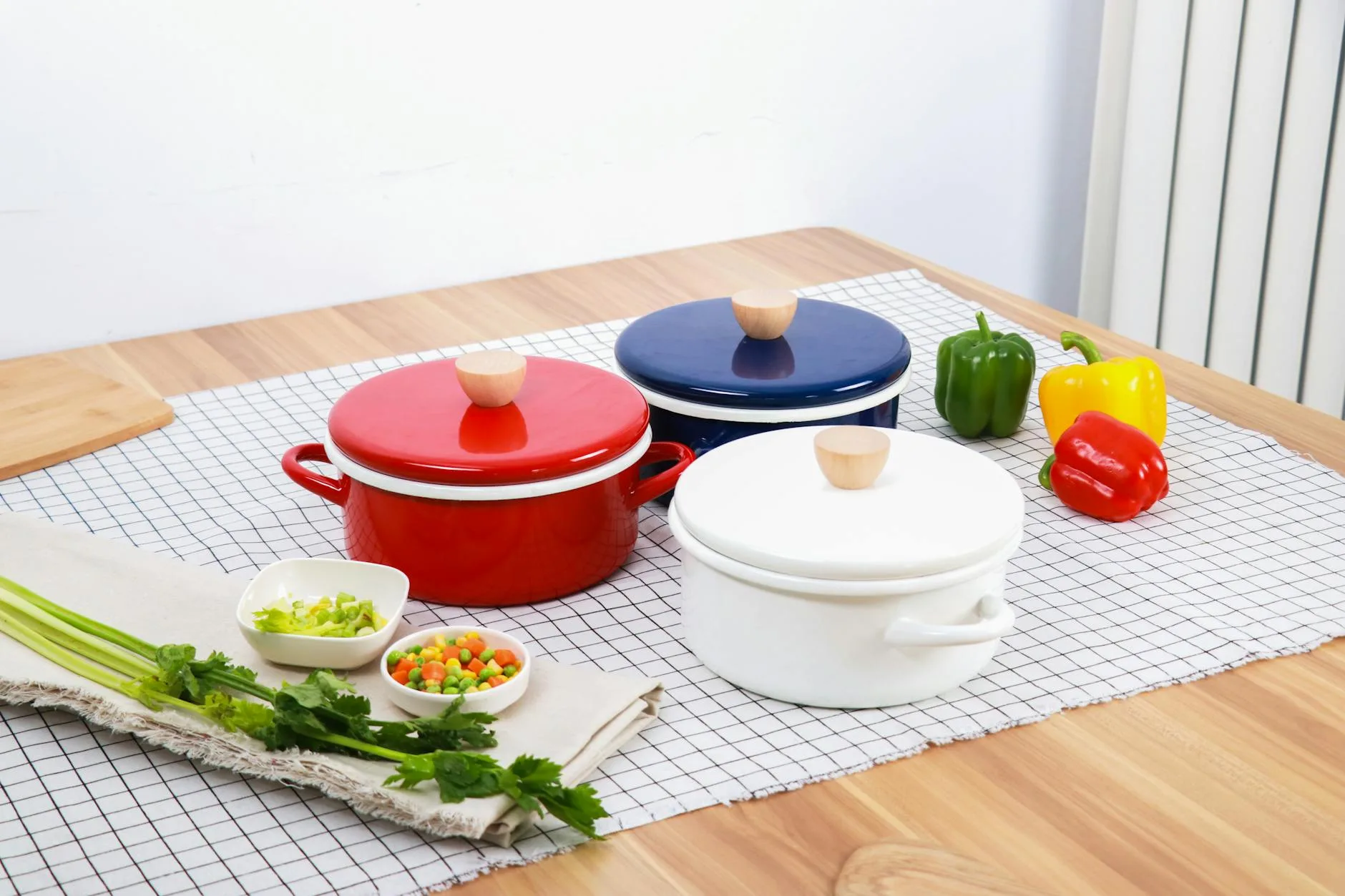
- 1-2 people: 20cm / 2.4L — enough for a two-portion stew or a small whole chicken
- 2-3 people: 22cm / 3.3L — the most popular individual size
- 3-4 people (most families): 24cm / 4.2L — handles a full family casserole with leftovers
- 4-6 people: 26cm / 5.3L — batch cooking, dinner parties, large joints
- 6+ people: 28-30cm / 6.7-8.1L — Christmas, events, serious batch cooking
The “One If You Could Only Have One” Answer
24cm round for most households. It is large enough for a family stew, small enough for a weeknight soup, and fits a standard oven without taking up both shelves. If you regularly host dinner parties or batch cook for the freezer, go up to 26cm.
Round vs Oval
Round for: soups, stews, curries, baking bread, anything portioned. Oval for: whole chickens, large joints, fish. If buying one casserole, go round. If buying a second, make it oval.
What to Cook in a Cast Iron Casserole
What It Does Best
- Slow-cooked stews and casseroles — the obvious one. Beef bourguignon, lamb tagine, chicken cacciatore
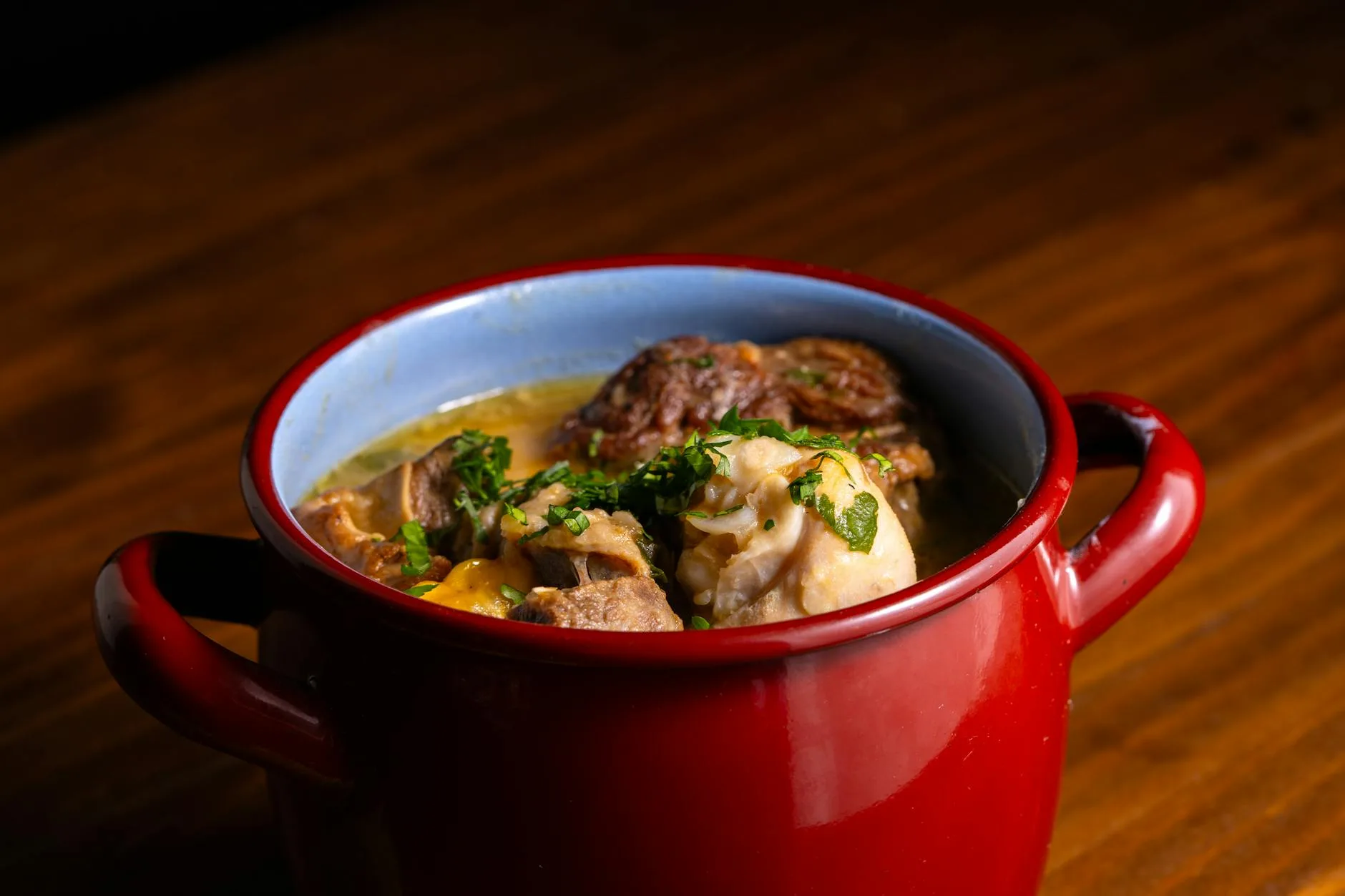
- Braised meats — short ribs, oxtail, pork shoulder. Low and slow in the oven
- Soups — the even heat prevents scorching on the base
- Bread — preheat the casserole, drop dough in, bake with lid on. The steam creates a professional crust
- Deep frying — the mass of iron holds oil temperature steady (though dedicated fryers are safer)
- One-pot pasta — brown, deglaze, add pasta and stock. One pot, one wash-up
What to Avoid
- Delicate fish — too heavy and hot. Fish sticks to even enamelled surfaces unless you use plenty of oil
- Eggs — scrambled eggs in cast iron is a cleaning nightmare. Use non-stick
- Highly acidic sauces left for hours — tomato-based dishes are fine for normal cooking times but leaving acidic food sitting in the pot overnight can stain the enamel on cheaper brands
- Rapid high-heat stir-frying — a wok does this better. Cast iron is for slow heat, not fast reactions
Care and Maintenance
Enamelled Cast Iron (Le Creuset, Staub, ProCook)
- Wash by hand — dishwasher is technically safe but the high heat and harsh detergents dull the exterior enamel over time
- Soak stubborn food — fill with warm soapy water for 15-20 minutes. Most stuck food lifts off
- Use a plastic or wooden scraper for stubborn residue — not metal scourers which scratch enamel
- Dry thoroughly — prevent any moisture sitting on the rim where enamel meets iron (this is where rust can start on cheaper brands)
- Avoid thermal shock — do not put a hot casserole under cold water. Let it cool first. Thermal shock can crack enamel
- Baking soda paste for deep stains — leave overnight then rinse
Bare Cast Iron (Lodge)
- Clean while warm — hot water and a stiff brush. No soap (debates exist, but minimal soap is fine)
- Dry immediately and completely — never leave wet. Bare iron rusts quickly
- Apply thin oil layer after each wash — a drop of vegetable oil wiped across the surface with kitchen paper maintains the seasoning
- Re-season periodically — if food starts sticking, apply a thin oil layer and bake at 200 degrees for one hour
Storage
Store with the lid slightly ajar (or a paper towel between pot and lid) to allow air circulation and prevent moisture buildup. Heavy pots go on low shelves or in cupboards where you do not need to lift them overhead.
For long-term enamel care, the official Le Creuset care and use guidance is worth checking before using abrasive cleaners, metal tools or dishwasher cycles on premium cast iron.
Keep reading on KitchenGearUK: Le Creuset vs Staub vs ProCook: Cookware Brands Compared, Cast Iron vs Non-Stick vs Stainless Steel: Cookware Guide, Induction-Compatible Cookware: What You Need to Know, Best Non-Stick Frying Pans 2026 UK: Ceramic & PTFE Tested.
If you are comparing everyday cookware as well as enamelled cast iron, our guide to how to make non-stick pans last longer covers the other pan-care mistakes that shorten kitchen kit lifespan.
Frequently Asked Questions
Is Le Creuset worth the price? If you cook regularly and want a lifetime product, yes. The enamel quality, lid fit, and longevity justify the price over decades of use. If you cook occasionally or are budget-conscious, ProCook or Denby at £40-80 cook identically and last 5-15 years. The food does not taste different — the investment is in durability and aesthetics.
What size cast iron casserole should I buy first? 24cm round for most households. It handles family meals (serves 3-4 portions), fits standard ovens, and works for everything from stew to bread to soup. If you live alone or cook for two, 20-22cm is sufficient. Only go larger than 24cm if you regularly batch cook or entertain.
Can I use cast iron on an induction hob? Yes. Cast iron is one of the best materials for induction because it is highly magnetic and distributes heat evenly across the base. All enamelled cast iron casseroles (Le Creuset, Staub, ProCook, Denby) and bare cast iron (Lodge) work on induction without any adapter.
How do I remove stains from inside my casserole? Fill with warm water and two tablespoons of baking soda. Simmer for 10-15 minutes on the hob. Let cool, then scrub gently with a soft sponge. For stubborn stains, make a paste of baking soda and water, apply to the stain, and leave overnight. This works on both Le Creuset and budget brands without damaging the enamel.
How long does a cast iron casserole last? Premium brands (Le Creuset, Staub): 50+ years with proper care. Many people inherit them. Mid-range brands (ProCook): 10-20 years before enamel shows wear. Budget brands (Denby, own-label): 5-10 years. Bare cast iron (Lodge): indefinitely — the iron itself does not wear out, only the seasoning needs maintaining.