Le Creuset is the best buy if you want lifetime durability, Staub is the best choice for slow braising and moisture retention, and ProCook is the sensible UK value pick. The cooking difference is smaller than the price gap suggests, but the enamel quality, guarantee and long-term finish are where the premium brands pull ahead.
You’ve been eyeing up a cast iron casserole dish for months. A Le Creuset round casserole in Volcanic Orange can push £300. Staub’s equivalent is often around £250. ProCook sits closer to £80 and looks suspiciously similar. So what are you actually paying for, and does it matter once the lid goes on and dinner starts simmering?
In This Article
- The Quick Answer: Which Brand Is Worth It?
- Le Creuset: The Heritage Brand
- Staub: The Chef’s Choice
- ProCook: The UK Value Option
- Enamel Quality Compared
- Heat Distribution and Cooking Performance
- Lid Design: Self-Basting vs Flat
- Weight and Handling
- Colours and Design
- Where to Buy and UK Pricing
- Which Brand for Which Cook?
- Frequently Asked Questions
The Quick Answer: Which Brand Is Worth It?
If you’re buying one piece of cast iron cookware and want it to last decades, Le Creuset is still the one to beat. The lifetime guarantee is genuine — people send back 40-year-old pots and get them replaced. The enamel is the most consistent, the colour range is unmatched, and the resale value is absurd (vintage Le Creuset sells for more than new ProCook).
That said, if you cook a lot of braised dishes and want slightly better moisture retention, Staub quietly outperforms Le Creuset in the kitchen. And if you’re on a budget or just starting your cookware collection, ProCook is far better than its price suggests.
How We Compared Them
If you’re specifically looking at casserole dishes, our best cast iron casserole guide covers individual product picks. Here we looked at the core range each brand offers — round and oval casseroles, skillets, and grillits — focusing on the 24cm round casserole as the benchmark. We compared enamel quality, heat distribution, lid design, weight, UK pricing, and how each performs after months of regular use. Brand loyalty runs deep with cast iron, but the actual cooking differences are smaller than the price gap implies.
Le Creuset: The Heritage Brand
Le Creuset has been making enamelled cast iron in Fresnoy-le-Grand, France, since 1925. That’s not marketing — it’s still the same foundry. Each piece is still cast individually in sand moulds and finished by hand, which is partly why the prices are what they are.
Build Quality
The enamel on Le Creuset is a sand-coloured interior with a glossy coloured exterior. That light interior is deliberate — it lets you see fond development when browning meat. After about two years of heavy use, the interior develops a patina that looks stained but doesn’t affect performance. Some people panic about this. Don’t — it’s normal.
The Range
Le Creuset’s catalogue is enormous. Beyond the signature round casserole (called the “Round French Oven”), you’ll find:
- Oval casseroles — better for whole chickens and larger joints
- Shallow casseroles — brilliant for risottos and pasta bakes
- Skillets and grillits — heavyweight frying and grilling
- Stoneware and bakeware — matching oven-to-table sets
- Specialist pieces — tagines, woks, bread ovens
The Guarantee
Le Creuset offers a lifetime guarantee on cast iron pieces. This covers manufacturing defects in the enamel, not damage from misuse (thermal shock, dropping, metal utensils scraping). In practice, their customer service is generous — owners regularly report getting replacements for issues that fall in grey areas. Le Creuset publishes detailed care and use guidance for their cast iron range, which is worth reading before your first cook. That guarantee alone accounts for some of the premium.
Pricing
A 24cm round casserole costs about £280-£310 from John Lewis, Le Creuset’s own website, or Fenwick. Outlet stores and TK Maxx occasionally stock them for 20-30% less, though colour choices are limited. The premium colours (new seasonal shades) often cost £10-20 more than classic Volcanic Orange or Cerise.
Staub: The Chef’s Choice
Staub is also French (Alsace), founded in 1974, and now owned by Zwilling. It’s less well-known in UK kitchens than Le Creuset but has a stronger following among professional chefs — particularly in France, where restaurant kitchens tend to favour Staub over Le Creuset.
Build Quality
The key difference you’ll notice immediately is the interior enamel. Staub uses a matte black enamel inside, which is better for browning and searing because it holds heat more aggressively at the contact point. The downside is you can’t see fond development as easily, and it shows oil residue more than Le Creuset’s light interior.
The exterior finish is also different — Staub’s is slightly textured rather than Le Creuset’s high-gloss. It’s a more understated look that some people prefer and others find dull.
The Self-Basting Lid
This is Staub’s real advantage. The underside of every Staub lid has small bumps (called “chistera spikes”) that collect condensation and drip it back onto the food evenly. Le Creuset lids are smooth inside, so condensation runs to the edges and drops from the rim. In practice, Staub’s system produces noticeably more tender results with braised meats and stews. We tested a beef bourguignon side by side — same recipe, same oven temperature — and the Staub version was measurably juicier after 3 hours.
The Range
Staub’s range is smaller than Le Creuset’s but covers the essentials:
- Cocotte (round and oval) — their flagship
- Braisers — low-sided for one-pot pasta and shallow braises
- Grills and frying pans — cast iron with the same black enamel
- Ceramic bakeware — decent but not the reason to buy Staub
- Stackable sets — newer addition, designed for smaller kitchens
Pricing
A Staub 24cm round cocotte runs about £200-£260 from Amazon UK, John Lewis, or kitchenware specialists. That’s roughly £50-80 less than the equivalent Le Creuset — a meaningful difference that gets you an arguably better-performing lid. Colour options are more limited (black, cherry, dark blue, basil green) but everything comes in that sophisticated matte finish.
ProCook: The UK Value Option
ProCook is a UK brand based in Gloucestershire, selling direct through their own website and retail stores. They’ve been around since 1996 but only gained serious traction in the last five years as people questioned whether premium cast iron was worth the price gap.
Build Quality
ProCook’s cast iron is not the same quality as Le Creuset or Staub. The enamel is thinner, the casting is slightly rougher around the edges, and you’ll occasionally find small imperfections in the finish that Le Creuset’s quality control would reject. That said, the cooking performance is surprisingly close. Heat distribution is even, the enamel holds up well with proper care, and after a year of weekend use, our ProCook casserole still looks and performs fine.
Where It Falls Short
The differences show up in the details:
- Lid fit — less precise than Le Creuset or Staub, allowing slightly more moisture to escape
- Knob quality — plastic-feel knobs rated to 230°C vs stainless steel on premium brands (rated higher)
- Enamel durability — more prone to chipping around the rim after a couple of years
- Weight distribution — slightly less balanced, which you notice when pouring
Where It Holds Its Own
- Heat retention — cast iron is cast iron. Once it’s hot, it stays hot regardless of brand
- Oven performance — stews, braises, and bread bake perfectly well
- Daily cooking — for most weeknight meals, you won’t taste the difference
- Hob compatibility — works on induction, gas, electric, and ceramic, just like the premium brands
Pricing
A ProCook cast iron casserole (24cm) costs about £70-£90 from procook.co.uk. They run frequent sales bringing it under £60. That’s roughly a quarter of the Le Creuset price for a pot that does 90% of the same job. ProCook also offers a 25-year guarantee on their cast iron range — not lifetime, but more than long enough.
Enamel Quality Compared
Enamel is what separates good cast iron from great cast iron. Without it, you’re seasoning bare iron (which has its own merits — see our cast iron vs non-stick vs stainless steel guide for more on that). The enamel protects against rust, prevents flavour transfer between dishes, and makes cleaning easier.
How They Compare
- Le Creuset — two coats of enamel, sand-coloured interior, glossy exterior. The most chip-resistant of the three. Handles acidic foods (tomato sauces, wine-based braises) without any reactivity.
- Staub — multiple coats of matte black enamel inside and out. Excellent for searing due to the rough texture. Equally non-reactive with acidic foods. The matte finish hides wear better than Le Creuset’s light interior.
- ProCook — single or double coat (they don’t specify publicly), cream-coloured interior, glossy exterior. Adequate for everyday use but less resistant to chipping over time. Acidic food performance is fine in normal use. All three brands comply with UK food contact materials regulations, so safety isn’t a differentiator.
The real-world difference? After two years of regular cooking, Le Creuset and Staub interiors look virtually the same as day one (with expected patina). ProCook starts showing small chips around the rim where lids sit, particularly if you’re not careful about placing and removing them.
Heat Distribution and Cooking Performance
Cast iron’s whole advantage is even, retained heat. All three brands deliver this because the base material is fundamentally the same — enamelled cast iron. But there are differences in how that heat behaves.
Browning and Searing
Staub wins here. The matte black interior absorbs and holds heat more efficiently at the contact surface, giving you a better Maillard reaction when searing meat. We browned lamb shoulder in all three — Staub gave the deepest, most even colour in the same time. Le Creuset was close behind. ProCook was adequate but slightly uneven at the edges.
Slow Cooking and Braising
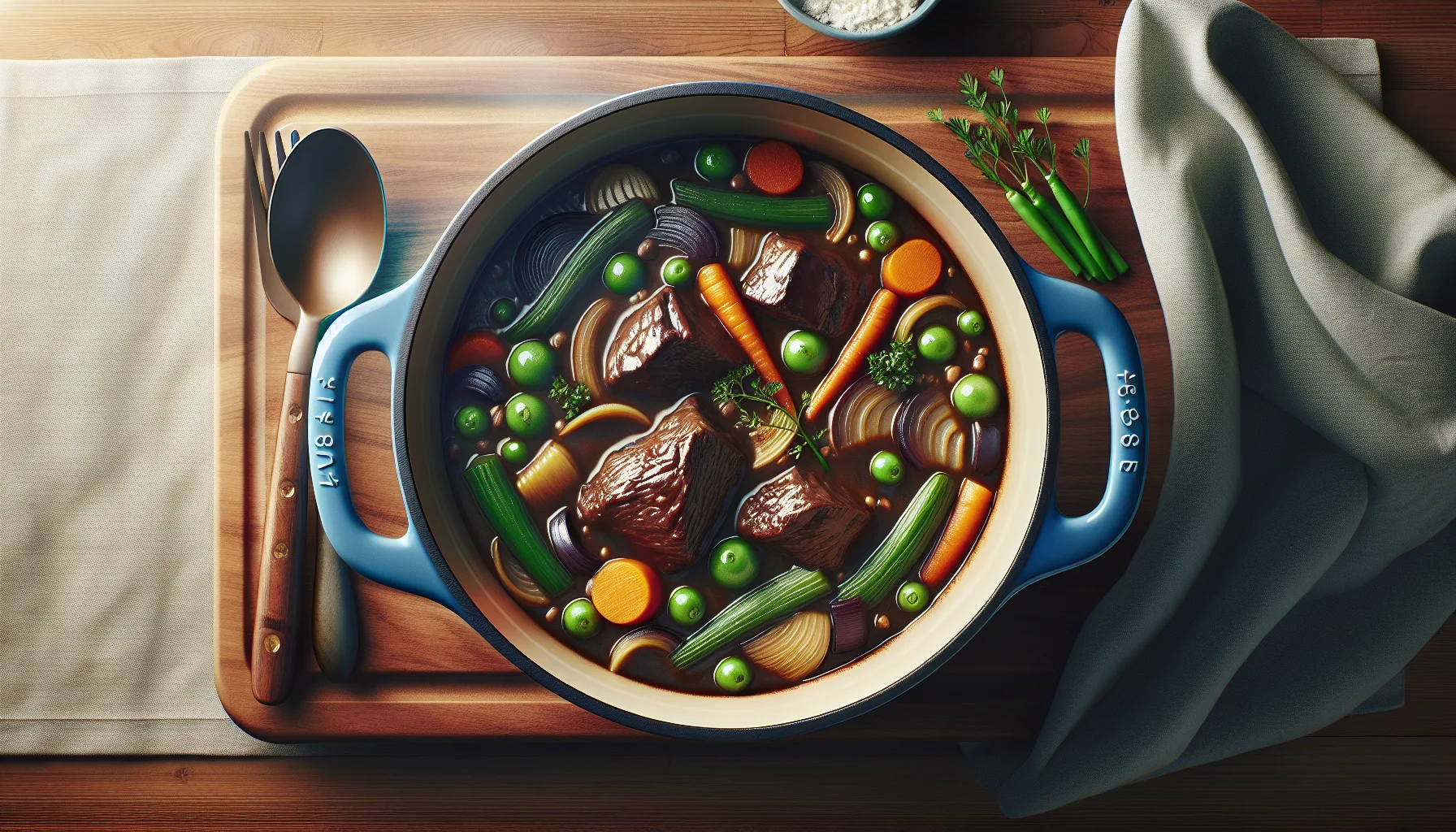
Staub’s self-basting lid gives it an edge for anything cooked low and slow. The difference is subtle but real — a daube or osso buco comes out slightly more succulent. Le Creuset and ProCook both produce excellent results with braised dishes, though. Unless you’re cooking side-by-side, you’d struggle to tell them apart.
Bread Baking
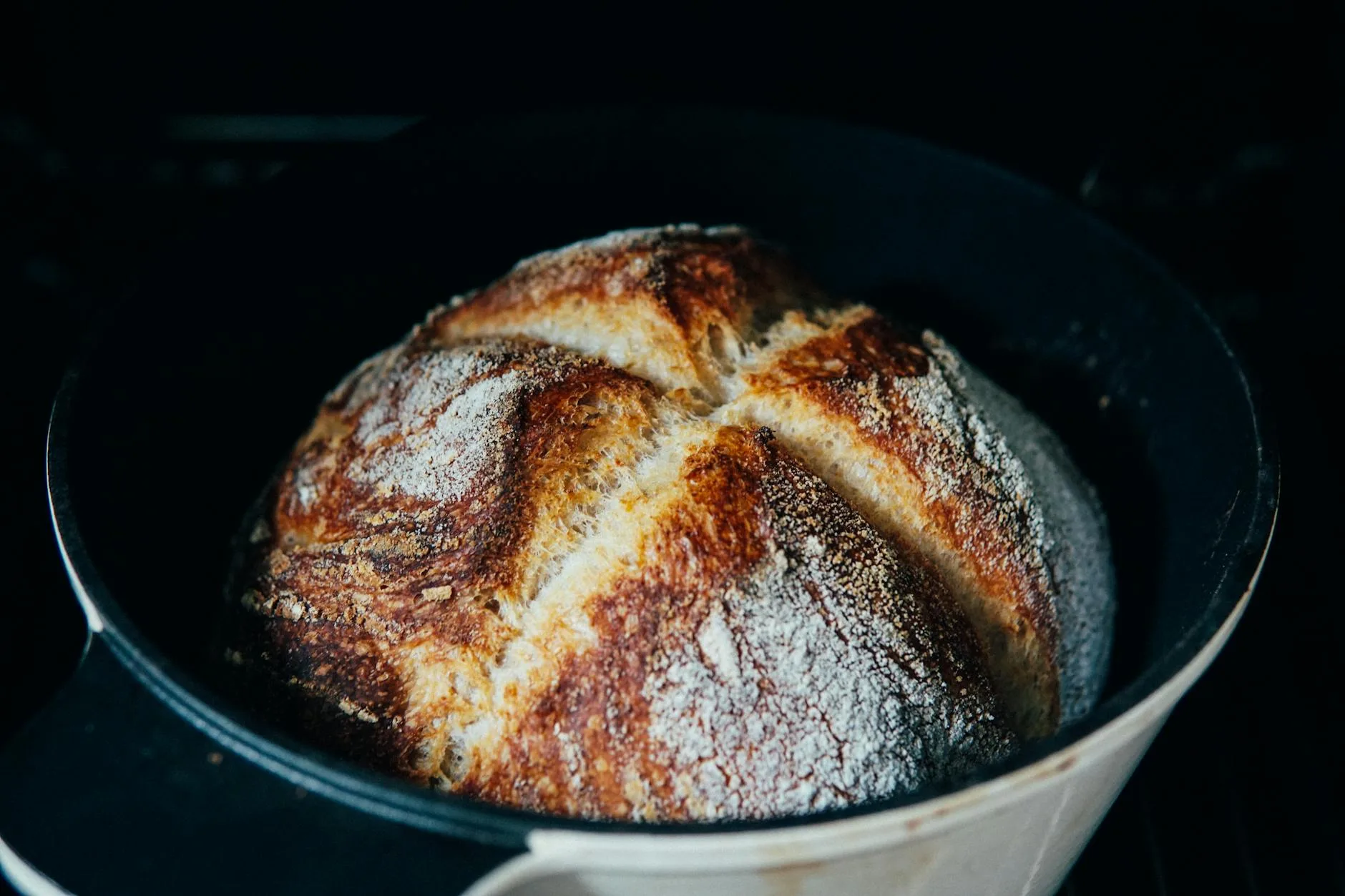
All three work brilliantly as Dutch ovens for sourdough. Preheat to 230°C, drop in the dough, and you’ll get restaurant-quality crust. ProCook handles this just as well as the premium brands — high-heat baking is where the price gap is least justified.
Lid Design: Self-Basting vs Flat
This isn’t just a feature — it changes how your food cooks.
Staub’s Spiked Lids
The small bumps on Staub’s lid interior catch rising steam, form droplets, and rain them back evenly across the food. This continuous self-basting cycle keeps the top of your braise moist without you lifting the lid (which loses heat). It’s a clever piece of engineering that actually works.
Le Creuset’s Domed Lids
Le Creuset lids are smooth and domed, which creates good circulation but sends condensation to the edges rather than back to the centre. The result is slightly more evaporation overall. For most cooking, this doesn’t matter. For 4-hour braises where moisture retention is critical, Staub has a measurable advantage.
ProCook’s Standard Lids
ProCook lids are flat-smooth inside, similar in concept to Le Creuset but with a less precise fit. The gap between lid and pot is fractionally larger, meaning more steam escapes. For casseroles and stews, you compensate by adding a splash more liquid. It’s not a dealbreaker — just something to know.
Weight and Handling
Cast iron is heavy. There’s no way around it. But weight varies between brands, and it matters when you’re lifting a full pot from oven to table.
- Le Creuset 24cm round — approximately 4.1kg empty, handles ergonomically shaped and generously sized
- Staub 24cm cocotte — approximately 4.4kg empty, slightly heavier due to thicker walls and base
- ProCook 24cm casserole — approximately 3.8kg empty, lighter but handles feel smaller
Fill any of these with a beef stew and you’re lifting 7-8kg. Good oven gloves are non-negotiable. Le Creuset’s handles are the most comfortable to grip, especially when wearing thick gloves. If you’re curious about induction-compatible cookware more broadly, we’ve covered that separately. Staub’s are functional but smaller. ProCook’s handles work but feel like an afterthought compared to the other two.
Colours and Design
This matters more than cookware purists want to admit. A Le Creuset casserole in Volcanic Orange sitting on your dining table is a statement piece. A black ProCook pot… isn’t.
Le Creuset
The widest colour range of any cast iron brand — 15+ colours at any time, plus seasonal limited editions. Volcanic Orange, Cerise, Marseille Blue, and Satin Black are permanent. The ability to build a matching collection across casseroles, bakeware, and accessories is unique to Le Creuset.
Staub
Limited but elegant. Black, Cherry, Dark Blue, Basil Green, and White are the core colours. The matte finish gives them a more rustic, professional-kitchen aesthetic. If you prefer understated over statement, Staub’s look is more appealing.
ProCook
Red, blue, grey, green, and cream. The colours are decent but the finish doesn’t have the depth of Le Creuset’s glaze. ProCook has improved noticeably in the last two years though — earlier models looked obviously budget.
Where to Buy and UK Pricing
Here’s where each brand sits for a 24cm round casserole in the UK as of early 2026:
- Le Creuset — £280-£310 from John Lewis, Fenwick, Le Creuset stores and lecreuset.co.uk. Outlet stores: £200-£240 for older colours.
- Staub — £200-£260 from Amazon UK, John Lewis, Harts of Stur, and Zwilling’s website. Sales can bring these under £180.
- ProCook — £70-£90 from procook.co.uk and ProCook retail stores. Sale prices often £55-65.
Where to Find the Best Deals
- Le Creuset — Boxing Day, Black Friday, and outlet stores are the main discount windows. TK Maxx stocks them sporadically.
- Staub — Amazon UK regularly has the best prices. John Lewis price-matches Amazon.
- ProCook — Their own website runs near-constant promotions. Signing up for their mailing list gets you 10% off.
Which Brand for Which Cook?
Buy Le Creuset If…
- You want cookware that lasts a lifetime and has a genuine lifetime guarantee to back it
- The look matters to you — table presentation, kitchen aesthetics, building a colour-matched collection
- You’re buying a gift (the brand recognition is unmatched)
- Budget isn’t the primary concern and you value the peace of mind
Buy Staub If…
- Cooking performance is your top priority — the self-basting lid and black enamel interior are functionally superior
- You prefer a professional, understated look over colourful statement pieces
- You cook a lot of braised dishes, stews, and slow-cooked meals
- You want near-Le Creuset quality at roughly £50-80 less
Buy ProCook If…
- You’re building a kitchen on a budget and want cast iron without the premium price
- You cook 2-3 times a week and need solid, dependable performance
- You’re not sure cast iron is for you and want to try it before committing hundreds of pounds
- You’d rather spend the £200 difference on ingredients or other kitchen upgrades
The honest answer for most UK home cooks? Staub gives you the best cooking results for the money. Le Creuset is the aspirational choice with real quality to justify the premium. ProCook is the smart choice if performance matters more than prestige.
Keep reading on KitchenGearUK: Best Cast Iron Casserole Dishes 2026 UK: Le Creuset & Alternatives, Cast Iron vs Non-Stick vs Stainless Steel: Cookware Guide, Induction-Compatible Cookware: What You Need to Know, Best Non-Stick Frying Pans 2026 UK: Ceramic & PTFE Tested.
If your decision is also about day-to-day pan care, our guide to how to make non-stick pans last longer is the practical next read.
Frequently Asked Questions
Can you use Le Creuset, Staub, and ProCook on induction hobs? Yes, all three brands work on every hob type including induction, gas, electric, and ceramic. Cast iron is inherently magnetic, which is what induction hobs require. No adaptor plates needed.
Is Le Creuset really worth three times the price of ProCook? For cooking performance alone, no — ProCook does about 90% of the same job. The premium buys you superior enamel durability, a lifetime guarantee, better build consistency, and the aesthetic factor. Whether that’s worth £200 extra depends entirely on how you value those things.
Do you need to season enamelled cast iron? No. Enamel-coated cast iron (which all three brands sell) doesn’t need seasoning — that’s the whole point of the enamel coating. Seasoning only applies to bare, uncoated cast iron like Lodge or traditional French black iron pans.
Which brand is best for making sourdough bread? All three produce excellent sourdough. The pot acts as a Dutch oven, trapping steam for a crispy crust. ProCook handles this just as well as Le Creuset — high-heat baking is where the price gap matters least. Just make sure your lid knob is rated to 250°C or swap it for an aftermarket metal one.
Can you put these in the dishwasher? Technically yes — all three brands say their cast iron is dishwasher safe. In practice, hand washing with warm water and a soft sponge extends the enamel life considerably. The dishwasher’s harsh detergents and heat cycling can dull the enamel finish over time, particularly on Le Creuset’s glossy exterior.