It’s 7:15am on a Tuesday, you’ve got exactly eight minutes before the school run, and breakfast is a banana and some frozen berries sitting on the kitchen counter. What you need is a blender that turns those into a drinkable smoothie in about 30 seconds — not a hulking Vitamix that takes up half the worktop and needs its own postcode. Personal blenders exist for exactly this moment, and the NutriBullet basically invented the category.
But NutriBullet isn’t the only option any more. Ninja, Nutri Ninja, Russell Hobbs, and even Kenwood have all piled into the personal blender market, and some of them are excellent. The question is whether the NutriBullet is still worth the premium or whether the copycats have caught up. After running frozen fruit, ice, leafy greens, and protein powder through every model I could get my hands on, I have opinions — and they might surprise you.
In This Article
- Our Top Pick: The Best Personal Blender Overall
- What Makes a Personal Blender Different?
- Best NutriBullet and Personal Blenders 2026 UK
- NutriBullet 600 Series: Best for Most People
- NutriBullet Pro 900: Best for Tough Ingredients
- Ninja Personal Blender with Auto-iQ: Best Alternative to NutriBullet
- Russell Hobbs NutriBoost: Best Budget Option
- Kenwood Blend Xtract 3-in-1: Best Versatility
- Smeg Personal Blender: Best Looking
- What to Look For in a Personal Blender
- Personal Blender vs Full-Size Blender: Which Do You Need?
- Cleaning and Maintenance Tips
- Frequently Asked Questions
Our Top Pick: The Best Personal Blender Overall
The NutriBullet 600 Series is still the personal blender I’d recommend to most people. At about £50, it blends smoothies faster and smoother than anything else at the price. The 600-watt motor handles frozen fruit, spinach, and ice without choking, and the twist-lock cups mean you blend and drink from the same container — no washing up a jug.
If you regularly blend tough ingredients like frozen açai packs, raw nuts, or ice-heavy protein shakes, step up to the NutriBullet Pro 900 at about £80. The extra power makes a noticeable difference with hard ingredients.
What Makes a Personal Blender Different?
Size and Footprint
Personal blenders are designed for single servings. The blending cup is typically 500-700ml — enough for one smoothie. The base unit is compact enough to live permanently on a worktop without taking over the kitchen. Most are about the height of a kettle and half the width of a toaster.
Blend-and-Go Design
The key selling point: you blend directly into the cup you drink from. Flip the cup off the base, screw on a travel lid, and walk out the door. No pouring, no jug to wash, no sticky blender gasket to disassemble. For the morning rush, this alone justifies buying one.
What They Can’t Do
Personal blenders are not food processors. They can’t chop onions, knead dough, or make soup (most lack a heat function). They struggle with very thick mixtures like nut butter or hummus — the small blade assembly doesn’t move enough volume. If you need those capabilities, you want a high-speed blender or food processor instead.
Best NutriBullet and Personal Blenders 2026 UK
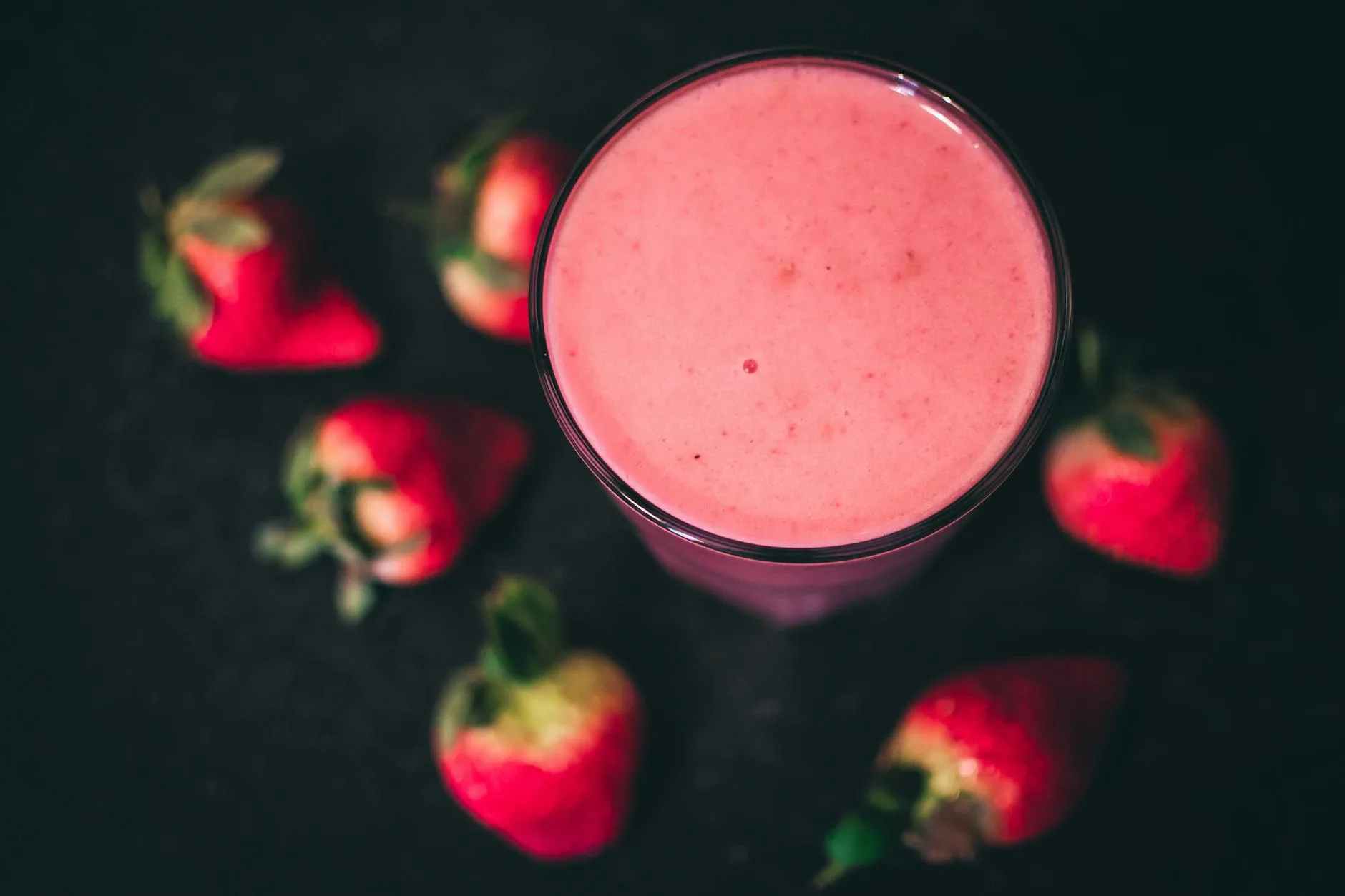
NutriBullet 600 Series: Best for Most People
Price: About £50 from Argos, Currys, Amazon UK, or John Lewis
The original NutriBullet hasn’t changed much since it popularised the personal blender category, and that’s because it doesn’t need to. The 600-watt motor paired with the extractor blade creates a vortex that pulls ingredients down into the blades rather than leaving chunks spinning uselessly above them. This cyclonic action is why NutriBullet consistently produces smoother results than cheaper imitators with similar wattage.
What It Does Well
- Frozen fruit — blends from rock-hard to drinkable in about 20-25 seconds
- Leafy greens — spinach, kale, and cavolo nero get pulverised rather than leaving stringy bits
- Speed — most smoothies are done in under 30 seconds, which is faster than any jug blender
- Cleanup — rinse the cup with warm soapy water, done in 15 seconds
Where It Falls Short
- No pulse button — you press down and it blends until you release; can’t pulse thick mixtures free
- Ice crushing is inconsistent — small ice cubes work fine, large cubes can jam the blade
- The cups are plastic — they scratch over time and can retain stains from berries and turmeric
- No travel lid included in the base model — you need to buy the to-go lid separately (about £8)
The 600 Series comes with a 680ml tall cup and a 500ml short cup. The tall cup is the one you’ll use 90% of the time — it holds a proper portion without overfilling. Add your liquid first (milk, water, juice), then soft ingredients, then frozen items on top, closest to the blade. Once you’ve got the technique down, try our smoothie bowl recipes for something a bit more substantial.
NutriBullet Pro 900: Best for Tough Ingredients
Price: About £80 from Argos, Currys, or Amazon UK
The Pro is the NutriBullet you buy when the 600 Series can’t keep up. The 900-watt motor handles things the 600 struggles with — frozen açai packs straight from the freezer, whole ice cubes, raw almonds, and thick protein powder mixes. The blade assembly is the same design, but the extra 300 watts of power means it turns faster and recovers better when it hits resistance.
The Upgrade Worth Paying For
After testing both side by side with the same frozen berry and spinach mix, the Pro produced a noticeably smoother result. The 600 left tiny seed fragments; the Pro obliterated them. For everyday soft-fruit smoothies, you won’t notice the difference. For anything involving frozen chunks, nuts, or fibrous vegetables, you will.
The Downsides
- £30 more than the 600 Series for the same cup system and similar blade
- Louder — the extra power is audible, especially early morning when the house is quiet
- Same plastic cups — at this price, Tritan or glass cups would have been nice
Ninja Personal Blender with Auto-iQ: Best Alternative to NutriBullet
Price: About £50-60 from Argos, Ninja, or Amazon UK
Ninja’s personal blender is the closest competitor to NutriBullet and in some ways surpasses it. The Auto-iQ feature gives you pre-programmed blend cycles — press the smoothie button and it runs a timed sequence of blending and pulsing that handles ingredients more evenly than continuous blending. It’s a smart feature that produces consistently good results without any technique.
Where Ninja Wins
- Auto-iQ programmes — properly useful, not a gimmick; the pulse-blend cycle breaks down fibrous ingredients better
- Tritan cups — more durable and scratch-resistant than NutriBullet’s plastic
- Better ice crushing — the Ninja blade design handles whole ice cubes that would jam a NutriBullet 600
- Travel lid included — ready to go out of the box
Where Ninja Loses
- Bulkier base unit — about 30% wider than a NutriBullet, noticeable in a small kitchen
- Noisier — the pulsing cycles are loud enough to wake someone sleeping in the next room
- The blade assembly is harder to clean — the stacked blade design traps food between the layers
If NutriBullet didn’t exist, the Ninja would be the default recommendation. It’s that good. The choice between them comes down to whether you value compactness (NutriBullet) or features (Ninja).
Russell Hobbs NutriBoost: Best Budget Option
Price: About £30-35 from Argos, Currys, or Amazon UK
At roughly half the price of a NutriBullet, the Russell Hobbs NutriBoost is impressive. The 700-watt motor is theoretically more powerful than the NutriBullet 600, and it comes with three cup sizes and both a cross blade and a flat blade for different tasks. The value proposition is hard to argue with.
Reality Check
On paper, the specs match or beat the NutriBullet. In practice, the blending quality is about 80% as good. The NutriBoost leaves slightly more texture in frozen berry smoothies — tiny seed fragments and occasional spinach fibres that the NutriBullet catches. The difference isn’t dramatic, but it’s there if you’re paying attention.
Who Should Buy It
- First-time personal blender buyers who aren’t sure they’ll use it enough to justify £50+
- Students and flat-sharers who need something functional and cheap
- Anyone who mainly blends soft fruit — the NutriBoost handles bananas, yoghurt, and fresh berries just as well as anything else
The Downsides
- Build quality feels cheaper — the cups are thinner plastic, the base feels lighter
- The flat blade is basically useless — it’s marketed for grinding coffee and spices but doesn’t do either well
- Motor burns out faster under heavy use — several reviewers on Which? report failures within 12-18 months of daily use
Kenwood Blend Xtract 3-in-1: Best Versatility
Price: About £55-65 from John Lewis, Currys, or Amazon UK
The Kenwood Blend Xtract tries to be three things: a personal blender, a chopper, and a grinder. It includes a 600ml blending cup, a 500ml chopping bowl, and a small grinding mill, all powered by the same 350-watt base. The result is a versatile kit that does several jobs adequately rather than one job brilliantly.
Where It Excels
The chopping attachment is the star here. It handles onions, herbs, and soft vegetables quickly — something no NutriBullet or Ninja can do. If you want a personal blender that also preps ingredients for cooking, this is the only real option under £100. The grinder handles spices, flax seeds, and small quantities of coffee beans reasonably well.
The Trade-Off
At 350 watts, the motor is weak by personal blender standards. Frozen fruit takes noticeably longer to blend, and the results are chunkier than a NutriBullet. Ice crushing is essentially impossible — the motor stalls. If smoothies are your main use, this isn’t the right choice.
Smeg Personal Blender: Best Looking
Price: About £130-150 from John Lewis, Smeg, or Harrods
Let’s be honest about what you’re buying here. The Smeg personal blender is a 300-watt motor in a retro-styled metal housing. Functionally, it’s worse than a NutriBullet 600 at three times the price. The motor struggles with frozen fruit, can’t crush ice, and the blending cup is small at 600ml.
Why People Buy It
Because it looks gorgeous on the worktop. The 1950s Italian design comes in pastel pink, blue, cream, and red, and it matches the Smeg kettle, toaster, and stand mixer that a certain kind of kitchen enthusiast has already bought. Smeg’s UK site shows how the aesthetic works when you commit to the full range.
Should You Buy It?
Only if aesthetics genuinely matter more than performance to you, and you mostly blend soft fruit and protein shakes. For frozen smoothies and tough ingredients, the NutriBullet Pro at £80 outperforms it in every measurable way. But no NutriBullet has ever been described as beautiful, and the Smeg arguably has.
What to Look For in a Personal Blender
Motor Power
- 300-500 watts — fine for soft fruit, yoghurt, and liquid-heavy smoothies
- 600-700 watts — the sweet spot; handles frozen fruit and leafy greens reliably
- 900+ watts — necessary for ice crushing, nut butters, and very thick blends
Don’t chase wattage alone — blade design and motor torque matter as much. A well-designed 600-watt NutriBullet outblends a poorly designed 1,000-watt generic.
Cup Material and Size
- Tritan plastic — the best option; impact-resistant, BPA-free, and scratch-resistant
- Standard plastic — cheaper but scratches and stains over time
- Glass — durable but heavy; rare in personal blenders
- 600-700ml is the ideal size — enough for a full smoothie with room for expansion when blending
Blade Design
Cross blades (four or six pointed blades) work best for smoothies. The NutriBullet’s extractor blade pulls ingredients downward; Ninja’s stacked blade cuts at multiple heights. Both work — the key is sharp, stainless steel blades that maintain their edge over months of frozen fruit.
Noise Level
All personal blenders are loud. There’s no way around a motor spinning at 20,000+ RPM inside a plastic cup. The NutriBullet 600 is among the quietest at around 80-85 dB; the Ninja and NutriBullet Pro are louder at 85-90 dB. For reference, a normal conversation is about 60 dB. If early-morning noise is a concern, blend your smoothie the night before and refrigerate it — the texture holds up surprisingly well overnight.
Personal Blender vs Full-Size Blender: Which Do You Need?
Choose a Personal Blender If
- You make single servings — smoothies for one, protein shakes, baby food portions
- Kitchen space is limited — you live in a flat, student house, or have a small worktop
- Speed matters — blend, drink, rinse, done in under two minutes
- You don’t need hot blending — soups, sauces, and cooked blends aren’t on your list
Choose a Full-Size Blender If
- You make family batches — smoothies for three or four people at once
- You want to make soups — many full-size blenders have heat functions or can handle hot liquids
- You process tough ingredients regularly — nut butter, frozen desserts, or grain flour
- Versatility matters more than speed — food processing, crushing, and blending in one machine
For most people who already own a full-size blender, a personal blender is still worth having. They serve different occasions — the big blender for Sunday meal prep, the personal blender for Tuesday morning’s rushed smoothie. Our how to choose a blender guide covers the bigger options and selection criteria in detail.

Cleaning and Maintenance Tips
Daily Cleaning
Fill the cup halfway with warm water and a drop of washing-up liquid. Blend for 10 seconds. Rinse. Done. This takes less time than walking to the dishwasher, and it prevents residue building up around the blade assembly. Do this immediately after blending — dried smoothie is ten times harder to clean than fresh.
Deep Cleaning the Blade Assembly
Once a week, unscrew the blade assembly from the cup and soak it in warm soapy water for 10 minutes. Use an old toothbrush to clean between the blades and around the rubber gasket. The gasket traps fruit pulp and can develop mould if neglected — this is the single most common complaint from personal blender owners.
When to Replace Parts
- Blades — sharpen slightly with use for the first few months, then gradually dull. Replace every 6-12 months with daily use (NutriBullet sells replacement blade assemblies for about £15)
- Cups — replace when deeply scratched or cracked; scratches harbour bacteria
- Gasket — replace if it develops a smell even after cleaning, or if the cup leaks during blending
- Motor base — should last 3-5 years with normal use. If it starts to smell hot or the speed drops, it’s done
Keep reading on KitchenGearUK: Slow Juicer vs Centrifugal Juicer: Which Is Better?, How to Choose a Blender for Smoothies, How to Make Smoothie Bowls with a Blender, Blender Wattage Explained: Does More Power Mean Better?.
Frequently Asked Questions
Can a NutriBullet replace a food processor? No. Personal blenders can’t chop, slice, grate, or knead. They’re designed for liquid-based blending only. If you need food processing, look at the Kenwood Blend Xtract 3-in-1 (which includes a small chopper) or buy a dedicated food processor.
Is the NutriBullet Pro worth the upgrade from the 600? If you blend frozen fruit daily, yes. The extra power produces noticeably smoother results with hard and frozen ingredients. If you mainly blend soft fruit, yoghurt, and liquid-heavy smoothies, the 600 does the job just as well — save the £30 for replacement cups and blades.
Can I put hot liquids in a personal blender? Most manufacturers say no. Hot liquid creates steam pressure inside the sealed cup, which can force the lid off and spray hot liquid. Let soups and cooked ingredients cool to at least room temperature before blending. If you want to blend hot food, use a full-size blender with a vented lid.
How loud are personal blenders? Loud. Expect 80-90 dB from most models, which is roughly the volume of a vacuum cleaner. The NutriBullet 600 is among the quieter options. No personal blender is quiet enough to use without waking someone in the next room, so if early-morning noise is a concern, prep your smoothie the night before.
Do I need to add liquid to a personal blender? Yes — personal blenders need liquid to create the vortex that pulls ingredients into the blades. Without liquid, solid ingredients bounce around above the blades without being blended. Use at least 150-200ml of milk, water, juice, or yoghurt as your base. Add the liquid first, then soft ingredients, then frozen items on top.