You’ve seen them on Instagram — thick, vibrant bowls of blended fruit topped with granola, berries, and coconut flakes that look like edible art. You bought a bag of frozen acai, threw it in your blender with some milk, and got a watery purple smoothie with chunks floating in it. Not quite the same effect.
Smoothie bowls aren’t just thick smoothies poured into a bowl. The texture is what makes them — they should be spoonable, almost ice-cream thick, holding toppings on the surface rather than letting them sink. Getting that consistency right is about technique, ratios, and having a blender that can handle frozen fruit without burning out the motor or leaving a chunky mess. Once you nail it, a smoothie bowl takes 5 minutes and becomes the breakfast you actually look forward to.
In This Article
- What Makes a Smoothie Bowl Different from a Smoothie
- The Right Blender for Smoothie Bowls
- The Base Formula
- Five Smoothie Bowl Recipes
- Topping Ideas and Combinations
- Common Mistakes
- Making Smoothie Bowls Ahead
- Nutrition and Portion Control
- Frequently Asked Questions
What Makes a Smoothie Bowl Different from a Smoothie
A drinkable smoothie uses a 60:40 ratio of liquid to frozen ingredients. A smoothie bowl flips this — you want 30:70 or less liquid to frozen. The result is thick enough to eat with a spoon and hold toppings on its surface without them sinking.
The Texture Test
Blend your smoothie bowl base and check: can you turn the blender jar upside down for 3 seconds without it moving? If yes, perfect thickness. If it slides, you’ve added too much liquid. If the blender can’t blend it at all, you need a tiny splash more liquid or a more powerful blender.
Why Frozen Ingredients Matter
Fresh fruit makes smoothies. Frozen fruit makes smoothie bowls. The ice crystals in frozen fruit create the thick, scoopable texture. You can’t replicate this by adding ice to fresh fruit — ice dilutes the flavour and creates a grainy texture. Frozen bananas, frozen berries, and frozen acai packs are the foundation of every good smoothie bowl.
The Right Blender for Smoothie Bowls
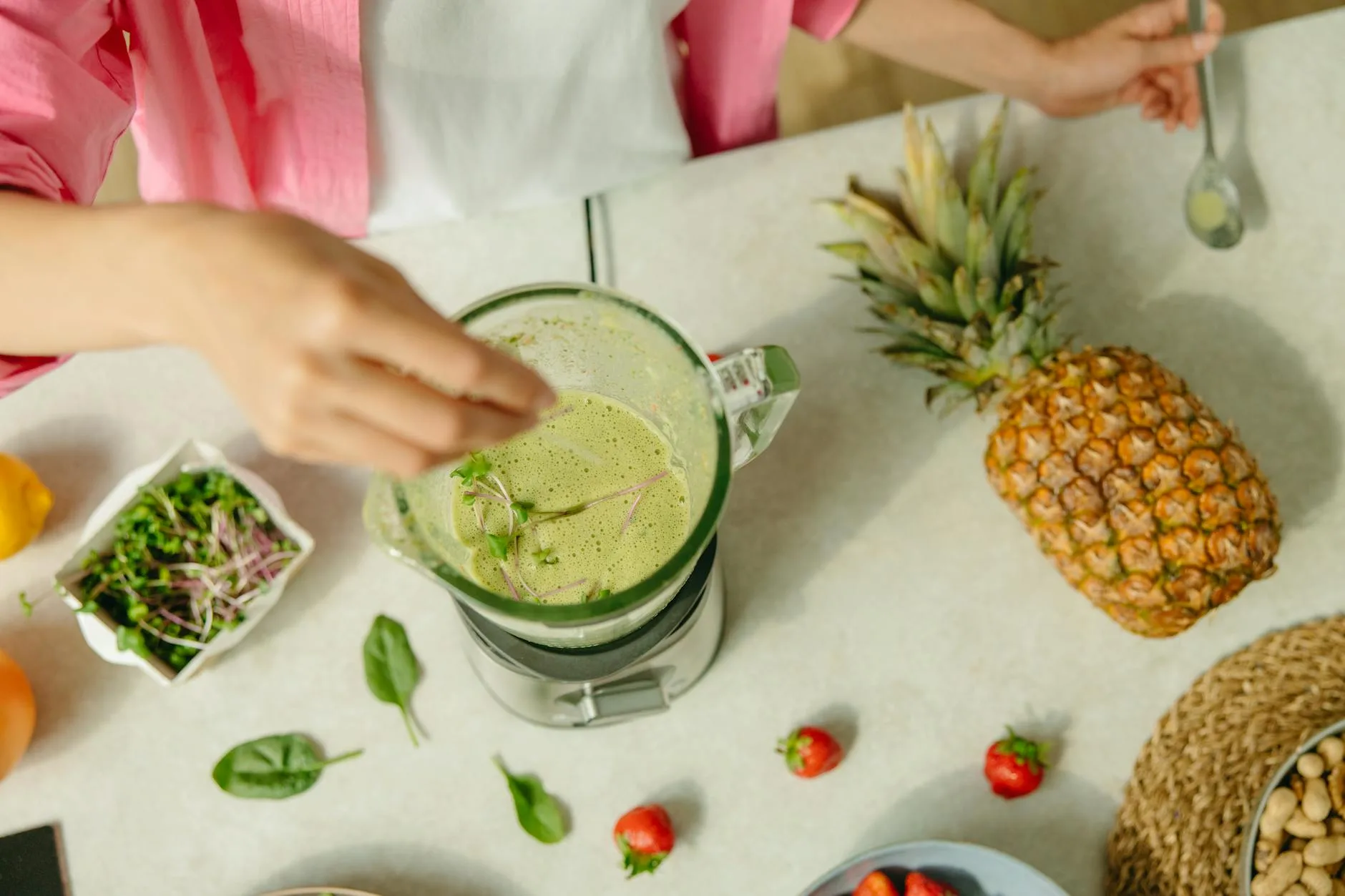
Not every blender handles smoothie bowl consistency. The thick, frozen mixture puts serious strain on the motor and blades. Here’s what you need:
Minimum 600W Motor
Below 600W, most blenders stall on frozen fruit. The motor overheats, the blades spin without catching, and you end up poking the mixture with a spatula while the blender screams at you. A 600W+ motor handles frozen bananas and berries without drama.
Tamper or Narrow Jar
The thick mixture doesn’t flow freely to the blades. High-performance blenders like the Ninja and Vitamix include a tamper — a plastic plunger that pushes ingredients into the blades while blending. Without a tamper, you’ll be stopping, scraping, and restarting constantly.
Alternatively, narrow personal-sized blender cups (like the NutriBullet) work because the ingredients are forced close to the blades by the cup shape. Less efficient than a full-size blender with a tamper, but functional for single servings.
Our Recommendations
- Budget: NutriBullet 600 Series (about £50, Argos). Handles single-serve smoothie bowls well. The narrow cup forces ingredients into the blades. Motor struggles with very thick mixes — add an extra splash of liquid if it stalls.
- Mid-range: Ninja Professional Plus (about £90, amazon.co.uk). 1100W motor blends anything. The Auto-iQ programmes include a frozen drink setting that pulses and blends in the right pattern for thick mixes.
- Premium: Vitamix Explorian E310 (about £300, vitamix.com). Overkill for smoothie bowls alone, but if you’re also making soups, nut butters, and frozen desserts, nothing matches a Vitamix. The tamper means you never need to stop and scrape. Our blender buying guide covers more options across every budget.
The Base Formula
Every smoothie bowl follows the same structure. Master this formula and you can create infinite variations.
Frozen Base (200-250g)
This creates the thick, scoopable texture. Choose one or combine:
- Frozen banana — the default. One large frozen banana provides sweetness, creaminess, and binding. Peel and slice bananas before freezing (frozen whole bananas are a nightmare to peel).
- Frozen acai packs — the classic smoothie bowl ingredient. Sambazon and Amazonia are the most available UK brands (about £5-7 for 4 packs from Ocado, Waitrose, or Holland & Barrett).
- Frozen berries — blueberries, raspberries, strawberries, or mixed. Aldi and Lidl sell 500g bags for about £2 — the best value for daily smoothie bowls.
- Frozen mango — creates a vibrant yellow bowl with tropical sweetness.
Liquid (60-80ml — LESS than you think)
This is where most people go wrong. Too much liquid = a smoothie, not a bowl. Start with 60ml and add tiny splashes only if the blender stalls.
- Milk (dairy, oat, almond, coconut) — oat milk gives the creamiest result
- Yoghurt — adds protein and makes the texture even thicker. Greek yoghurt is ideal.
- Juice — orange or apple juice adds sweetness but thins the mixture faster than milk
Boosters (Optional)
- Protein powder (20-30g) — vanilla or unflavoured blends in without affecting texture
- Nut butter (1 tablespoon) — adds creaminess and healthy fats. Peanut, almond, or cashew.
- Spinach or kale (a handful) — invisible in berry bowls. Adds nutrients without affecting flavour when blended with strong-flavoured fruit.
- Cacao powder (1 tablespoon) — chocolate flavour without sugar. Pairs brilliantly with banana and peanut butter.
Five Smoothie Bowl Recipes
Classic Acai Bowl
- 2 acai packs (frozen)
- 1 frozen banana
- 60ml oat milk
- Top with: granola, sliced banana, blueberries, honey drizzle
Blend acai and banana with oat milk until thick and smooth. Pour into a bowl and add toppings. The classic for a reason — fruity, antioxidant-rich, and looks stunning.
Tropical Mango Bowl
- 200g frozen mango
- 1 frozen banana
- 60ml coconut milk
- 1 tablespoon coconut yoghurt
- Top with: kiwi slices, passion fruit, toasted coconut flakes, chia seeds
Bright yellow and sunshine-sweet. The coconut milk and yoghurt give it a creamy tropical richness. Best on a summer morning when you want to pretend you’re somewhere warmer than Berkshire.
Chocolate Peanut Butter Bowl
- 2 frozen bananas
- 1 tablespoon cacao powder
- 1 tablespoon peanut butter
- 80ml milk
- Top with: banana slices, cacao nibs, granola, peanut butter drizzle
Tastes like a chocolate milkshake in bowl form. The peanut butter adds protein and makes it surprisingly filling. Kids love this one — it’s essentially ice cream for breakfast that you don’t need to feel guilty about.
Green Power Bowl
- 1 frozen banana
- 100g frozen mango
- Large handful of spinach
- 60ml almond milk
- Top with: kiwi, hemp seeds, granola, bee pollen
The spinach disappears into the mango-banana sweetness. You get a vibrant green colour without any “green” taste. Packed with iron, vitamin C, and fibre. The NHS 5-a-day guidance counts smoothie bowls toward your daily fruit and veg — though only as one portion no matter how much fruit you add.
Berry Protein Bowl
- 200g frozen mixed berries
- 1 scoop vanilla protein powder (about 25g)
- 80ml Greek yoghurt
- 40ml milk
- Top with: fresh berries, flaked almonds, honey
A post-workout breakfast that actually tastes good. The Greek yoghurt and protein powder give it 30g+ protein per bowl. The mixed berries provide antioxidants and the thick yoghurt base means you need very little liquid.
Topping Ideas and Combinations
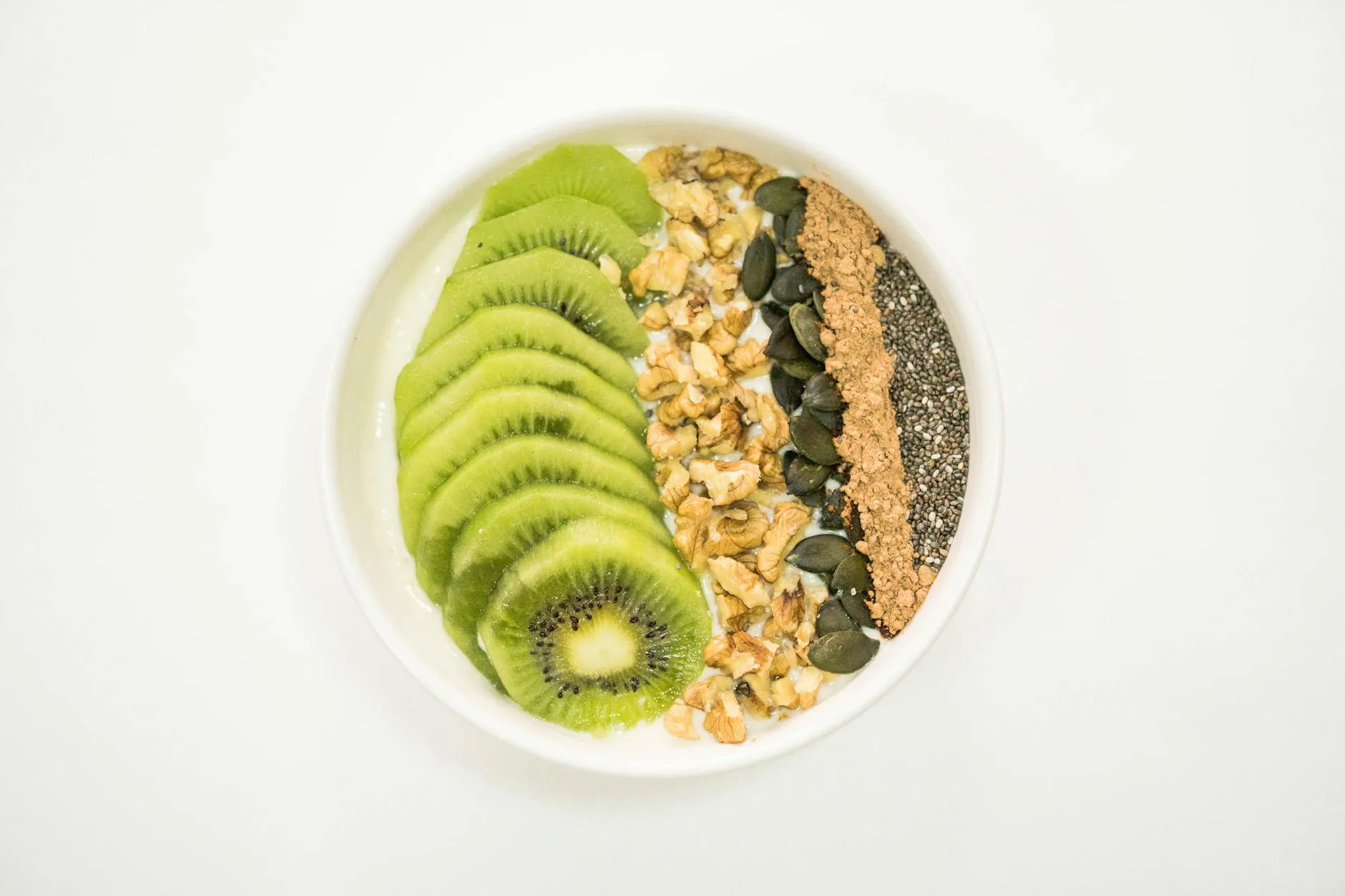
Toppings are half the appeal of smoothie bowls — they add texture contrast (crunchy vs smooth), visual appeal, and extra nutrients.
Crunchy
- Granola — the default. Aldi’s granola (about £1.50) is excellent value.
- Toasted coconut flakes — sweet, crunchy, tropical
- Cacao nibs — bitter chocolate crunch, pairs with banana
- Chopped nuts — almonds, walnuts, pecans, pistachios
- Seeds — chia, hemp, pumpkin, flax
Fresh Fruit
- Sliced banana — always works
- Berries — whole blueberries, halved strawberries, raspberries
- Kiwi slices — vibrant green colour contrast
- Passion fruit — scoop the seeds directly onto the bowl
Drizzles
- Honey — the classic
- Maple syrup — richer than honey, works well with chocolate bowls
- Nut butter — drizzle from a spoon warmed in hot water for 10 seconds
- Melted dark chocolate — birthday-level indulgence
Common Mistakes
Too Much Liquid
The number one smoothie bowl killer. Start with less liquid than you think you need (60ml) and add tiny amounts (a tablespoon at a time) until the blender can process the mixture. You can always add more liquid; you can’t take it back out.
Using Fresh Fruit Instead of Frozen
Fresh fruit makes a smoothie, not a bowl. Freeze your bananas and berries at least 12 hours before use. Cut bananas into 2cm slices before freezing so they blend more easily. Store in freezer bags with the air squeezed out.
Adding Ice
Ice dilutes the flavour and creates a grainy, crunchy texture. Frozen fruit provides the thickness without dilution. If you need extra thickness, add more frozen banana — not ice.
Blending Too Long
Blend until smooth and stop. Extended blending generates heat from friction, which melts the frozen fruit and thins the mixture. A good blender takes 30-60 seconds. If it’s taking longer, stop, scrape the sides, and blend again in short bursts.
Eating Too Slowly
A smoothie bowl starts melting the moment it leaves the blender. Make your toppings before you blend, have your bowl ready, and eat within 10 minutes. The Instagram photoshoot can wait — or better yet, take the photo in the first 30 seconds.
Making Smoothie Bowls Ahead
Freezer Packs
Prepare smoothie bowl packs in advance: portion frozen fruit, boosters, and dry ingredients into individual freezer bags. In the morning, dump a pack into the blender, add liquid, blend, done. Five packs take 10 minutes to prepare on Sunday and save 5 minutes every morning.
Can You Refrigerate a Finished Bowl?
You can, but the texture suffers. A refrigerated smoothie bowl loses its thick, frozen consistency within 20-30 minutes and becomes a regular smoothie. If you must prep ahead, blend slightly thicker than usual and refrigerate for no more than 30 minutes. Add toppings just before eating.
Nutrition and Portion Control
The Hidden Sugar Problem
Smoothie bowls can contain more sugar than a chocolate bar if you’re not careful. Two bananas, a cup of mango, acai, granola, and honey can easily hit 50-60g of sugar per bowl. The fruit sugar is natural, but your body processes it the same way.
Keeping It Balanced
- One banana maximum per bowl (or one banana-equivalent of frozen fruit)
- Include protein — yoghurt, protein powder, nut butter, or hemp seeds
- Watch the toppings — a tablespoon of granola and a drizzle of honey is fine; half a cup of granola and a lake of maple syrup is dessert
- Standard portion — about 300-350ml of blended base, which fills a standard cereal bowl
Calorie Ranges
- Basic fruit bowl (banana, berries, milk, minimal toppings): 250-350 calories
- Protein bowl (fruit, yoghurt, protein powder, nuts): 400-500 calories
- Indulgent bowl (acai, granola, nut butter, honey, chocolate): 500-700 calories
A smoothie bowl as a meal replacement (breakfast or lunch) at 400-500 calories is reasonable. As a snack on top of other meals, keep it under 350 calories by going easy on calorie-dense toppings. If you’re using your stand mixer for other breakfast prep, a smoothie bowl rounds out the morning perfectly.
Keep reading on KitchenGearUK: Blender Wattage Explained: Does More Power Mean Better?, Best High-Speed Blenders 2026 UK: Vitamix, Ninja & More, Juicing for Beginners: What Fruits and Vegetables to Start With, Best NutriBullet and Personal Blenders 2026 UK.
Frequently Asked Questions
Can I make a smoothie bowl without a high-powered blender? Yes, but it takes more effort. With a standard blender (400-600W), use slightly more liquid, blend in shorter bursts, and scrape the sides frequently. A NutriBullet-style personal blender handles single servings well because the narrow cup forces ingredients into the blades. Letting frozen fruit sit for 5 minutes before blending also helps softer blenders cope.
Are smoothie bowls healthy? They can be — or they can be a sugar bomb disguised as health food. A bowl with one banana, mixed berries, yoghurt, and light toppings is nutritious and balanced. A bowl with two bananas, acai, mango, granola, honey, and chocolate is 600+ calories and 50g+ sugar. The base recipe matters more than the toppings.
Why is my smoothie bowl too runny? Too much liquid. Start with 60ml and add tablespoons until the blender can process the mixture. Also check that your fruit was fully frozen — partially thawed fruit produces a thinner consistency. Adding more frozen banana is the quickest fix for an overly thin bowl.
Can I use fresh fruit instead of frozen? Fresh fruit makes a drinkable smoothie, not a spoonable bowl. The thick texture comes from the ice crystals in frozen fruit. If you only have fresh fruit, slice and freeze it for at least 4-6 hours before making a bowl.
How long does a smoothie bowl last once made? About 10-15 minutes before it starts melting and thinning. Eat it promptly. You can refrigerate it for up to 30 minutes, but the frozen texture won’t return without re-blending and re-freezing.