You’re standing in Currys staring at two blenders. One says 300W, the other says 1,200W, and the 1,200W costs three times as much. The obvious conclusion is that bigger equals better — more power, smoother smoothies, crushed ice in seconds. Except that’s not quite how it works, and you might be about to waste £150 on a blender that does the same job as one costing £40.
In This Article
- What Blender Wattage Actually Means
- How Much Wattage Do You Actually Need
- Wattage vs Blade Design: Which Matters More
- Low Wattage Blenders: 300-600W
- Mid-Range Blenders: 600-1,000W
- High Power Blenders: 1,000W Plus
- Personal Blenders vs Jug Blenders: Power Compared
- What Affects Blending Performance Besides Wattage
- Energy Consumption: Does a Powerful Blender Cost More to Run
- Our Picks by Use Case
- Frequently Asked Questions
What Blender Wattage Actually Means
Wattage measures how much electrical power the motor consumes — not how much power reaches the blades. That distinction matters more than most manufacturers would like you to know. A 1,000W blender doesn’t deliver 1,000W of blending force to your smoothie. Some of that energy is lost as heat, friction, and noise.
Motor Power vs Blending Power
The wattage on the box is the input power — how much electricity the motor draws from the wall. The actual power transferred to the blades (output power) is typically 40-60% of the stated wattage, depending on motor efficiency. A well-engineered 600W blender with an efficient motor can outperform a cheaply-made 1,000W blender with a poor motor.
This is why Vitamix blenders (around 1,400-1,500W) feel noticeably more powerful than cheaper 1,500W blenders. It’s not the wattage — it’s the motor quality, blade design, and jug shape working together.
Peak Wattage vs Running Wattage
Some manufacturers list “peak wattage” — the maximum power the motor can draw for a brief moment, usually during startup. The running wattage (continuous operation) is typically 20-30% lower. A blender marketed as “1,200W peak” might run at 800-900W during normal use. If the box doesn’t specify, assume it’s peak wattage.
How Much Wattage Do You Actually Need
This depends entirely on what you’re blending. I’ve tested blenders across different price ranges over the past year — running the same frozen berry mix through each one — and the results were clear — you don’t need as much power as you think for most tasks.
Soft Fruit Smoothies (300W+)
Bananas, berries, yoghurt, milk — these blend easily in almost any blender. A 300W personal blender handles these with no drama. You’ll wait 30-45 seconds instead of 15, but the result is identical.
Green Smoothies with Leafy Vegetables (500W+)
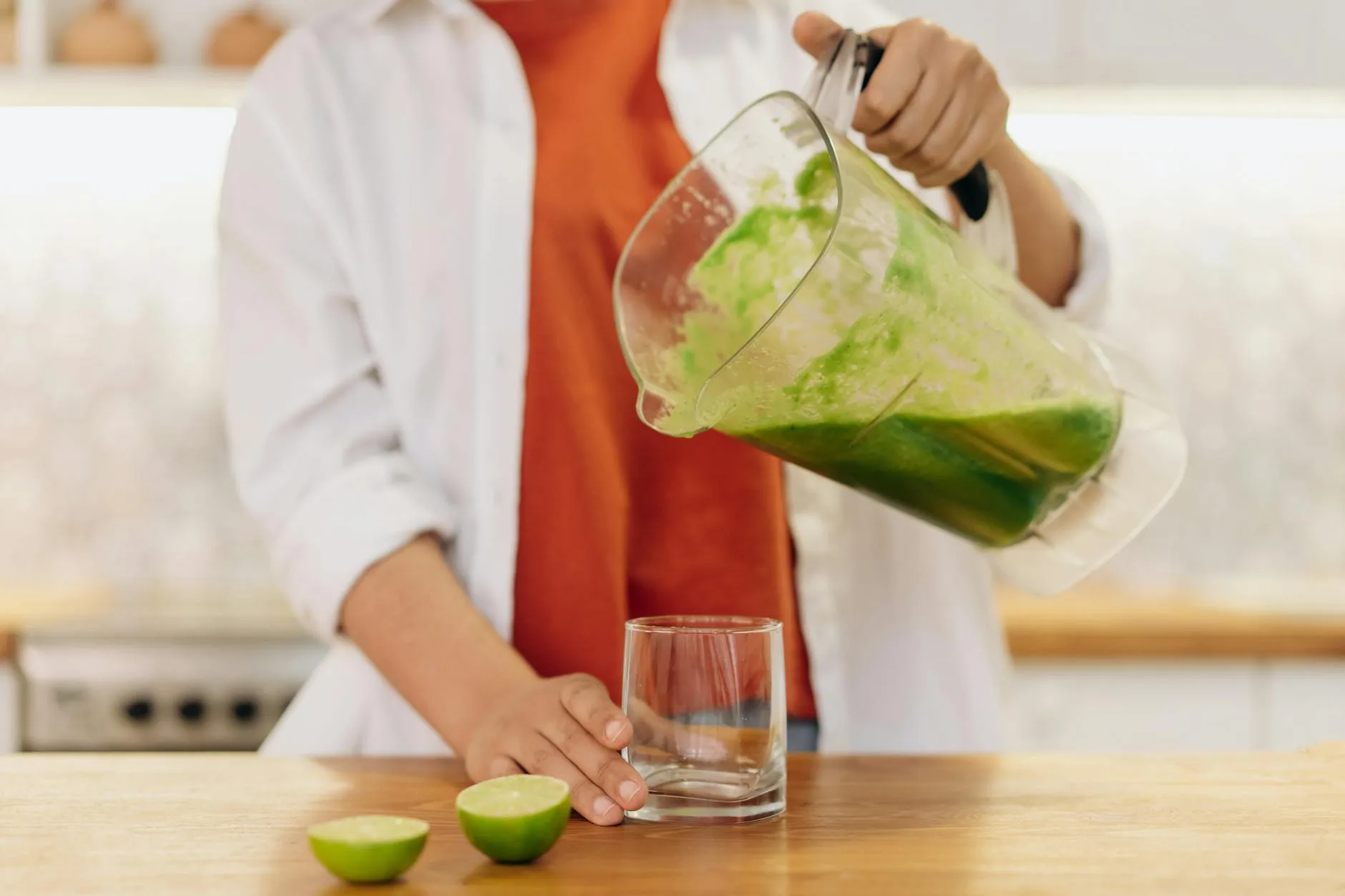
Kale, spinach, celery — these need more blade speed to break down properly. Below 500W, you’ll get fibrous chunks and a gritty texture. At 600W and above, leafy greens blend to a smooth consistency within 30 seconds.
Frozen Fruit and Ice (600W+)
This is where wattage starts to matter. Crushing ice and frozen berries requires the motor to push the blades through solid material. Below 600W, the motor strains, the blades stall, and you end up shaking the jug to dislodge lumps. At 800W+, frozen ingredients blend without complaint.
Nut Butters and Soup (1,000W+)
Making nut butter from whole nuts requires sustained high-speed blending for 3-5 minutes. Lower-wattage motors overheat during this kind of extended operation. Hot soup blending — where the friction of the blades actually heats the liquid — needs consistent high power. For these tasks, 1,000W+ is necessary.
Hard Root Vegetables and Grains (1,200W+)
Raw beetroot, carrots, whole grains for flour — these need serious power. This is Vitamix and Blendtec territory. If you’re not doing these tasks regularly, you don’t need this level of power.
Wattage vs Blade Design: Which Matters More
Here’s where it gets interesting. After testing multiple blenders side by side — same ingredients, same quantities — blade design often made more difference than raw wattage.
Blade Shape
- Flat blades: Create a vortex that pulls ingredients down. Better for smoothies and liquids.
- Stacked blades (multiple tiers at different angles): Chop at different heights simultaneously. Better for chunky tasks and dry ingredients.
- Pronged blades: Common in cheaper blenders. Less efficient at creating vortex flow.
Blade Material
- Stainless steel (hardened): Standard in mid-range and above. Stays sharp, handles frozen ingredients. What you’ll find in Nutribullet, Vitamix, and Ninja.
- Basic stainless steel: Dulls faster, particularly with ice. Common in budget blenders under £30.
The Vortex Effect
The best blenders create a vortex — a circular flow that continuously pulls ingredients from the top down into the blade zone. This matters more than wattage for smoothie consistency. A 600W blender with good vortex action will produce smoother results than a 1,000W blender where ingredients just spin around the edges.
The jug shape (narrow at the base, wider at the top) and blade angle determine vortex strength. This is Vitamix’s real secret — not the motor, but the container design that keeps ingredients cycling through the blades.
Low Wattage Blenders: 300-600W
Who They’re For
Students, anyone with limited counter space, or people who blend basic smoothies a few times a week. If your typical recipe is banana + berries + milk + protein powder, this is all you need.
What They Do Well
- Soft fruit smoothies
- Milkshakes
- Protein shakes (pre-mixed powder, not whole nuts)
- Baby food from cooked vegetables
- Pancake batter
What They Struggle With
- Frozen fruit (uneven results below 500W)
- Leafy greens (gritty texture below 500W)
- Ice crushing (motor stalls or just chips the ice)
- Anything requiring more than 60 seconds of continuous blending
Our Budget Pick
The Breville Blend Active (about £25 from Argos) is a 300W personal blender that handles basic smoothies well. The blending cups double as drinking bottles, which saves washing up. Don’t ask it to crush ice — it’ll try, fail, and you’ll smell burning motor. For what it does, though, it’s solid value.
Mid-Range Blenders: 600-1,000W
Who They’re For
Regular blenders who want consistency and versatility without spending Vitamix money. This is the sweet spot for most households.
What They Do Well
- Everything in the low-wattage category, faster and smoother
- Green smoothies with kale, spinach, and celery
- Frozen fruit smoothies and ice-based drinks
- Hummus and dips
- Soups (with a soup programme or manual pulsing)
- Crushing ice reliably
What They Struggle With
- Nut butters from whole nuts (motor overheats after 2-3 minutes)
- Very hard root vegetables like raw beetroot
- Grinding grain into flour
Our Mid-Range Pick
The Ninja Professional BL610 (about £80 from Amazon UK) delivers 1,000W with stacked blade technology that handles frozen fruit, ice, and leafy greens effortlessly. We’ve been using one daily for smoothie bowls with frozen açai and it blends to a thick, spoonable consistency in about 20 seconds. After six months the motor still sounds the same as day one. The jug is 2.1 litres — enough for a family batch. The Nutribullet 900 Series (about £70 from John Lewis) is the alternative if you prefer a personal blender format.
High Power Blenders: 1,000W Plus
Who They’re For
Serious home cooks, raw food enthusiasts, smoothie shop owners, and anyone who makes nut butters, hot soups from scratch, or regularly blends hard ingredients.
What They Do Well
- Everything, basically. These are the workhorse machines.
- Nut butters from whole almonds in 3-4 minutes
- Hot soup (blade friction heats the liquid to serving temperature)
- Whole-food juicing (blend then strain)
- Frozen desserts (nice cream, sorbets)
- Grinding spices and grains
What to Watch Out For
- Noise: High-power blenders are LOUD. The Vitamix A3500 at full speed registers about 90 dB — the same as a lawnmower. If you’re blending at 6am before the household wakes up, this is a genuine problem.
- Size: They’re big. A Vitamix with its tall jug stands about 50 cm — check your cabinet clearance.
- Weight: 5-6 kg typically. Not something you’ll be moving around the kitchen daily.
Our Premium Pick
The Vitamix Explorian E310 (about £280 from Lakeland) is the entry point to the Vitamix range and delivers 1,400W of genuine, well-engineered power. It’s the blender we reach for when testing anything difficult — I’ve made almond butter, hot soup, and frozen banana ice cream in the same afternoon without it breaking a sweat. The 10-variable speed dial gives precise control, and the 1.4-litre container handles family-sized batches. It comes with a 5-year warranty, which tells you something about build quality.
For a UK-specific alternative, the KitchenAid K400 (about £200 from John Lewis) offers 1,200W with a quieter motor and a more compact design. If you’re choosing a blender primarily for smoothies with occasional soup or nut butter use, check our full guide to choosing a blender for smoothies for more detail.
Personal Blenders vs Jug Blenders: Power Compared
Personal blenders (Nutribullet, Ninja Personal, Breville Blend Active) and traditional jug blenders serve different needs, and their wattage numbers aren’t directly comparable.
Why 600W in a Personal Blender Feels More Powerful
Personal blenders have smaller containers (500-700 ml typically) and the blade assembly is closer to the ingredients. The same motor power concentrated in a smaller space produces more effective blending force per unit of food. A 600W Nutribullet often outperforms an 800W jug blender for single-serving smoothies.
When to Choose a Personal Blender
- You blend for one or two people
- Counter space is limited (a personal blender takes up about 15 cm × 15 cm)
- You drink smoothies on the go (blend in the cup, screw on the lid, take it with you)
- Budget is under £80
When to Choose a Jug Blender
- You blend for a family (3+ servings at once)
- You make soups, dips, or nut butters
- You need multiple speed settings for different tasks
- You batch-prep smoothies for the week
What Affects Blending Performance Besides Wattage
Jug/Container Material
- Tritan plastic: Lightweight, shatterproof, stain-resistant. Used by Vitamix and most mid-range brands. The best all-rounder.
- Glass: Heavier, doesn’t stain, feels premium. But it’s fragile and adds 1-2 kg of weight. Magimix and KitchenAid offer glass options.
- Standard plastic: Scratches easily, stains from turmeric and beetroot, can absorb odours. Common in budget blenders.
Motor Type
- Brushed DC motors: Cheaper, louder, shorter lifespan. Standard in blenders under £50.
- Brushless motors: Quieter, more efficient, longer-lasting. Found in premium blenders. The reason a Vitamix motor lasts 10+ years.
Speed Settings
- Single speed: Press and blend. Simple but no control. Fine for basic smoothies.
- Variable speed (dial): Precise control from gentle folding to full power. Essential for soups and sauces where you want texture control.
- Pre-set programmes: Smoothie, soup, ice crush, clean. Convenient but not necessary — you’re paying for convenience, not better blending.
Capacity
According to Which? blender reviews, the most common complaint about blenders is that the jug is too small. Consider how you’ll actually use it:
- Single serving: 500-700 ml (personal blender)
- Two servings: 1.0-1.4 litres
- Family batch: 1.5-2.0 litres
- Batch prep: 2.0+ litres
Energy Consumption: Does a Powerful Blender Cost More to Run
Not meaningfully. This is one of those worries that sounds logical but doesn’t hold up to the maths.
The Real Numbers
A 1,200W blender running for 2 minutes uses 0.04 kWh of electricity. At the current UK average rate of about 24.5p per kWh (as of April 2026, per the Ofgem energy price cap), that’s about 1p per smoothie. A 300W blender running for 2 minutes costs about 0.25p. The difference over a year of daily use is roughly £2.70.
Where Power Does Cost
The one scenario where energy matters is sustained blending — making nut butter (5 minutes at full power) or running a soup programme (5-8 minutes). Even then, you’re looking at 3-5p per session. Not enough to factor into a buying decision.
Heat Generation
Higher-wattage blenders generate more heat during operation. For most tasks this doesn’t matter, but for cold smoothies and frozen desserts, a blender that adds 2-3°C of heat during blending is slightly less ideal than one that stays cool. In practice, the difference is marginal — add one extra ice cube to compensate.
After using both ends of the power spectrum, I’ve found that the biggest real-world difference between budget and premium blenders isn’t the electricity bill — it’s how long the motor lasts and whether it can handle the tougher jobs without burning out. If your air fryer does the cooking, you might find a mid-range blender fills the remaining gap nicely — see our air fryer cooking times guide for what the fryer handles best.
Our Picks by Use Case
Best for Basic Smoothies: Breville Blend Active
- Wattage: 300W
- Price: About £25 from Argos
- Why: Does the simple jobs well, tiny footprint, cups double as bottles
- Skip if: You use frozen fruit or leafy greens regularly
Best All-Rounder: Ninja Professional BL610
- Wattage: 1,000W
- Price: About £80 from Amazon UK
- Why: Handles everything from smoothies to ice crushing to soup. The stacked blade system is properly clever.
- Skip if: You only make basic fruit smoothies (overkill)
Best for Serious Cooks: Vitamix Explorian E310
- Wattage: 1,400W
- Price: About £280 from Lakeland
- Why: The “buy once, cry once” option. Makes nut butters, hot soups, frozen desserts, and everything in between. Five-year warranty.
- Skip if: Your budget is under £200 or you blend less than 3 times a week
Best Personal Blender: Nutribullet 900 Series
- Wattage: 900W
- Price: About £70 from John Lewis
- Why: Compact, powerful for its size, excellent at green smoothies with frozen fruit
- Skip if: You need to make family-sized batches
For more on choosing between stand mixers and blenders for different tasks, our stand mixer attachments guide covers where each tool excels.
Keep reading on KitchenGearUK: Best High-Speed Blenders 2026 UK: Vitamix, Ninja & More, Juicing for Beginners: What Fruits and Vegetables to Start With, Best NutriBullet and Personal Blenders 2026 UK, Slow Juicer vs Centrifugal Juicer: Which Is Better?.
Frequently Asked Questions
Is a 300W blender powerful enough for smoothies? For basic smoothies with fresh fruit, yoghurt, and milk — yes, a 300W blender works fine. You’ll wait 30-45 seconds instead of 15, but the result is smooth and drinkable. Where 300W falls short is frozen fruit, ice, and leafy greens like kale. If your recipes regularly include these, you need at least 500-600W for consistent results.
Why are some blenders so expensive when they have similar wattage? Wattage is only one factor. Premium blenders use higher-quality motors (brushless, more efficient), better blade materials (hardened stainless steel), superior container designs (creating better vortex action), and stronger build quality. A £300 Vitamix at 1,400W will outlast and outperform a £50 blender at 1,400W because the engineering behind the motor is fundamentally different. You’re paying for durability, consistency, and efficiency.
Can a high-wattage blender damage nutrients in my smoothie? This is a persistent myth. The heat generated by blending — even in high-power blenders — is minimal (2-5°C temperature increase for a typical smoothie). The blending process does break cell walls in fruits and vegetables, which actually makes some nutrients more bioavailable. The biggest nutrient loss comes from oxidation (exposure to air), not blending speed. Drink your smoothie within 20 minutes of making it for maximum nutritional benefit.
Do I need a blender with pre-set programmes? Not really. Pre-set programmes (smoothie, ice crush, soup, clean) adjust speed and duration automatically, which is convenient but not essential. You can achieve the same results by learning to use the speed settings manually — start slow, increase gradually, pulse for chunky textures. The exception is soup programmes, which run for 5-8 minutes at variable speeds and are well worth it for hands-free hot soup making.
How long should a blender motor last? Budget blenders (under £50) typically last 2-3 years with regular use. Mid-range blenders (£50-150) should last 4-6 years. Premium blenders like Vitamix often come with 5-10 year warranties and regularly last 10+ years. The main factor is how often you push the motor to its limits — frequent ice crushing and nut butter making wear motors faster than daily smoothies.