Of the best rice cookers in the UK, the model most households should buy is the Yum Asia Panda Mini. It is compact enough for an ordinary worktop, serves roughly one to three people, and uses fuzzy logic to adjust cooking rather than relying on a basic on/off thermostat. Its dedicated white, short-grain, brown and quick-rice programmes make it the most convincing all-rounder for most couples and small households.
That is a decisive recommendation, but it is not the right machine for everyone. The Morphy Richards 471001 is the simpler budget choice; the Yum Asia Bamboo is the premium induction model; Lakeland’s Two-Portion Mini is the smallest electric option; the 5L COSORI is built for families and batch cooking; and the Joseph Joseph M-Cuisine is the inexpensive microwave alternative. Each solves a different capacity, budget or storage problem, so the right answer depends on how much rice you cook and how much control you want.
In This Article
- Our direct answer
- Rice cookers at a glance
- Six recommendations
- How to choose
- Capacity and portions
- Cooking technologies compared
- Cooking time, keep-warm and cleaning
- Final verdict
- Frequently asked questions
Best Rice Cookers in the UK: Our Direct Answer
Choose the Yum Asia Panda Mini if you normally cook for one, two or three people and want reliably good rice without giving a large appliance permanent worktop space. Its 3.5-cup, approximately 0.6L bowl is sensibly sized for smaller households, while its programmes cover long-grain, short-grain or sushi, brown and quick rice. The combination is more useful than a large capacity that you rarely fill.
Panda also occupies the sweet spot between the two main extremes in this guide. It is much more capable than a single-switch cooker, because its fuzzy-logic control can alter heat and timing as the programme progresses. Yet it is considerably smaller and less expensive than the premium Bamboo induction model. It also adds porridge, steaming, slow-cooking and cake functions, though rice remains the reason to buy it.
There are two reasons not to choose Panda. First, a family regularly cooking several cups of dry rice needs the larger COSORI. Second, an enthusiast who cares about induction heating, Yumami or GABA brown-rice programmes may find the Bamboo worth its premium. Everyone else should start with Panda and move away from it only when a specific requirement demands it.
The Best Rice Cookers at a Glance
Start with the award that matches your household rather than the longest feature list. Capacity, rice programmes and storage separate these six choices more clearly than extra multicooker modes.
| Rice cooker | Our award | Capacity | Best for | Main compromise |
|---|---|---|---|---|
| Yum Asia Panda Mini | Best overall | 3.5 cups / approx. 0.6L | One to three people wanting consistently good rice | Too small for larger families |
| Morphy Richards 471001 | Best budget | 1.5L / 8 cups | Simple family portions at a lower price | No grain-specific programmes |
| Yum Asia Bamboo UMAI IH | Best premium | 8 cups / 1.5L | Rice enthusiasts wanting induction and specialist cycles | Large, heavy and expensive |
| Lakeland Two-Portion Mini | Best compact | 0.5L | Solo cooks, couples and very small kitchens | Limited capacity and controls |
| COSORI CRC-R501-KUK | Best for families | 5L / 10 cups | Large households and batch cooking | Substantial worktop footprint |
| Joseph Joseph M-Cuisine | Best alternative | 2L | Occasional microwave cooking with no extra appliance | Manual timing and no keep-warm mode |
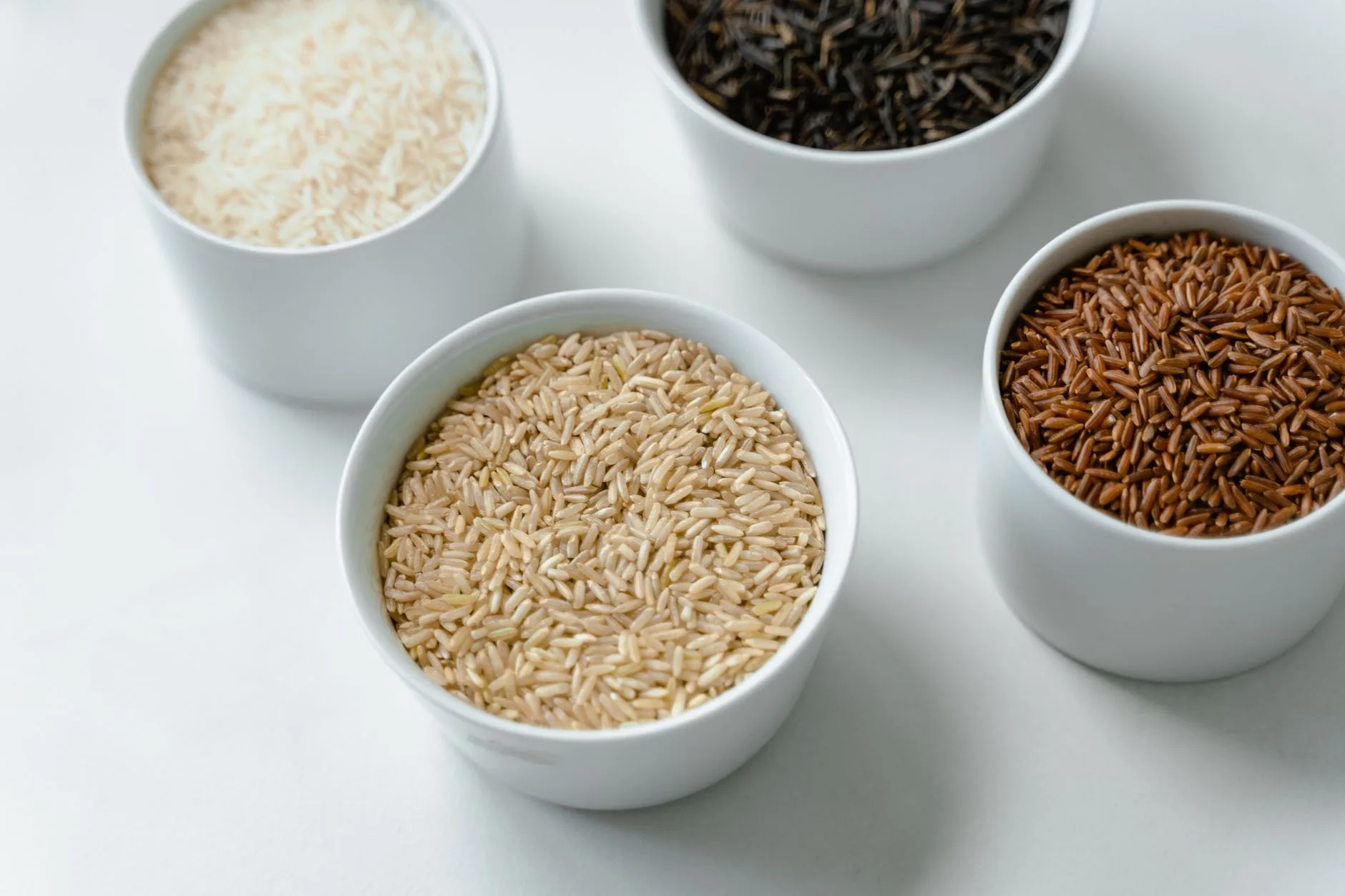
Capacity labels are not directly interchangeable. Brands may quote litres, supplied measuring cups or finished portions, and a rice-cooker cup is usually smaller than a UK measuring cup. Treat the figures as a first filter, then consult the exact model instructions before filling the bowl.
For everyday use, prioritise a sensible minimum batch, clear bowl markings, removable parts and enough clearance for the lid and steam. Specialist programmes matter only when you will actually cook those grains.
Our Six Rice Cooker Recommendations
1. Yum Asia Panda Mini — Best Overall

Panda is the most balanced machine here. According to Yum Asia, its 3.5-cup capacity is intended for one to three people, and the bowl is approximately 0.6L. At 30 x 22.5 x 21cm, it is compact rather than miniature: it still needs ventilation and a place for the lid to open, but it will fit kitchens that cannot justify a family-sized 5L appliance.
Its strongest feature is the rice-specific programme set. Long-grain or white rice, short-grain or sushi rice, brown rice and quick cook are genuinely different jobs. Advanced fuzzy logic monitors the cooking cycle and adjusts temperature and time, reducing the need to guess at hob heat or intervene midway. The ceramic-coated inner bowl and detachable inner lid are also more appealing for routine cleaning than an appliance full of fixed crevices.
Panda includes a 24-hour preset timer and keep-warm function. Those are useful for coordinating dinner, although cooked rice should not be left indefinitely simply because the appliance can hold it. The steam, porridge, slow-cook and cake settings add versatility, but its modest bowl means it is not a substitute for a large multicooker.
The limitation is capacity. Three cups may be enough for a small household, but not for feeding several hungry adults or preparing rice for a week’s lunches. For that, choose COSORI. For more specialist rice programmes and induction heating, choose Bamboo. For most other buyers, Panda is the one we would buy.
- Buy it if: you cook for one to three people and want grain-specific programmes in a compact footprint.
- Skip it if: you regularly cook more than 3.5 supplied cups of dry rice.
- Main compromise: its small bowl is the reason it fits ordinary kitchens, but it rules out larger batches.
2. Morphy Richards 471001 — Best Budget

The Morphy Richards 471001 is for buyers who want the basic convenience of automatic rice cooking without paying for a display or fuzzy-logic programmes. The model specifications describe a 1.5L, eight-cup cooker with a removable non-stick aluminium pot, glass lid, automatic keep-warm and steaming tray. Its 500W rating and single-switch format keep operation simple.
That simplicity is its advantage. Add the measured rice and water recommended by the instructions, switch it on and let the thermostat move from cooking to warming when the available water has been absorbed or evaporated. The transparent lid lets you see what is happening, and the steaming tray can cook vegetables above the bowl when quantities and timings align.
The trade-off is control. There is no dedicated brown-rice, sushi-rice or quick programme, so good results depend more heavily on accurate ratios, rinsing and the specific grain. A basic cooker may also form a layer on the bottom if the portion is too small or the ratio is wrong. This is the budget pick for uncomplicated white rice and family portions, not a cheaper version of Panda’s adaptive cooking.
- Buy it if: you want uncomplicated family portions at the lowest sensible cost.
- Skip it if: you switch between brown, sushi and long-grain rice and want dedicated programmes.
- Main compromise: the larger bowl and low price come without fuzzy logic or grain-specific controls.
3. Yum Asia Bamboo UMAI IH — Best Premium

The Bamboo UMAI IH is the serious rice enthusiast’s choice. It combines an eight-cup, 1.5L capacity with induction heating and fuzzy-logic control. Unlike a conventional heater concentrated beneath the bowl, induction is designed to heat the bowl more evenly and respond quickly to programmed temperature changes.
Its rice menu explains the premium better than its finish does. Alongside long-grain, short-grain, brown and crust modes, Bamboo offers Yumami and GABA brown-rice cycles. Yum Asia’s manual gives indicative times of about 35 minutes for long-grain white, 39 minutes for short-grain, 63 minutes for brown, 66 minutes for Yumami and 145 minutes for GABA. Quick rice is listed at roughly 29 minutes. These are programme estimates rather than promises; quantity, grain and conditions can alter a cycle.
Bamboo also supports steaming, porridge, slow cooking and cake, with a 24-hour timer and keep warm. At approximately 37 x 27 x 24cm and 5.5kg, however, it is a permanent appliance rather than something most people will enjoy moving in and out of a cupboard.
Do not pay the premium simply because induction sounds advanced. Panda already covers the needs of most small households. Bamboo earns its place for buyers who cook rice frequently, want its specialist programmes and will notice the extra control. It is the strongest model in this comparison technically, but Panda remains the better overall recommendation because it suits more UK kitchens and budgets.
- Buy it if: rice is a frequent part of your meals and you will use induction and specialist cycles.
- Skip it if: you mainly cook occasional white rice or need an appliance that is easy to store.
- Main compromise: excellent control comes with the highest cost, weight and worktop commitment here.
4. Lakeland Two-Portion Mini — Best Compact Model

Lakeland’s Two-Portion Mini is the clear space-saving electric choice. Its 0.5L bowl is aimed at one or two servings, which makes more sense than heating a large family cooker for a small amount. It is also easier to accommodate in a compact kitchen or student room where every appliance must justify its footprint.
The controls are intentionally basic. This is a measured-rice, measured-water machine rather than a programmable Japanese-style cooker. That makes it approachable and inexpensive, but also means it offers less correction when ratios vary. Its removable non-stick bowl should be washed gently with non-abrasive tools so the coating remains intact.
Choose Lakeland over Panda when minimum size and simple portions matter more than dedicated grain programmes. Choose Panda when rice quality across brown, sushi and long-grain varieties matters enough to accept a slightly larger appliance and higher cost. The Lakeland is not the family pick and should not be stretched beyond its marked maximum.
- Buy it if: you need the smallest practical electric cooker for one or two portions.
- Skip it if: you want family capacity or a wide choice of rice programmes.
- Main compromise: the 500ml bowl saves space but gives you very little headroom for guests.
5. COSORI CRC-R501-KUK — Best for Families

The COSORI CRC-R501-KUK has the capacity and programme breadth for a busy household. COSORI specifies a 5L, ten-cup bowl, fuzzy-logic control and 17 functions: nine rice-related presets plus eight other cooking functions. It adds a 1,000W quick-rice function, delay timer and keep warm, while the removable accessories are described as dishwasher safe.
The large bowl is useful for family dinners, entertaining and batch preparation. It also gives buyers who cook different grains more flexibility than a basic eight-cup machine. The important qualification is that a ten-cup maximum does not make every small portion ideal. Large cookers tend to work best within the minimum and maximum markings specified in their own manual.
At roughly 31.2 x 26.9 x 23.4cm, COSORI needs meaningful worktop space and clearance for steam. It is therefore a poor match for a couple who normally cooks one or two portions. For that household, Panda will be easier to live with. COSORI wins the family position because it combines scale with fuzzy logic and multiple rice presets, not merely because it has the largest number in the table.
If you regularly prepare lunches ahead, our guides to efficient batch cooking and freezing and meal-prep equipment can help you plan the rest of the workflow.
- Buy it if: you cook larger quantities, batch meals or several grain types for a family.
- Skip it if: most batches are for one or two people or cupboard space is tight.
- Main compromise: the broad programme set is useful, but the body is much larger than a mini cooker.
6. Joseph Joseph M-Cuisine — Best Alternative

The Joseph Joseph M-Cuisine is not an electric rice cooker. It is a 2L microwave set comprising a cooking pot, colander, measuring cup and rice paddle, with the paddle also locking the lid. That makes it a useful alternative for someone who cooks rice occasionally and already owns a suitable microwave.
Joseph Joseph states that the set is dishwasher safe and suitable for microwaves up to 900W. Its approximately 13.5 x 22 x 18cm dimensions are easier to store than most countertop cookers, and the components consolidate rinsing, cooking, serving and draining into one set.
The compromise is consistency and convenience. Microwave power, rice quantity and timing require more active attention than a fuzzy-logic cooker, and there is no automatic keep-warm mode. It is best viewed as an organised microwave method, not as equal technology at a lower price. Pick it for low cost, storage and occasional use; pick Lakeland if you want a tiny automatic electric cooker, or Panda if rice is a regular part of your meals.
- Buy it if: you cook rice occasionally and prefer a microwave set that stores easily.
- Skip it if: you want automatic switching, fuzzy logic or a keep-warm mode.
- Main compromise: low cost and easy storage require more manual timing and attention.
How to Choose a Rice Cooker
Start with the amount of rice you genuinely cook, not the largest capacity offered for the money. A cooker that is too large consumes storage space and may be less well suited to tiny batches. A cooker that is too small becomes frustrating as soon as guests arrive. Check both the minimum and maximum quantities in the manual.
Next, match the controls to your grains. A basic thermostat model is reasonable for ordinary white rice when you are willing to measure carefully. Dedicated short-grain, brown and quick cycles are worthwhile if you switch varieties. Fuzzy logic is most valuable when rice is frequent enough that repeatability matters; induction and specialist cycles are for enthusiasts rather than automatic necessities.
Consider the whole routine. A delay timer can have rice ready with the rest of dinner, but ingredients should not sit at unsafe temperatures. Keep warm is helpful when serving times vary, though it does not make rice safe forever. A detachable lid, removable steam parts and an easy-to-lift bowl will affect satisfaction long after the novelty of a long programme list fades.
Measure the worktop with the lid open and allow for steam. Do not place a cooker under cupboards where repeated steam could cause damage. If storage is tight, our guide to organising a small kitchen helps identify whether a single-purpose appliance has a realistic home. Our overview of kitchen gadgets worth buying applies the same frequency-versus-space test more broadly.
Finally, distinguish rice cookers from multicookers. Some models here steam, bake or slow cook, but the buying decision should rest on their rice performance and suitable capacity. If your priority is pressure cooking or broad one-pot meals, begin with our essential one-pot cooking equipment rather than assuming a rice cooker is the same appliance.
Rice Cooker Capacity and Realistic Portions
Rice-cooker cups cause avoidable confusion. The supplied cup is commonly around 180ml, not the 250ml UK metric cup used in many recipes. A label such as “eight cups” normally describes eight supplied cups of uncooked rice at maximum capacity, not eight plated portions and not eight UK measuring cups.
Appetite, side dishes and rice type change the number of servings. As a rough buying guide, a mini 0.5–0.6L cooker suits one or two people and sometimes three modest portions. A 1.5L, eight-cup model is a better family size, while a five-litre housing or ten-cup cooker is aimed at large batches. Always follow the bowl markings and manual for the exact model.
We have kept this section intentionally practical. A separate KitchenGearUK size guide will cover cup-to-litre calculations and portions in depth; the question here is simply whether each shortlisted cooker fits its intended household.
Basic, Fuzzy-Logic and Induction Rice Cookers Compared
A basic rice cooker heats until its thermostat detects a temperature change associated with the water being absorbed or boiled away, then switches to warm. This simple mechanism is inexpensive and effective when the rice-to-water ratio is right. It cannot identify why a batch differs, and it normally lacks separate cooking profiles for different grains.
Fuzzy-logic cookers use sensors and programmed rules to make adjustments during the cycle. The phrase does not guarantee perfect rice, but it allows a machine such as Panda or COSORI to handle dedicated grain programmes and respond more flexibly than a single switch. Buyers pay for convenience and repeatability, not for an excuse to ignore the manual.
Induction heating, used by Bamboo, creates heat through the compatible bowl rather than relying only on a conventional heating plate. This supports fast, precise changes and more even heating around the bowl. It is a meaningful technical upgrade for frequent, discerning users, but it also raises cost, weight and complexity. An occasional white-rice cook will get better value from a basic or mid-range fuzzy-logic model.
Cooking Time, Keep-Warm Performance and Cleaning
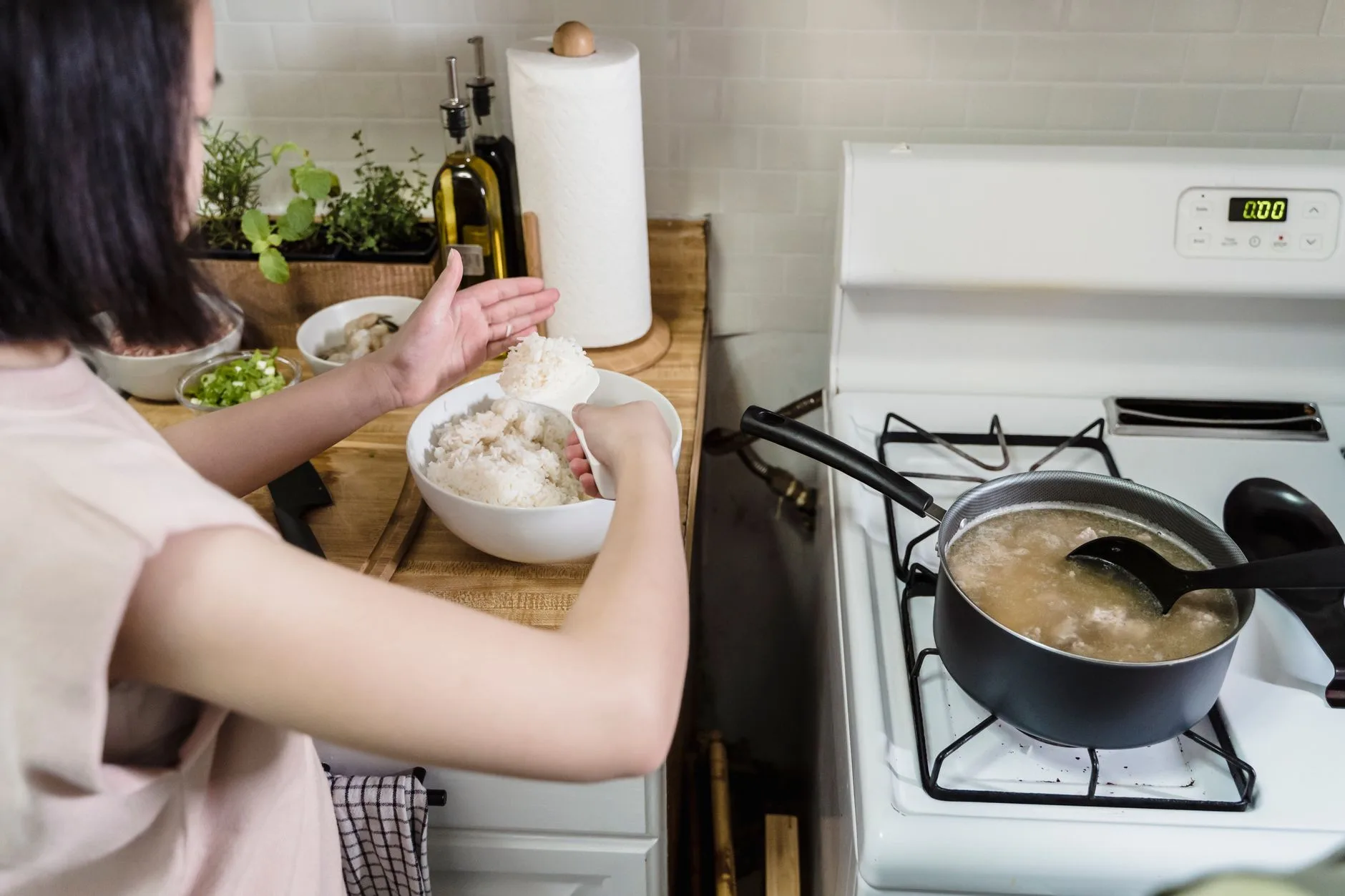
Rice cookers are convenient, but not necessarily faster than a saucepan. Panda’s and COSORI’s programmes vary by grain and quantity; Bamboo’s manual shows how specialist cycles can run from roughly half an hour to well over two hours. Brown and GABA programmes take longer because their cooking goals differ. Quick mode is useful when time matters, but a standard cycle may prioritise texture.
Keep-warm quality is about more than duration. Good holding should limit drying, crusting and condensation, but rice still needs safe handling. The UK Food Standards Agency advises keeping rice hot until it is eaten or cooling it quickly, ideally within one hour, refrigerating it, using it within 24 hours and reheating only once until steaming hot. Follow that guidance rather than treating a 24-hour appliance setting as a food-safety recommendation.
For cleaning, unplug the cooker and let it cool. Remove the bowl and any detachable inner lid or steam valve according to the manual. Use non-abrasive tools on coated bowls, wipe the heater plate rather than immersing the base, and make sure the outside of the bowl is dry before replacing it. Starch residue around a sensor or lid can affect performance and odour.
Dishwasher-safe accessories, as offered with COSORI and the Joseph Joseph set, reduce effort, but the electric base must never go in water. Ceramic-style and non-stick coatings still benefit from careful handling even where a dishwasher is permitted.
Which Rice Cooker Should You Buy?
Buy the Yum Asia Panda Mini if you want the best balance of rice programmes, adaptive control, size and everyday value. It is our clear overall winner for one to three people and the model against which the other choices should be judged.
Choose the Morphy Richards 471001 to spend less on simple family rice, Bamboo for premium induction and specialist programmes, Lakeland for the smallest automatic portions, COSORI for family-scale fuzzy-logic cooking, or Joseph Joseph when a microwave solution is more sensible than another plug-in appliance. Those are six different answers to six different needs; most readers do not need to look beyond them.
Frequently Asked Questions
Is a rice cooker worth buying in the UK?
Yes, if you cook rice often enough to value automatic switching, repeatable ratios and keep warm. It is less compelling for occasional cooks with limited storage, who may prefer the Joseph Joseph microwave set or a saucepan.
What size rice cooker is best for two people?
A 0.5–0.6L mini cooker is usually the most practical starting point for two. The Lakeland minimises size and cost; Panda adds grain-specific programmes and fuzzy logic. Check the manufacturer’s minimum and maximum markings.
Is fuzzy logic worth paying for in a rice cooker?
It is worthwhile if you cook rice regularly, use several grain types or want more consistent automated results. For occasional batches of ordinary white rice, a basic thermostatic cooker can be sufficient.
Can a rice cooker cook brown and sushi rice?
Only assume so when the exact model lists the programme. Panda and Bamboo include dedicated short-grain or sushi and brown-rice settings. A basic cooker can cook other grains, but ratios and timings require more manual adjustment.
How long can rice stay on keep warm?
Follow the cooker’s instructions and food-safety guidance rather than its maximum timer alone. The FSA advises keeping rice hot until eaten or cooling it quickly, refrigerating it, using it within 24 hours and reheating it only once.
What is the difference between a rice cooker and a multicooker?
A rice cooker is designed primarily around rice cycles and automatic warming. A multicooker prioritises a wider set of methods, often including pressure cooking. Some rice cookers add steaming or slow cooking, but that does not make them direct substitutes for every multicooker.