Meal prep gets much easier when your kitchen gear matches the way you actually cook: enough containers, one reliable knife, accurate scales, and pans that can handle four portions without sulking. You do not need a gadget cupboard. You need a small set of meal prep equipment kitchen gear that saves time on Sunday and still feels useful on a wet Tuesday night.
In This Article
- Start With the Meal Prep Equipment Kitchen Gear That Saves Time
- Storage Containers: The Bit You Notice Every Day
- Scales, Measuring Tools and Labelling
- Cooking Gear That Handles Batch Prep Without Fuss
- Knives, Boards and Prep Tools
- Fridge, Freezer and Food Safety Kit
- What I Would Buy First on Different Budgets
- Frequently Asked Questions
Start With the Meal Prep Equipment Kitchen Gear That Saves Time
The mistake is buying around the fantasy version of meal prep: matching glass bowls, a spiraliser, a vacuum sealer, and a stack of tiny pots for chia pudding. The useful version is plainer. You cook two or three base meals, portion them, cool them properly, and make them easy to reheat without turning the fridge into a puzzle.
For most UK home cooks, the first buy should be storage, then weighing, then cooking capacity. If your containers leak, your meals do not travel. If your scales are unreliable, portions drift. If your pan is too small, you spend the whole session stirring mince in two sad batches.
The core kit
Start with:
- Eight to twelve containers: enough for lunches and leftovers without washing up every night.
- Digital kitchen scales: a £10-£25 set from Argos, Amazon UK or Lakeland is plenty.
- A 24-28cm saute pan: big enough for sauces, stir-fries and mince-based meals.
- Two oven trays: one shallow tray for vegetables, one deeper tray for chicken, sausages or traybakes.
- A sharp chef’s knife and large board: boring, but it cuts more time than most appliances.
That set covers the majority of weekday prep: chilli, curry, pasta sauce, roasted vegetables, rice bowls, cooked chicken, overnight oats, chopped salad ingredients and freezer portions. It also keeps you away from the classic drawer of meal prep equipment that looked clever online and never gets used.
If you are starting from scratch, budget about £70-£120 for a sensible setup. You can spend less if you already own decent pans and a knife. You can spend far more on glass containers and premium cookware, but the return drops off quickly after the basics are covered.
Storage Containers: The Bit You Notice Every Day
Containers are where meal prep succeeds or quietly annoys you. A pan can be slightly average and still cook dinner. A bad container leaks curry into a work bag once and gets retired immediately.
Plastic, glass or stainless steel?
Plastic containers are cheap and light. Sistema, Joseph Joseph and supermarket own-brand sets usually sit around £8-£25 depending on size and quantity. They are fine for cold lunches, chopped vegetables and fridge storage, but tomato sauce stains them and cheaper lids warp in dishwashers.
Glass containers cost more, usually £20-£45 for a decent mixed set from IKEA, John Lewis, Lakeland or Amazon UK. They feel better for reheating because the base does not stain or hold smells, and you can see what is inside without playing leftover roulette. The downside is weight. Five glass lunches in a rucksack is a daft idea unless your commute counts as leg day.
Stainless steel lunch boxes are durable and good for cold food, with brands such as Black+Blum often around £25-£40 per box. I like them for salads, snacks and dry lunches, but they are not microwave-friendly, so they are less useful if your meal prep is mostly hot food.
Sizes that actually work
Do not buy a set where every tub is the wrong size in a different way. You want repeatable portions. In practice:
- 400-500ml: good for snacks, cooked rice, overnight oats, chopped fruit or sauces.
- 650-850ml: the sweet spot for most lunches and single dinner portions.
- 1-1.5 litres: useful for batch-cooked sauce, roasted veg, soup or family leftovers.
If I were buying one set today, I would choose a lock-lid glass set with mostly 700ml-ish containers, plus a few light plastic tubs for freezer odds and ends. The glass takes the daily reheating. The plastic handles backup duty.
Lids matter more than bases
Airtight clip lids are worth paying for. Press-on lids are fine in a fridge, but they are not what you want sideways in a bag. Before buying, check whether replacement lids exist. It sounds fussy until one cracked lid makes an otherwise good container useless.
For family meal prep, colour-coded lids can help too. Not in a lifestyle-blog way. More in a “that one is Charlie’s pasta and this one is tomorrow’s curry” way. A small pack of removable freezer labels costs about £3-£6 and saves more confusion than it should.
Scales, Measuring Tools and Labelling
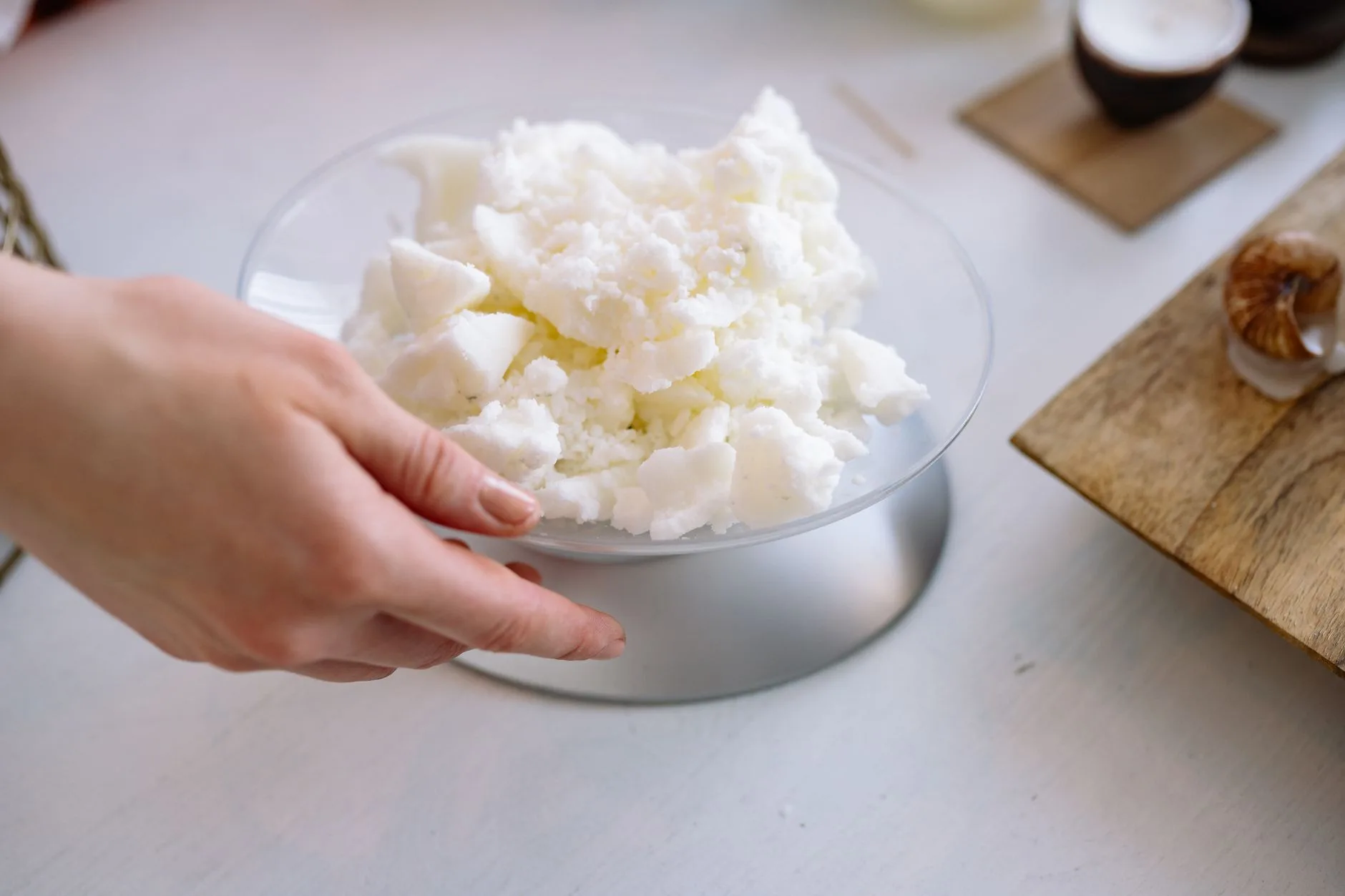
Scales are the least glamorous bit of meal prep equipment kitchen gear, but they stop portions becoming guesswork. They also make batch cooking repeatable. If last week’s chilli was right at 150g rice, 180g sauce and a spoon of yoghurt, you can do it again without thinking.
Digital scales
A basic digital scale from Salter, Taylor, Joseph Joseph or a supermarket brand costs roughly £10-£25. Look for a tare button, clear display, wipe-clean surface and 1g increments. You do not need Bluetooth scales for meal prep. You need scales that turn on quickly and do not eat coin batteries every fortnight.
For baking-heavy households, it is worth reading our guide to why kitchen scales matter because the same accuracy that helps bread and cakes also helps portioned lunches.
Measuring jugs and spoons
You can get away without measuring spoons, but a 1-litre measuring jug earns its keep. It is useful for stock, sauce, oats, pancake batter and dividing soup. Pyrex glass jugs are usually about £8-£12 and last for years if you do not drop them on a tiled floor.
Measuring spoon sets are £3-£8 from Lakeland, Dunelm, John Lewis or Amazon UK. I would not obsess over them for every meal, but they are useful for spice mixes, dressings and sauces where “a bit” becomes chaos quickly.
Labels and dates
Labelling is not just for people with label makers and strong opinions about pantry jars. If you freeze meals, label the dish and the date. Masking tape and a Sharpie costs under £5. Freezer labels cost a similar amount. Either is fine.
The Food Standards Agency chilling guidance is clear that chilled food needs to be cooled and stored properly; the practical version at home is to date tubs, avoid mystery meals, and keep the fridge cold enough that leftovers are not lingering in the danger zone.
Cooking Gear That Handles Batch Prep Without Fuss
Meal prep puts pressure on cookware because you are cooking more food than usual in fewer sessions. Tiny pans make this miserable. One good wide pan and a couple of oven trays will do more than a fancy gadget you only use once.
The pan I would prioritise
A 24-28cm saute pan with a lid is the workhorse. It handles curry bases, chilli, bolognese, stir-fries, fajita fillings and reheating leftovers. Expect to pay about £30-£70 for a decent non-stick or stainless steel option from ProCook, Tefal, John Lewis or IKEA. If you already own a good pan, do not replace it for the sake of matching your containers.
Stainless steel is harder-wearing and better for browning meat. Non-stick is easier for lower-fat cooking and quick washing up. Cast iron is lovely but heavy, and not the first thing I would buy purely for meal prep. Our cookware material guide goes deeper if you are choosing between them.
Oven trays and roasting tins
Two proper trays change the whole session. You can roast peppers, courgettes, sweet potato and chicken while rice or pasta cooks elsewhere. A basic non-stick baking tray is around £8-£15. Heavier steel trays from brands like MasterClass or Lakeland are often £15-£25 each and warp less under high heat.
Avoid relying on one giant tray for everything. Crowded vegetables steam instead of roast, then you wonder why your lunch tastes like school-dinner courgette. Two medium trays usually beat one overloaded tray.
Appliances that are worth it
An air fryer can be useful if you meal prep for one or two people. It is quick for chicken thighs, salmon fillets, tofu, potatoes and reheating. A decent dual-zone model costs roughly £120-£220, while compact models start around £60-£100. If you already own one, our air fryer cooking times guide is handy for keeping batches consistent.
A food processor is worth considering if you chop lots of vegetables, make slaws, shred cheese or batch sauces. Budget models start around £50-£80, with better Cuisinart, Magimix or Ninja models often £120-£300. I would not buy one just for meal prep until you know chopping is the part you actually hate.
Slow cookers are still good value. A 3.5-litre model is about £25-£45 from Argos or Currys, and a 6.5-litre family model is often £45-£80. They are brilliant for chilli, pulled chicken, stews and curry bases, but less useful if you want crisp roasted textures.
Knives, Boards and Prep Tools
The fastest meal prep kitchens are not full of gadgets. They have enough clear worktop, a sharp knife, a board that does not slide around, and a few small tools that remove faff.
Knife and board
If your knife is blunt, meal prep feels twice as long. A Victorinox Fibrox chef’s knife is still one of the best-value buys at about £35-£45. A ProCook or Zwilling entry-level chef’s knife usually sits around £30-£70. You do not need a £180 Japanese knife to cut peppers for lunches, though if you own one, fair enough.
Pair it with a large board, ideally at least 35cm wide. Plastic boards are cheap, dishwasher-safe and usually £8-£20. Wooden boards feel nicer but need more care and should not be used for raw chicken unless you are disciplined about cleaning. If knife choice is the weak point in your kitchen, our guide to choosing a knife set is a better next read than buying another gadget.
Small tools I actually rate
There are a few cheap bits that make repeated prep less annoying:
- Y-peeler: £4-£10, faster and safer than many straight peelers.
- Box grater: £8-£20, useful for cheese, carrots, courgette and ginger.
- Microplane-style grater: £12-£25, excellent for garlic, citrus zest and parmesan.
- Mixing bowls: £10-£25 for a nesting set, useful for seasoning vegetables before roasting.
- Silicone spatula: £5-£12, better than a wooden spoon for scraping sauces into tubs.
The one I would skip at first is a mandoline. It is fast, yes, but it is also the kitchen tool most likely to make you regret being casual. Buy one only if you will use the guard every time.
Fridge, Freezer and Food Safety Kit
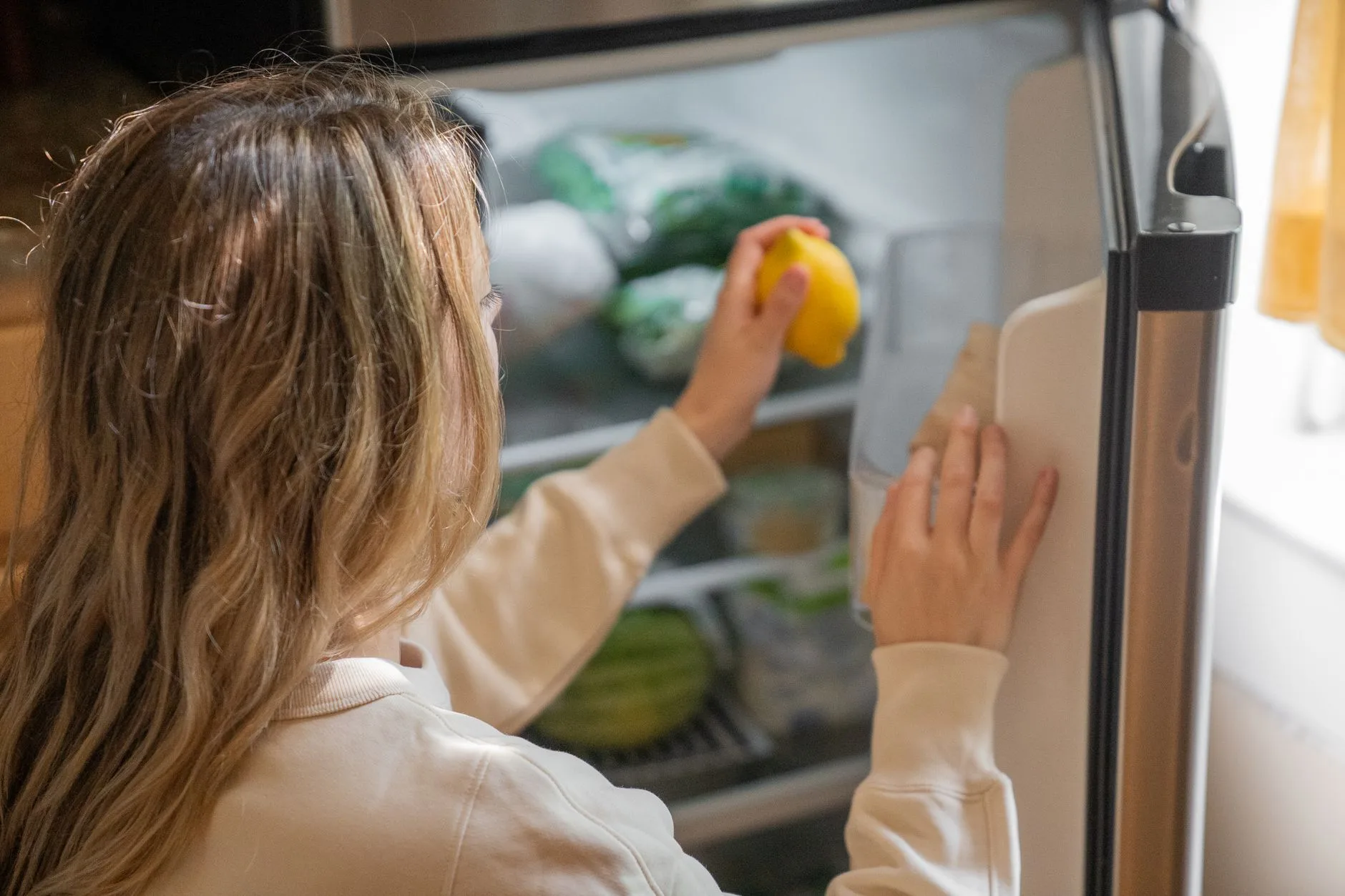
The kit does not stop once the food is cooked. Meal prep means holding food for later, and that is where cooling, fridge temperature and reheating matter.
Fridge thermometer
A fridge thermometer costs about £4-£8 and tells you whether the fridge is actually doing its job. The Food Standards Agency home food checker advises keeping chilled food at safe temperatures; in everyday terms, you want your fridge at 5°C or below, and preferably nearer 3-4°C for a bit of margin.
It is a cheap buy, especially if your fridge is older or packed tight after a big cook. Put it near the middle shelf, not jammed into the coldest corner.
Cooling space
Hot food should not sit around for hours, but loading piping-hot tubs straight into a small fridge is not ideal either. Shallow containers help food cool faster. So does dividing a big pan of chilli into portions rather than leaving it in one deep tub.
If you make soup, stew or curry, a wide shallow dish can cool food faster before portioning. You do not need specialist kit for this; a roasting tin or wide Pyrex dish does the job. The trick is remembering to use it.
Freezer planning
Freezer-safe containers should have a little headroom because sauces and soups expand. Zip freezer bags are cheap, around £2-£5 per pack, and space-efficient for sauces if you freeze them flat. Reusable silicone bags cost more, often £10-£25 each, but can be worthwhile if you use them weekly.
For a deeper routine, our guide to batch cooking and freezing meals efficiently covers the workflow. For this equipment list, the important bits are labels, flat freezing where possible, and choosing containers that stack without starting a frozen lasagne landslide.
What I Would Buy First on Different Budgets
There is no point pretending everyone needs the premium setup. A single person prepping lunches for the office needs different kit from a family cooking school-night dinners ahead.
Budget setup: about £50-£80
Buy this if you are testing the habit:
- Plastic lock-lid containers: £10-£20 for a mixed set from Sistema, IKEA or a supermarket.
- Digital scales: £10-£15 basic Salter or supermarket model.
- Large plastic chopping board: £8-£12.
- Y-peeler and box grater: £10-£20 combined.
- Freezer labels or masking tape: £3-£6.
This is enough to start. Use your existing pans and trays. If you hate the process after three weeks, you have not buried £300 in cupboard guilt.
Best-value setup: about £120-£220
This is where I think most households should land. Add a glass container set, a better knife, two heavy oven trays and a fridge thermometer. If your pan is poor, buy a 26-28cm saute pan before buying a new appliance.
My personal order would be: containers, knife, saute pan, trays, scales, labels, thermometer. It is not glamorous. It works.
This setup also fits small kitchens better than buying multiple machines. If storage is tight, our small kitchen organisation guide is worth sorting before you add more kit.
Premium setup: about £300-£600
Spend more only when you know which part of meal prep slows you down. If chopping is the bottleneck, buy a good food processor. If weekday dinners are chaotic, a dual-zone air fryer or slow cooker might help. If your main issue is reheating lunches at work, premium glass containers may matter more than any appliance.
The best premium buy is not always the flashiest one. A set of sturdy glass containers from Pyrex or Joseph Joseph, a proper chef’s knife, a ProCook or stainless steel saute pan, and a reliable food processor will beat a random collection of clever-looking gadgets.
My final answer: buy meal prep equipment kitchen gear that removes friction from the next meal, not gear that makes the cupboard look organised. Containers, scales, one good pan, sharp prep tools and safe storage kit will get you 90% of the way there.
Frequently Asked Questions
What meal prep equipment do beginners need first? Beginners need leakproof containers, digital scales, a sharp knife, a large chopping board, two oven trays and labels. That basic setup should cost about £70-£120 in the UK if you already own usable pans.
Are glass containers better than plastic for meal prep? Glass containers are better for reheating and avoiding stains, but plastic is lighter and cheaper. I would use glass for hot lunches at home or work, and plastic for freezer portions, snacks and lighter packed meals.
Do I need an air fryer for meal prep? No. An air fryer helps with quick protein, potatoes and reheating, but it is not essential. Buy containers, scales and a good pan first. Consider an air fryer later if you cook for one or two people and want faster weeknight portions.
How many meal prep containers should I buy? Most people need eight to twelve containers. That gives enough capacity for lunches, leftovers and freezer portions without filling every shelf. Choose mostly 650-850ml tubs, plus a few smaller sauce or snack containers.
What is the best budget meal prep kit? The best budget kit is a £10-£20 plastic lock-lid container set, £10-£15 digital scales, a large board, a Y-peeler, a box grater and freezer labels. Use your existing pans until you know what needs upgrading.
How long can meal prep stay in the fridge? It depends on the food, but cooked leftovers are commonly kept for a few days when cooled, covered and refrigerated properly. Use a fridge thermometer, label dates, and freeze portions you will not eat soon.