One-pot cooking works best when the pan, heat and liquid level are doing most of the work for you. The right kit is not a cupboard full of specialist gadgets; it is one dependable pot, a sensible lid, a few utensils that will not scratch it, and enough confidence to know when to simmer, roast or finish uncovered.
In This Article
- What One-Pot Cooking Actually Needs
- Best One-Pot Cooking Equipment by Job
- Choosing the Right Pan Material
- Heat, Liquid and Lid Control
- Useful Extras That Are Worth Buying
- Common One-Pot Cooking Mistakes
- A Simple One-Pot Setup for Different Budgets
- Frequently Asked Questions
What One-Pot Cooking Actually Needs
One-pot cooking is not just “throw everything in and hope”. The best one-pot meals are built in layers: brown the flavour base, add ingredients in the order they need to cook, control evaporation, then finish with texture or freshness. If the pan cannot brown, simmer and hold heat evenly, the meal starts fighting you.
For most UK kitchens, the sweet spot is a 24-26cm pan or casserole with a capacity of about 3.5-5 litres. That is big enough for chilli, risotto-style rice, curry, traybake-style pasta or four portions of stew, but not so large that onions scorch in a thin layer across the base.
The core one-pot cooking equipment tips are simple:
- Choose a wide base: more surface area means better browning and faster reduction.
- Use a lid that fits: a loose lid loses steam too quickly and makes rice or braises unreliable.
- Match the pot to the hob: induction users need a magnetic base, while gas users can get away with more shapes.
- Keep utensils gentle: silicone, wood or nylon tools protect non-stick and enamel coatings.
This is why a cheap, tall stockpot often disappoints. It boils pasta well, but it gives you a small browning area and a lot of vertical steam. Good for soup, poor for sausage casserole where the browned bits on the base are half the flavour.
Best One-Pot Cooking Equipment by Job
The most useful one-pot setup depends on what you cook most often. A family that makes chilli, curry and bolognese needs different kit from someone who mostly cooks quick noodles or creamy chicken pasta after work.
Everyday stews, curries and batch cooking
For stews and batch cooking, a 24cm cast iron casserole is still the most forgiving choice. It holds heat, moves from hob to oven, and gives you the steady simmer that makes cheaper cuts of meat and lentils behave. The downside is weight. A full 24cm casserole can be awkward to lift, especially when draining or moving it from oven to hob.
Good UK options:
- Budget: ProCook cast iron casserole, usually about £69-£89 direct from ProCook.
- Mid-range: Denby or MasterClass enamelled casserole, often £80-£130 from Amazon UK or John Lewis.
- Premium: Le Creuset Signature 24cm round casserole, commonly £220-£285 depending on colour and offers.
I would buy the ProCook first unless you care about the long warranty, colour choice and nicer enamel finish of Le Creuset. For actual Tuesday-night food, the cheaper pan gets you most of the way there.
Quick pasta, rice and weekday meals
For one-pot pasta or rice, stainless steel is easier to live with than cast iron. A 24cm saute pan with a lid gives you a wide base for onions and mince, then enough volume for stock, pasta or rice. Look for a thick base and oven-safe handles if you want to finish under the grill.
Expect to pay around £35-£60 for a decent stainless steel saute pan from John Lewis, Argos or Amazon UK. The Tefal Jamie Oliver stainless steel saute pan and the ProCook Professional Steel range are both sensible mid-market choices. If you already have a good frying pan and saucepan, this is the one extra pan that changes how often you cook one-pot meals.
Soups, stocks and big family portions
A 6-8 litre stockpot earns its place if you make soup, broth, pasta for five, or batch-cooked sauces. It is less useful for browning because the base is usually narrower, so I would not make it your only one-pot pan.
Budget stainless steel stockpots from IKEA, Dunelm or Amazon UK start around £18-£30. Spend nearer £45-£70 if you want a thicker base that will not hotspot on induction. If you have a small hob, check the base diameter before buying; an enormous pot on a small ring cooks slowly and unevenly.
Oven-first one-pot meals
For oven bakes, a metal roasting tin is better than a deep casserole. Chicken thighs, sausages, gnocchi, potatoes and veg need air around them. Put them in a deep pot and they steam. Put them in a shallow tin and they roast.
A heavy roasting tin from Lakeland, John Lewis or ProCook costs about £20-£45. Non-stick versions are easier to clean, but plain stainless steel or hard anodised aluminium handles higher heat and scraping better. If you do a lot of sheet-pan dinners, this sits alongside your casserole rather than replacing it.
Choosing the Right Pan Material
Pan material changes how one-pot meals behave. It affects browning, cleaning, weight, oven use and metal-utensil tolerance. This is where a lot of wasted money happens.
Cast iron
Cast iron is best for slow, steady food: chilli, braises, dal, beef stew, chicken casserole and no-knead bread. It is less good for quick one-pot pasta because it takes longer to heat and cool. If the sauce is getting too thick, cast iron keeps pushing heat into the food even after you turn the hob down.
The good bits are excellent heat retention and a proper oven-to-table feel. The bad bits are weight, enamel chips if abused, and the need to avoid thermal shock. Do not take a hot enamelled casserole and run cold water into it. That is how you turn a £200 pan into an expensive lesson.
Stainless steel
Stainless steel is the practical all-rounder. It browns well once hot, handles acidic tomato sauces, tolerates metal spoons better than non-stick, and usually goes in the dishwasher. It is also lighter than cast iron.
The catch is sticking. You need enough oil, enough heat before adding food, and patience before moving meat. If chicken sticks hard, it usually needs another minute. Once browned, it releases more cleanly. Based on cooking with stainless pans, the first week is the annoying week; after that you stop treating it like non-stick and it becomes much easier.
Non-stick
Non-stick is useful for risotto-style dishes, eggs, delicate fish and sticky sauces, but it should not be your only one-pot pan. It dislikes high heat, metal utensils and aggressive browning. Cheap non-stick pans also warp, especially on induction.
If you buy one, choose a heavier saute pan with a lid rather than a thin frying pan. Expect £30-£55 for a decent Tefal, Ninja or Circulon option from Argos, John Lewis or Amazon UK. Replace it when the coating is scratched or flaking. No stew is worth eating bits of coating.
For a broader cookware comparison, KitchenGearUK already has a full guide to cast iron, non-stick and stainless steel cookware, plus a separate explainer on induction-compatible cookware if your hob is the limiting factor.
Heat, Liquid and Lid Control
The pan matters, but technique decides whether one-pot cooking tastes layered or flat. Most weak one-pot meals go wrong because everything is boiled at the same intensity from start to finish.
Start hotter than you finish
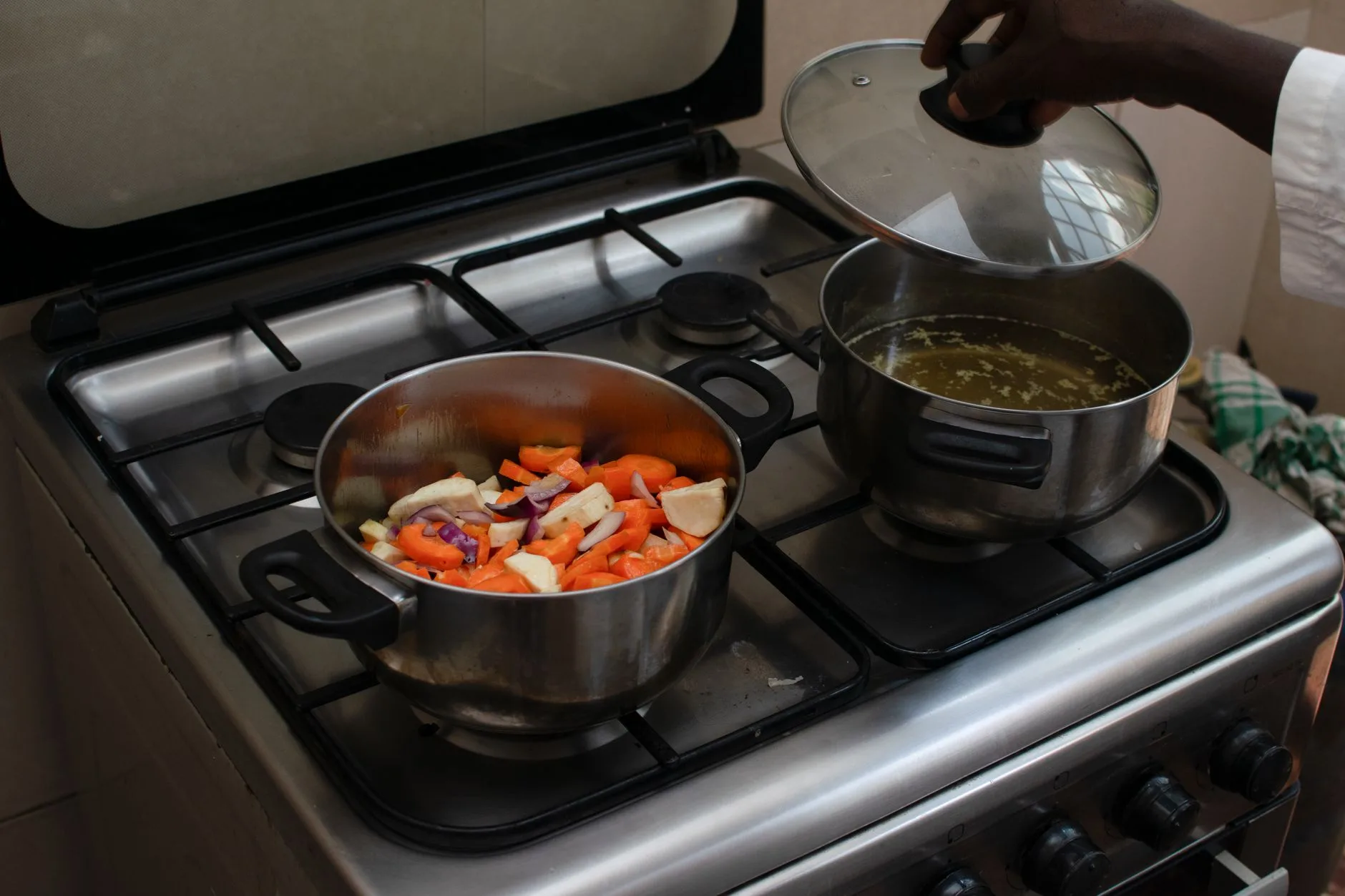
Begin with enough heat to brown onions, meat, mushrooms or spices. That might mean medium-high heat for the first 6-10 minutes. Once liquid goes in, drop to a steady simmer. A rolling boil toughens meat, breaks up potatoes and turns pasta cloudy before it is cooked.
For food safety, especially with chicken, sausages and reheated leftovers, the Food Standards Agency cooking guidance is the sensible reference point: food needs to be cooked until it is steaming hot all the way through, with no pink meat where that applies.
Add liquid in stages
Recipes often pretend liquid is exact. It rarely is. Hob size, lid fit, pasta shape, rice type and pan width all change evaporation. Add slightly less stock than you think, then top up with boiling water if needed.
For one-pot pasta, a good starting point is 750-850ml liquid for 300g pasta, depending on sauce thickness and pan width. For rice, start around 1.5 parts liquid to 1 part rice by volume for long-grain rice, then adjust after testing your own pan. Brown rice needs more time and more liquid; do not treat it like basmati.
Use the lid deliberately
The lid is not just on or off. Use it like a control:
- Lid on: traps steam, cooks rice and potatoes through, keeps meat moist.
- Lid ajar: reduces slowly without spitting everywhere.
- Lid off: thickens sauce, crisps edges in the oven, concentrates flavour.
If a one-pot meal tastes watery, do not add more seasoning first. Take the lid off and reduce it for five minutes. Concentration often fixes what salt cannot.
Useful Extras That Are Worth Buying
Most one-pot cooking extras are cheap, but they save annoyance. You do not need all of them on day one.
Utensils that protect the pan
A silicone spoon, flexible spatula and sturdy wooden spoon cover nearly everything. Budget £8-£20 for a set from IKEA, Dunelm, Lakeland or Amazon UK. Avoid very bendy spatulas for heavy stews; they twist when scraping the base.
A proper trivet and oven gloves
If you use cast iron, buy a heatproof trivet and gloves that actually cover your wrists. A Le Creuset-style casserole stays hot for ages. Thin tea towels are how lids get dropped and wrists get burned. Decent silicone gloves cost around £12-£25, and a cork or silicone trivet is usually under £10.
Measuring jug and digital scales
One-pot cooking is more repeatable when you measure the first few times. A 1 litre measuring jug costs about £5-£12. Digital kitchen scales cost £10-£25 and help with rice, pasta and protein portions. We have a separate KitchenGearUK piece on why kitchen scales matter for home cooking, and this is exactly the sort of cooking where they pay for themselves.
Freezer containers
If you batch cook, buy containers before you cook. Sounds obvious, but half the reason leftovers die in the fridge is that nobody has a clean box ready. Sistema, IKEA 365+ and Lakeland containers are usually £2-£8 each depending on size. Pick square or rectangular boxes because they stack better in UK freezer drawers.
Cool leftovers quickly, portion them, and get them into the fridge or freezer rather than leaving the pot on the hob for hours. The Food Standards Agency chilling guidance is useful here, especially if you batch cook meat, rice or dairy-based sauces.
Common One-Pot Cooking Mistakes
The common mistakes are not fancy. They are the small habits that make one-pot cooking taste boiled, greasy or muddy.
Crowding the pan before browning
If you add 800g mince to a small pan, it will steam in its own liquid. Brown in two batches or use a wider pan. The difference is not subtle. Browned mince tastes savoury; grey mince tastes like school dinner filling.
Adding delicate ingredients too early
Peas, spinach, herbs, cream, prawns and soft veg should usually go in near the end. They do not need 35 minutes. Add spinach in the final minute, frozen peas for the last 3-4 minutes, and cream after the main simmer has calmed down.
Using the wrong pot for acidic food
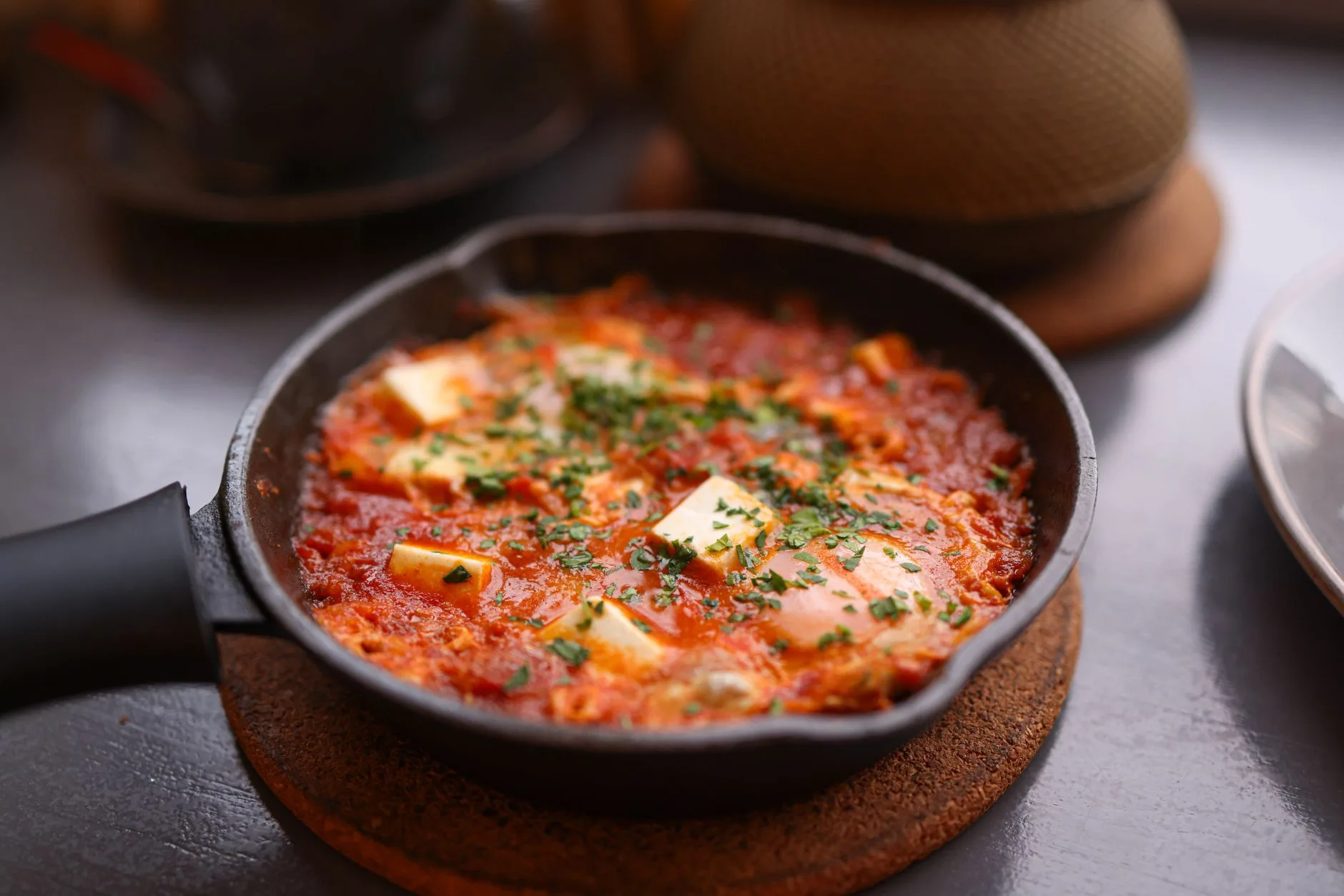
Tomato-heavy sauces are fine in enamelled cast iron or stainless steel. They are less friendly to bare cast iron, and they can expose weaknesses in cheap non-stick. If your one-pot cooking is mostly chilli, shakshuka, pasta sauce and curry, enamel or stainless steel makes life easier.
Forgetting texture
One-pot meals can become soft-on-soft. Add texture at the end: toasted breadcrumbs, grated Parmesan, chopped herbs, lemon zest, spring onions, pumpkin seeds or a spoonful of yoghurt. A £1 lemon can do more for a heavy stew than another £5 spice jar.
A Simple One-Pot Setup for Different Budgets
If I were building a one-pot setup from scratch, I would not buy five pans. I would pick one main pan, one backup tool and one storage option.
Under £50
Buy a stainless steel lidded saute pan for about £35-£45 from Argos, Amazon UK or John Lewis, then add a £5 wooden spoon and a couple of freezer containers. This is the best value route for renters, students and small kitchens.
You will not get the slow-cooking depth of cast iron, but you can make one-pot pasta, curry, rice, risotto-style meals, mince dishes and soups. Check the base is induction-compatible if needed.
Around £100
Buy a mid-range enamelled casserole or a heavier stainless steel saute pan, then add silicone utensils and a proper measuring jug. This is the setup I would recommend for most homes.
At this budget, the ProCook cast iron casserole or a good stainless saute pan gives you enough performance without tying up £250 in one piece of cookware. If you already own a good non-stick frying pan, lean towards cast iron or stainless steel so the new pan adds a different job.
£200+
Buy premium only if you will use it weekly and keep it for years. Le Creuset, Staub and higher-end stainless pans feel nicer, clean better and often hold up for longer, but they do not magically make dinner taste better if the heat and liquid control are wrong.
If money were no object, I would choose a 24cm Le Creuset or Staub casserole for slow food, plus a stainless steel saute pan for quick one-pot pasta and rice. That covers nearly every family one-pot meal without turning the kitchen into a cookware showroom. For broader appliance-heavy prep, the meal prep equipment guide pairs well with this setup.
The final pick: for most people, the best one-pot cooking equipment is a 24-26cm lidded pan with a wide base. Choose stainless steel if you want light, quick weekday flexibility. Choose enamelled cast iron if you cook stews, curries and batch meals more often. Add silicone utensils, a measuring jug, digital scales and stackable freezer containers before you spend money on specialist gadgets.
My pick for value is a ProCook-style enamelled casserole around £80, backed up by a stainless saute pan if you cook pasta or rice dishes often. Spend more on Le Creuset or Staub only if you love using heavy cookware and will keep it out of the cupboard. Good one-pot cooking is mostly about control, not showing off the pan.
Frequently Asked Questions
What size pan is best for one-pot cooking? A 24-26cm pan or casserole with a 3.5-5 litre capacity suits most UK households. It is wide enough for browning but still manageable when full.
Is cast iron or stainless steel better for one-pot meals? Cast iron is better for slow stews, curries and oven braises. Stainless steel is better for quick pasta, rice and weekday hob cooking.
Can I use a stockpot for one-pot cooking? Yes, but it is best for soups, boiling and large batches. For browning meat or reducing sauces, a wider casserole or saute pan works better.
How much should I spend on one-pot cooking equipment? Around £50 buys a good starter saute pan. Around £80-£120 gets a stronger casserole or stainless pan. Premium cast iron can cost £220+, but it is not essential.
Do I need a non-stick pan for one-pot cooking? Not usually. Non-stick helps with sticky rice or delicate food, but stainless steel or enamelled cast iron is more versatile for browning and simmering.
What one-pot cooking equipment tips matter most for beginners? Start with a wide lidded pan, measure liquid carefully, brown ingredients before simmering, and use gentle utensils that suit your pan material.