You’ve just pulled a knife through an onion and the board’s slid halfway across the worktop, the knife’s skidded on the surface, and there’s a gouge in the board that looks like it’ll harbour bacteria until the end of time. If that sounds familiar, you’re probably using the wrong chopping board — or at least one that’s not suited to how you actually cook.
It’s the kind of thing nobody thinks about until it annoys them. After testing over a dozen boards across different materials and price points, we can tell you the differences are real and worth caring about. A chopping board is a chopping board, right? Except it’s the single most-used tool in your kitchen. More than your favourite pan, more than your kettle (well, maybe not the kettle — this is Britain). You use it every time you cook. And the difference between a good one and a bad one affects your food safety, your knives, your worktops, and your sanity.
So let’s break this down properly — what each material actually does well, what it doesn’t, and which one you should buy based on how you cook and the kitchen you’ve got.
The Four Main Materials
Wood
Wood is the classic. There’s a reason every chef on telly has a thick wooden board on the counter, and it’s not just aesthetics. Wood is naturally antibacterial — research from the Food Standards Agency confirms that the fibres draw bacteria down below the surface where they die rather than sitting on top waiting to contaminate your food. Studies from the University of California (the ones food safety people always cite) found that wooden boards were actually more hygienic than plastic ones after repeated use.
A good hardwood board — oak, beech, walnut, or maple — is kind to your knives. The wood yields slightly under the blade, which means your knife edge lasts longer between sharpenings. It also feels right. There’s a satisfying weight to a wooden board, a solidity that makes chopping feel like cooking rather than a chore.
The downsides? Wood needs more care than plastic. You can’t put it in the dishwasher. It needs oiling occasionally (food-grade mineral oil, about £6 from Amazon UK — one bottle lasts years). And it can warp if you soak it or leave it wet. But these are minor trade-offs for a board that will last 15-20 years if you treat it decently.
Best for: Everyday chopping, bread, fruit, veg, herbs, cooked meats. Your main board should probably be wood.
Plastic (Polypropylene)
Plastic boards are cheap, dishwasher-safe, and come in colour-coded sets for food safety. That’s their appeal, and it’s a genuine one — there’s a lot to be said for throwing a board in the dishwasher after handling raw chicken.
But plastic has problems that aren’t always obvious. Once a plastic board gets deep knife grooves — and they get them fast — bacteria harbour in those cuts and even the dishwasher can’t reach them. Research from the same UC Davis food science department found that heavily scarred plastic boards were harder to clean than wooden ones. The solution is to replace them regularly, which most people don’t do.
Plastic boards are also terrible for your knives. The surface is harder than it feels, and blades dull faster on plastic than on wood or bamboo. If you’ve invested in a decent chef’s knife (and you should), a plastic board is working against you.
That said, keeping one or two plastic boards specifically for raw meat is smart. They’re cheap enough to replace every year, and you can run them through the dishwasher on a hot cycle after every use. Just don’t make them your only board.
Best for: Raw meat and poultry. Colour-coded sets for food hygiene. Situations where you need to sterilise in the dishwasher frequently.
Bamboo
Bamboo sits somewhere between wood and plastic. It’s harder than most hardwoods, which means it’s more durable and resists knife marks — but that hardness also means it’s less forgiving on your knife edge. Think of it as the compromise option: better than plastic for knives, not quite as good as a quality hardwood.
Bamboo is technically a grass, not a wood, which is why it’s often marketed as the eco-friendly choice. It grows fast, doesn’t need replanting, and the manufacturing process uses less energy than hardwood boards. If sustainability matters to you, bamboo has a genuine edge here.
The main weakness is moisture. Bamboo absorbs water faster than hardwood and is more prone to cracking and splitting if it’s not looked after. Oil it regularly (same mineral oil as wooden boards) and never leave it sitting in water. Cheap bamboo boards — the ones for £5 in the supermarket — tend to be made from small strips glued together, and those glue joints are the first thing to fail.
Best for: An affordable step up from plastic. Good if sustainability is a priority. Works well as a secondary board.
Glass and Marble
Let’s get this out of the way: glass chopping boards are awful. Every chef, every kitchenware expert, every person who cares about their knives will tell you the same thing. Glass destroys knife edges instantly. That horrible scraping noise when you chop on glass? That’s the sound of your blade being wrecked.
Glass boards are sold because they look nice and they’re easy to clean. That’s it. They’re impractical for actual cooking. Your knife slides on the surface, making chopping less precise and more dangerous. They’re noisy. And they have zero give, which means all the force of your chopping goes into your wrist and elbow.
If someone bought you a glass chopping board as a gift (it happens a lot), repurpose it as a trivet for hot pans or a serving board for cheese. Don’t chop on it.
Marble and granite boards have similar problems — they’re too hard for knives and things slide around on them. They do have one use: pastry. The cold surface is genuinely helpful for rolling pastry because it stops the butter melting. But for daily chopping, avoid them.
Best for: Glass — nothing, . Use as a trivet. Marble — pastry work only.
Food Safety: Colour Coding
If you’ve ever worked in a commercial kitchen, you’ll know about colour-coded boards. It’s a system designed to prevent cross-contamination, and while it’s a legal requirement for restaurants, it’s a smart practice at home too — especially if anyone in the household has allergies or you’re cooking a lot of raw meat.
The standard UK colour coding (BS EN standard, used across commercial kitchens) is:
- Red — raw meat
- Blue — raw fish
- Yellow — cooked meats
- Green — salad and fruit
- Brown — vegetables
- White — dairy and bakery
You don’t need all six at home. Most households do fine with two or three:
- One for raw meat and fish (red or blue plastic, dishwasher-safe)
- One for everything else (a good wooden board)
- Optionally, one for bread (wood, kept dry — bread boards barely need washing)
The point isn’t to replicate a restaurant kitchen. It’s to make sure your raw chicken board never accidentally becomes your salad board. A simple system you actually follow is better than a complex one you ignore.
Knife-Friendliness: Why It Matters More Than You Think
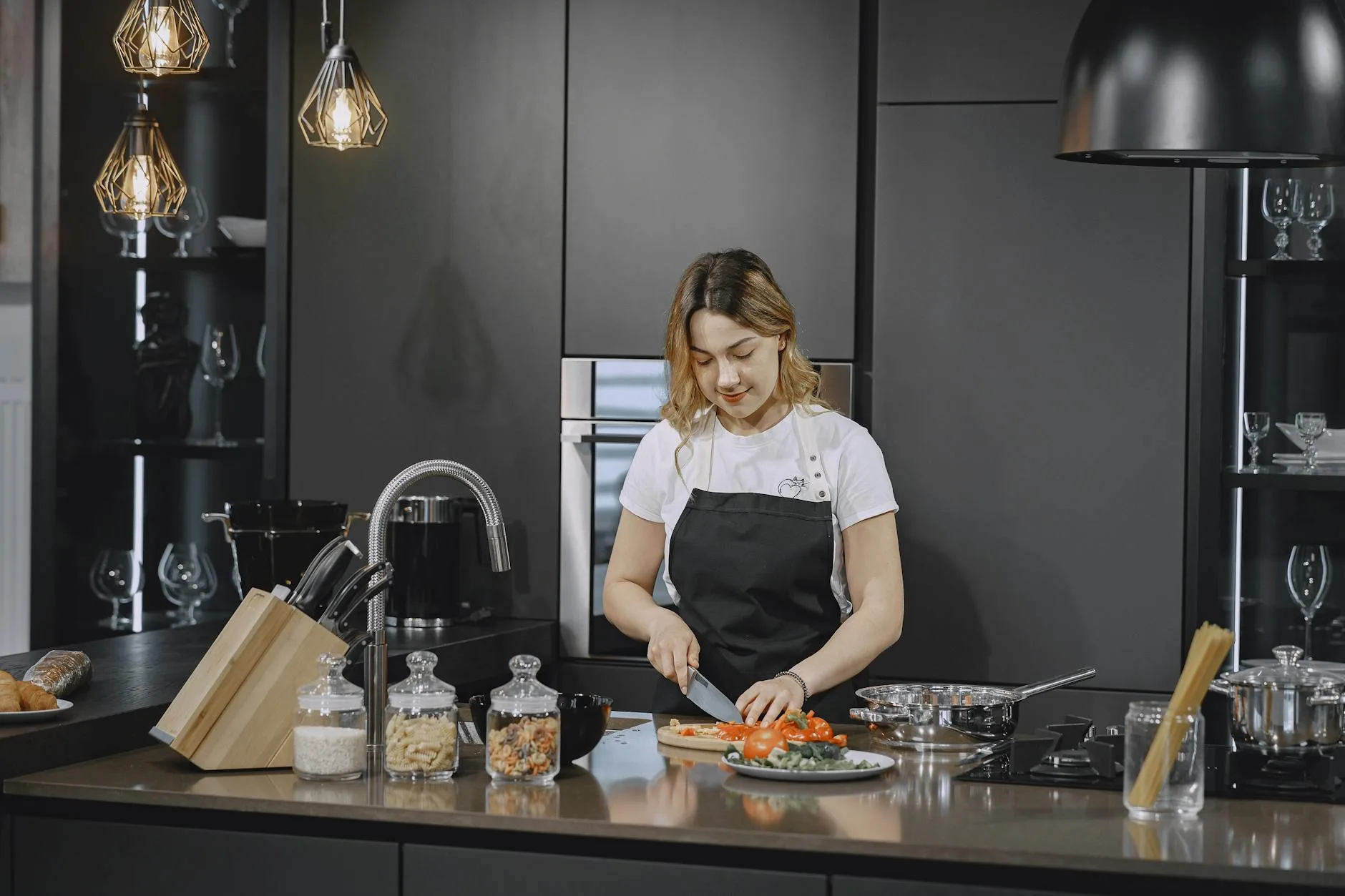
Your chopping board is the surface your knife hits thousands of times a year. The material of that surface directly determines how often you need to sharpen your knives and how long they last overall.
Here’s the rough ranking, from most knife-friendly to least:
- End-grain wood — the gold standard. The fibres separate and close around the blade, almost self-healing. Barely dulls your knife at all.
- Edge-grain wood — still very good. The blade cuts across the fibres, which offers decent give.
- Bamboo — harder than wood, so slightly more dulling, but still reasonable.
- Plastic — harder than it seems. Dulls blades noticeably faster than wood.
- Glass/marble/granite — destroys edges immediately. One session of chopping on glass can undo a professional sharpening.
If you’ve spent £50+ on a decent knife — a Victorinox Fibrox, a Robert Welch Signature, anything from Kai or Zwilling — using it on a glass board is like buying nice shoes and walking through gravel. A good board paired with a quality knife makes meal prep faster and safer, which is why we recommend sorting your cookware and board together. The board and the knife should work as a pair.
Size Guide: Matching Your Board to Your Kitchen
Board size trips people up. Too small and you’re constantly moving chopped veg aside to make room. Too big and it doesn’t fit in the sink, hangs over the worktop edge, or won’t go in the dishwasher.
Small (25 x 20cm): Good for quick jobs — slicing a lemon, cutting cheese, halving an avocado. Every kitchen needs one of these for the small tasks that don’t warrant getting the big board out.
Medium (35 x 25cm): The standard size that works for most people. Big enough to chop an onion without bits rolling off the edge. Fits in a standard sink for washing. This is probably your daily driver.
Large (45 x 30cm or bigger): For serious cooking — dicing a whole butternut squash, carving a roast chicken, prepping multiple vegetables for a stew. If you’ve got the worktop space, a large board makes cooking faster because you’re not constantly clearing it.
Think about your worktop. In a galley kitchen or a small flat, a 45cm board might be impractical — there’s nowhere to put it while you’re cooking everything else. Measure your available space before buying. A board that’s too big for your kitchen ends up propped against the wall, unused.
Think about storage. Thick wooden boards need to stand upright or lie flat — they’re too heavy for most wall-mounted racks. Thin boards can hang or slot into a rack. If storage is tight, a thinner board (2-3cm) is more practical than the trendy 5cm butcher’s block style.
Think about your sink. If your board doesn’t fit in the sink, washing it becomes a hassle, and hassle means you won’t wash it properly. Measure your sink width before buying a large board.
Our Picks: The Best Chopping Boards in the UK
Best Everyday Board: John Lewis End-Grain Acacia Board
About £35-40 from John Lewis. This is the one I’d tell most people to buy. End-grain acacia, so it’s kind to your knives and naturally durable. It’s heavy enough to stay put on the worktop without a damp cloth underneath, and the size (about 38 x 28cm) is right for most tasks. Acacia is a hardwood that handles moisture well — it’s less prone to warping than beech or oak. John Lewis gives you a decent returns policy too, which matters when you’re spending £40 on a board.
Best Budget Board: ProCook Beech Chopping Board
About £15-20 from ProCook. European beech, edge-grain construction, and well-finished for the price. It’s lighter than the acacia end-grain boards, which is actually a plus if you’re moving it in and out of cupboards regularly. ProCook’s quality control is good — I’ve not seen the split-after-six-months problem that plagues cheap boards from unknown Amazon brands. The medium size (35 x 25cm) is the one to get.
Best Colour-Coded Set: Joseph Joseph Index Boards
About £30-35 from Amazon UK or John Lewis. The classic colour-coded set in a neat storage case. These are plastic (polypropylene), thin, and dishwasher-safe. The case keeps them organised and upright, which solves the storage problem. They’re not amazing for your knives, but that’s true of all plastic boards. For food hygiene — especially if you’re cooking raw meat regularly — they’re the most practical option on the market. The case takes up about the same footprint as a toaster.
Best Premium Board: Boos Block Maple Board
About £120-150 from Amazon UK. If you want the board for life — the one you pass down — John Boos makes the finest end-grain maple boards available. Two inches thick, incredibly heavy, self-healing surface that actually looks better with age. The price is steep, but you’ll never buy another chopping board. Maple is the wood of choice for professional butcher’s blocks for a reason: it’s hard enough to resist deep gouges but soft enough to spare your knives. Oil it monthly and it’ll outlast your kitchen.
Best for Small Kitchens: ProCook Compact Bamboo Board
About £10-12 from ProCook. If worktop space is at a premium — and in most British kitchens, it is — this compact bamboo board (30 x 20cm) is surprisingly functional for a small board. It fits in any sink, stores in a drawer, and handles everyday prep. Not the one for carving a roast, but perfect for the flat or small kitchen where every centimetre counts.
Honourable Mention: Epicurean Kitchen Series
About £25-30 from Amazon UK. Made from compressed wood fibre (the same material as Richlite worktops). These are thin, lightweight, dishwasher-safe, and gentler on knives than plastic. They look like a cross between wood and plastic and perform somewhere between the two. If you want the convenience of plastic with better knife-friendliness, these are worth considering.
Care and Maintenance
Wooden and bamboo boards: – Wash by hand with hot soapy water immediately after use. Don’t soak. – Dry upright so air circulates on both sides (this prevents warping). – Oil every 4-6 weeks with food-grade mineral oil. Apply a thin coat, leave overnight, wipe off the excess. – Sand out deep cuts or stains with fine sandpaper (120 grit), then re-oil. – Replace if the board cracks through, warps badly, or smells even after cleaning (that means bacteria have taken hold).
Plastic boards: – Dishwasher on a hot cycle (65°C+) after raw meat. – Replace when deeply scored — those grooves are bacterial hiding spots. – Budget about £10-15 per year for replacements. It’s cheap insurance.
The damp cloth trick: Place a damp tea towel or a sheet of damp kitchen roll under any board before chopping. It stops the board sliding and costs nothing. This single tip makes more difference to your chopping experience than any expensive board ever will.
So Which One Should You Buy?
For most people, the answer is simple: one good wooden board as your daily workhorse, plus one plastic board for raw meat. That covers 95% of home cooking needs. Spend £30-40 on the wooden board and £10-15 on a couple of plastic ones. Replace the plastic boards yearly.
If you cook a lot and have the budget, add an end-grain board for knife-heavy prep work and keep the edge-grain one for serving (cheese boards, bread, charcuterie). And if you’re getting into cooking more, our air fryer recipes for beginners are a great place to start.
If you’re in a small kitchen, start with one medium board (35 x 25cm) in wood or bamboo. Add a compact plastic one for raw meat. That’s it. Two boards, job done.
The one thing I’d avoid? Buying a ten-piece set from a brand you’ve never heard of on Amazon. Those budget sets are made from cheap wood that warps, cheap plastic that scores instantly, and bamboo that splits at the seams. Buy fewer boards but buy them well. A £35 board that lasts a decade is better value than a £15 set you replace every year.
Your chopping board is the foundation of everything you cook. Get it right once and you won’t think about it again for years — which, for something you use every single day, is exactly how it should be.
Keep reading on KitchenGearUK: How to Make Non-Stick Pans Last Longer, Best Cast Iron Casserole Dishes 2026 UK: Le Creuset & Alternatives, Best Non-Stick Frying Pans 2026 UK: Ceramic & PTFE Tested, How to Choose a Knife Set: Materials, Types & Budget.
Frequently Asked Questions
What chopping board material is most hygienic? Plastic, wood and composite boards can all be hygienic if cleaned and dried properly. The key is avoiding deep cuts, washing after raw food, and using separate boards where possible.
Should I use separate chopping boards? Yes. Use separate boards for raw meat or fish and ready-to-eat foods such as bread, salad and fruit to reduce cross-contamination risk.
When should a chopping board be replaced? Replace it when it has deep grooves, persistent smells, warping or staining that does not clean out properly.
What should I check first with How to Choose the Right Chopping Board? Start with the real use case, then check size, compatibility, running costs and maintenance. A product that looks good on paper can still be the wrong fit if it does not suit the room, routine or budget.
How do I avoid wasting money on How to Choose the Right Chopping Board? Avoid buying on one headline feature alone. Compare the practical details, read the warranty or returns terms, and choose the option that solves your main problem rather than the one with the longest specification list.