Baking trays and tins are the bit of kitchen kit people overbuy in sets, then underuse for years. You do not need a cupboard full of novelty tins, but you do need a few solid pieces that fit your oven, heat evenly and do not warp halfway through roast potatoes. For most UK kitchens, the right answer is two sturdy oven trays, one deeper roasting tin, two round sandwich tins, a loaf tin and a muffin tray if you bake often.
In This Article
- The Short Version
- Start with Two Proper Oven Trays
- Add the Cake Tins You Will Actually Use
- Choose Materials by Job, Not by Marketing
- Specialist Tins Worth Buying Later
- What to Skip, Store or Replace
- A Sensible Baking Trays and Tins Guide for UK Buyers
- Frequently Asked Questions
The Short Version
If I were setting up a normal kitchen from scratch, I would buy fewer pieces and buy them better. The sweet spot is not a 12-piece bakeware set with three tins you will never touch. It is a small group of reliable sizes that handle biscuits, traybakes, roast veg, loaf cakes, birthday cakes and batch cooking.
The core kit I would buy first
Start with this:
- Two flat or shallow oven trays: about £8-£25 each from John Lewis, ProCook, Lakeland, Dunelm or Amazon UK.
- One deeper roasting tin: about £12-£35, useful for traybakes, roast chicken portions and saucier dinners.
- Two 20cm round sandwich tins: about £8-£18 each, or £15-£30 for a pair.
- One 2lb loaf tin: about £8-£18 for banana bread, meatloaf, tea loaf and small batch bread.
- One 12-hole muffin tin: about £10-£25 if you make muffins, Yorkshire puddings, mini frittatas or lunchbox bakes.
That is enough for most households. Add a square brownie tin if you bake bars and traybakes often. Add a springform tin only if cheesecakes, deep cakes or tarts are a regular thing. Everything else can wait.
Why sets are often poor value
Bakeware sets look tidy online because the price-per-piece sounds low. The problem is that the useful pieces wear out first and the odd shapes sit at the back of the cupboard. I have seen too many kitchens with a scratched roasting tin, one decent tray and four pristine loose-bottom tins that last saw daylight during a lockdown banana-bread phase.
The other issue is thickness. Cheap sets often use thin carbon steel. It looks fine on the shelf, then flexes at 220°C. Once a tray warps, oil pools at one end, biscuits bake unevenly, and parchment slides about. A smaller number of heavier pieces is a better buy.
Start with Two Proper Oven Trays
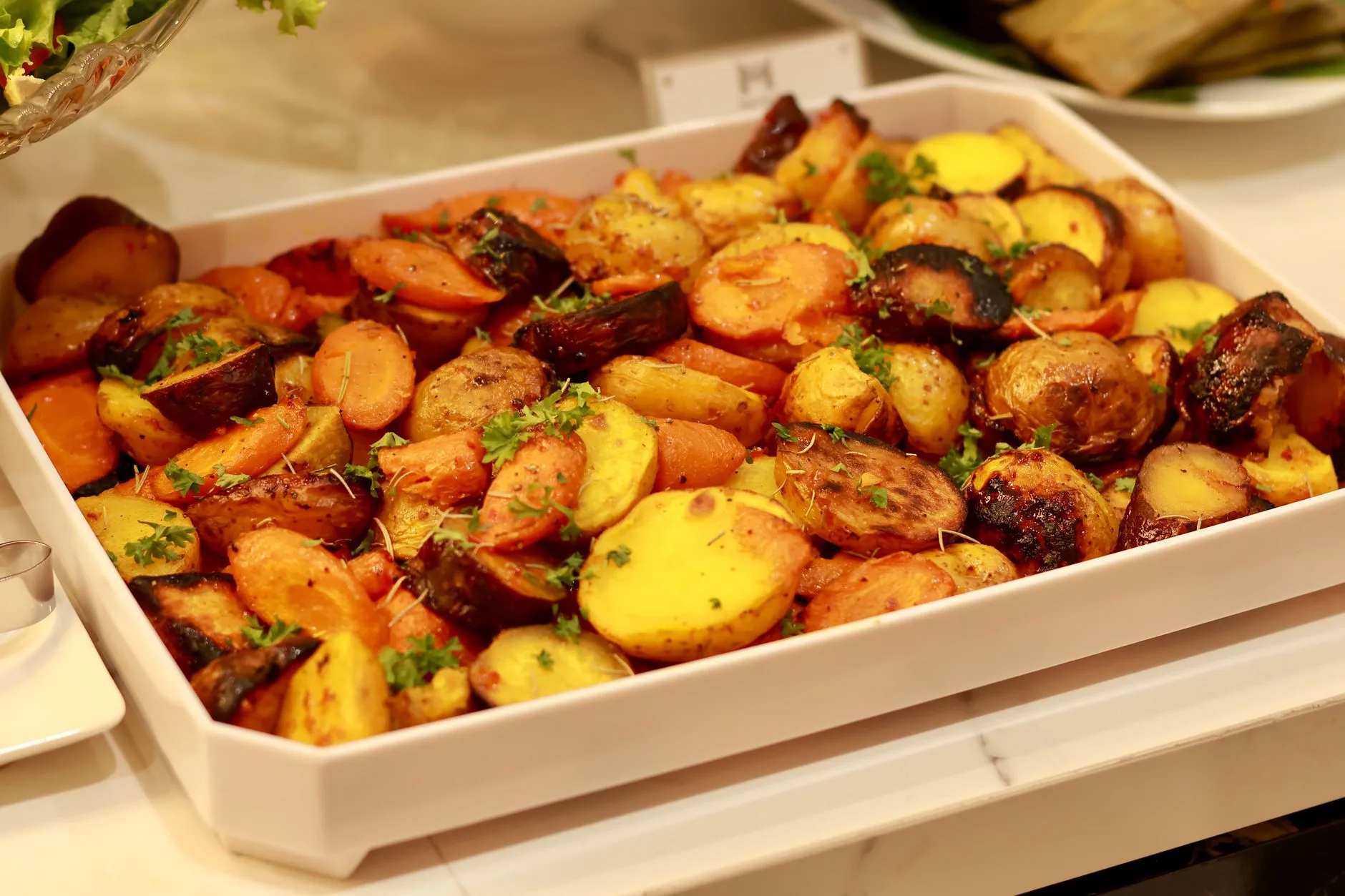
Oven trays do the weekly work. Chips, roast vegetables, biscuits, fish fingers, garlic bread, granola, chicken thighs, reheated pizza: this is the kit that gets dragged out when nobody wants a complicated dinner.
Why two trays beat one large tray
One huge tray sounds efficient, but it often crowds the oven and blocks airflow. Two medium trays are more flexible. You can spread food out, swap shelves halfway through cooking, and use one tray for savoury food while the other is free for biscuits or pastry.
For a standard UK built-in oven, a tray around 35-40cm wide and 25-30cm deep usually works. Measure the oven cavity before buying. Include the shelf rails, not just the door opening. A 41cm tray that technically fits but scrapes the sides every time is not a bargain.
Flat sheet, shallow tray or roasting tin?
The names get muddled, but the differences matter:
- Flat baking sheet: best for biscuits, meringues, pastry and anything you want to slide off easily.
- Shallow lipped tray: the best everyday option for most homes because it handles baking and roasting.
- Deep roasting tin: better for meat, saucy traybakes and vegetables that release liquid.
If you only buy two, make them shallow lipped trays. They are the most useful middle ground. A flat sheet can come later if you bake biscuits every week.
What thickness feels right
Pick up the tray if you are buying in store. If it twists easily in your hands, it will not improve in a hot oven. Heavier-gauge carbon steel trays from ProCook, MasterClass, Lakeland, Circulon and John Lewis usually start around £10-£25. Premium aluminium or hard-anodised trays can run from £25 to £45.
The live Best Baking Trays and Sheets 2026 UK guide goes deeper on named models. This article is the plainer decision: buy two sturdy everyday trays before you buy clever specialist tins.
Add the Cake Tins You Will Actually Use
Cake tins are where cupboard clutter gets silly. People buy heart tins, bundt tins, loose-bottom tart tins and tiny pudding moulds before they have a decent pair of sandwich tins. Unless you bake for school fairs every month, start basic.
Two 20cm sandwich tins
Two 20cm round sandwich tins are the safest first cake-tin purchase. They suit Victoria sponge, chocolate cake, carrot cake and most family birthday cakes. A pair of loose-bottom or spring-release sandwich tins usually costs £15-£30 from Lakeland, Dunelm, John Lewis or Amazon UK.
I prefer loose-bottom tins for sponge cakes because release is easier, but they can leak thin batters. Fixed-base tins are less convenient but more foolproof if you line them well. If you are a casual baker, buy non-stick loose-bottom tins and use baking parchment anyway. Non-stick helps; parchment saves the day.
A 2lb loaf tin
A 2lb loaf tin earns its space. It handles banana bread, lemon drizzle, tea loaf, sandwich bread, meatloaf and small terrines. Expect to pay £8-£18 for a decent non-stick version or £18-£30 for heavier anodised aluminium.
Check the internal size if you follow UK recipes. A typical 2lb loaf tin is roughly 21-23cm long inside, but brands vary. If your loaf cakes dome wildly or take forever to bake, the tin size may be part of the problem, not your oven.
One square tin, if traybakes happen often
A 20cm square tin is useful for brownies, flapjacks, cornbread, fridge cakes and small lasagne-style bakes. I would buy one if you bake bars more than once a month. Otherwise, use the deeper roasting tin and line it well.
This is the same logic as our meal prep equipment guide: buy around real habits, not the fantasy version of your kitchen life.
Choose Materials by Job, Not by Marketing
Material affects browning, sticking, cleaning and lifespan. It is also where bakeware marketing gets noisy. Ceramic-look coatings, granite-effect finishes and “professional” labels can all sit on thin metal. Judge the base material and build first.
Non-stick carbon steel
Non-stick carbon steel is the practical default for most home cooks. It is affordable, easy to clean and good for sticky foods. A reliable tray or tin costs roughly £8-£25. Use it for roast veg, chicken portions, loaf cakes, muffins and general baking.
The downside is coating life. Metal utensils, dishwasher cycles, abrasive pads and overheating will shorten it. Food Standards Agency guidance on chemical safety in food contact materials is a useful reminder that cookware safety is partly about buying reputable products and partly about using them as intended.
My rule is simple: if non-stick is scratched through, flaking or bubbling, replace it. Do not keep using a peeling tray because “it still works”. It does not. It is also miserable to clean.
Aluminium and hard-anodised aluminium
Aluminium heats quickly and evenly, which is why serious bakers like it. Plain aluminium can react with acidic foods and may mark, so hard-anodised aluminium is the nicer long-term option. It costs more, often £25-£45 per tray or tin, but it is less prone to warping and does not rely on a fragile coating.
I like anodised trays for bread, pastry and biscuits because the heat is more even. For saucy roasting jobs, I still reach for a deeper non-stick or enamelled tin because cleanup matters on a Tuesday night.
Stainless steel, enamel and glass
Stainless steel lasts well but sticks more than non-stick. It is better for roasting than delicate baking unless you use parchment. Enamelled steel roasting tins are great for higher-heat roasts and can cost £15-£35. Glass dishes are useful for gratins and crumbles, but they are not a like-for-like replacement for metal baking trays because they heat differently.
If you already own a good cast iron casserole, do not duplicate jobs. Our cast iron vs non-stick vs stainless steel cookware guide covers the same trade-off in pan form: each material has a job, and pretending one does everything usually ends in compromise.
Specialist Tins Worth Buying Later
Specialist tins are not bad. They are just easy to buy too early. Wait until a recipe or habit proves you need one.
Muffin tins and Yorkshire puddings
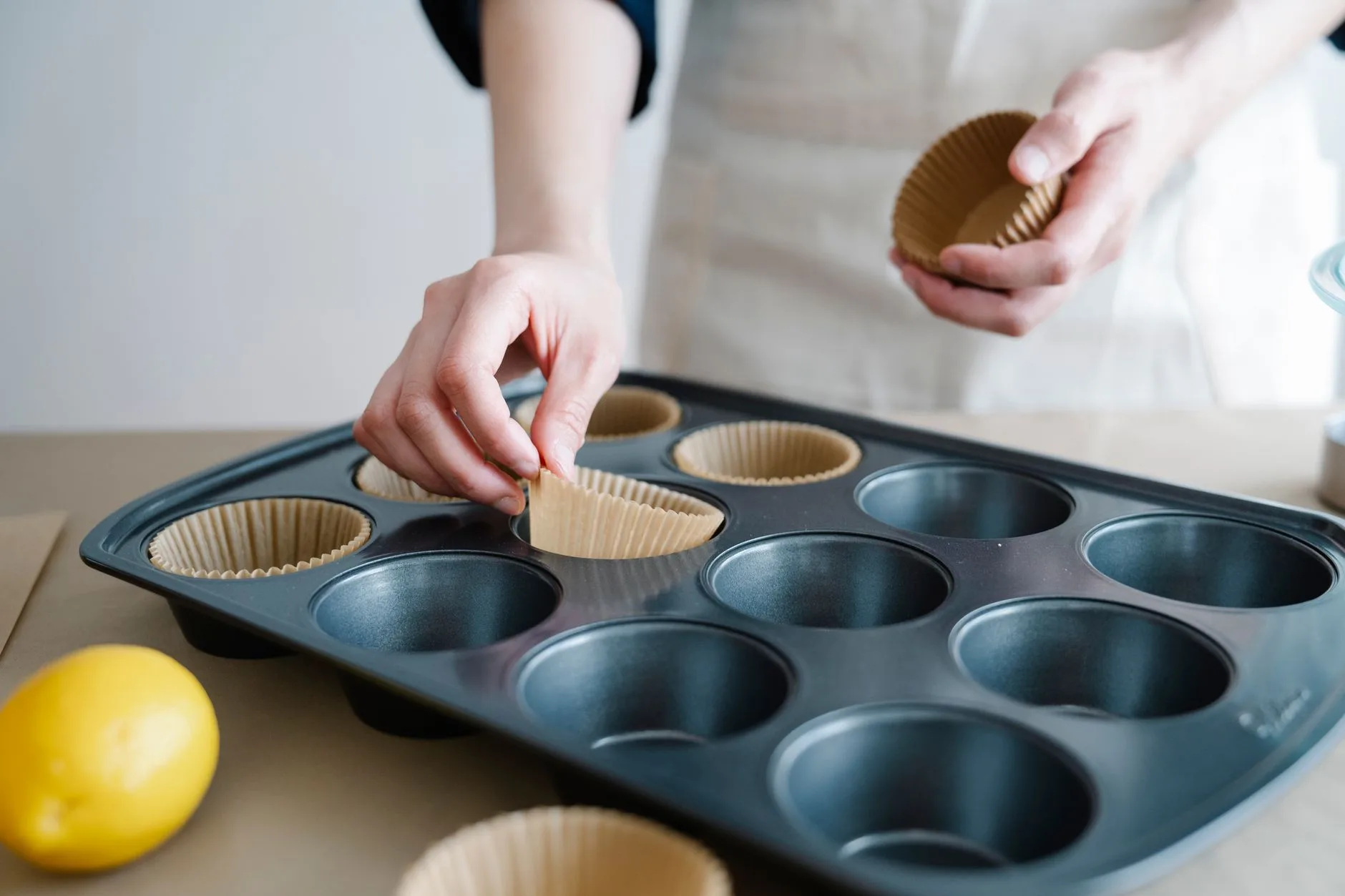
A 12-hole muffin tin is more useful than it sounds. It makes muffins, cupcakes, mini egg bites, individual frittatas and Yorkshire puddings. A decent non-stick muffin tin costs about £10-£25. If you cook roast dinners often, it can earn its place even if you rarely bake sweet things.
I would not buy a six-hole tin unless your oven is tiny. The 12-hole version uses almost the same storage space and gives you more flexibility.
Springform tins
A springform tin is useful for cheesecakes, deep cakes and delicate desserts that cannot be turned out upside down. A 20cm or 23cm springform tin costs roughly £10-£25. Buy one when you have a recipe that needs it, not as part of a starter kit.
Cheap springform tins often leak. If you use one for cheesecake in a water bath, wrap the base in foil and place it on a tray. Ask me how I know. There is no dignity in mopping sweet cream from an oven floor.
Tart tins, bundt tins and pizza trays
A loose-bottom tart tin is excellent if you make quiche or pastry tarts. A bundt tin is lovely if you bake bundt cakes. A perforated pizza tray can crisp frozen pizza better than a flat tray. None of them is essential for the average household.
BBC Good Food’s recent baking tray testing is useful because it separates everyday trays from niche pieces. The same thinking applies here: buy the thing that solves your recurring cooking problem, not the thing with the prettiest shape.
What to Skip, Store or Replace
Good bakeware lasts longer when it is stored properly and retired at the right time. Bad storage turns decent trays into scratched, warped clutter.
Skip these early purchases
Most kitchens can delay or skip:
- Bundt tins: unless you make bundt cakes.
- Mini loaf tins: cute, but rarely used.
- Novelty cake moulds: fun once, awkward forever.
- Single-purpose silicone shapes: hard to store and often floppy.
- Very cheap mega-sets: too many weak pieces, not enough quality.
Silicone mats are the exception for some people. A decent silicone baking mat costs about £8-£20 and can reduce parchment waste for biscuits and pastry. Do not use one under high-fat roasting where it slides around and makes cleanup worse.
Store trays without destroying them
Stacking bare non-stick trays is how scratches happen. Use a tea towel, pan protector or sheet of cardboard between coated pieces. Store loose-bottom tins with the bases in place so they do not bend or disappear behind the mixing bowls.
If your cupboard is tight, vertical storage works well. A simple wire rack or pan organiser from IKEA, Lakeland or Amazon UK costs about £8-£20 and stops the noisy metal avalanche every time you want one tray.
Replace at the right time
Replace bakeware when:
- The non-stick coating is flaking, bubbling or deeply scratched.
- The tray warps so badly that fat pools at one end.
- Rust appears around seams or rolled edges.
- Food sticks even with correct greasing and lining.
- The tin shape has bent enough to affect cakes.
Light staining is not a problem. A dark patina on uncoated aluminium or steel can even help with browning. Damage is different from discolouration.
A Sensible Baking Trays and Tins Guide for UK Buyers
Here is the buying list I would give a friend moving into a first proper kitchen. It is lean enough for a flat, but capable enough for family cooking.
Budget setup: around £55-£75
Buy from Argos, Dunelm, IKEA, B&M, Amazon UK or supermarket homeware ranges:
- Two non-stick oven trays: £8-£12 each.
- One roasting tin: £10-£15.
- Two sandwich tins: £12-£18 for a pair.
- One loaf tin: £8-£12.
- One muffin tin: £10-£15.
This setup works, but choose the thickest pieces you can find. Avoid sets where every item feels light and bendy. If you have to compromise, spend more on the oven trays and roasting tin because they work hardest.
Mid-range setup: around £90-£140
This is the range I would recommend for most homes:
- Two sturdy oven trays: ProCook, MasterClass, Lakeland or John Lewis, about £12-£25 each.
- One deeper roasting tin: Circulon, Lakeland or MasterClass, about £18-£35.
- Two good sandwich tins: loose-bottom non-stick, about £20-£30 per pair.
- One 2lb loaf tin: about £12-£20.
- One 12-hole muffin tin: about £15-£25.
You get better thickness, better coatings and less warping. It is the same principle as buying a stand mixer or bread maker: the useful middle tier usually beats both the cheapest option and the show-off premium one.
Premium setup: around £170-£260
Go premium if you bake a lot or hate replacing kit:
- Hard-anodised or heavy aluminium trays: roughly £25-£45 each.
- Premium roasting tin: £35-£60.
- Professional cake tins: £18-£35 each.
- Specialist tin chosen around your habits: springform, tart tin or heavy muffin tin, £20-£45.
I would not go premium on every piece at once. Upgrade the tray or tin that annoys you most. If your biscuits brown unevenly, upgrade the baking sheets. If cakes stick, upgrade the sandwich tins. If roast veg burns at the edges and steams in the middle, buy a larger, heavier roasting tin and stop crowding it.
Final recommendation
For most UK kitchens, buy the mid-range setup slowly. Start with two trays and a roasting tin, then add cake tins when you know what you bake. Spend money on thickness, fit and easy cleaning. Ignore giant sets unless every piece has a job you can name.
Frequently Asked Questions
How many baking trays do I need? Most homes need two good oven trays. One tray is limiting when you need to spread food out, and three or more only makes sense if you batch cook or bake often.
What cake tin size should I buy first? Buy two 20cm round sandwich tins first. They suit most sponge cakes and birthday cakes, and recipes are easy to find for that size.
Are expensive baking trays worth it? They can be, but only if they are thicker, heat more evenly or avoid coating wear. A £20-£25 tray used weekly is better value than a £6 tray replaced every year.
Should I choose non-stick or uncoated baking trays? Choose non-stick for easy everyday cooking and uncoated aluminium or stainless steel if you bake seriously and do not mind using parchment.
When should I replace a baking tray? Replace it when the coating flakes, rust appears, the tray warps badly, or food sticks even when you line or grease it properly.
Is a roasting tin the same as a baking tray? Not quite. A roasting tin has deeper sides for meat, vegetables and liquid; a baking tray is shallower and better for biscuits, pastry and general oven cooking.